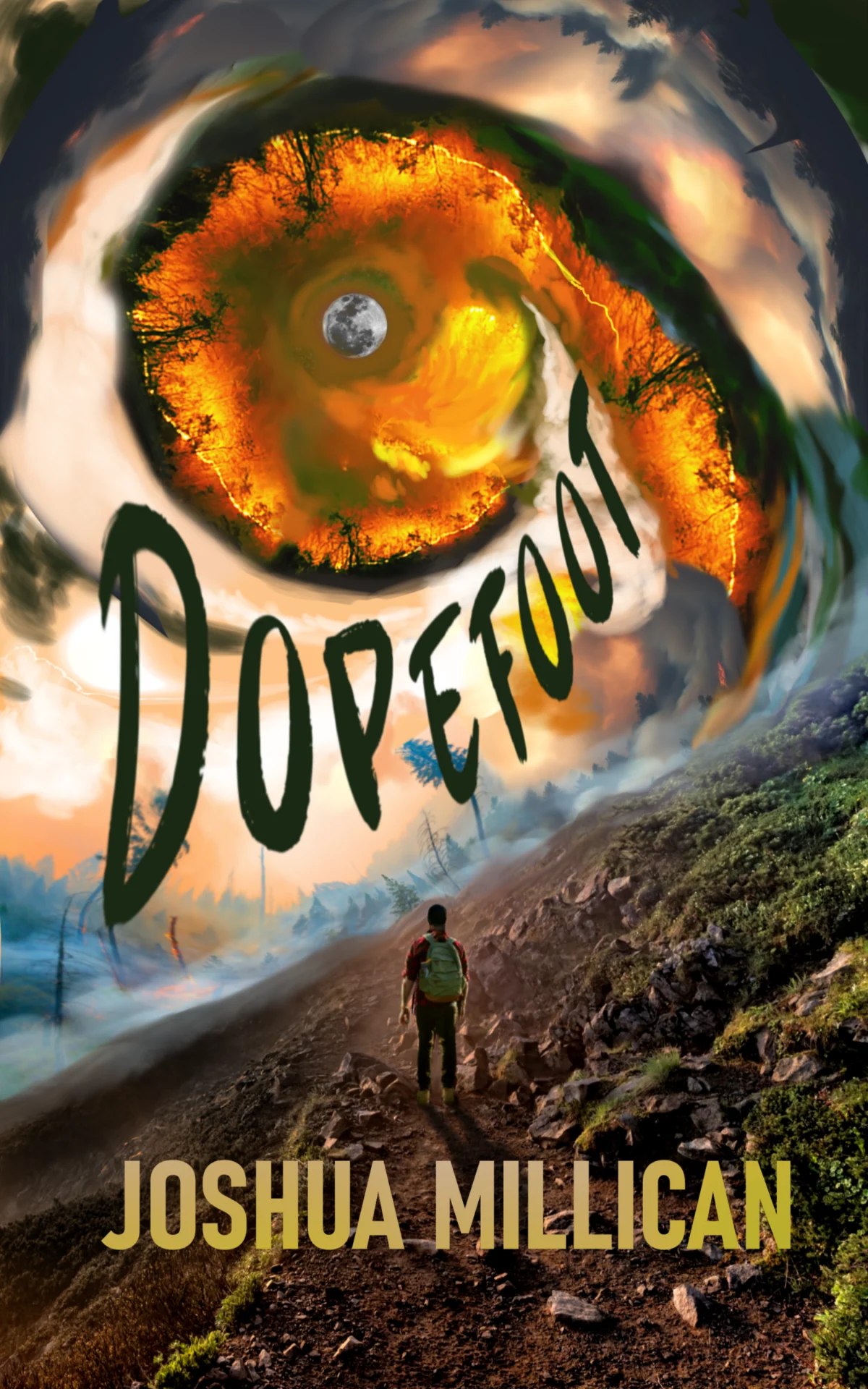
Joshua Millican’s latest literary offering, Dopefoot, is poised to make a significant impact on the landscape of independent horror fiction. The novel, scheduled for release on June 16th, 2026, by Mad Axe Media, delves into the unsettling intersection of cryptid mythology and the darker aspects of human nature, presenting a narrative that is both radical and deeply subversive. While Millican has a history of contributing to the horror genre through novelizations of existing properties, such as the Chopping Mall novelization and Dopefoot‘s predecessor, Deeper Than Hell, Dopefoot marks a distinct step into original cryptid lore, offering a fresh perspective on a well-established mythos. This work arrives at a time when the independent horror publishing scene is experiencing a renaissance, a period characterized by burgeoning creativity and a growing audience for genre-bending narratives.
A Modern Take on Cryptid Lore
At the heart of Dopefoot lies the enduring enigma of Bigfoot, arguably the most iconic cryptid in popular culture. Millican’s narrative opens with a chilling prologue that effectively grounds the reader in decades of existing lore surrounding the creature. However, the novel quickly pivots to its central thesis: the most terrifying monsters are often not those lurking in the shadows of the wilderness, but rather the savagery and depravity found within human beings. This juxtaposition forms the core of the novel’s innovative approach to the genre, promising a story where the supernatural and the all-too-real human element collide with visceral force.
The plot introduces readers to a protagonist known only as Harmless, a college dropout seeking to earn enough money to sustain himself for an entire year through a summer of cannabis cultivation. His journey begins with a roadside pickup at a peculiar local Bigfoot Museum, a setting that subtly foreshadows the novel’s thematic preoccupations. Harmless, characterized by his sensitivity and a penchant for cannabis, is initially portrayed as an innocent drawn into a potentially lucrative but ultimately perilous venture. His aspirations are swiftly met with the harsh realities of his new environment.
The Cult of Goat Farm
Harmless’s destination is the aptly named "Goat Farm," a secluded compound nestled deep within the California wilderness. From the outset, the atmosphere of Goat Farm is imbued with a palpable sense of menace. The individuals Harmless encounters are far from welcoming. Jester, his assigned chauffeur, displays a disturbing disregard for human life. Honeydew, a young woman seemingly devoted to the farm’s enigmatic ways, punctuates her speech with unsettling applause. Presiding over this unsettling collective is Mother Agatha, a figure who, despite her outwardly maternal and kind demeanor, harbors a hidden brutality that Harmless is yet to comprehend. This carefully crafted ensemble of characters immediately establishes a dynamic of unease and foreshadows the psychological and physical dangers that await the protagonist.
Unraveling the Mysteries of the Wilderness
Millican masterfully interweaves the stark realities of the cannabis farm with elements of fantastical speculation. Rumors of Devil cults and a mysterious valley known as "The Green Cauldron" permeate the narrative, contributing to an atmosphere of dread and suspense. The early chapters of Dopefoot expertly tease a more profound and terrifying threat lurking within the surrounding woods. Millican’s narrative strategy involves a calculated dance between the looming cryptid presence and the immediate, visceral dangers posed by human conflicts. The text builds tension by priming readers for the appearance of the quasi-titular Bigfoot, while simultaneously unsettling them with whispers of "Boilers"—crop thieves—and reports of violent confrontations between Lithuanian farmers and those encroaching on their territory.
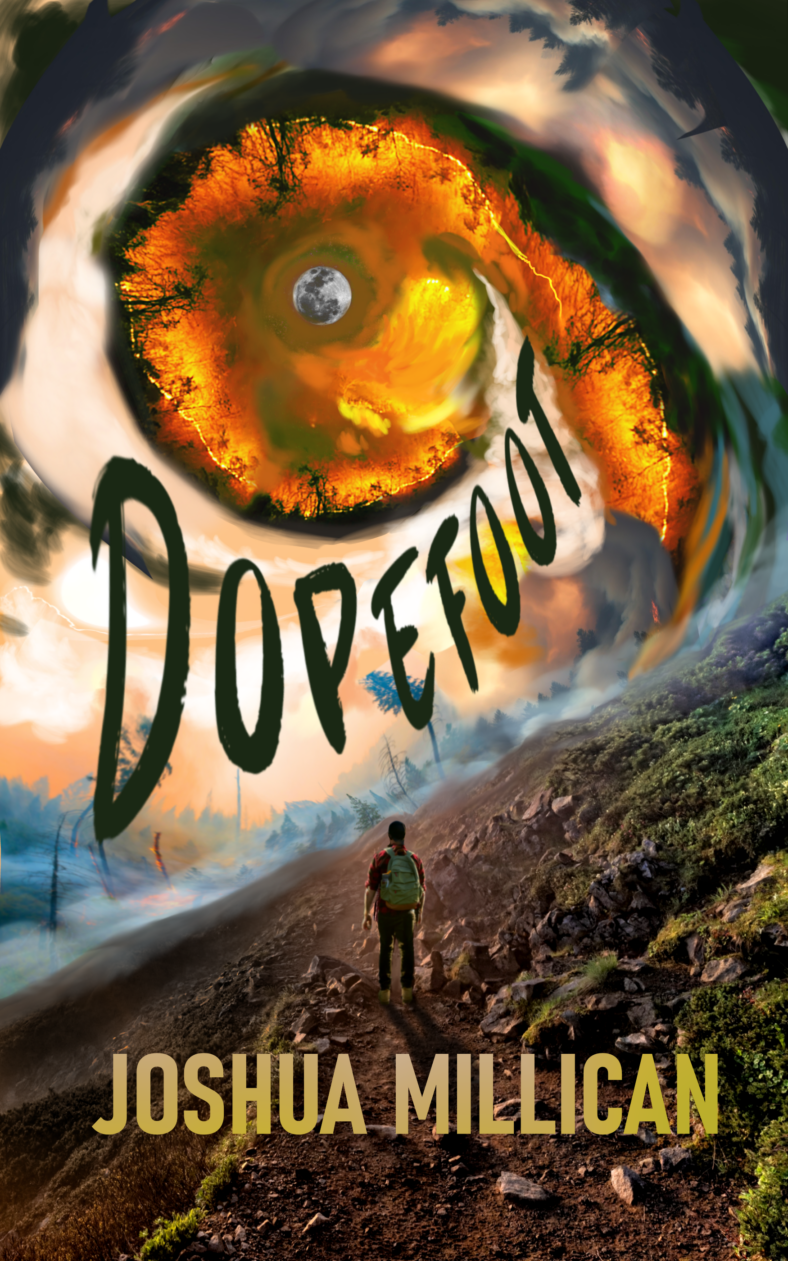
This layered approach to suspense has drawn comparisons to critically acclaimed works such as Jeremy Saulnier’s Green Room and Adam Wingard’s Willow Creek. The convergence of these influences suggests a narrative that is both a grounded thriller and a supernatural horror experience, populated by formidable and unyielding antagonists. As the conflict escalates in the novel’s second act, Millican is said to expertly escalate the perceived threats of violence, culminating in a climax described as "gonzo," "gruesome," and "kinetic." The narrative promises a rich tapestry of monsters, detours into folkloric violence, and a multitude of unexpected twists and turns, appealing to readers who crave a multi-faceted horror experience.
A Character’s Journey Through the Unseen
Harmless serves as a crucial entry point for readers who may not be intimately familiar with the intricacies of cannabis cultivation. Despite his role as a guide through this unfamiliar terrain, his character is occasionally characterized by a frustrating vagueness. This lack of initial depth, however, can be interpreted as a deliberate narrative choice, fostering a sense of identification through his vulnerability and naivete. Nevertheless, the reviewer notes a desire for more explicit motivations for Harmless in the early stages of the novel, particularly as his role sometimes devolves into that of a mere observer, functioning akin to a Greek chorus for the audience.
The Subversive Power of Indie Horror
Despite these minor observations, Dopefoot is lauded as a powerful and effective revival of Bigfoot narratives for a contemporary audience. The novel is characterized as being as subversive and electric as any in its subgenre. It embodies the strengths of independent horror publishing: providing a platform for unique, underground voices to reimagine and subvert well-established genre tropes. The novel is described as a "gnarly summer read," recommending Millican as an author to watch for fans of writers such as Ghoulish Books, Eric LaRocca, and Stephen Graham Jones, all of whom have carved out significant niches within the modern horror landscape.
Authorial Background and Publishing Details
Joshua Millican’s literary background includes a degree in literature and creative writing from UC Santa Cruz. His professional experience extends to journalism, where he has been an active contributor to Dread Central, and acting, as well as membership in the Horror Writers Association (HWA). His previous fictional works include Teleportasm (part of the Killer VHS Series) and Chopping Mall: The Novelization. Dopefoot is set to be released on June 16th, 2026, by Mad Axe Media and will be available through all major booksellers.
Analysis and Implications
The release of Dopefoot signifies a continued trend within the independent horror market to engage with and reinterpret classic monster lore. By grounding the supernatural threat of Bigfoot within a context of human avarice, cultish behavior, and the often-brutal realities of rural life, Millican taps into anxieties that resonate deeply with contemporary audiences. The novel’s exploration of isolated communities and the dangers lurking beneath seemingly idyllic surfaces echoes societal concerns about isolation, exploitation, and the erosion of trust.
The comparisons to Green Room and Willow Creek are particularly telling. Green Room is lauded for its unflinching portrayal of violence and the primal struggle for survival against a hostile group, while Willow Creek is celebrated for its atmospheric build-up and its commitment to a more grounded, documentary-style approach to cryptid encounters. Dopefoot‘s synthesis of these elements suggests a narrative that is not only intended to shock and thrill but also to provoke thought about the nature of fear and the darkness that can reside within human intentions.

The success of independent horror authors like Millican underscores the evolving dynamics of the publishing industry. With major publishers often focusing on established brands, independent presses and authors are increasingly vital in fostering new voices and experimenting with genre conventions. The ability of Dopefoot to offer a "subversive and electric" take on a well-worn trope like Bigfoot speaks to the potential for innovation within the horror genre when given the space to breathe and evolve. The novel’s success could further encourage other writers to explore classic folklore through a modern, often darker, lens, potentially leading to a broader resurgence of interest in cryptid fiction.
The narrative structure, which balances the anticipation of a supernatural encounter with the immediate threats posed by human antagonists, is a proven formula for generating sustained tension. Millican’s approach to this balance, as described by early reviews, suggests a deliberate pacing that allows for character development and atmospheric build-up before unleashing a visceral and kinetic climax. This strategic layering of threats ensures that the reader remains engaged on multiple levels, experiencing both the psychological dread of the unknown and the visceral terror of direct confrontation.
Furthermore, the novel’s engagement with the cannabis cultivation industry, while perhaps a niche aspect for some readers, offers a contemporary and relevant backdrop that can add layers of social commentary. The potential for exploitation, the transient nature of labor, and the inherent risks associated with such enterprises can all contribute to the overarching sense of unease and vulnerability that permeates the narrative. This grounding in a specific, contemporary reality makes the fantastical elements of the story feel more immediate and impactful.
In conclusion, Dopefoot appears to be a significant contribution to the modern horror canon, demonstrating the power of independent publishing to deliver original and thought-provoking narratives. Joshua Millican’s reimagining of the Bigfoot mythos, fused with a potent exploration of human depravity, promises a thrilling and unsettling reading experience that is both timely and timeless. Its anticipated release marks another exciting moment for the genre, highlighting the continued innovation and creative vitality within independent horror fiction.