Renowned special effects maestro Rick Baker, a titan in the realm of cinematic creature design and makeup artistry, has recently shared a compelling glimpse into a discarded element from the 2010 remake of The Wolfman. The unearthed footage showcases an intricately crafted puppet head, originally intended for the film’s pivotal transformation sequences, a testament to Baker’s unparalleled skill in bringing monstrous entities to life through practical means. This revelation not only highlights the extraordinary talent that was available but also reignites a long-standing discourse within the film industry regarding the efficacy and artistic merit of digital versus practical special effects, particularly in the context of iconic creature features.
A Master’s Vision Unveiled
Rick Baker, whose illustrious career boasts an Academy Award for Best Makeup and Hairstyling for The Nutty Professor and numerous other accolades, has been instrumental in shaping the visual landscape of horror and fantasy cinema for decades. His contributions to werewolf lore are particularly significant, including his groundbreaking work on John Landis’s seminal 1981 classic An American Werewolf in London, which set an enduring benchmark for practical transformation effects. His filmography reads like a who’s who of creature features, encompassing projects such as Wolf (1994), the ill-fated Cursed (2005), and even the transformative visual effects for Michael Jackson’s iconic "Thriller" music video.
The recently shared footage, posted on Baker’s Instagram account, features him interacting with a highly detailed puppet head designed for the 2010 iteration of The Wolfman. The puppet demonstrates an astonishing level of detail, capturing the grotesque evolution of man into beast with visceral realism. Baker’s accompanying statement expressed a clear sentiment of regret: "While looking for something else on my computer I came across this video that I shot of me alone playing with a puppet head we made for the Wolfman transformation. I wish they would have allowed us to do some practical stuff for the transformation." This candid remark underscores a perceived missed opportunity to leverage tangible, handcrafted artistry in a moment that is critical to the genre’s appeal.
The 2010 The Wolfman: A Disconnect in Vision
Joe Johnston’s 2010 remake of The Wolfman, starring Benicio del Toro as Lawrence Talbot and Anthony Hopkins as his estranged father, Sir John Talbot, aimed to recapture the gothic atmosphere and primal terror of the Universal classic. The film’s narrative follows Lawrence’s return to his ancestral estate, where he is attacked and infected by a werewolf. As the moon waxes, he succumbs to the curse, leading to a series of brutal killings that he himself believes he is responsible for.
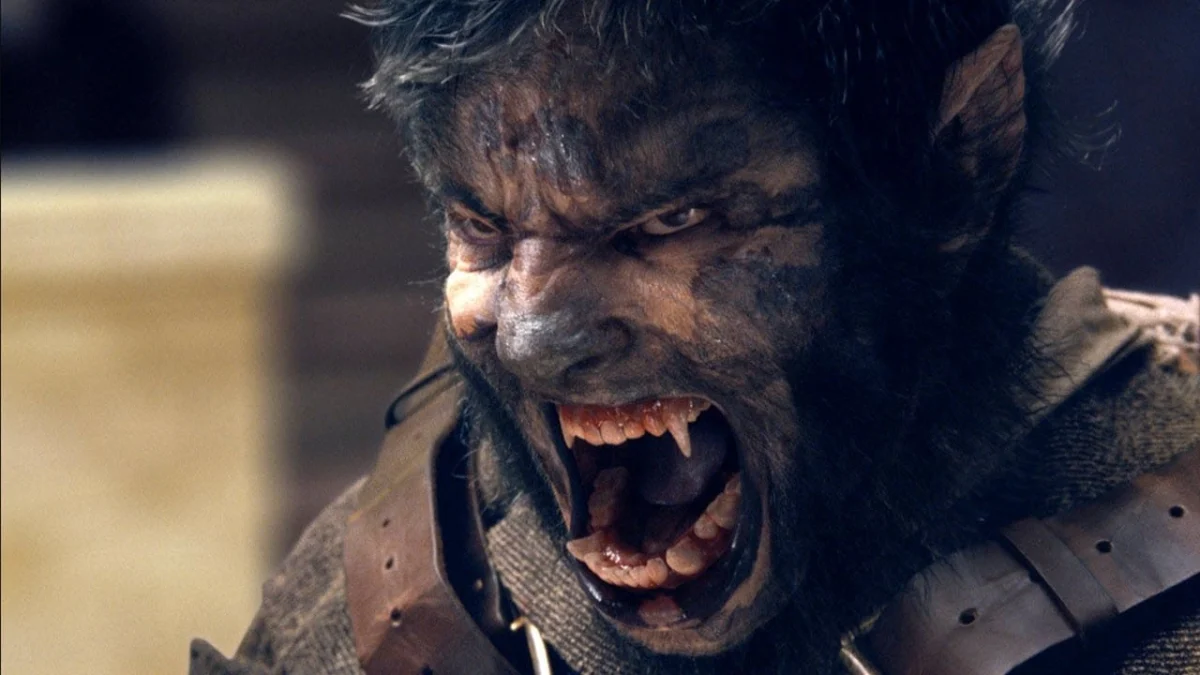
While the film was lauded for its atmospheric cinematography, period detail, and strong performances, its special effects, particularly the werewolf transformations, became a focal point of critical discussion and audience disappointment. Despite the presence of Rick Baker and his team, whose makeup effects for the fully transformed werewolf were widely praised for their terrifying and imposing design, the actual metamorphosis sequences relied heavily on digital visual effects. This decision, according to many critics and fans, resulted in a CGI-heavy and ultimately less impactful transformation compared to the practical effects that had defined the genre’s golden age.
The Enduring Power of Practical Effects in Werewolf Cinema
The werewolf genre has long been a proving ground for special effects innovation. The transformative power of seeing an actor physically contort and morph into a monstrous creature is a visceral experience that often resonates more deeply with audiences than digitally rendered sequences. An American Werewolf in London remains a benchmark, with Rick Baker’s Oscar-winning practical effects revolutionizing how such transformations were depicted on screen. Similarly, Joe Dante’s The Howling (1981) also utilized impressive practical effects to showcase its lycanthropic creatures.
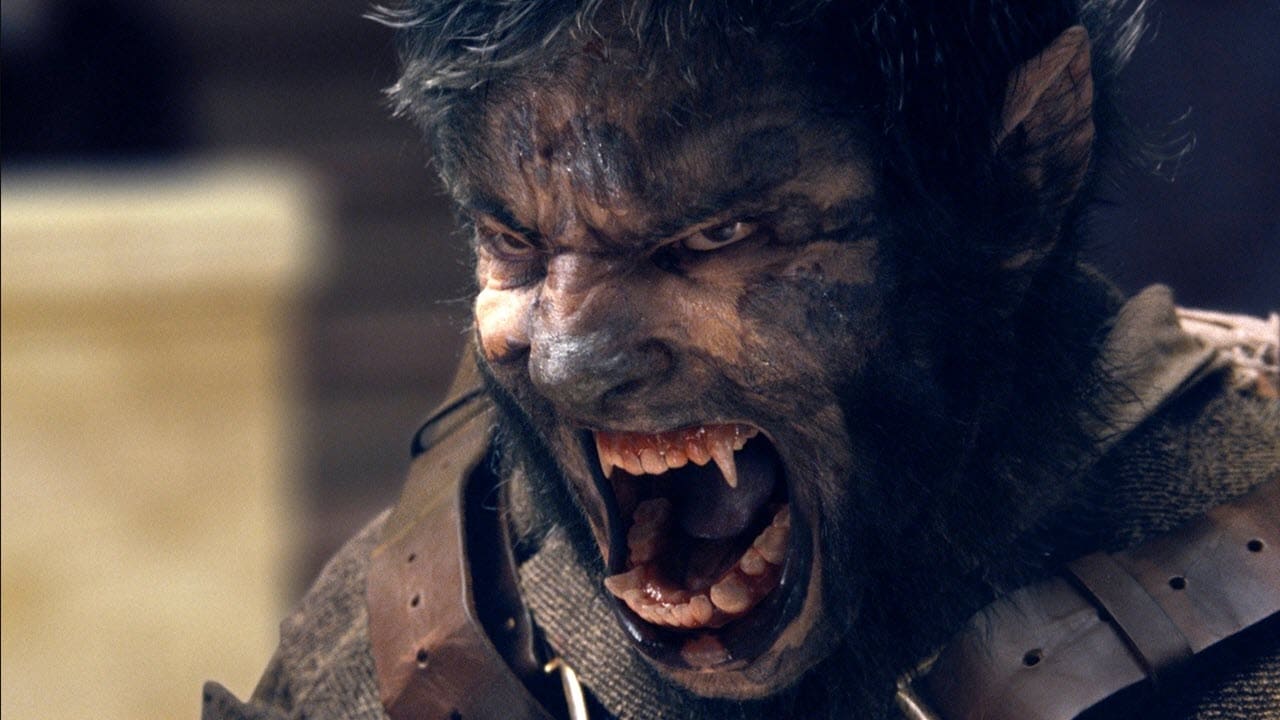
These films demonstrated that the tangible nature of practical effects—the sweat, the puppetry, the animatronics, and the intricate makeup—could imbue transformations with a sense of weight, physicality, and raw terror that is often challenging to replicate with digital means. The visual language of a well-executed practical effect can convey a sense of real, albeit simulated, physical agony and biological upheaval. The fact that Baker, a master of this craft, was involved in The Wolfman yet his practical transformation designs were largely sidelined, fuels the argument that the film’s creative direction opted for a less artistically robust approach.
Analyzing the Implications: A Shift in Hollywood’s Priorities?
The decision to prioritize digital effects over practical ones in The Wolfman reflects a broader trend in Hollywood filmmaking that gained momentum in the early 2000s. While digital technology offers unparalleled flexibility and the ability to create fantastical imagery that would be impossible through practical means, its overuse can lead to a perceived sterility or detachment from physical reality. In creature features, where the very essence of the horror often lies in the physical manifestation of the monstrous, this can be particularly detrimental.
The implications of this shift are multifaceted. From an artistic standpoint, it raises questions about the preservation of traditional craft and the potential loss of tactile artistry. For audiences, it can lead to a sense of diminishing returns, where increasingly sophisticated digital effects can paradoxically feel less impactful or believable than their more grounded predecessors. For studios, the reliance on digital effects can also be seen as a cost-saving measure in some instances, or a perceived necessity to achieve certain visual scales, though the overall cost of extensive CGI work can also be substantial.
Rick Baker’s shared footage serves as a poignant reminder of what could have been. It offers a tangible vision of an alternative approach to the transformation sequences in The Wolfman, one that would have likely capitalized on the actor’s performance and the tangible artistry of his team. This revelation prompts a reconsideration of the creative choices made during the film’s production and reinforces the enduring appeal of practical effects, especially for filmmakers and audiences who cherish the visceral, tangible aspects of movie magic.
A Call for Balance and Appreciation
While digital effects have undoubtedly expanded the possibilities of cinematic storytelling, the debate they ignite with practical effects remains a vital one. The work of artisans like Rick Baker demonstrates that even in an era of advanced CGI, there is an irreplaceable quality to handcrafted, practical effects. They offer a unique texture, a sense of lived-in reality, and a connection to the physical world that can enhance the emotional impact of a film.
The shared video of the Wolfman puppet is more than just a behind-the-scenes peek; it’s a powerful argument for a balanced approach to special effects. It encourages a deeper appreciation for the skill and dedication of practical effects artists and prompts a conversation about how filmmakers can best harness both digital and practical techniques to create truly unforgettable cinematic experiences. As Baker himself implicitly suggests, the true magic often lies in the fusion of masterful artistry and innovative technology, with a keen understanding of which tool is best suited for each critical moment. The enduring legacy of The Wolfman, and indeed many other genre films, could be significantly enhanced by a renewed commitment to the tangible, the handcrafted, and the undeniably potent power of practical effects.