For nearly two decades, an invitation-only society known as Dialog has operated in the deepest shadows of the global power structure, serving as a private forum where the architects of modern politics, technology, and media convene to shape the future. Hosted by billionaire venture capitalist and Palantir co-founder Peter Thiel, the organization has long prided itself on a level of discretion that rivaled the most exclusive diplomatic summits. However, that veil of secrecy was recently pierced by an unprecedented data leak, revealing for the first time the internal mechanics, membership lists, and ideological priorities of a group that bills itself as an "off-the-record" sanctuary for the world’s most influential figures.
The breach occurred when Maia Arson Crimew, a Swiss-based independent researcher known for exposing high-level security vulnerabilities, identified a significant flaw in the code of Dialog’s official website. The exposed materials, which were subsequently shared with investigative journalists at The Hollywood Reporter, include a comprehensive membership directory, detailed dossiers on applicants, and the planned agenda for the society’s upcoming 2024 summit in Dublin, Ireland. This discovery marks the first time since the group’s founding in 2006 that the public has gained a clear view of the individuals and ideas driving this influential network.
The Architecture of Influence: A Membership Divided by Industry but United by Power
The leaked directory confirms that Dialog is not merely a gathering of tech entrepreneurs, but a curated ecosystem of "kingmakers" across multiple sectors. The membership list reads like a cross-section of the global elite, bridging the gap between Hollywood’s cultural influence, Silicon Valley’s technological dominance, and Washington D.C.’s legislative power.
Among the entertainment industry figures identified in the materials are Academy Award nominee Josh Brolin, actor and director Joseph Gordon-Levitt, and activist-actress Sophia Bush. They are joined by high-level executives such as Scooter Braun and Isaac Lee of Hybe America, and Benj Pasek, the composer behind La La Land. The inclusion of these figures suggests that Dialog views the entertainment industry as a critical pillar in the dissemination of ideas and the management of public discourse.
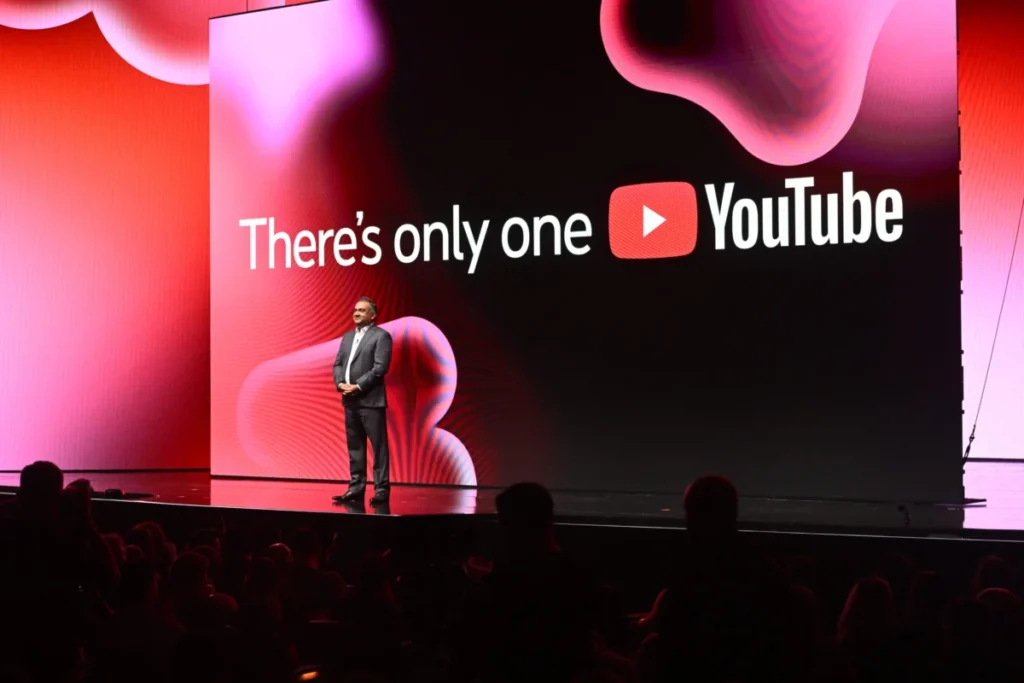
However, the Hollywood contingent represents only one facet of the group. The leak identifies heavyweights from the technology and finance sectors, including Tesla and X CEO Elon Musk, OpenAI president Greg Brockman, YouTube CEO Neal Mohan, and Xbox president Sarah Bond. The political sphere is equally well-represented, featuring figures from across the ideological spectrum. Despite Peter Thiel’s reputation as a prominent conservative donor, the membership includes high-ranking Democrats such as Senator Cory Booker, Maryland Governor Wes Moore, and Colorado Governor Jared Polis, alongside Republicans like Senator Ted Cruz and Treasury Secretary Scott Bessent.
The Vetting Process: Grading the Elite
One of the most revealing aspects of the leak is the discovery of an internal grading system used to vet potential members. Applicants are not merely invited; they are scrutinized based on their professional influence, their ability to contribute to "dissenting" discourse, and the strength of their internal recommendations.
The dossiers reveal that the organization assigns letter grades to applicants. For example, Teresa Hsiao, the co-creator of Awkwafina is Nora From Queens and a writer for Family Guy, was assigned an "A" grade. Her reviewer noted her ability to use comedy to "uplift" and her role in increasing diversity in media. In contrast, Josh Brolin—despite his status as a major Hollywood star—was reportedly given a "C" grade. The leaked application for Brolin included a candid, perhaps self-deprecating summary of his life experiences, mentioning his upbringing on a horse farm, his literary pursuits, and even past struggles with substance abuse.
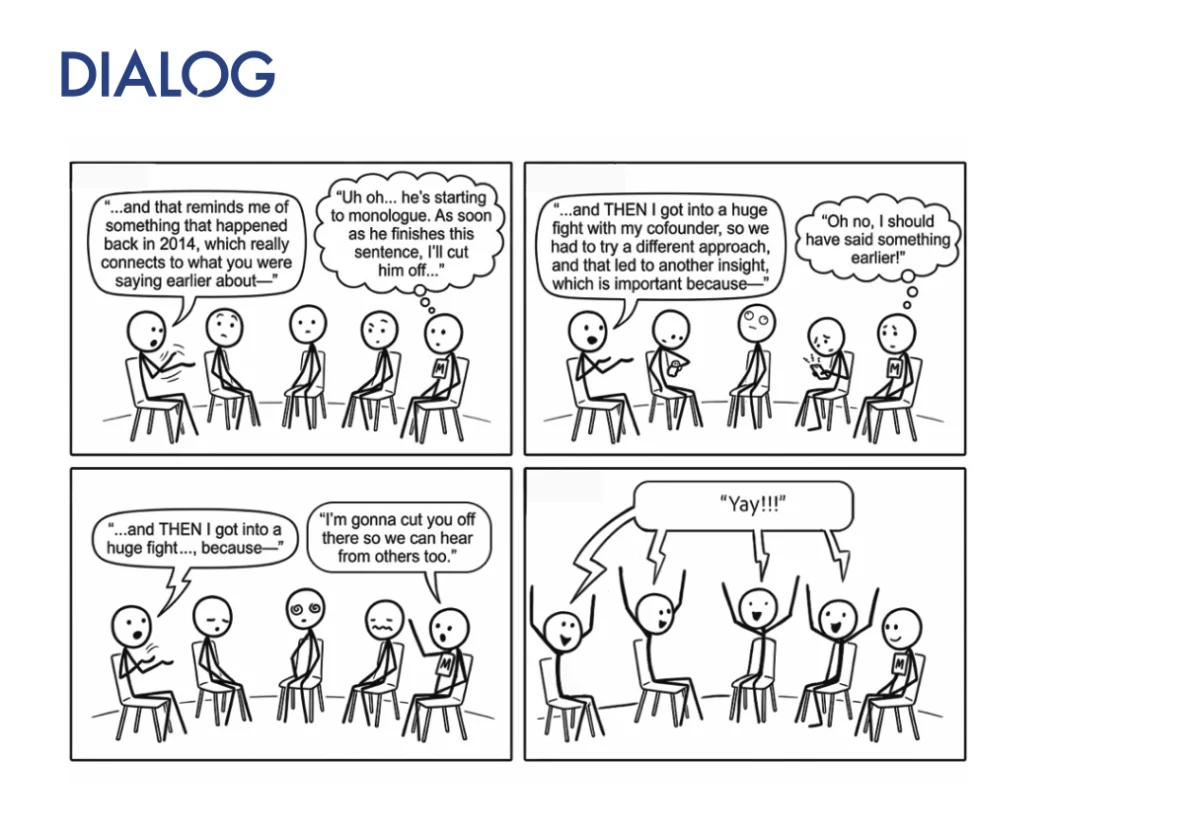
This grading system underscores the meritocratic, yet hierarchical, nature of Dialog. The organization seeks members who are not just "accomplished," but who possess a specific type of intellectual utility. The participation guide found in the leak explicitly instructs members to "avoid status signaling," noting that everyone in the room is already highly successful. Instead, the focus is placed on "concise" communication and the willingness to offer "dissenting views."
The 2024 Dublin Agenda: From Longevity to World War III
The leaked materials provide a detailed look at the session topics scheduled for the upcoming August summit at a sprawling estate in Dublin. The agenda reflects a preoccupation with "existential" themes, ranging from the technicalities of geopolitics to the optimization of the human body.

The geopolitical sessions are notably stark in their framing. Topics include "Navigating WWIII," "Taiwan and the AI Race," "Battlefield Technologies," and "Three Predictions in Iran." These sessions suggest that the members of Dialog are actively contemplating a future defined by high-stakes global conflict and the rapid weaponization of artificial intelligence.
On the other hand, the agenda also delves into the deeply personal and the experimental. Sessions titled "Money (Does?) Buy Happiness," "How’s Your Sex Life," and "Research-Based Longevity Hacks" point toward a culture of self-optimization common in Silicon Valley. The presence of biohacker Bryan Johnson in the leak further reinforces this focus on life extension and physical performance. More controversial titles, such as "Build-a-Cult" and "Democracy Under Surveillance," suggest a willingness to explore the darker mechanics of social and political control in a private setting.
Institutional Evolution and the Move Toward Washington
While Dialog has operated as a series of disparate retreats for nearly 20 years, the leaked information, combined with previous reporting, suggests a significant shift toward institutional permanence. Last year, reports surfaced regarding Dialog’s plans to build a permanent campus in the suburbs of Washington, D.C.
This move signals an intent to move beyond occasional networking and toward a more consistent influence on federal policy. By establishing a physical hub within commuting distance of the U.S. Capitol, Dialog is positioning itself as a permanent "shadow" think tank where lawmakers can engage with tech titans and media moguls away from the record of public congressional hearings or the scrutiny of the press.
The Axios report cited in the leak notes that the D.C. campus is intended to be a space where leaders can share "controversial and concerning ideas" that they would not feel comfortable voicing in public forums. This emphasis on "candidness" across "ideological lines" is presented as a solution to political polarization, though critics argue that such secret deliberations undermine the transparency essential to a functioning democracy.
Official Reactions and the Breach of Privacy
The response to the leak has been a mixture of silence and confusion. A spokesperson for Josh Brolin provided a blunt assessment to The Hollywood Reporter, stating that the actor would "like to know what the fuck he got himself into." This reaction suggests that even some participants may not be fully aware of the extent of the data collection or the specific vetting processes used by the organization.
Other high-profile members, including Teresa Hsiao and representatives for the tech CEOs mentioned, did not immediately provide comments. The organization itself has not released a formal statement regarding the security breach, but the exposure of its internal code and membership directory represents a catastrophic failure for a group whose primary value proposition is discretion.
Broader Implications: The Rise of the "Counter-Elite"
The exposure of Dialog provides a rare data point in the study of how modern power is brokered. Unlike the World Economic Forum in Davos, which, despite its exclusivity, maintains a public-facing media presence and published goals, Dialog has functioned as a "black box."
The leak highlights a growing trend of "counter-elite" gatherings—forums that reject traditional institutional transparency in favor of radical privacy. For Peter Thiel and his associates, Dialog appears to be a laboratory for ideas that are deemed too volatile for the public square. However, when those ideas involve "Navigating WWIII" or "Democracy Under Surveillance," the line between a private intellectual exercise and the clandestine steering of global events becomes increasingly blurred.
As the organization prepares for its Dublin summit and its eventual expansion into the D.C. area, the leak by Maia Arson Crimew ensures that Dialog will no longer be able to operate in total obscurity. The public now has a list of names, a set of topics, and a glimpse into the grading system of a society that, until this week, did not officially exist in the public record. The fallout from this exposure may force a reckoning for the celebrities and politicians who sought the shelter of Thiel’s "off-the-record" world, only to find their private dossiers and "longevity hacks" laid bare for the world to see.