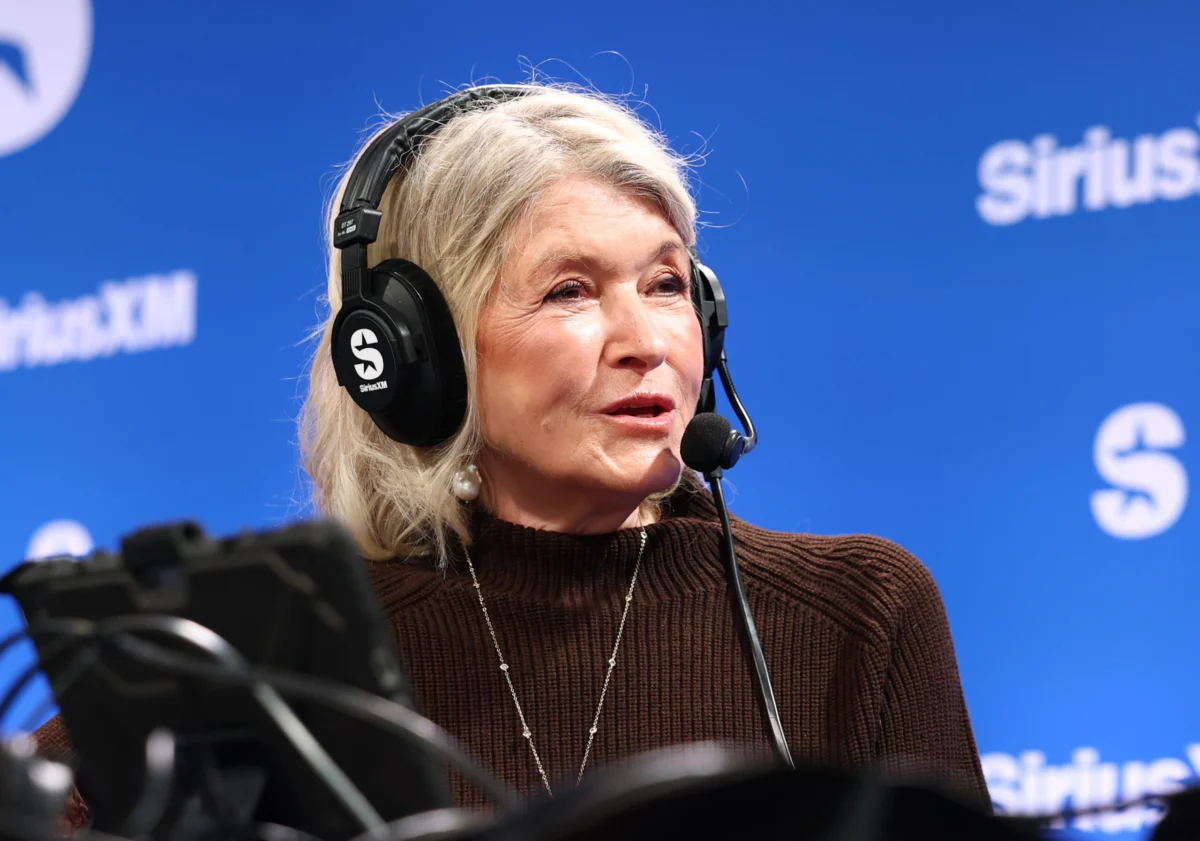
Netflix has officially solidified its position in the rapidly evolving digital broadcast landscape by announcing a significant expansion of its video podcast slate through a multi-faceted partnership with iHeartMedia. This strategic move brings high-profile personalities, including lifestyle mogul Martha Stewart, Hollywood actress Kate Hudson, and digital creator Lele Pons, to the streaming platform’s growing library of "vodcasts." Under the terms of the agreement, Netflix will serve as the exclusive video home for several of iHeartMedia’s flagship programs, while iHeartMedia retains the audio-only distribution rights, ensuring a cross-platform reach that bridges the gap between traditional streaming and modern digital talk formats.
The centerpiece of this new announcement is the debut of Suite 305 with Lele Pons, a new podcast venture from the social media powerhouse. Joining the lineup are The Martha Stewart Podcast and Sibling Revelry with Kate Hudson and Oliver Hudson, both of which have established significant footprints in the audio space and are now pivoting toward a visual-first presentation for Netflix’s global subscriber base. These additions are scheduled to begin rolling out in the coming months, marking a deliberate effort by Netflix to capture the "daytime entertainment" market that was once dominated by linear television talk shows.
A Strategic Expansion of the iHeartMedia Alliance
This latest development is not an isolated event but rather an extension of a deepening relationship between Netflix and iHeartMedia. The two companies have already successfully integrated over a dozen shows into the Netflix ecosystem, including the cultural phenomenon The Breakfast Club, Bobby Bones Presents: The Bobbycast, the true-crime juggernaut My Favorite Murder, and Chelsea Handler’s Dear Chelsea.
The partnership reached a new milestone recently with the launch of the radio broadcast version of Charlamagne Tha God’s The Breakfast Club as a live video show. By airing the program simultaneously each weekday morning, Netflix has effectively entered the live daily broadcast space, challenging traditional morning news and entertainment programs. The inclusion of Martha Stewart and the Hudson siblings suggests a broader demographic target, moving from the urban contemporary focus of The Breakfast Club to lifestyle, wellness, and celebrity-driven conversational content.
Profiling the New Slate: From Lifestyle to Digital Influence
The selection of talent for this expansion reflects a calculated attempt to appeal to diverse age groups and interests. Martha Stewart, a household name for decades, brings a legacy of authority in home, garden, and lifestyle. The Martha Stewart Podcast features the entrepreneur in conversation with some of the world’s most influential people, ranging from business leaders to fellow celebrities. By bringing this to Netflix in a video format, the platform provides a visual intimacy that complements Stewart’s brand of sophisticated mentorship.
Sibling Revelry, hosted by Kate Hudson and her brother Oliver Hudson, explores the unique dynamics of family bonds. Since its launch, the podcast has gained praise for its authenticity and the chemistry between the two hosts. For Netflix, this content functions as a "light" reality or talk hybrid, offering the kind of parasocial connection that modern audiences crave.
Conversely, Suite 305 with Lele Pons targets a younger, digitally native audience. Pons, who rose to fame on Vine before amassing tens of millions of followers on Instagram and YouTube, represents the bridge between traditional celebrity and creator culture. Her podcast is expected to lean into high-energy interviews and pop culture commentary, providing Netflix with a direct line to the Gen Z and Millennial demographics that currently spend a significant portion of their viewing time on YouTube.
The Evolution of the "Vodcast": A Timeline of Netflix’s Audio-Visual Strategy
Netflix’s foray into the podcasting world has evolved through several distinct phases. Initially, the streamer utilized podcasts primarily as marketing tools—supplemental audio content designed to provide "behind-the-scenes" looks at its original series like Stranger Things or The Crown. However, the strategy has shifted toward acquiring and distributing third-party content that can stand alone as entertainment.
- 2021-2022: Netflix launches several original audio series and begins experimenting with "behind-the-scenes" companion podcasts.
- Early 2023: The company identifies a growing trend in "video-first" podcasting, noting that many listeners prefer to watch hosts interact on platforms like YouTube.
- Late 2023: Netflix signs significant distribution deals with Barstool Sports and Spotify, bringing popular shows like The Pete Davidson Show and various sports-talk programs to the platform.
- Mid-2024: The iHeartMedia partnership is formalized, leading to the integration of The Breakfast Club and the subsequent announcement of the Stewart, Hudson, and Pons programs.
This timeline illustrates a shift from content promotion to content aggregation. Netflix is no longer just using podcasts to sell its shows; it is using podcasts to sell its platform as a comprehensive daily entertainment destination.
Market Analysis: Competing for the Daytime Vacuum
The decision to prioritize video podcasts is a direct response to the shifting landscape of daytime television. For decades, the 9:00 AM to 5:00 PM window was dominated by syndication giants like Ellen DeGeneres, Dr. Phil, and Maury Povich. As these long-running shows have concluded, a "content vacuum" has emerged. Younger audiences are not turning to local broadcast affiliates to fill this void; instead, they are looking to social platforms and streaming services.
Podcasts are significantly more cost-effective to produce than traditional daytime talk shows, which often require massive crews, elaborate sets, and high licensing fees for musical guests. A video podcast requires a fraction of the overhead while often generating higher engagement through social media clips and "viral" moments. By housing these shows, Netflix is effectively creating a modern, on-demand version of the talk-show circuit.
Furthermore, Netflix is positioning itself to compete directly with YouTube. According to data from Edison Research, YouTube is currently the most popular platform for podcast consumption in the United States, largely due to the "video podcast" trend. By securing exclusive video rights to top-tier iHeartMedia talent, Netflix is attempting to lure those viewers away from YouTube and into its own ecosystem, where it can better control the advertising environment and user data.
Data and Industry Implications
The financial implications of this deal are rooted in Netflix’s recent pivot toward an ad-supported tier. In late 2022, Netflix launched its "Basic with Ads" plan, which has since grown to more than 40 million monthly active users. Video podcasts provide an ideal environment for advertising; they are naturally episodic, host-read ads can be integrated seamlessly, and the conversational nature of the content allows for targeted brand placements.
According to the Interactive Advertising Bureau (IAB), podcast advertising revenue in the U.S. is projected to reach nearly $4 billion by 2025. By claiming the video rights to high-performing audio shows, Netflix is tapping into a revenue stream that complements its traditional subscription model.
Industry analysts suggest that the "stickiness" of podcast content is another primary driver. While a user might binge-watch a scripted series like Bridgerton in a weekend and then cancel their subscription, podcasts offer a recurring reason to log in every week. This consistency is crucial for reducing churn—the rate at which subscribers leave the service.
Official Reactions and Future Outlook
While specific financial terms of the iHeartMedia deal have not been disclosed, industry insiders suggest that the arrangement is a "win-win" for both parties. For iHeartMedia, the deal provides a massive new distribution channel and increased visibility for its talent, potentially driving more listeners to their audio-only platforms. For Netflix, the deal provides a turnkey solution for content volume without the risks associated with developing new intellectual property from scratch.
In previous statements regarding the company’s digital strategy, Netflix executives have emphasized the importance of "meeting the audience where they are." As consumer habits continue to blur the lines between listening and watching, the integration of video podcasts represents a logical progression for the world’s largest streaming service.
The addition of Martha Stewart, Kate Hudson, and Lele Pons is likely only the beginning. As the podcasting industry continues to consolidate, Netflix is expected to pursue further deals with major audio networks, potentially exploring live specials, interactive fan Q&As, and deeper integrations with its existing scripted IP. The "Suite 305" era marks a definitive chapter in Netflix’s history—one where the platform is as much a digital broadcaster as it is a cinematic powerhouse.