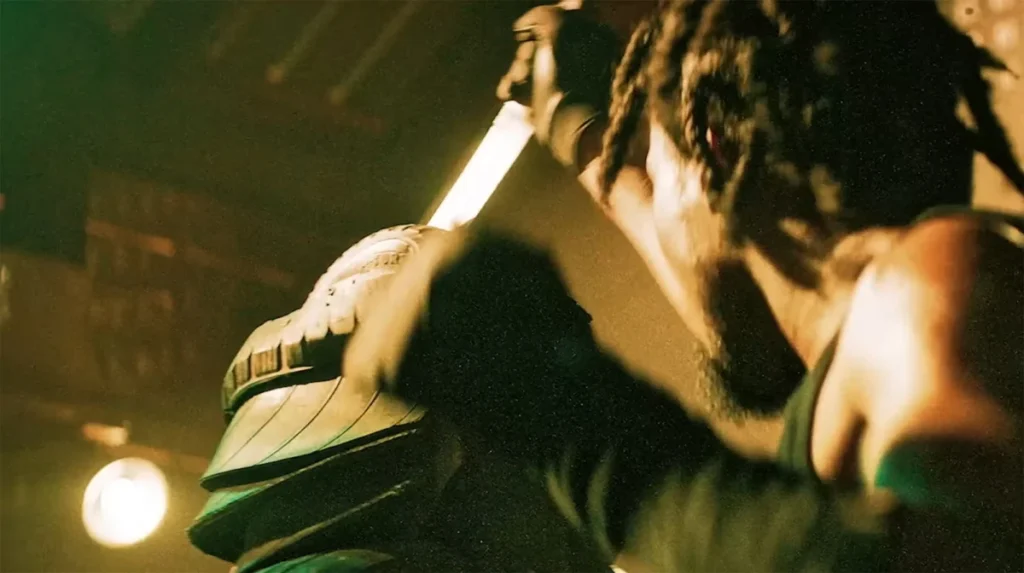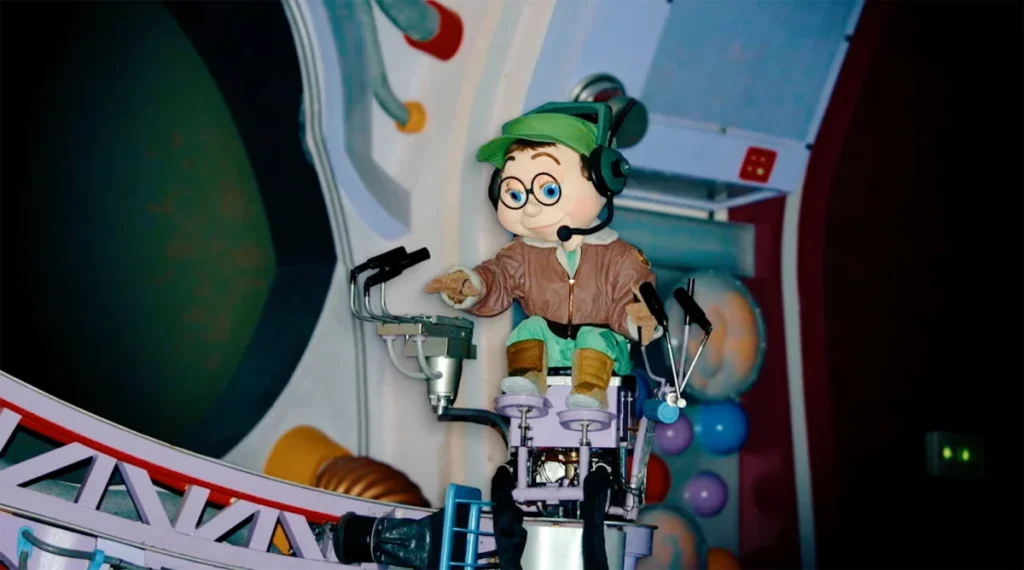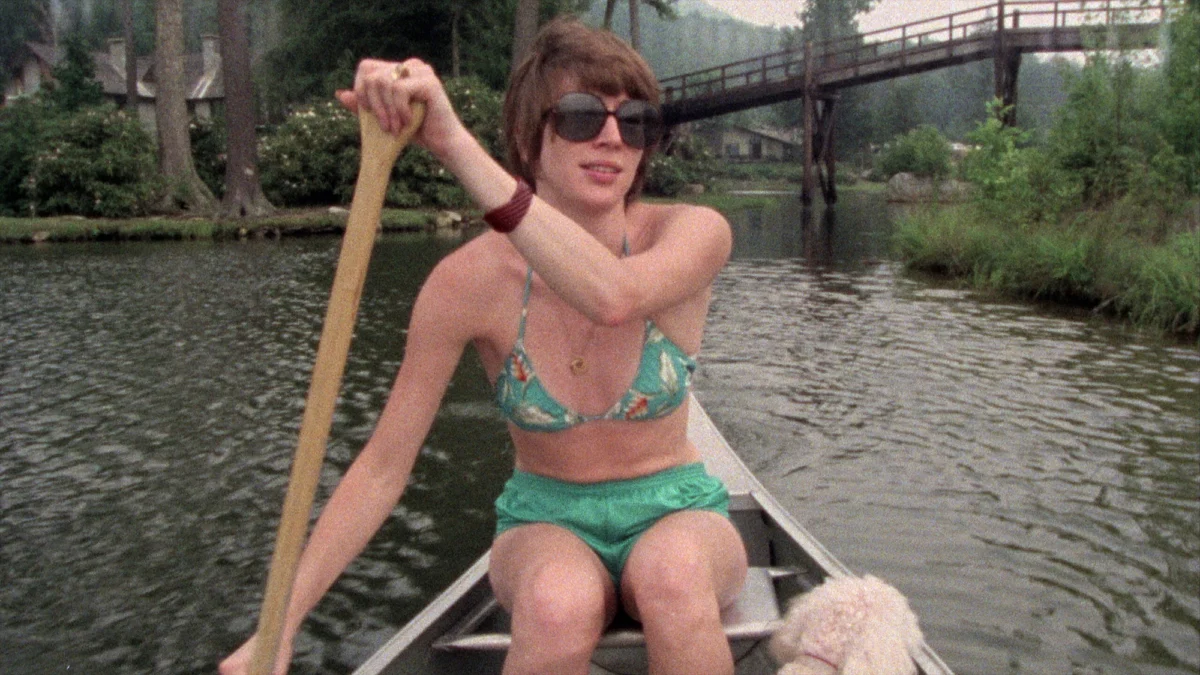
Music Box Films has officially announced the theatrical re-release of Ross McElwee’s seminal 1986 documentary, Sherman’s March, featuring a comprehensive 4K restoration to commemorate the film’s 40th anniversary. The restored version of the film, which remains a cornerstone of first-person non-fiction filmmaking, is scheduled to debut in select theaters across the United States starting July 3, 2026. This re-release coincides with the premiere of McElwee’s latest project, Remake, a retrospective documentary that examines the four decades of his life and career following the events of the original film. By presenting both films in tandem, the distributor aims to provide audiences with a profound longitudinal study of the filmmaker’s evolution and the enduring legacy of the autobiographical documentary genre.
The Genesis and Evolution of Sherman’s March
Originally titled Sherman’s March: A Meditation on the Possibility of Romantic Love in the South During an Era of Nuclear Weapons Proliferation, the film began as a conventional historical project. Ross McElwee, an acclaimed American filmmaker and graduate of the MIT Film Section where he studied under cinema verité pioneers Richard Leacock and Ed Pincus, received a Guggenheim Fellowship to track the path of Union General William Tecumseh Sherman’s 1864 "March to the Sea." The original intent was to document the lingering psychological and physical scars left by the American Civil War on the Southern landscape.
However, the production took a radical turn when McElwee’s personal life intervened. Shortly before filming began, McElwee experienced a significant romantic breakup. Finding himself unable to focus solely on the historical narrative of the 19th-century military campaign, he turned his 16mm camera toward his own life and the various women he encountered while traveling through the South. This shift from historical inquiry to personal memoir effectively birthed a new subgenre of documentary filmmaking, characterized by the filmmaker serving as both the narrator and the central protagonist.
The film’s unique structure follows McElwee as he attempts to complete his historical research while simultaneously searching for romantic connection. The resulting narrative is a blend of travelogue, romantic comedy, and sociological study, capturing the eccentricities of the "New South" during the mid-1980s.

Chronology of Recognition and Cultural Impact
The trajectory of Sherman’s March from an independent 16mm project to a preserved cultural artifact is marked by several key milestones:
- 1985–1986: The film saw its initial limited screenings and made its formal debut at the 1986 USA Film Festival. It quickly garnered attention for its unconventional blend of humor and vulnerability.
- 1987: Sherman’s March premiered at the Sundance Film Festival, where it won the Grand Jury Prize in the Documentary category. This accolade solidified its status as a significant work of American independent cinema.
- 1988–1990: The film enjoyed a successful run in art-house theaters and on public television, developing a cult following among students of film and sociology.
- 2000: The Library of Congress selected Sherman’s March for preservation in the National Film Registry. The Registry honors films that are "culturally, historically, or aesthetically significant," placing McElwee’s work alongside the most influential titles in cinematic history.
- 2026: Music Box Films undertakes a 4K restoration from the original camera negatives to celebrate the 40th anniversary, ensuring the film’s longevity for modern digital projection standards.
Narrative Subjects and the "Greek Chorus" of the South
Central to the enduring appeal of Sherman’s March are the women McElwee profiles during his journey. Rather than being mere caricatures, the subjects are portrayed with what critics have described as "novelistic sensitivity." These figures include:
- Pat: An aspiring actress in transit to Los Angeles, whose dreams of stardom and admiration for Burt Reynolds provide a window into the intersection of Southern identity and Hollywood aspirations.
- Claudia: A professional interior designer who navigates the world on roller skates, embodying the quirky individualism that McElwee captures throughout the film.
- Jackie: An anti-nuclear activist whose concerns regarding the Cold War and the proliferation of weapons of mass destruction mirror McElwee’s own existential anxieties during the 1980s.
- Charleen Swansea: A former student of Ezra Pound and a long-time mentor to McElwee. Swansea acts as a "one-woman Greek chorus," providing unsolicited, often blunt advice on McElwee’s romantic life and his filmmaking process.
The interactions between McElwee and these subjects are often characterized by a "productive awkwardness." His presence behind the camera—and his frequent attempts to woo his subjects while filming them—creates a meta-narrative about the ethics of observation and the difficulty of authentic human connection in a mediated age.
Technical Details of the 4K Restoration
The 2026 re-release is the result of a meticulous restoration process designed to preserve the aesthetic qualities of 16mm film while enhancing the viewing experience for contemporary audiences. Because Sherman’s March was shot on 16mm, the original footage possesses a distinct grain and color palette that defines its "slice of life" feel.
The restoration team at Music Box Films worked to stabilize the image, remove decades of dust and scratches, and perform a color grade that remains faithful to the original 1986 presentation. The transition to 4K allows for a level of detail that was previously unavailable in home video or standard-definition broadcasts, highlighting the nuances of the Southern landscapes and the intimate facial expressions of the film’s subjects. The audio has also undergone a digital cleanup to ensure that McElwee’s signature deadpan narration and the ambient sounds of the Southern environment are clear and immersive.

Influence on Modern Media and First-Person Filmmaking
Industry analysts frequently cite Sherman’s March as a precursor to the "personal essay" style of documentary that became prevalent in the 1990s and 2000s. Before the advent of reality television or the ubiquitous "vlog" format of the internet era, McElwee demonstrated that the mundane details of a filmmaker’s personal life could hold universal appeal when framed through a specific intellectual and emotional lens.
Filmmakers such as Michael Moore, Morgan Spurlock, and Andrew Jarecki have all utilized variations of the "first-person" technique pioneered by McElwee. However, whereas later iterations of the genre often leaned toward political provocation or sensationalism, McElwee’s work is noted for its gentle humanism and self-deprecating humor. The film’s influence extends into the realm of scripted "mockumentaries" and autobiographical fiction, where the line between the creator and the subject is intentionally blurred.
Official Responses and Theatrical Rollout
Representatives from Music Box Films have expressed that the decision to re-release Sherman’s March was driven by a desire to introduce a new generation of cinephiles to McElwee’s work. In a statement regarding the restoration, the distributor noted that the film remains "startlingly modern" in its exploration of anxiety, dating rituals, and the search for historical meaning in a rapidly changing world.
The theatrical rollout on July 3, 2026, is strategically timed to coincide with the summer festival season and the release of Remake. By positioning the 4K restoration as a "must-watch" event, Music Box Films seeks to capitalize on the current trend of "slow cinema" and the resurgence of interest in analog-shot documentaries. The film will play in major metropolitan markets, including New York, Los Angeles, and Chicago, before expanding to university towns and regional art-house circuits.
Broader Implications for Film Preservation
The 40th-anniversary release of Sherman’s March underscores the growing importance of preserving independent documentaries. Unlike major studio productions, independent films from the 1980s often face significant hurdles regarding rights management and the physical deterioration of film stock. The investment in a 4K restoration for a documentary of this nature signals a commitment to maintaining the diversity of the American cinematic canon.

As the film industry continues to grapple with the shift toward streaming and digital-first releases, the theatrical return of Sherman’s March serves as a reminder of the communal experience of cinema. The film’s themes of nuclear anxiety and romantic uncertainty, while rooted in the 1980s, continue to resonate in a contemporary landscape defined by different but equally pressing existential concerns.
For scholars and enthusiasts of the documentary form, the return of Ross McElwee’s masterpiece provides an opportunity to reassess the boundaries of the genre. Sherman’s March is not merely a film about a general or a series of failed dates; it is a profound exploration of how individuals construct their own histories out of the fragments of their lives. With its pristine new restoration, the film is poised to continue its legacy as a foundational text in the history of non-fiction cinema.