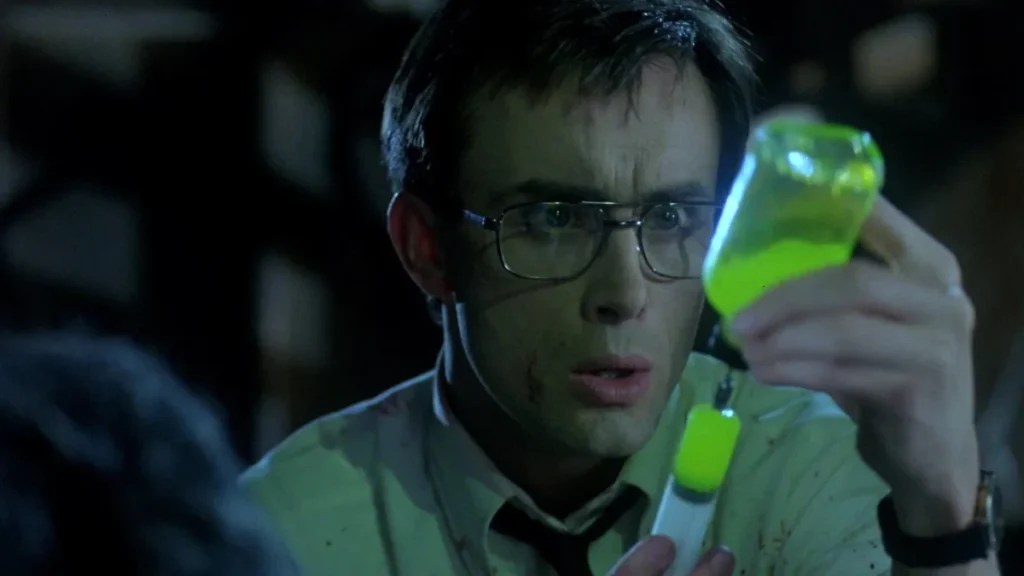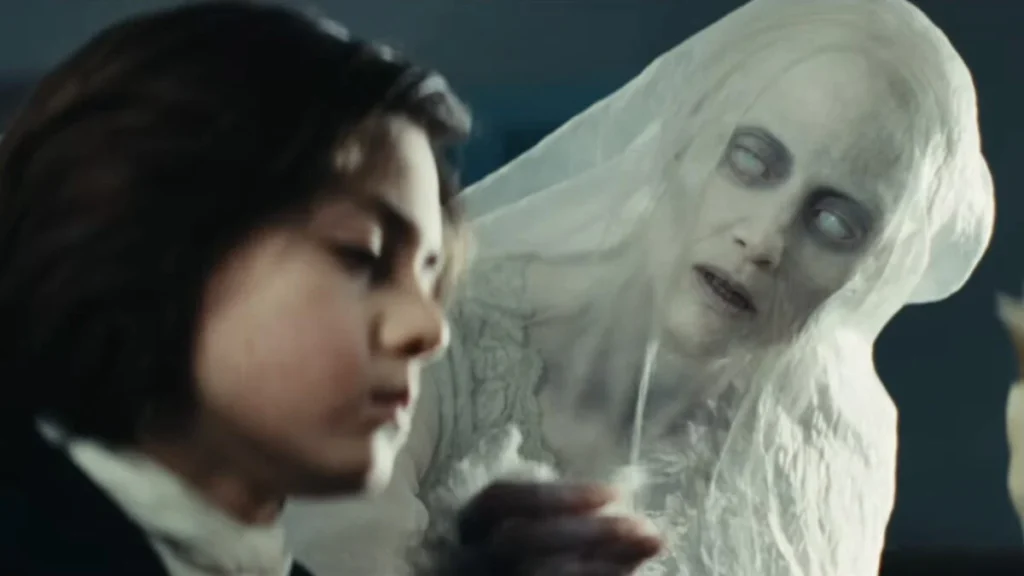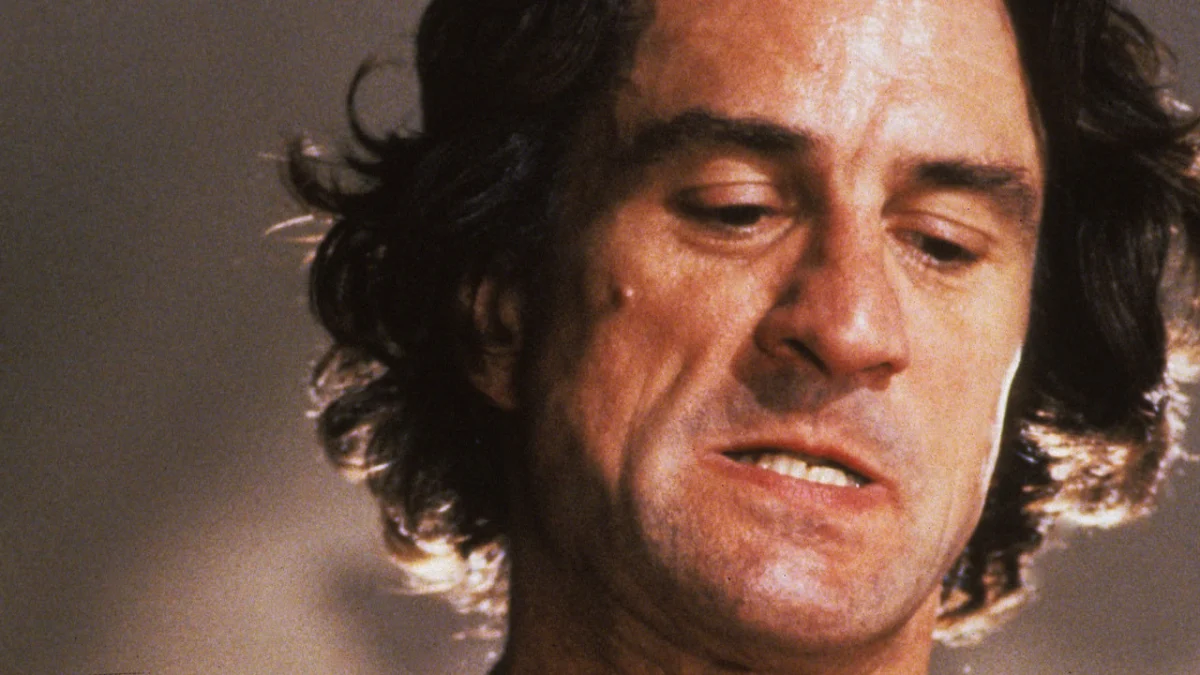
Robert De Niro’s portrayal of Max Cady in Martin Scorsese’s 1991 film Cape Fear remains a benchmark in cinematic villainy, a performance that continues to haunt audiences and redefine the boundaries of on-screen terror. While De Niro’s extensive filmography boasts numerous iconic roles that have tested viewers’ nerves—from the unhinged vigilante Travis Bickle in Taxi Driver to the tormented boxer Jake La Motta in Raging Bull and the formidable mob boss Al Capone in The Untouchables—it is his embodiment of the vengeful Cady that solidifies his status as a master of the macabre. His chilling presence in various horror and thriller films, including Angel Heart, Frankenstein, and Hide and Seek, further underscores his versatility in exploring the darker facets of human nature. Even his comedic turn as the overbearing father-in-law in Meet the Parents carried an unsettling intensity that lingered long after the credits rolled.
The recent premiere of Apple TV+’s new Cape Fear series, spearheaded by showrunner Nick Antosca, has reignited discussions surrounding the enduring power of this narrative. Executive-produced by Martin Scorsese himself, the new adaptation endeavors to amplify the shock and gore, opening with a stark visual of blood splattered across a wall. While this iteration, featuring Javier Bardem as the new Max Cady, aims to elevate the premise with heightened violence, the review notes that it struggles to reach the profound impact of De Niro’s original performance. Bardem’s Cady is described as a more subdued and calculated figure, possessing a smooth, almost satanic charm. However, the sentiment expressed is that while Bardem is an exceptional actor, De Niro’s Cady was a seismic event in cinema, a performance so potent that it continues to be referenced, parodied, and analyzed decades later due to its sheer effectiveness in generating fear.
The Genesis of a Monster: Max Cady’s Release
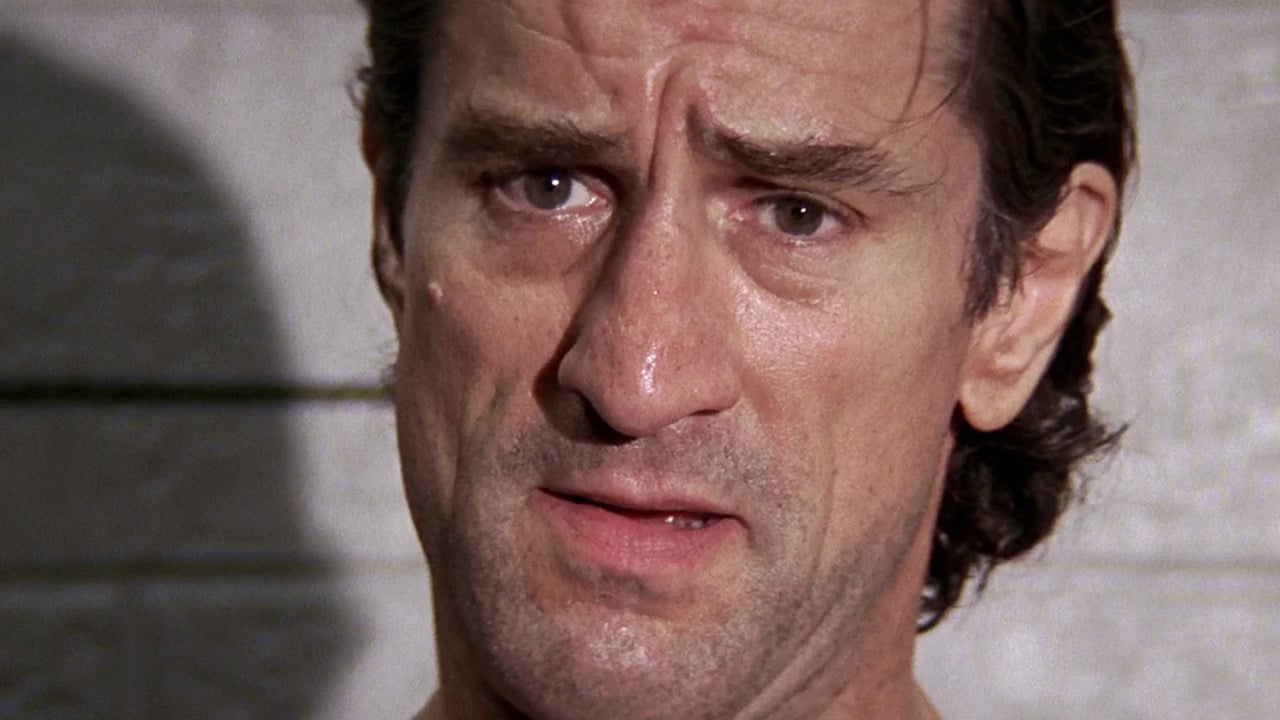
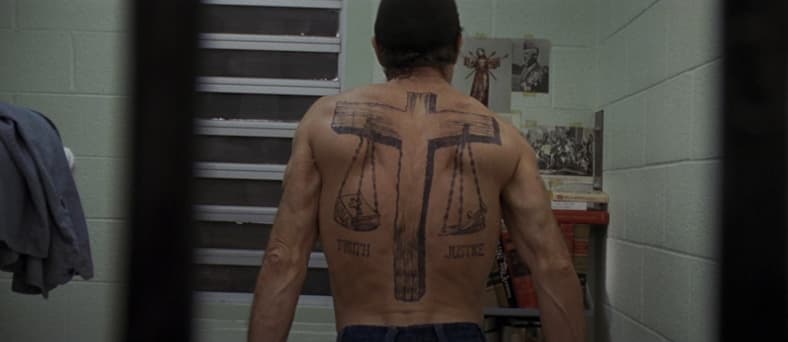
The narrative of Cape Fear hinges on the release of Max Cady, a man consumed by a singular, all-encompassing desire for retribution. The film’s opening scenes meticulously detail Cady’s physical and psychological state as he prepares to re-enter society after fifteen years of incarceration. His lean, powerful physique, honed through relentless prison workouts, is juxtaposed with the stark, declarative tattoos of "Truth" and "Justice" emblazoned across his back. These are not mere body art; they represent a twisted moral code and a mission that has become the entirety of his existence. Cady’s interpretation of truth and justice, however, is far removed from any conventional understanding, aligning instead with his own deeply ingrained grievances.
The visual staging of Cady’s release is a masterclass in atmospheric horror. As he walks out of the prison gates, a violent lightning storm rages overhead, casting an ominous Southern Gothic aura over the scene. The camera’s low-angle perspective emphasizes Cady’s imposing presence, bathed in the stark, electric glow of the lightning. This imagery transforms him from a mere man into a primal force, a monstrous entity unleashed from its confinement. He is depicted as a vampire escaping its tomb, free to roam and exact his revenge upon those he believes wronged him. This introduction immediately establishes Cady as a figure of dread, a nightmare incarnate poised to disrupt the lives of his perceived tormentors.
The Flawed Justice System and the Catalyst for Vengeance
The primary target of Cady’s wrath is Sam Bowden, a lawyer played by Nick Nolte, whose professional negligence directly contributed to Cady’s prolonged imprisonment. Bowden, as Cady’s defense attorney, deliberately withheld crucial evidence from the court—specifically, information regarding the alleged victim’s promiscuous lifestyle. This detail, though irrelevant to the act of rape itself, was used to sway the jury and secure Cady’s conviction. The film powerfully critiques a flawed justice system that, at times, allows societal biases and victim-blaming to supersede the pursuit of true justice.

Scorsese’s direction here is not merely about depicting a crime; it is a pointed commentary on the systemic failures that allow such injustices to occur. The implication that a jury might dismiss rape charges based on a victim’s perceived behavior—the abhorrent notion of "she was asking for it"—is a deeply disturbing reality that the film confronts head-on. This societal failing, which continues to plague legal and social discourse, is what fuels Cady’s insatiable lust for vengeance. His grievance is not simply about serving time for a crime he maintains he did not commit, but about the betrayal by his own legal counsel, who prioritized winning the case over ensuring his client’s freedom, even if that client was a morally reprehensible individual. This ethical quandary faced by Bowden—upholding his duty to defend a client, however monstrous, versus ensuring an evil man is brought to justice—sets the stage for the cataclysmic consequences that follow.
The Terror Extends: Targeting the Family
Cady’s vindictiveness, however, does not stop at Sam Bowden. In a chilling escalation of his revenge plot, Cady systematically targets everyone Bowden holds dear, particularly his wife, Leigh (Jessica Lange), and their teenage daughter, Danielle (Juliette Lewis). The film’s most disturbing moments arise from Cady’s calculated manipulation of Danielle, exploiting her youthful innocence and vulnerability. Through a seductive blend of Southern charm and psychological manipulation, Cady gradually convinces the underage teenager that he is not the monster she has been led to believe. He masterfully engineers a twisted infatuation, forcing Danielle into a disturbing entanglement that blurs the lines between victim and willing participant.
One particularly harrowing scene involves Cady posing as a teacher to lure Danielle to the deserted school theater. The shock of his deception momentarily registers with Danielle, but she is quickly ensnared by Cady’s persuasive tactics. Their interaction culminates in a deeply unsettling kiss, a vile act that underscores Cady’s predatory nature and the audience’s dread of what further atrocities might unfold. De Niro’s performance in these moments is particularly effective; he possesses an uncanny ability to project menace through subtle expressions and a disarming smile that belies the imminent danger. This mastery of conveying violence through stillness and insinuation is a hallmark of his performance, transforming him into a truly terrifying presence. The scene’s disturbing realism serves as a stark reminder of Cady’s depravity and the lengths to which he will go to inflict psychological and emotional torment.
Societal Failures and the Echoes of Real-World Injustice
The film’s exploration of Cady’s manipulation of Danielle and the subsequent events resonate with broader societal issues concerning the justice system’s handling of sexual abuse cases. The narrative highlights the unfortunate reality that victims, particularly young women and girls, often face intense scrutiny and judgment when seeking justice. The implied question of "what was she wearing?" or "had she been drinking?" reflects a pervasive culture of victim-blaming that can deter individuals from coming forward.
This theme is powerfully illustrated through the character of Lori (Illeana Douglas), Sam Bowden’s mistress. After being dismissed by Bowden, Lori encounters Cady in a bar, a meeting orchestrated by Cady himself. He seduces her, manipulates her into a compromising situation, and then unleashes his violence. The terror is amplified by De Niro’s sudden shift from charming manipulator to raging attacker. However, the true horror emerges from Lori’s subsequent decision not to press charges. Working within the court system, she understands the invasive and often re-traumatizing process of legal proceedings. The fear of being judged, of having her own actions scrutinized, and of the implications that the assault was somehow her fault, leads her to forgo seeking justice. This decision underscores the systemic failures that allow perpetrators like Cady to operate with impunity, their reign of terror extending far beyond individual incidents.
Cady as a Symbol of American Rage
Beyond his role as a personal antagonist and a symbol of a failing justice system, Max Cady transcends his individual character to become a potent symbol of American rage and societal decay. Scorsese uses the iconic imagery of Cady observing the Bowden home amidst the backdrop of Fourth of July fireworks not just for its aesthetic impact but to underscore a deeper, more unsettling message. This scene forces audiences to confront the uncomfortable truth that Cady is not merely an isolated evil but a product of a system rife with corruption and moral ambiguity.

Cady embodies the raw, often violent undercurrents that run through American society. He represents the unfiltered hate, the madness, and the destructive impulses that simmer beneath the surface. His actions mirror the pervasive violence found in communities across the United States, highlighting a societal sickness that often goes unaddressed. The film culminates in a brutal confrontation that pushes Sam Bowden to his own violent limits, a desperate struggle against the monster that has invaded his life. The final image of De Niro’s Cady, sinking into the river, his eyes fixed on Bowden, on the audience, and on the very soul of America, is a chilling testament to his insatiable hatred. He offers no plea for help, no sign of remorse, only a profound, unending animosity.
De Niro’s Legacy of Terror
Throughout his illustrious career, Robert De Niro has explored the depths of human depravity, embodying mob bosses, assassins, obsessive fans, and psychopathic vigilantes. His characters are frequently driven by greed, corruption, and violence, and in each role, De Niro possesses an unparalleled ability to grip audiences and heighten their emotional responses. However, it is his portrayal of Max Cady that stands as his most terrifying achievement. The performance is so profoundly unsettling that it lingers long after the viewing experience, leaving audiences with a sense of unease that persists for weeks.
In Cady, De Niro held up a mirror to society, reflecting the darkest aspects of human nature and the systemic flaws that allow them to fester. His portrayal exposed the horrors that lurk beneath the veneer of civility, daring audiences to confront them. This performance cemented De Niro’s status as a master of cinematic terror, an actor who can delve into the abyss of the human psyche and emerge with a character so deeply and utterly terrifying that he remains unforgettable. The enduring impact of Max Cady is a testament to De Niro’s unparalleled skill and his willingness to explore the most unsettling corners of the human condition.