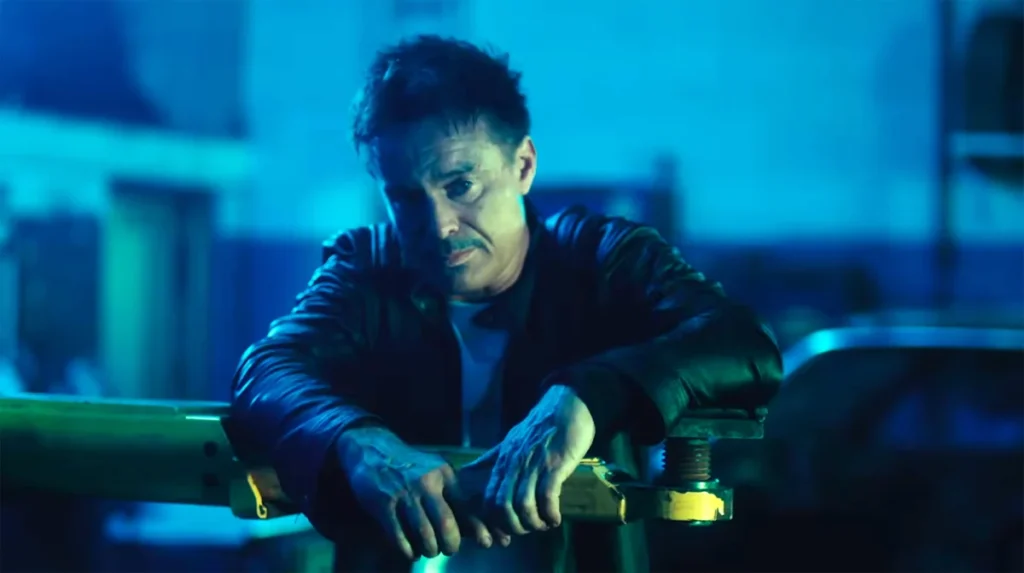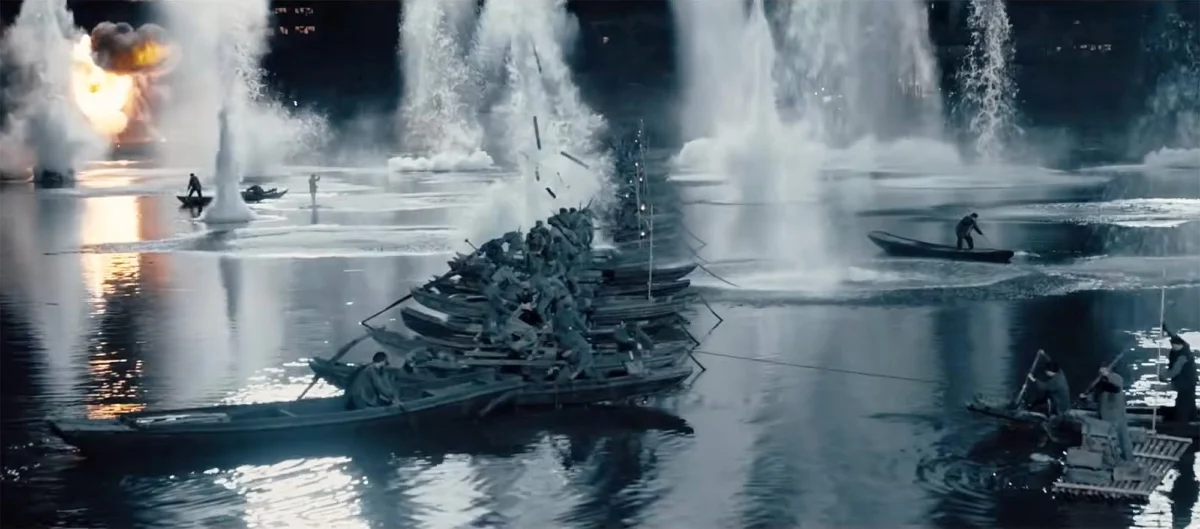
Well Go USA has officially unveiled the trailer for the upcoming historical war drama Crossing, also known as Four Crossings, signaling the film’s arrival in North American theaters on July 10, 2026. Directed by acclaimed filmmaker Xu Zhanxiong, the production serves as a large-scale cinematic retelling of the Battle of Chishui River, a pivotal military operation that occurred during the Chinese Red Army’s Long March in the mid-1930s. The film arrives in the United States following its domestic premiere in China, aiming to capture the attention of international audiences through its blend of high-octane combat sequences and intimate human storytelling.
The narrative of Crossing centers on a desperate period for the Chinese Red Army in 1935. Following a devastating loss at the Xiang River, the remaining forces found themselves pursued by a massive coalition of approximately 400,000 enemy troops. The film explores the strategic genius of the leadership during this time, specifically the decision to cross the Chishui River four times to confuse and outmaneuver the encircling forces. Amidst the grand strategy, the screenplay by Yi Liu focuses on the personal stakes of the conflict, following an aging veteran bound by a sacred vow and a young, homeless orphan who becomes entangled in the frontlines of the war.
Historical Context: The Battle of Chishui River
To understand the scope of Crossing, it is essential to examine the historical reality of the Battle of Chishui River, which took place between January and March 1935. This period is regarded by military historians as one of the most brilliant examples of guerrilla warfare and tactical maneuvering in modern history. At the time, the Red Army was in the midst of the Long March—a massive military retreat to evade the pursuit of the Kuomintang (KMT) forces.
The "Four Crossings" refers to the specific maneuvers led by Mao Zedong, who had recently regained a leadership position following the Zunyi Conference. The strategy was born out of necessity; the Red Army was heavily outnumbered and trapped in a mountainous region with limited resources. By crossing the Chishui River four times in rapid succession, the Red Army was able to lead the KMT forces on a fruitless chase, eventually breaking the encirclement and moving toward the relative safety of northern China.

The film meticulously recreates these maneuvers, emphasizing the physical toll the march took on the soldiers. The terrain of the Guizhou and Sichuan provinces serves as more than just a backdrop; the treacherous river currents and steep cliffs are presented as secondary antagonists that the characters must overcome alongside the opposing army.
Production Scale and Directorial Vision
Director Xu Zhanxiong, known for his work on The Pioneer and Wild Grass, brings a stylistic intensity to Crossing. Unlike traditional war biopics that focus solely on the high command, Xu’s vision for this film integrates the "Main Melody" style of Chinese filmmaking—patriotic, large-scale, and emotionally resonant—with a gritty, ground-level perspective.
The production utilized thousands of extras and extensive practical effects to simulate the massive scale of the 400,000-troop encirclement. The cinematography emphasizes the contrast between the vast, sweeping landscapes of the Chinese interior and the claustrophobic, mud-caked reality of the trenches. According to production notes, the film’s creative team sought to balance the "remarkable achievements" of historical figures with the "devotion and sacrifice" of the common soldier, a theme reflected in the trailer’s opening narration.
The casting of Ye Liu, Lei Wang, Yosh Yu, and Zhifei Wang brings a mix of veteran gravitas and youthful energy to the project. Ye Liu, in particular, has a storied career in Chinese cinema, often portraying complex figures in historical dramas. His performance in Crossing is expected to anchor the film’s emotional core, bridging the gap between the tactical maneuvers of the generals and the survival instincts of the rank-and-file infantry.
Chronology of Events in the Film
The film’s structure follows a chronological progression of the 1935 campaign, divided into several key movements that mirror the historical four crossings:

- The Aftermath of Xiang River: The film opens with the Red Army in a state of disarray following a brutal defeat, establishing the high stakes and the looming threat of the 400,000-strong enemy force.
- The First Crossing: Early tactical decisions are made to cross the Chishui River westward, attempting to enter Sichuan, which results in initial contact with enemy outposts.
- The Second and Third Crossings: These segments highlight the "feint" maneuvers. The army moves back and forth across the river to divide the enemy’s attention and create gaps in their defensive lines.
- The Fourth Crossing: The climax of the film involves the final, successful breakthrough where the Red Army manages to slip past the main body of the KMT forces, securing their path toward the Jinsha River.
- Personal Resolution: Interwoven with these military milestones is the evolving relationship between the veteran and the orphan, concluding with a thematic exploration of what it means to survive for a cause greater than oneself.
Market Analysis and Global Distribution
The decision by Well Go USA to bring Crossing to the North American market reflects a continuing trend of distributing high-budget Chinese "Main Melody" films to international audiences. In recent years, films such as The Battle at Lake Changjin and The Wandering Earth have seen limited but significant theatrical runs in the United States, primarily targeting the Chinese diaspora and enthusiasts of military history.
Well Go USA has established itself as the premier distributor for East Asian cinema in North America. By scheduling Crossing for a July 10 release, the distributor is placing the film in the heart of the summer blockbuster season, albeit in a limited theatrical capacity. This strategy often precedes a wider digital and physical media release, allowing the film to build word-of-mouth among critics and genre fans.
Data from previous releases suggests that while these films face challenges in mainstream Western markets due to their specific historical and political contexts, they perform exceptionally well in specialty theaters in major metropolitan areas such as New York, Los Angeles, and Vancouver. The high production values—comparable to Hollywood war epics like Saving Private Ryan or Dunkirk—serve as a major selling point for domestic viewers who may not be familiar with the specific history of the Long March.
Official Responses and Industry Implications
While official statements from the director have focused on the "universal themes of sacrifice," industry analysts view Crossing as a significant cultural export. A representative from the production’s international marketing arm noted that the film aims to "provide a human face to a legendary military feat," emphasizing that the bond between the veteran and the orphan was designed to resonate with audiences regardless of their nationality.
Critics within the Chinese film industry have praised Xu Zhanxiong for his ability to handle "big-picture" history without losing sight of character development. The film’s release in China, occurring just prior to the US debut, is expected to generate substantial box office revenue, bolstered by state-supported screenings and patriotic sentiment.

The broader implications of the film’s international release touch upon the concept of "soft power." By exporting high-quality historical dramas, the Chinese film industry seeks to normalize its historical narratives on a global stage. However, for the average cinema-goer, the draw remains the spectacle of the war movie genre. The trailer’s focus on pyrotechnics, massive troop movements, and high-stakes drama positions Crossing as a "must-watch" for fans of epic filmmaking.
Conclusion and Theatrical Outlook
Crossing represents a significant undertaking in the genre of historical war cinema. By focusing on the Battle of Chishui River, it tackles one of the most complex and celebrated chapters of Chinese military history. With the backing of Well Go USA and a July 10, 2026, release date, the film is poised to offer American audiences a window into a conflict that shaped the course of the 20th century in Asia.
As the theatrical landscape continues to evolve, the arrival of Crossing underscores the growing interconnectedness of the global film market. Whether viewed as a historical document, a patriotic tribute, or a technical masterpiece of war cinema, the film promises to deliver a scale of production rarely seen in contemporary independent distribution. Viewers interested in the intersection of history and epic storytelling can find further information and theater listings on the official Well Go USA website as the July release date approaches.