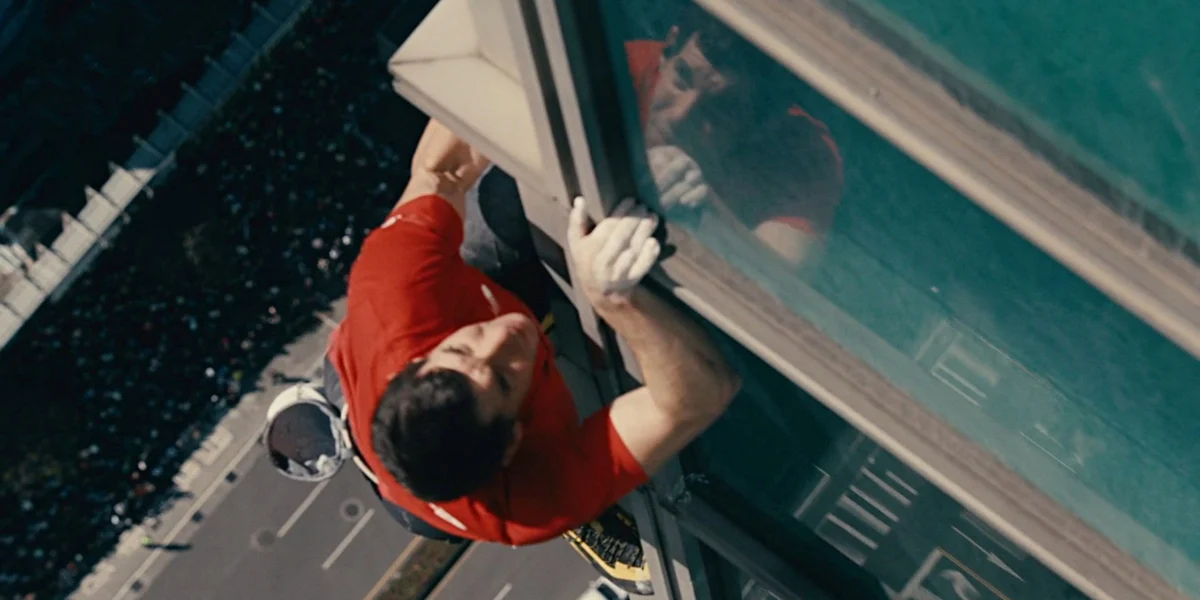
The landscape of live broadcasting and extreme sports reached a new zenith on January 25, 2026, as American professional climber Alex Honnold completed a free solo ascent of the Taipei 101 skyscraper in Taiwan. This high-stakes event, titled "Skyscraper Live," was produced by Netflix as part of the streaming giant’s aggressive expansion into live programming. Honnold, whose 2017 rope-less ascent of El Capitan was immortalized in the Academy Award-winning documentary Free Solo, transitioned from the granite walls of Yosemite to the glass and steel of one of the world’s most iconic urban structures. The event was not only a feat of human physical and mental endurance but also a significant technical milestone in the history of live television, utilizing a massive production crew and a panel of diverse experts to provide real-time analysis of the climb.
The Architectural Challenge of Taipei 101
Taipei 101, located in the Xinyi District of Taipei, stands as a marvel of modern engineering. At a total height of 508 meters (approximately 1,667 feet), it held the title of the world’s tallest building from 2004 until the completion of the Burj Khalifa in 2010. The structure is designed to resemble a stalk of bamboo, featuring eight distinct segments of eight floors each. This "8" motif is a nod to financial prosperity in Chinese culture, but for a climber, these segments represent repetitive, grueling physical hurdles.
The exterior of the building is composed of double-pane green glass curtain walls, which offer high UV protection and heat resistance but provide a unique challenge for a free soloist. Unlike natural rock, which offers cracks, crimps, and jugs, the surface of Taipei 101 is characterized by polished surfaces and structural joints. Honnold’s ascent required navigating the building’s "ribs" and the indentations between the massive glass panels. The humidity of Taipei and the potential for high-altitude wind gusts added layers of environmental complexity that are rarely found in the more predictable climates of North American climbing destinations.
The Production and Broadcasting Team
To manage the immense pressure of a live broadcast where the stakes were literally life or death, Netflix assembled a multi-disciplinary commentary team. The broadcast was anchored by veteran sports broadcaster Elle Duncan, whose experience in high-pressure live sports provided the necessary narrative structure. Joining her was Seth Rollins, a professional wrestler and entertainer known for his high-energy presence, who provided a perspective on the physical toll of extreme performance.
Technical climbing expertise was provided by Emily Harrington, one of the world’s most accomplished mountaineers and a peer of Honnold, alongside Pete Woods, a seasoned climbing broadcaster. To bridge the gap between sports and science, the production included YouTuber and former NASA engineer Mark Rober. Rober’s role was to explain the physics of the climb, including the friction coefficients of Honnold’s specialized rubber shoes against the building’s facade and the aerodynamic forces Honnold faced as he climbed higher into the atmospheric "boundary layer" of the city.
Chronology of the Ascent
The event commenced at dawn in Taipei to take advantage of the cooler morning temperatures and relatively calmer winds. The broadcast began with a retrospective of Honnold’s training, which reportedly involved months of practicing on simulated glass surfaces and studying the architectural blueprints of Taipei 101.
- The Lower Tiers (Floors 1–25): The first hour of the climb saw Honnold moving with deceptive speed. This section of the building is characterized by the widest base and the most stable air. Honnold utilized the vertical mullions of the glass panels to maintain a steady rhythm.
- The Mid-Section Transition (Floors 26–60): As Honnold reached the middle segments, the wind began to pick up. The commentary team noted a visible shift in his pace as he navigated the outward-sloping "waist" of each eight-story segment. It was during this phase that Mark Rober provided a visual breakdown of the building’s Tuned Mass Damper (TMD), a 660-metric-ton steel pendulum located between the 87th and 92nd floors, which keeps the building from swaying excessively.
- The Upper Segments and Spire (Floors 61–101): The final 150 meters were the most precarious. The air thinned slightly, and the wind speeds at the corners of the building reached 35 knots. Honnold appeared focused, utilizing "friction hitches" with his hands on the metal framing.
- The Summit: Honnold reached the outdoor observatory deck to the cheers of a small, socially distanced group of officials and the collective relief of millions of viewers worldwide. The total ascent time was approximately three hours and forty minutes.
Technical and Safety Data
The "Skyscraper Live" production utilized over 40 4K-resolution cameras, including several "follow-drones" equipped with silent rotors to avoid distracting the climber. Honnold wore a series of biometric sensors that transmitted his heart rate and oxygen saturation levels to the broadcast team in real-time. Interestingly, data showed that Honnold’s heart rate remained remarkably stable, rarely exceeding 110 beats per minute, even during the most exposed sections of the climb—a testament to his legendary psychological composure.

Safety protocols for the event were rigorous, though they did not include a safety rope for Honnold himself, as that would negate the "free solo" nature of the feat. Instead, the "safety" measures were focused on the public and the structure. The area surrounding the base of the building was cordoned off by Taipei police, and the building’s management team ensured that all exterior window-washing tracks were clear of debris.
Official Responses and Public Reaction
The event drew immediate reactions from the global climbing community and government officials. The Taiwan Ministry of Culture released a statement shortly after the climb, noting that while they do not usually encourage such high-risk activities, they recognized the event as a "monumental display of human potential" that brought global attention to Taipei’s architectural heritage.
Climbing organizations, however, remained divided. While many praised Honnold’s skill, some expressed concern that "Skyscraper Live" might inspire untrained individuals to attempt "buildering" (urban climbing) without the necessary expertise. In response to these concerns, the broadcast included several segments emphasizing the years of professional training required to attempt such a feat and the illegality of unauthorized urban climbing.
Netflix executives have expressed satisfaction with the viewership numbers, which reportedly rivaled major international sporting events. The success of "Skyscraper Live" is seen as a validation of Netflix’s investment in live "event-based" television, moving away from a purely on-demand model to capture the "appointment viewing" market.
Broader Impact and Industry Implications
The success of "Skyscraper Live" has significant implications for the future of sports media and the streaming industry. By successfully executing a live, high-risk event in a foreign territory, Netflix has demonstrated a logistical capability that rivals traditional networks like NBC or ESPN. The inclusion of figures like Mark Rober and Seth Rollins suggests a new formula for sports broadcasting: blending technical expertise with "infotainment" to appeal to a broader demographic than just climbing enthusiasts.
Furthermore, the event is being heavily positioned for the upcoming Emmy Awards. The technical achievement of maintaining a stable, high-definition live feed from the side of a skyscraper, combined with the compelling narrative of Honnold’s "man against the machine" struggle, makes it a strong contender in the Outstanding Live Special and Outstanding Technical Direction categories.
For Alex Honnold, the Taipei 101 climb adds another chapter to a career defined by pushing the limits of the possible. In an interview with The Next Best Picture Podcast, hosted on the Evergreen Podcasts Network, Honnold discussed the specific sensations of the climb, noting the difference between the "living" feel of a mountain and the "sterile, mathematical" feel of a skyscraper. He emphasized that while the materials are different, the mental game remains the same: managing fear through meticulous preparation.
As "Skyscraper Live" continues to stream on Netflix, it serves as a historical document of a moment when technology, architecture, and human daring converged. The event has redefined the boundaries of what can be broadcast live and has set a new benchmark for urban exploration. Whether this leads to a new era of televised "extreme stunts" remains to be seen, but for now, the image of a lone figure clinging to the glass spire of Taipei 101 remains a definitive image of 21st-century ambition.