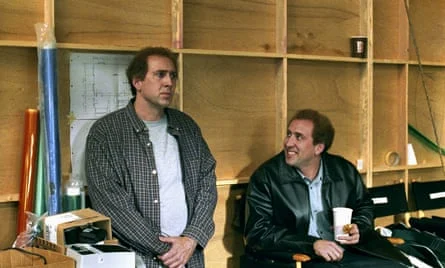
Seventy-five years ago, the Festival of Britain offered a vision of a modern, forward-looking nation emerging from the austerity of the second world war. This pivotal moment in post-war reconstruction coincided with a significant cultural shift in the United States: the emergence of the "teenager" as a distinct social and economic demographic. For the first time, young people were being recognized as a unique group with their own evolving tastes, fashions, anxieties, and aspirations, a phenomenon that would soon ripple across the globe and profoundly influence British society and its cultural output. This historical juncture serves as the thematic anchor for "Rip It Up," a comprehensive nationwide season spearheaded by the BFI Film Audience Network, which delves into how British film and television have captured the multifaceted landscape of youth culture over seven decades. Running from May to October, the season promises a rich tapestry of screenings, archival discoveries, insightful talks, engaging live events, and, crucially, youth-led programming, charting a compelling journey from post-war rebellion and working-class aspirations to contemporary explorations of identity, belonging, and self-expression.
The Genesis of a Generation: Post-War Britain and the Dawn of Youth Culture
The Festival of Britain, launched in 1951, was a deliberate national effort to lift spirits and showcase British ingenuity and optimism following the devastation of World War II. It presented a curated image of a nation poised for progress, embracing scientific advancement, design, and a renewed sense of cultural identity. Concurrently, across the Atlantic, the post-war economic boom and the rise of mass media, particularly radio and the burgeoning film industry, began to coalesce around a growing population of young people. This demographic, with increasing disposable income and leisure time, started to forge their own cultural identity, distinct from their parents’ experiences. The advent of rock and roll music, Hollywood’s fascination with youthful rebellion in films like "Rebel Without a Cause," and the proliferation of teen magazines all contributed to the formal recognition of the teenager as a significant cultural force.

This nascent youth culture, characterized by its distinct music, fashion, and a spirit of questioning established norms, began to infiltrate British society. While Britain’s post-war recovery was more gradual and marked by continued austerity, the seeds of this new cultural phenomenon took root. Young Britons, exposed to American trends and developing their own unique expressions, started to challenge the prevailing social order. This period saw the emergence of youth subcultures that would become iconic, from the sharp-suited Teddy Boys to the rebellious rock and roll fans, all seeking to define themselves against the backdrop of a nation rebuilding and redefining its future.
"Rip It Up": A Cinematic Dialogue Across Decades
The "Rip It Up" season, meticulously curated by the BFI Film Audience Network, aims to illuminate this evolutionary trajectory through the powerful medium of film and television. Timon Singh, producer for the BFI Film Audience Network, emphasizes the season’s timely resonance, noting its alignment with the Southbank Centre’s 75th-anniversary celebrations of the Festival of Britain. "What we thought we’d do with ‘Rip It Up’ was celebrate how UK youth culture has changed over those 75 years," Singh explains. "The changing face of rebellion, culture, expression, the joy, the heartbreak, everything that goes into being young."
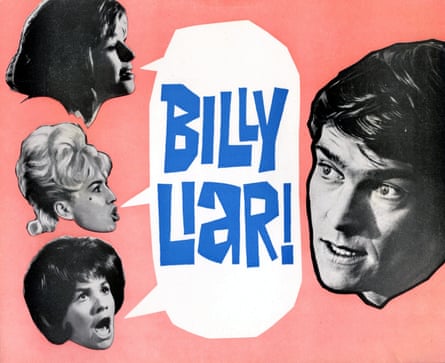
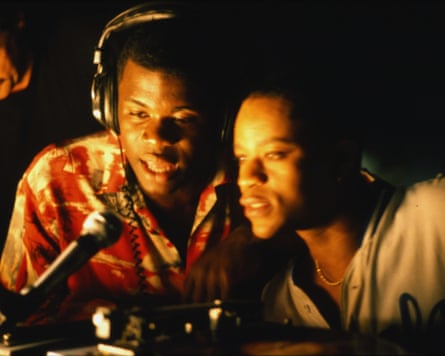
The programming thoughtfully navigates through key moments and movements that have shaped British youth identity on screen. A cornerstone of the season is the new 4K restoration of John Schlesinger’s seminal 1963 film, "Billy Liar." This film masterfully captures the palpable sense of youthful yearning and frustration against the perceived conformity and drabness of post-war Britain, portraying a young man’s elaborate fantasies as an escape from his mundane reality. Moving into the 1970s and 80s, the season highlights films that immortalized the visceral energy of youth subcultures. "Quadrophenia," released in 1979, vividly depicts the tribal rivalries and sartorial codes of the Mods and Rockers, while "Babylon" (1980) powerfully channels the frustrations and burgeoning creativity of Black British youth, intrinsically linked to the vibrant reggae sound system culture of the era. The liberating potential of nightlife and music scenes is further explored through films like "Human Traffic" (1999) and "Young Soul Rebels" (1991), showcasing how these spaces became crucial for identity formation and social connection.
However, the strength of "Rip It Up" lies in its deliberate refusal to present youth culture as a mere nostalgic procession of well-known subcultures. The season actively seeks to broaden the understanding of what constitutes youth experience, recognizing its fluidity and diversity.
Youth-Led Curation: Amplifying Contemporary Voices
A significant and innovative aspect of the "Rip It Up" season is its commitment to involving young people in shaping its programming. At BFI Southbank, a dedicated cohort of programmers, aged between 19 and 29, has spearheaded a "takeover" event. This initiative delves into contemporary themes that resonate deeply with today’s youth, exploring subjects as diverse as trans youth culture, the vibrant landscape of Black British fashion, the multifaceted phenomenon of female fandom, the pervasive influence of YouTube creators, and the increasingly significant realm of digital identities.
This youth-led curation provides invaluable insights into the current preoccupations of young people, revealing a landscape that has shifted significantly from the more clearly defined youth movements of previous decades. The discussions and program choices emerging from this group highlight an engagement with pressing social issues, including environmental activism, the evolving understanding of LGBTQ+ experiences, and the formation of communities within online spaces. These concerns often appear less tied to a single, monolithic scene or stylistic allegiance and are instead intrinsically connected to broader questions of identity, representation, and societal belonging. This approach ensures that "Rip It Up" is not just a retrospective but a dynamic conversation that bridges generational divides.
Enduring Legacies and Evolving Narratives: From "Bend It Like Beckham" to "Ish"
The season also acknowledges the enduring appeal and cultural significance of films that have become touchstones for multiple generations, demonstrating how certain narratives transcend their original context. Gurinder Chadha’s beloved 2002 film, "Bend It Like Beckham," serves as a prime example. Over two decades since its release, this story of a British-Indian teenager navigating family expectations and her passion for football continues to captivate audiences, fostering intergenerational dialogue.
Chadha herself reflects on the film’s lasting impact: "People focus on youth rebellion as a whole and youth expression, but there’s so much nuance," she states. "It’s not just one thing. It’s lots of different things that you’re continually negotiating." She observes that screenings now frequently attract parents who first saw the film upon its release and are now introducing it to their own children. This creates a unique intergenerational exchange, where audiences connect with the film’s specific cultural context while also resonating with its universal themes of ambition, friendship, and the pursuit of self-determination. Chadha further posits that contemporary younger audiences exhibit a greater openness to narratives that foreground diverse perspectives and experiences. "People are much more open to seeing different stories and different voices represented on screen now," she notes. "Often people will enjoy what we call a coming-of-age film regardless of difference."
This evolving definition of the youth experience is further exemplified by one of the season’s more recent acquisitions. Imran Perretta’s debut feature, "Ish" (2023), offers a poignant exploration of race, masculinity, and adolescence through the lens of two 12-year-old friends whose bond is tested following a police stop-and-search encounter. This film sits comfortably alongside established classics of British youth cinema while directly addressing the lived realities and challenges faced by young people today, underscoring the season’s commitment to contemporary relevance.

Challenging Hierarchies: Rebellion and Resistance Across the UK
The "Rip It Up" season also highlights how the concept of rebellion continues to resonate across diverse geographical and cultural landscapes within Britain. The Queen’s Film Theatre in Belfast has selected Lindsay Anderson’s iconic 1968 film, "If…," a surreal and anarchic boarding-school drama that depicts students violently revolting against authoritarian structures. Neil Cadieux, a programmer involved with the selection, finds power in the film’s portrayal of youthful resistance, even if its political message is deliberately ambiguous. "It often gets criticised for being a political film without a political point," he remarks. "But that’s kind of what I love about it." Cadieux argues that the film’s enduring appeal lies in its potent depiction of challenging established hierarchies, a theme that continues to strike a chord with contemporary audiences. While rooted in a specific English context, the film’s exploration of power dynamics and social structures found particular resonance in Northern Ireland, where similar hierarchies existed. "The same kind of hierarchies are there," Cadieux observes. "I think people respond to it on a personal level."
Regional Narratives and Cultural Visibility
Central to the broader ambitions of "Rip It Up" is the inclusion and celebration of regional perspectives. Film-maker Gwenno Llwyd Till is contributing an installation that specifically honors Welsh-language music culture. This multifaceted project will feature a rich collection of records, posters, memorabilia, and archival material, spotlighting influential artists such as Catatonia, Super Furry Animals, and Gorky’s Zygotic Mynci. For Llwyd Till, whose artistic practice often addresses concerns surrounding arts funding in Wales, this project is deeply significant for its contribution to cultural visibility. "The most important thing was having my language represented in an institution like the BFI," she states, emphasizing the crucial role of national institutions in validating and promoting diverse cultural expressions.
The Constant Search: Identity and Self-Expression in a Changing World
In its entirety, "Rip It Up" presents a nuanced and expansive view of youth culture, moving beyond rigid definitions to explore its myriad forms. While familiar cinematic tropes—scooters, football terraces, dance floors, and protests—are present, they are interwoven with contemporary narratives addressing migration, gender identity, racial experiences, linguistic diversity, and the impact of digital technologies.

What emerges is a compelling portrait of youth culture as a continuous process of reinvention. While the specific concerns, fashion trends, musical genres, and communication technologies may evolve with each passing generation, the fundamental human drive for belonging, identity, and self-expression remains remarkably constant. As "Rip It Up" traverses the nostalgic dreams of "Billy Liar," the energetic pulse of "Quadrophenia" and "Human Traffic," and the contemporary realities captured in films like "Rocks" and "Ish," it powerfully suggests that each generation finds its own unique ways to make its voice heard. Cinema, in turn, serves as an invaluable archive, documenting how these evolving voices have shaped the fabric of British society. The season, therefore, is not just a retrospective but a vital testament to the enduring power of youth to influence and redefine culture.