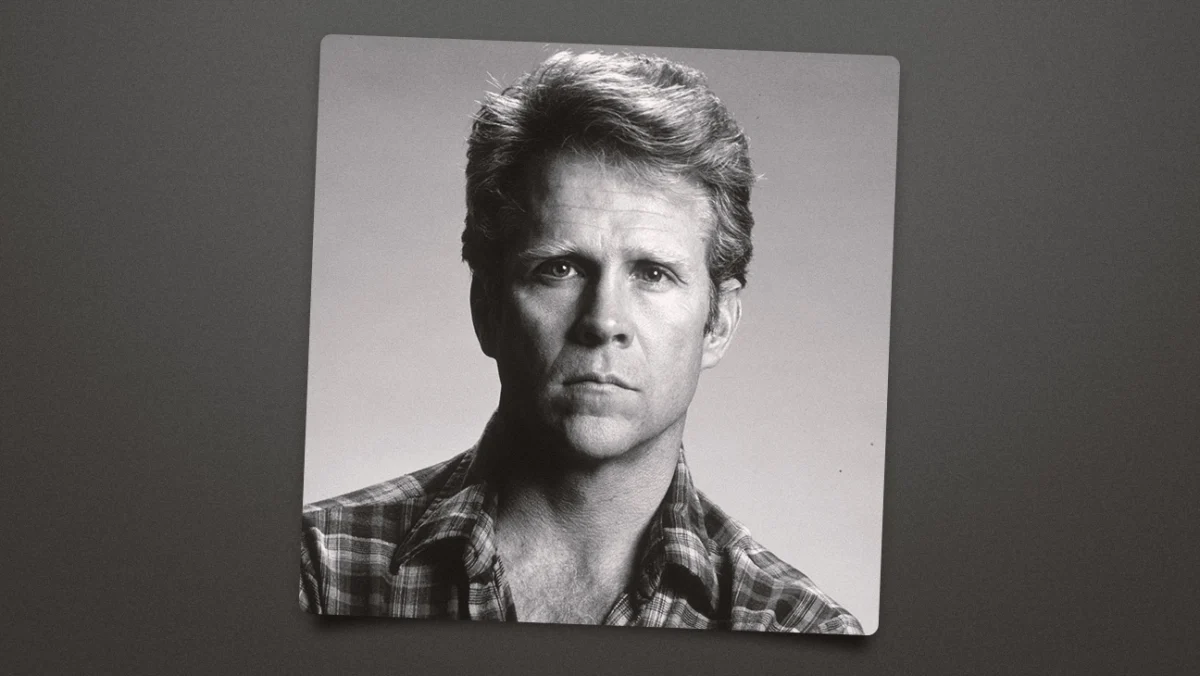
Tom Ligon, the versatile character actor whose career spanned over five decades across film, television, and Broadway, and who left an indelible mark with his poignant portrayal of backup catcher Piney Woods in the acclaimed 1973 baseball drama Bang the Drum Slowly, has passed away at the age of 85. Ligon’s death was officially reported on Monday by the SAG-AFTRA New York Local, an organization he served diligently in various leadership capacities for many years. His passing marks the end of a remarkable journey for an actor who consistently brought authenticity and depth to a diverse array of roles, from performing a soulful cowboy ballad alongside Robert De Niro to navigating complex love triangles in daytime soap operas and tackling gritty dramatic arcs in prestige television.
A Poignant Performance in "Bang the Drum Slowly"
Ligon’s role in Paramount’s Bang the Drum Slowly, directed by John D. Hancock, remains one of the most memorable of his career. The film, a tender and melancholic exploration of friendship, mortality, and the human condition set against the backdrop of professional baseball, garnered critical acclaim upon its release. Ligon portrayed Piney Woods, a backup catcher for the fictional New York Mammoths, a character who embodies a quiet strength and camaraderie within the team.
One of the film’s most touching scenes features Ligon, as Piney Woods, playing the guitar and singing the classic cowboy ballad “Streets of Laredo” (also known as “The Cowboy’s Lament”). This performance occurs in the New York Mammoths locker room during a rain delay, a moment of intimate reflection where his teammates, including a young Robert De Niro (playing the terminally ill starting catcher Bruce Pearson, suffering from Hodgkin’s disease), Michael Moriarty (as pitcher Henry Wiggen), and Danny Aiello, listen intently. The scene, imbued with a quiet dignity and profound sadness, perfectly encapsulates the film’s themes of camaraderie and the inevitable passage of life. Ligon’s heartfelt delivery of the song not only showcased his musical talent but also deepened the emotional resonance of a film that has since achieved cult classic status for its honest portrayal of human frailty and the bonds forged in shared experience. His performance in this film is frequently cited by critics and audiences as a highlight, underscoring his ability to convey complex emotions with understated power.
A Diverse Career Across Film
Beyond his iconic role in Bang the Drum Slowly, Ligon built a substantial filmography that showcased his range. His big-screen debut came in 1964 with Michael Roemer’s acclaimed drama Nothing But a Man. This independent film, starring Ivan Dixon and Abbey Lincoln, was a pioneering work in American cinema, offering a raw and honest portrayal of African American life in the segregated South. Ligon’s involvement in such a significant project early in his career speaks to his commitment to meaningful storytelling.
In 1969, he appeared as a naïve youngster in Joshua Logan’s musical western Paint Your Wagon, sharing the screen with Hollywood heavyweights Clint Eastwood and Lee Marvin. This role demonstrated his versatility, moving from serious drama to a more lighthearted, albeit robust, production. The early 1970s saw Ligon take on a series of distinctive roles, including starring as a spirited hillbilly demolition derby driver in 1971’s Jump, also known by its more evocative title Fury on Wheels. Two years later, he delved back into the world of car racing, appearing in The Last American Hero, a film starring Jeff Bridges that explored the life of a legendary stock car driver.
His film career continued through the decades with appearances in various genres. In 1977, he was part of the cast of Joyride, a crime drama. A particularly notable later film role was in the 1989 slasher film Cutting Class, where he played a character whose son was portrayed by an unknown, nascent talent named Brad Pitt. This film, now recognized for featuring Pitt in one of his earliest significant roles, is a testament to Ligon’s enduring presence in the industry, even as new generations of actors emerged. His consistent work in cinema, often in supporting but crucial roles, underscored his reliability and talent.
Television Roles: From Daytime Drama to HBO’s Gritty "Oz"

Ligon’s presence was equally felt on the small screen, where he navigated the demanding world of daytime soap operas and made memorable guest appearances on some of television’s most iconic series. From 1978 to 1982, he was a regular fixture on the CBS soap opera The Young and the Restless, where he played Lucas Prentiss. His character was notably involved in a complex love quadrangle, a common yet challenging narrative device in the genre, requiring sustained emotional performance over hundreds of episodes. Working on a soap opera demands incredible discipline, memorization skills, and the ability to maintain character continuity through rapidly developing storylines, all of which Ligon expertly managed for four years.
His later television work demonstrated his adaptability to evolving television landscapes. From 2001 to 2003, Ligon took on a recurring role as Alvin Yood, a small-town sheriff convicted of aggravated assault, on HBO’s critically acclaimed and groundbreaking prison drama Oz. This gritty, unflinching series was a benchmark for premium cable television, known for its complex characters and dark, realistic portrayal of life within a correctional facility. Ligon’s performance as Yood showcased his ability to inhabit darker, more nuanced roles, fitting seamlessly into the ensemble of a show celebrated for its ensemble acting and intense dramatic arcs.
Throughout his career, Ligon also made numerous guest appearances on a wide array of popular television shows, demonstrating his versatility across different formats and genres. These included medical dramas like Medical Center, crime procedurals such as Baretta, Police Woman, Starsky & Hutch, and Law & Order, and iconic dramas like Charlie’s Angels and Dallas. He also appeared in war-themed comedies like Baa Baa Black Sheep and more experimental fare like The Heart, She Holler. In addition to The Young and the Restless, he contributed to other daytime dramas, including Loving, Santa Barbara, Another World, and All My Children, further cementing his reputation as a reliable and skilled performer in the demanding world of serial television.
A Steadfast Presence on Stage
While his film and television credits are extensive, Tom Ligon maintained a profound connection to the stage throughout his life, frequently returning to his theatrical roots. His Broadway debut came early in his career, in 1963, with the comedy Have I Got a Girl for You!, though it unfortunately closed on opening night. Undeterred, Ligon continued to pursue theatrical opportunities.
In 1969, he starred opposite the legendary Geraldine Page in the Broadway production of Angela and also appeared alongside Sandy Duncan in the two-hander Love Is a Time of Day. Both plays, despite featuring notable talent, had brief runs, collectively lasting a total of 12 performances. However, these experiences provided Ligon with invaluable exposure to working with esteemed stage actors and directors.
His Off-Broadway career was particularly robust. In 1968, he made a significant splash with his turn in the long-running musical Your Own Thing, an adaptation of Shakespeare’s Twelfth Night that was highly popular during the psychedelic era. In 1972, he starred Off-Broadway with the future Golden Girls icon Rue McClanahan in God Says There Is No Peter Ott, a production that allowed him to explore more intimate and character-driven narratives. His commitment to the stage extended into the 21st century; in 2007, Ligon took on the title role in an early workshop production of Rajiv Joseph’s critically acclaimed play Bengal Tiger at the Baghdad Zoo at the Queens Theater. This role was later famously played by Robin Williams in its 2011 Broadway production, highlighting Ligon’s early involvement in significant theatrical works.
His stage work also included a starring role in 1964 as Billy Budd in the Arena Stage production of Billy Budd in Washington, D.C. The stage remained a vital creative outlet for Ligon, demonstrating his dedication to the craft and his ability to command live audiences, often taking on challenging roles that pushed his artistic boundaries.
Early Life, Education, and the Path to Acting
Thomas Bryant Ligon was born on September 10, 1940, in New Orleans, Louisiana. His early life was shaped by his father, Walter Ligon, a U.S. Army colonel who later transitioned to a career with the Defense Department. This background likely instilled in Ligon a sense of discipline and adaptability, traits that would serve him well in the often-unpredictable world of acting.

Ligon received a solid education, attending St. Albans School in Washington, D.C., a prestigious preparatory institution. He then matriculated at Yale University, where he pursued an English major, graduating in 1962. It was during his time at Yale that Ligon began to seriously cultivate his passion for acting. He notably starred as Kilroy in Tennessee Williams’ experimental play Camino Real. His performance in this challenging role reportedly captured the attention of the celebrated playwright himself, a significant early validation of Ligon’s talent.
Following his graduation, Ligon, like many aspiring actors of his generation, moved to New York City to pursue his dreams. He began his career in the vibrant, competitive acting scene of Greenwich Village, famously sharing a modest $25-a-month sublet with another budding actor who would go on to achieve significant fame, Sam Waterston. This period was characteristic of the gritty determination required to break into the New York theater world, a testament to Ligon’s perseverance and belief in his artistic calling.
Advocacy and Leadership within SAG-AFTRA
Beyond his acting roles, Tom Ligon was a dedicated advocate for his fellow performers. He was a longtime resident of Greenwich Village, a community he cherished and actively participated in. His commitment to the welfare of actors extended to his extensive service within SAG-AFTRA (Screen Actors Guild – American Federation of Television and Radio Artists), the labor union representing performers.
Ligon held significant leadership positions within the organization, serving as the National Seniors Committee chair and co-chair of the New York Seniors Committee. These roles are crucial for advocating on behalf of older actors, addressing issues such as ageism in the industry, securing and protecting pension and health benefits, promoting opportunities for senior performers, and ensuring their contributions to the entertainment industry are recognized and valued. His leadership in these committees demonstrated a profound commitment not just to his own career, but to the collective well-being and dignity of his peers. His work helped ensure that the voices of experienced actors were heard and that policies were enacted to support them through all stages of their careers, particularly in retirement. This dedication to union service highlights a facet of Ligon’s character that went beyond his artistic endeavors, showcasing his leadership and community spirit.
Personal Life and Legacy
Tom Ligon’s personal life also included a deep connection within the performing arts community. He was married to actress and dialect coach Katharine Dunfee Clarke, known professionally as K.C. Ligon. Katharine was herself the daughter of notable actors David Clarke and Nora Dunfee, establishing a lineage deeply rooted in theater and performance. Their marriage, which began in 1976, lasted until Katharine’s untimely passing in 2009 at the age of 60 from a blood disorder. Their shared background in the arts likely provided a strong foundation for their relationship, understanding the unique challenges and joys of a life in performance.
Ligon’s career, spanning over half a century, is a testament to the life of a dedicated working actor. While he may not have achieved household name status, his consistent employment across diverse mediums, his memorable characterizations, and his unwavering commitment to his craft earned him the respect of his colleagues and audiences alike. He embodied the spirit of a true character actor, capable of disappearing into a role and elevating every project he touched, whether on a Broadway stage, a film set, or a television soundstage. His ability to move seamlessly between genres and mediums, from the emotional depths of Bang the Drum Slowly to the gritty realism of Oz and the demands of daytime television, speaks volumes about his versatility and enduring talent.
Reflecting on a Dedicated Career
Tom Ligon’s passing leaves a void in the acting community, but his legacy as a committed performer and a dedicated advocate for his peers will endure. His contributions to American cinema, television, and theater, particularly his resonant performance in Bang the Drum Slowly and his steadfast work for SAG-AFTRA, paint a picture of a man deeply devoted to his profession and his community. His career serves as an inspiring example of sustained dedication and artistic integrity in an often-ephemeral industry. He will be remembered not only for the characters he brought to life but also for his quiet strength, his artistic versatility, and his unwavering commitment to the craft of acting.