Taiwanese director Chan Chun-hao marks a compelling return to the crime thriller genre with "Dead End," a meticulously crafted 2026 production that builds upon the dark undertones of his previous work, "You Have to Kill Me." Co-written with Tsai Yueh-lin, this 96-minute cinematic endeavor, produced by Taipei-based inJECT Films, has swiftly garnered international attention and critical acclaim since its development. The film’s journey began with its selection for the prestigious 2025 Golden Horse Film Project Promotion (FPP), a pivotal platform for emerging and established filmmakers in the Chinese-speaking world. This early recognition set the stage for its highly anticipated Taiwanese theatrical release on April 24, 2026. Following its domestic premiere, EST N8, a prominent international sales agent, acquired the worldwide sales rights, strategically presenting the film to global buyers at the renowned Cannes Film Market, a move underscoring its perceived international appeal and commercial viability.
A Narrative Inspired by Real-Life Intrigue and Social Commentary
"Dead End" delves into a chilling premise rooted in a real-life controversy that gripped Taiwan in 2013. The film draws direct inspiration from reports surrounding a case in Taichung involving an elderly mutual-aid association, which faced serious allegations of operating a macabre death betting scheme. Participants were reportedly wagering on the exact time elderly members would pass away, transforming human life into a grim financial commodity. Director Chan Chun-hao masterfully leverages this disturbing incident as the foundation for a story that dissects profound themes of corruption, institutional complicity, and the moral decay that can permeate a community. The narrative paints a stark picture of a town where politicians, police officers, and local residents are all intricately entangled in a systemic web of exploitation, creating an environment where silence is not merely an option but a pervasive condition.
The film’s protagonist, Lin Shengyi, a former professional baseball pitcher whose career imploded due to a game-fixing scandal, returns to his hometown years after his public disgrace. Far from seeking redemption, Shengyi harbors opportunistic intentions, hoping to capitalize on a local land acquisition project to rebuild his shattered fortunes. However, his homecoming plunges him into a far more sinister reality: the entire town is inextricably linked to the "Elders Mutual-Aid Association," a seemingly benign organization that masks the horrifying death betting operation. The stakes become deeply personal when Shengyi discovers his own terminally ill father has become the latest subject of this macabre game, with a staggering one hundred million dollars riding on his survival until sunrise. Driven by a desperate need to save his father and perhaps, belatedly, find a semblance of redemption, Shengyi, aided by his younger brother Shengbin and former lover Pinwen, embarks on a perilous escape against a ticking clock.
The Journey from Concept to Screen: Production and Industry Recognition
The selection of "Dead End" for the 2025 Golden Horse Film Project Promotion (FPP) was a significant milestone, providing the project with crucial visibility, networking opportunities, and potential financing. The FPP, a cornerstone event of the Golden Horse Film Festival, is renowned for nurturing promising Asian film projects, connecting them with producers, distributors, and investors from around the globe. For "Dead End," this platform likely facilitated key partnerships and affirmed its artistic merit, signaling to the industry that it was a project of considerable potential.
Following its production by inJECT Films, a Taipei-based company known for its commitment to distinctive narratives, the film quickly moved into the distribution phase. Its Taiwanese theatrical release on April 24, 2026, allowed domestic audiences to experience its gripping narrative and unique aesthetic. The subsequent acquisition of worldwide sales rights by EST N8, a company with a strong track record in international film distribution, was a testament to the film’s global marketability. Presenting "Dead End" at the Cannes Film Market, one of the world’s largest and most influential film marketplaces, placed it directly before international buyers, critics, and festival programmers, maximizing its exposure and potential for wider distribution and festival circuit engagement.
The film’s critical reception in Taiwan was underscored by its three nominations at the 2026 Taipei Film Awards, a prestigious annual event celebrating Taiwanese cinema. These nominations highlight key areas of the film’s strength:
- Best Actor: Hung Yu-hung, also known as Spring Wind, received a nomination for his portrayal of Lin Shengyi, acknowledging his powerful and complex performance.
- Best Original Film Music: Tang Kai-fei and her collaborators were recognized for their evocative and impactful score, which plays a crucial role in establishing the film’s intense atmosphere.
- Best Sound Design: Lin Chin-te’s nomination for Best Sound Design further emphasizes the technical prowess and immersive qualities of the film’s auditory landscape.
These nominations affirm the film’s artistic achievements and its contribution to contemporary Taiwanese filmmaking.
International Festival Circuit: Neuchâtel International Fantastic Film Festival
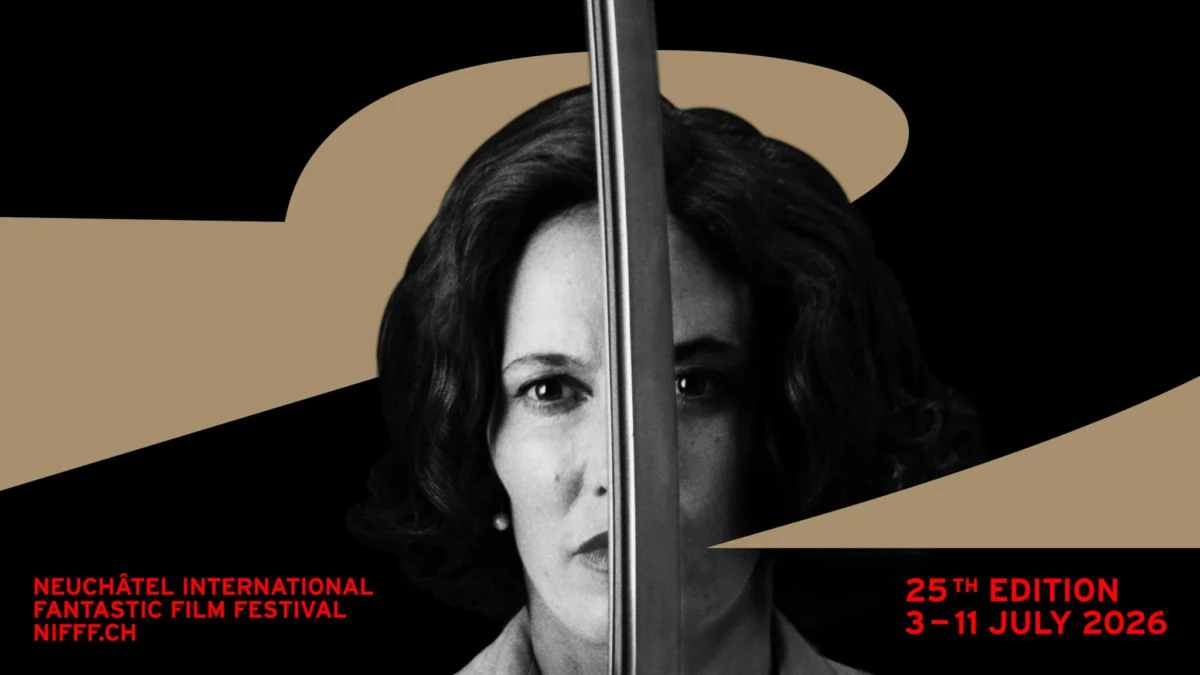
"Dead End" continued its international journey by being selected for the Third Kind section of the 2026 Neuchâtel International Fantastic Film Festival (NIFFF). Based in Switzerland, NIFFF is one of Europe’s leading festivals dedicated to fantastic cinema, including fantasy, sci-fi, horror, and Asian genre films. The "Third Kind" section specifically champions films that push the boundaries of genre, offering unique perspectives and challenging conventional storytelling. The inclusion of "Dead End" in such a prestigious and thematically aligned festival speaks volumes about its innovative narrative, distinctive visual style, and its ability to transcend traditional crime thriller tropes, appealing to an audience that appreciates the surreal and the thought-provoking. This festival exposure not only enhances the film’s international profile but also positions it within a broader global discourse on genre cinema.
Chan Chun-hao’s Vision: Blending Realism with a Neo-Noir Aesthetic
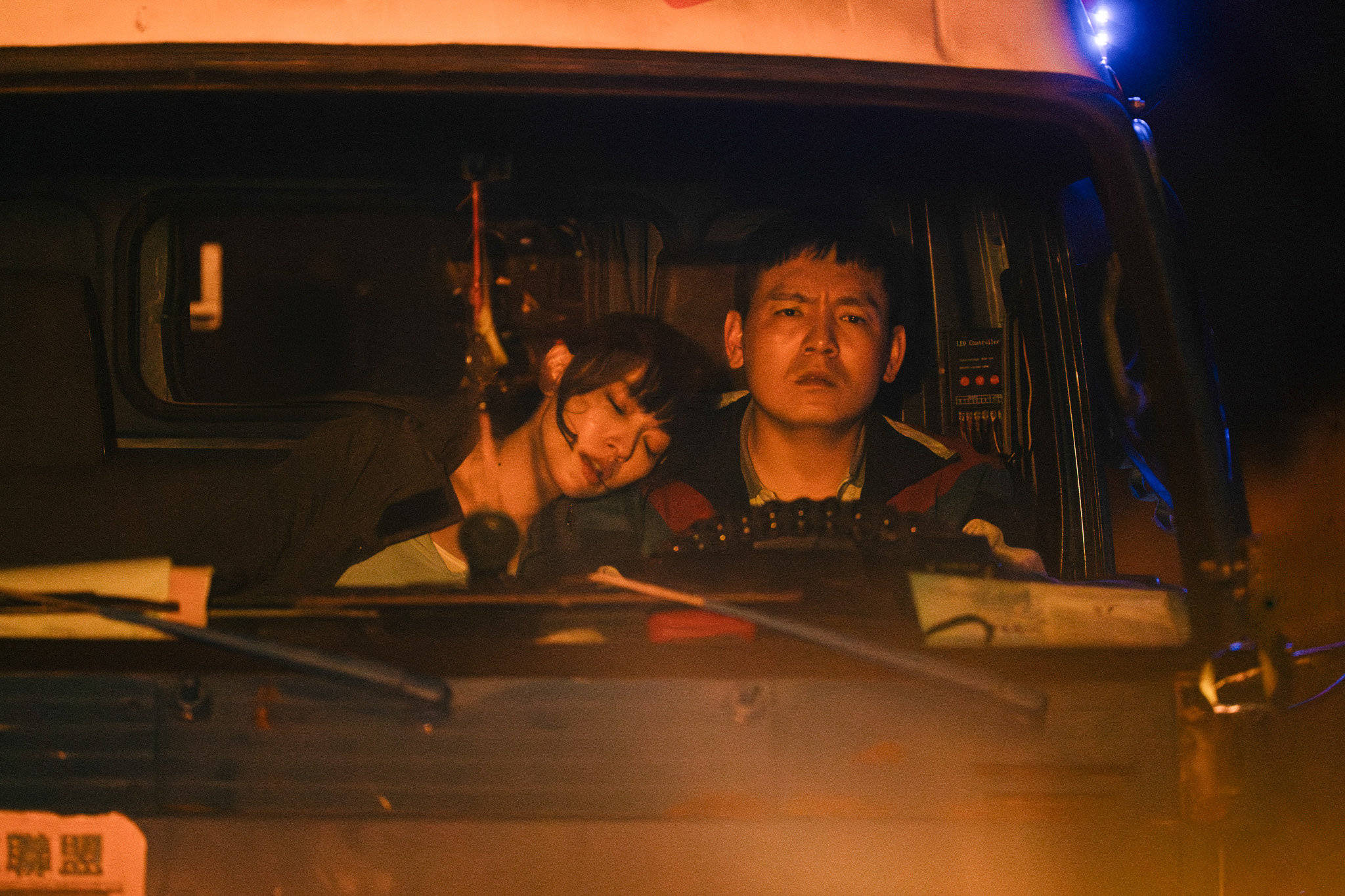
Director Chan Chun-hao’s artistic approach to "Dead End" is characterized by a deliberate blurring of the lines between social realism and a heightened, almost nightmarish aesthetic. While the core concept is firmly anchored in a disturbing social reality, Chan presents the town as a liminal space existing somewhere between a dream and a nightmare. This stylistic choice is achieved through several key elements:
- Intense Color Palette: Saturated colors are used to create a visually striking and often unsettling world.
- Industrial Landscapes: The backdrop of industrial areas, often bathed in artificial light, contributes to a sense of foreboding and decay.
- Eccentric Gatherings and Roadside Encounters: These elements, along with the presence of uniquely Taiwanese cultural imagery like wedding stages and electronic flower cars, lend an air of absurdity and surrealism to the narrative, gradually detaching the story from a purely realistic crime drama.
This blend of local imagery and neo-noir styling transforms the setting into something akin to a modern folktale, a cautionary story about an entire community corrupted by the insidious influence of money. The elderly, waiting for death as objects of a perverse game, and the pink chemicals emanating from industrial zones, reinforce this sense of a world gone awry, where the rules of normal society have been forgotten or deliberately subverted. This artistic decision, while producing some of the movie’s most intriguing moments, also presents a challenge in maintaining narrative coherence. The transitions between realism and surrealism are not always seamless, particularly in the opening sequences, where the rapid shifts between characters and locations can initially disorient the audience.
Character Dynamics and Performance Analysis
The acting in "Dead End" is widely regarded as a significant strength, with key performances anchoring the film’s dark narrative.
- Hung Yu-hung (Spring Wind) as Lin Shengyi: Hung delivers a compelling portrayal of Shengyi, an "oily and frequently unpleasant man" who, despite his flaws, retains a lingering sense of pride from his past as a local hero. His performance effectively conveys the character’s initial arrogance and the palpable fear that slowly consumes him as his options dwindle. Hung’s previous roles in films like "Miss Shampoo" (2023) and "Mongrel" (2024) have established him as an actor capable of nuanced and complex characterizations, making him a fitting choice for the morally ambiguous Shengyi.
- Huang Chi-bin as Shengbin: Huang is convincing as Shengbin, Shengyi’s younger brother, who remained in the hometown and bore the burden of caring for their father. While his performance is strong, the script sometimes struggles to provide sufficient motivation for his character’s decisions, a minor drawback in an otherwise solid portrayal.
- Yao Yi-ti as Pinwen: Yao Yi-ti, known for her versatile performances, competently handles the role of Pinwen. However, the character, along with her daughter, often serves more as a narrative device to assist or motivate the male protagonists, highlighting a limitation in the script’s development of its female characters.
- Ding Ning as Councillor Chen Fengjuan: Ding Ning, whose previous work includes "Cities of Last Things" (2018), leaves a particularly strong impression as Councillor Chen Fengjuan. She masterfully embodies the sinister connection between political authority, organized crime, and local respectability. Her character exudes a chilling blend of apparent sincerity and barely concealed menace, perfectly encapsulating someone capable of betraying others while convincing them it is for their own good. Her performance is a standout, reinforcing the film’s themes of pervasive corruption.
Technical Craftsmanship: Cinematography, Action, and Editing
The technical aspects of "Dead End" largely contribute to its immersive and oppressive atmosphere.
- Cinematography by Chang Chih-teng: Chang’s cinematography plays a crucial role in supporting the film’s dreamlike and nightmarish aesthetic. Through saturated colors and a stark contrast between rural darkness, industrial illumination, and artificial stage lighting, the visuals effectively convey the escalating threat of the town as the night progresses. However, the extensive use of handheld camerawork, while intended to create urgency, occasionally becomes excessively shaky, somewhat detracting from the precision of the compositions and the action choreography.
- Action Choreography by Huang Tai-wei: The action sequences are among the film’s strongest elements. Huang Tai-wei masterfully stages the pursuits and physical confrontations with palpable energy, particularly during the climactic sequence at the fishing harbor. The violence feels appropriately desperate and visceral, with the dynamic interplay of cars, narrow roads, and open industrial spaces significantly amplifying the tension.
- Editing by Lee Tung-chuen and Lin Tzu-yu: The editing is less consistent. The transitions and rhythmic flow are particularly problematic during the first half of the film, contributing to the initial narrative disorientation. While the compression of the action into a single night generates urgency, it also forces several relationships and revelations to develop too quickly, impacting character depth and plot logic. Furthermore, the succession of confrontations near the end, while energetic, can make the story feel more prolonged than necessary. The final emotional scenes, intended to provide closure, unfortunately dilute rather than intensify the impact of the climax, introducing an overtly sentimental direction that clashes with the film’s established nightmarish tone.
Broader Implications for Taiwanese Cinema and Social Discourse
"Dead End" stands as a significant contribution to Taiwanese cinema, particularly within the crime thriller genre. Its willingness to confront uncomfortable societal truths, drawing directly from a real-life scandal, showcases the power of cinema as a medium for social commentary. The film’s exploration of elder exploitation and institutional corruption resonates deeply in societies grappling with aging populations and widening economic disparities. By presenting a community where silence and complicity are pervasive, Chan Chun-hao prompts viewers to reflect on the ethical boundaries of profit and the responsibilities of collective action.
The film’s international sales acquisition by EST N8 and its selection for the Neuchâtel International Fantastic Film Festival underscore the growing global interest in diverse Asian narratives and genre filmmaking. This exposure not only benefits "Dead End" but also elevates the profile of Taiwanese cinema on the world stage, demonstrating its capacity to produce compelling stories with universal themes, albeit through a distinctly local lens. The blend of a grounded, socially relevant premise with a stylized, neo-noir aesthetic offers a fresh perspective on the crime thriller, potentially influencing future genre productions in the region.
Conclusion
"Dead End" is an ambitious and visually distinctive Taiwanese crime thriller that benefits immensely from its fascinating real-life premise and its ability to cultivate an oppressive, dreamlike atmosphere. Bolstered by strong acting, particularly from Hung Yu-hung and Ding Ning, and well-executed action sequences, the film delivers clear and incisive commentary on corruption, the exploitation of vulnerable populations, and the complicity of political and police authorities.
However, the film is not without its shortcomings. Uneven pacing, particularly in the initial and middle sections, questionable character motivations that sometimes lack sufficient explanation, and a reliance on female characters as mere plot devices hinder its narrative flow. The decision to conclude with an unnecessarily sentimental direction, which feels at odds with the nightmarish tone established earlier, ultimately prevents the movie from fully capitalizing on its powerful concept. Despite these issues, "Dead End" remains an entertaining and thought-provoking cinematic experience. Its unique blend of local imagery, neo-noir styling, and a courageous exploration of dark societal themes ensures that its nightmarish qualities frequently compensate for its narrative inconsistencies, leaving a lasting impression on its audience.