In just over two weeks, director Christopher Nolan’s highly anticipated cinematic adaptation of Homer’s epic poem, The Odyssey, is set to make its grand debut in theaters worldwide. The film, a project that has been years in the making and shrouded in a characteristic degree of mystery by the acclaimed filmmaker, is now poised to captivate audiences with its ambitious scale and star-studded cast. The recent release of its final trailer offers a tantalizing glimpse into the world Nolan has meticulously crafted, hinting at a faithful yet distinctly modern interpretation of the ancient Greek masterpiece.
The trailer, released earlier this week, provides a renewed sense of anticipation for a film that, despite its nearly three-hour runtime, largely reuses familiar imagery from its previous promotional materials. However, subtle yet significant additions distinguish this final preview. A new voiceover narrative adds a fresh layer of gravitas, and fleeting but impactful shots introduce key performances from Elliot Page and Lupita Nyong’o, the latter reportedly portraying multiple significant roles within the narrative.
Central to the trailer’s enduring appeal are the potent character moments that have already resonated with viewers. The adversarial dynamic between Robert Pattinson’s Antinous and Tom Holland’s Telemachus is palpable, with Holland’s portrayal of a son yearning for his absent father, Odysseus, forming an emotional anchor. Anne Hathaway’s depiction of Penelope exudes both sorrow and unwavering strength, a testament to her enduring resolve in the face of prolonged separation. The trailer also showcases the sheer physical exertion of sailors navigating the perilous waters, a vivid representation of the formidable challenges posed by mythological threats like Charybdis. A particularly poignant element highlighted is the recurring imagery of Argos, Odysseus’s loyal dog, presented at different stages of his life, serving as a powerful emotional touchstone that underscores themes of loyalty and the passage of time.
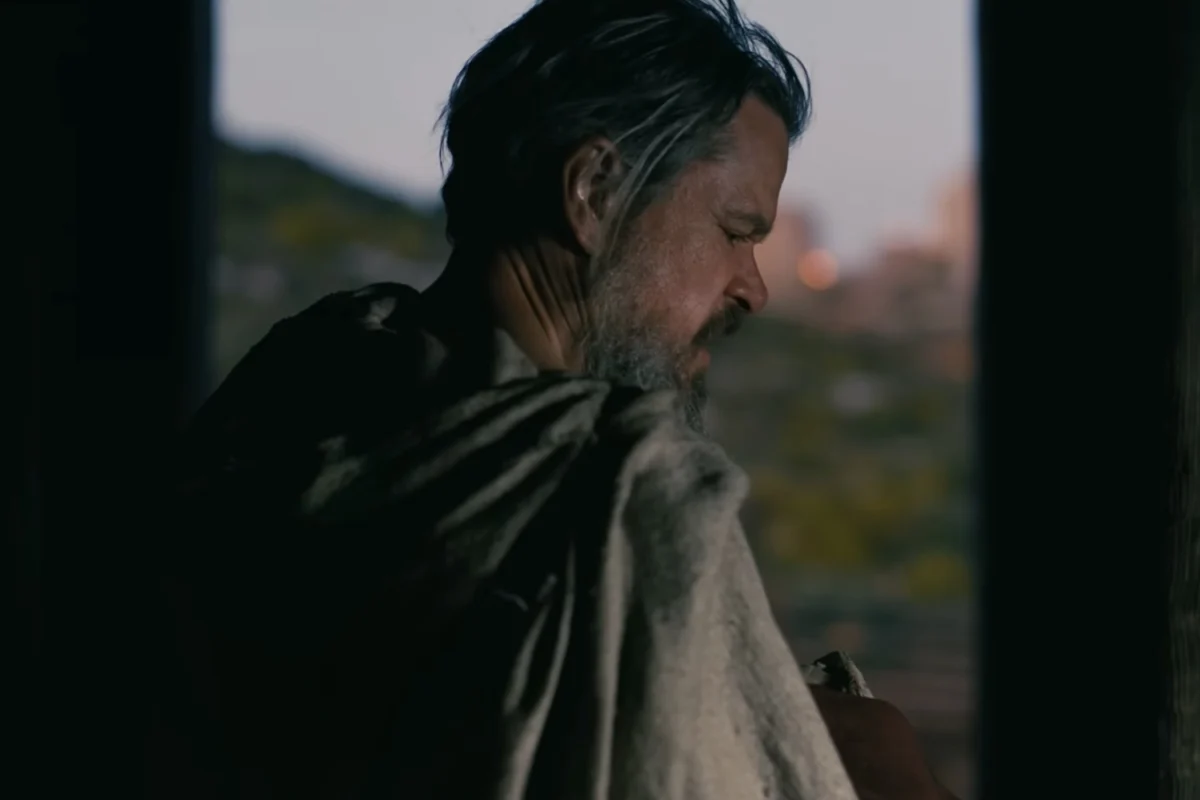
Beyond these character-driven scenes, the trailer promises a spectacle befitting the epic scope of The Odyssey. Audiences can anticipate visual renditions of iconic moments, from the strategic use of a Trojan Horse to colossal battles and the inevitable confrontation with the numerous suitors vying for Penelope’s hand. At the heart of it all is Matt Damon’s portrayal of Odysseus, a king driven by an unyielding desire to return home to his family, a quest that forces him to defy the very gods themselves. This narrative focus on Odysseus’s personal journey, his longing for home amidst divine machinations, is expected to be a central theme throughout Nolan’s interpretation.
A Groundswell of Academic Interest
The excitement surrounding Nolan’s The Odyssey extends far beyond the typical fan base of the celebrated director. Reports from sources such as CNN indicate a burgeoning "Odyssey fever" within the academic community, particularly among scholars of classical studies. This phenomenon suggests that the film is poised to not only entertain but also to reignite interest in the foundational texts of Western literature.
Professors specializing in ancient Greek and Roman studies have expressed optimism about the potential impact of Nolan’s adaptation. UC Berkeley professor Kim Shelton, a leading figure in the field, was quoted by CNN stating, "I hope there is a surge in interest. I am teaching my class on the Trojan War this fall for that exact reason." This sentiment underscores a broader anticipation that the film will serve as a gateway for a new generation to engage with the rich narratives and enduring themes of Homeric epics. The prospect of a major Hollywood production bringing these ancient stories to life on a grand scale has invigorated educators who see it as an invaluable tool for sparking curiosity and fostering deeper academic exploration.
The Genesis of Nolan’s Epic Vision
Christopher Nolan, known for his intricate narratives and visually stunning blockbusters such as Inception, The Dark Knight Trilogy, and Interstellar, has long harbored a fascination with Homer’s epic. The genesis of this project reportedly dates back over a decade, with Nolan meticulously developing his vision for adapting The Odyssey for the modern cinematic landscape. While specific details about Nolan’s creative process remain largely under wraps, his track record suggests a commitment to practical effects, ambitious cinematography, and a nuanced approach to complex storytelling.
The decision to adapt The Odyssey is a bold one, given the poem’s canonical status and the challenges inherent in translating its rich poetic language and mythological framework to the screen. Homer’s epic, traditionally dated to the 8th century BCE, chronicles Odysseus’s ten-year journey home after the fall of Troy. It is a tale filled with divine intervention, monstrous encounters, profound human resilience, and intricate moral dilemmas. Nolan’s reputation for tackling ambitious source material with intellectual rigor and cinematic flair suggests that his Odyssey will be an event film of significant cultural and artistic merit.
A Timeline of Anticipation
The journey of Nolan’s The Odyssey from concept to screen has been a protracted one, marked by periods of intense speculation and strategic promotional campaigns. While the exact timeline of its development is not publicly detailed, the film’s production and marketing efforts have been carefully orchestrated to build maximum anticipation.
- Early Development (Circa 2010s): Reports and rumors begin to circulate regarding Christopher Nolan’s interest in adapting Homer’s The Odyssey. This period likely involved extensive research, script development, and conceptualization of the film’s visual and narrative direction.
- Pre-Production and Casting (Mid-to-Late 2010s): Nolan and his team are believed to have entered pre-production, with significant efforts focused on casting the pivotal roles. The selection of Matt Damon as Odysseus, Anne Hathaway as Penelope, Robert Pattinson as Antinous, and Tom Holland as Telemachus signals a deliberate choice of actors capable of embodying the complexity and gravitas required by these iconic characters. The inclusion of Elliot Page and Lupita Nyong’o further hints at Nolan’s commitment to a diverse and talented ensemble.
- Principal Photography (Likely 2020s): Filming for a project of this magnitude would have spanned a considerable period, likely utilizing a combination of stunning real-world locations and meticulously constructed sets to bring the ancient world to life. Nolan’s known preference for practical effects suggests a commitment to tangible, immersive filmmaking.
- Post-Production and Visual Effects (Ongoing): The extensive post-production phase would have involved editing, sound design, musical scoring by a composer yet to be announced, and the intricate work of visual effects artists to render the mythological elements and grand set pieces.
- Trailer Releases and Promotional Campaign (2023-2024): The release of initial teaser trailers and subsequent full-length trailers has systematically unveiled key aspects of the film, building anticipation and generating widespread discussion. The final countdown trailer, released recently, marks the culmination of this extensive promotional push.
- Theatrical Release (July 17, 2024): The film is slated for its global theatrical premiere, marking the culmination of years of creative effort and anticipation.
Supporting Data and Cinematic Scope
The scale of Nolan’s The Odyssey is expected to be immense, reflecting the epic nature of its source material. While specific budget figures have not been officially disclosed, industry analysts predict a production cost likely in the hundreds of millions of dollars, placing it among Nolan’s most ambitious projects. This investment is indicative of the film’s intended visual grandeur, extensive location shooting, and the employment of a vast crew of artists and technicians.
The film’s runtime, reported to be close to three hours, suggests a comprehensive narrative approach, allowing ample time to explore the myriad challenges and philosophical questions posed by Homer’s text. This extended duration is not uncommon for epic films aiming for depth and immersive storytelling, allowing for detailed character development and the unfolding of complex plotlines.
The casting itself provides supporting data for the film’s projected impact. Matt Damon, an Oscar-winning actor known for his versatile performances, takes on the central role of Odysseus. Anne Hathaway, a multi-award-winning actress, embodies the resilient Penelope. Robert Pattinson, who has garnered critical acclaim for his dramatic roles, portrays the antagonist Antinous, while Tom Holland, widely recognized for his portrayal of Spider-Man, steps into the shoes of Telemachus. The ensemble further includes acclaimed actors such as Elliot Page and Lupita Nyong’o, whose dual roles are a subject of much speculation. This caliber of talent underscores the film’s commitment to delivering powerful performances that honor the legendary figures of Homer’s epic.
Broader Impact and Implications
The potential impact of Christopher Nolan’s The Odyssey extends beyond mere box office success. The surge in academic interest, as highlighted by CNN, suggests a significant cultural moment. By bringing a foundational text of Western literature to a global audience through the medium of cinema, Nolan has the potential to:
- Enhance Literary Literacy: The film could serve as a catalyst for increased engagement with Homer’s original works and other classical literature. Educational institutions are already anticipating this effect, with instructors planning to leverage the film’s release to inspire their students.
- Reframe Ancient Narratives: Nolan’s interpretation, while likely reverent, will inevitably bring a contemporary perspective to the ancient themes. This could lead to new discussions and critical analyses of the characters, their motivations, and the moral complexities presented in the epic.
- Inspire Future Adaptations: A successful adaptation could pave the way for further ambitious cinematic interpretations of classic literature, demonstrating the viability and artistic merit of such projects.
- Stimulate Economic Activity: Beyond the direct revenue generated by ticket sales, the production itself would have provided significant economic stimulus through job creation, tourism in filming locations, and ancillary industries.
The release of The Odyssey on July 17th is not just the premiere of a film; it represents a confluence of cinematic artistry and classical heritage. As audiences prepare to embark on this epic journey, the anticipation is palpable, not only for the spectacle but also for the renewed appreciation of a story that has resonated with humanity for millennia. The "Odyssey fever" gripping the academic world is a testament to the enduring power of these ancient narratives and the unique ability of a visionary director like Christopher Nolan to bring them to life for a new era.