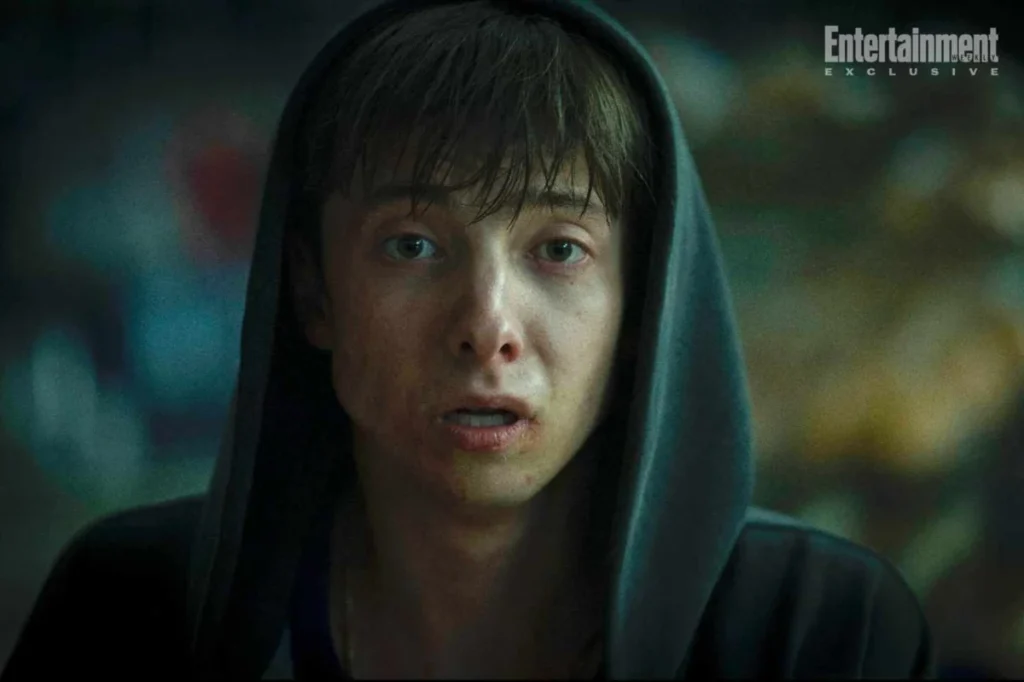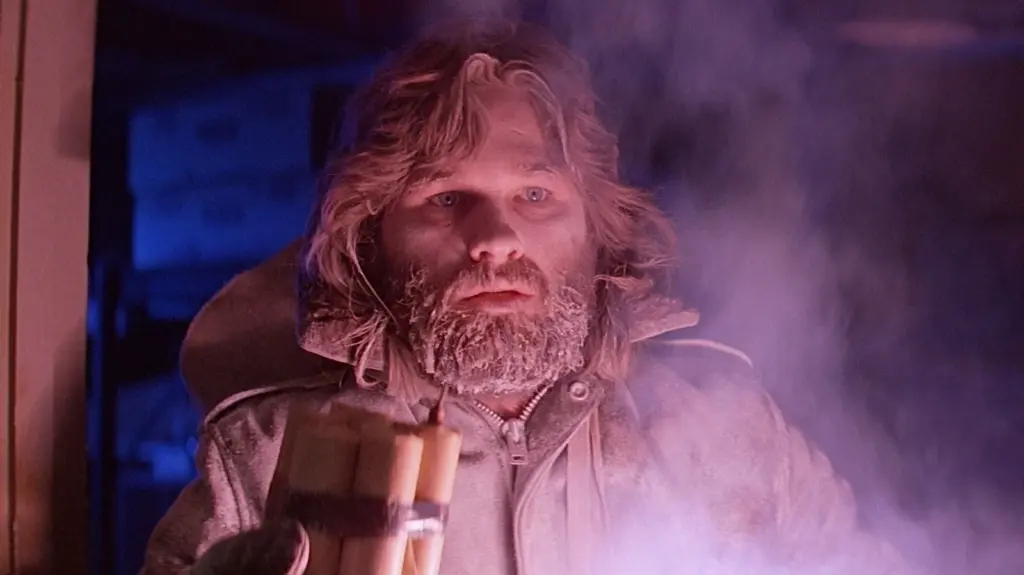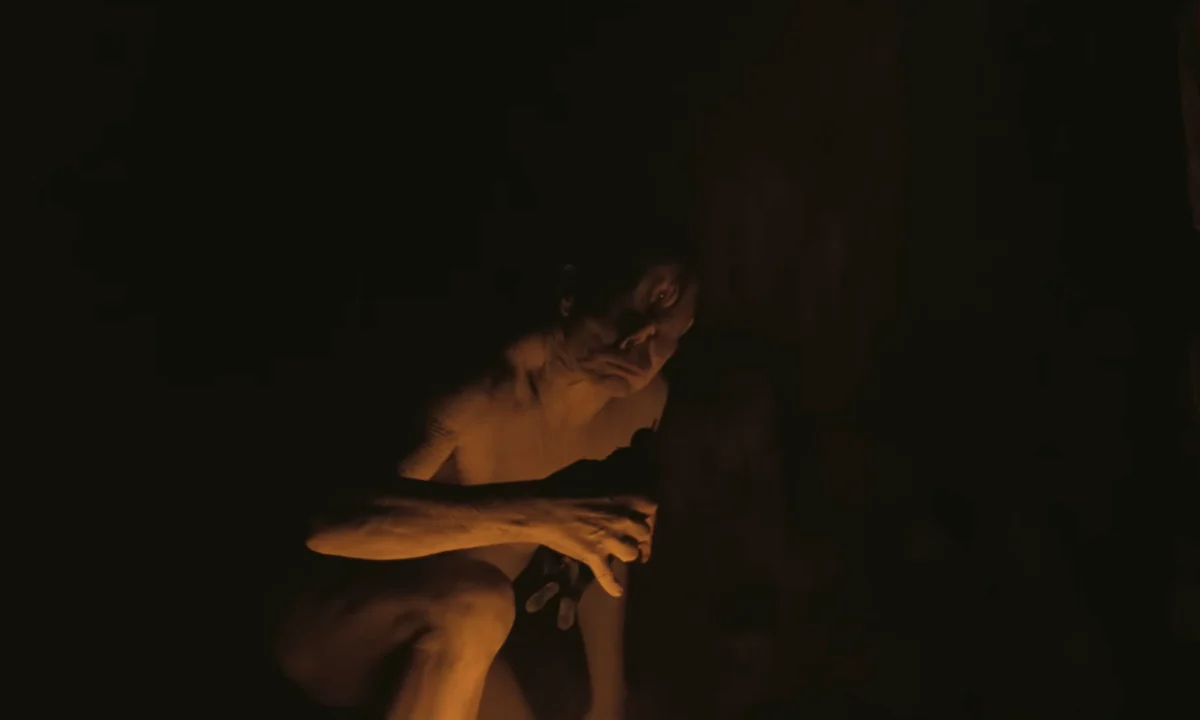
The cinematic landscape is abuzz with anticipation for Christopher Nolan’s upcoming epic, "The Odyssey," slated for release on July 17, 2026. Following an exclusive London premiere for select journalists, early reactions suggest a monumental adaptation of Homer’s classic, promising a visceral and visually stunning journey through Greek mythology. Universal Pictures opted for a word-of-mouth strategy rather than a traditional influencer and critic screening, a move that has amplified the mystique surrounding the project. The initial feedback, disseminated through social media and direct reporting, paints a picture of a film that not only honors its source material but also pushes the boundaries of cinematic storytelling.
A Visionary’s Ambitious Undertaking
Christopher Nolan, a filmmaker renowned for his intricate narratives and groundbreaking visual techniques, has embarked on what is arguably his most ambitious project to date. "The Odyssey" presents a formidable challenge: translating the sprawling, multi-layered narrative of Homer’s ancient Greek epic poem into a compelling modern cinematic experience. The early reports indicate that Nolan’s signature approach, characterized by a commitment to practical effects and in-camera techniques over extensive CGI, has resulted in a film that is both awe-inspiring and deeply immersive. This dedication to tangible filmmaking is a hallmark of Nolan’s work, from the gravity-defying stunts in "Inception" to the expansive IMAX sequences in "Interstellar," and it appears to be a cornerstone of his interpretation of Odysseus’s arduous voyage.
Early Critical Acclaim and Unique Approaches to Marketing
The initial wave of reactions emerged directly from journalists who attended the film’s premiere in London. Instead of relying on pre-screened reviews from a select group of influencers, Universal’s strategy focused on generating authentic buzz from established media outlets. This approach allows for immediate, unvarnished impressions to reach the public, fostering a sense of organic excitement.
Jazz Tangcay of Variety lauded Nolan’s directorial prowess, stating, "Christopher Nolan is a visionary, and ‘The Odyssey’ is a work of art. Adapting a Homer classic is not easy, but he has done an incredible job of bringing this to the big screen and telling Odysseus’s journey. He has outdone himself. You could feel the passion in his storytelling. You feel the passion in the crafts and the acting. Cinematographer Hoyte van Hoytema shoots to perfection, and the crafts: costume, sound, editing, and Ludwig Goransson’s score are phenomenal artistry and so visceral. The battle scenes, especially at Troy, are breathtaking. It’s an incredible epic." This endorsement highlights the film’s comprehensive artistic achievement, from its visual composition to its sonic landscape and narrative execution.
Steve Weintraub of Collider echoed this sentiment, emphasizing the film’s rewatchability and recommending a specific viewing format. "Christopher Nolan’s ‘The Odyssey’ is incredible. I’ve been lucky enough to watch it twice, and it gets better on the second viewing. I’m really blown away by this film. If you can, SEE IT IN IMAX 70mm. It’s a jaw-dropping experience. It’ll be great wherever you see it, but IMAX 70mm is the best option." Weintraub’s strong recommendation for IMAX 70mm underscores Nolan’s commitment to delivering an unparalleled theatrical experience, leveraging large-format projection to enhance the epic scale of the narrative. The suggestion of improved viewing on subsequent watches hints at the film’s narrative depth and layered filmmaking.
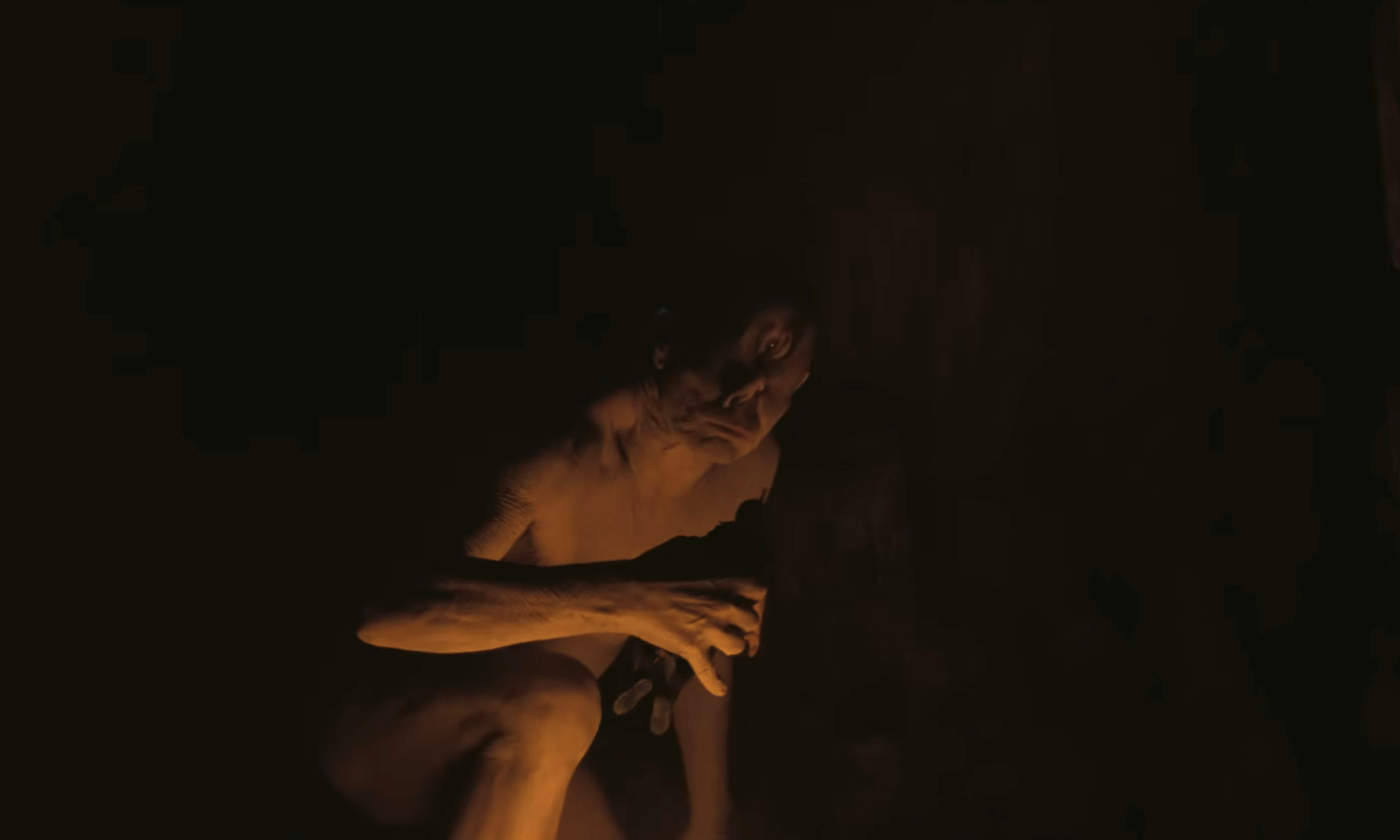
Perhaps the most intriguing reaction came from Aaron Couch of The Hollywood Reporter, who noted a novel element in Nolan’s directorial repertoire. "Been seeing his movies in theaters since ‘Memento,’ and after 25 years, ‘The Odyssey’ gives us a first: a fleshed out horror sequence directed by Christopher Nolan." This revelation is particularly noteworthy, as Nolan is not typically associated with the horror genre. The prospect of a Nolan-directed horror sequence, integrated into a mythological epic, suggests a bold and potentially unsettling exploration of the darker aspects of Odysseus’s trials, such as his encounters with monstrous beings and the psychological toll of his long journey.
A Deeper Dive into the Mythological Epic
Homer’s "The Odyssey" chronicles the ten-year journey of the Greek hero Odysseus, King of Ithaca, as he strives to return home after the Trojan War. The epic poem is a cornerstone of Western literature, exploring themes of perseverance, cunning, divine intervention, and the human condition. Nolan’s adaptation is expected to bring these ancient tales to life with a grandeur and intensity rarely seen in modern cinema. The mention of the Cyclops in the initial reporting, coupled with the promise of breathtaking battle scenes at Troy, indicates that the film will likely delve into the early, action-packed stages of Odysseus’s saga, including his famous encounter with Polyphemus.
The emphasis on practical effects is crucial to understanding the potential impact of "The Odyssey." In an era dominated by digital imagery, Nolan’s insistence on real sets, practical stunts, and in-camera visual effects aims to ground the fantastical elements of the myth in a tangible reality. This approach often lends a sense of weight and authenticity to the on-screen action, making the spectacle feel more immediate and believable. The use of IMAX 70mm film, a format known for its immense detail and immersive quality, further amplifies this effect, promising a visual experience that envelops the audience.
The Significance of the "Horror Sequence"
Aaron Couch’s comment about a "fleshed out horror sequence" is particularly significant. The mythological journey of Odysseus is replete with elements that lend themselves to horror: the Sirens’ seductive and deadly song, the cannibalistic Cyclops, the sorceress Circe who turns men into pigs, and the terrifying descent into the underworld. Nolan’s reputation for meticulous craftsmanship suggests that any foray into horror would be handled with sophistication and a deep understanding of atmospheric tension and psychological dread, rather than relying solely on jump scares. This could mean a more terrifying portrayal of the supernatural threats Odysseus faces, or a deeper exploration of the psychological terror that such an extended, perilous journey would inflict upon a mortal man.
The Composer’s Role: Ludwig Göransson’s Contribution
The mention of Ludwig Göransson’s score as "phenomenal artistry and so visceral" points to the crucial role of music in shaping the film’s emotional impact. Göransson, who previously collaborated with Nolan on "Tenet," is known for his innovative and powerful compositions. His work on "The Odyssey" is expected to be a vital element in conveying the epic scope, emotional weight, and potential terror of Odysseus’s journey. A "visceral" score suggests music that is not merely background accompaniment but an active participant in the storytelling, designed to elicit a strong physical and emotional response from the audience.
Broader Implications for Mythological Adaptations
The success of "The Odyssey" could have significant implications for the future of mythological adaptations in Hollywood. For years, studios have experimented with bringing ancient myths to the screen, with varying degrees of critical and commercial success. Nolan’s approach, blending a faithful adherence to the source material with his distinctive artistic vision and technical prowess, may set a new standard for the genre. His commitment to large-format filmmaking and practical effects also reinforces the value of the theatrical experience as a primary medium for epic storytelling.
The film’s release date, July 17, 2026, places it firmly within the summer blockbuster season, suggesting that Universal Pictures has high expectations for its commercial performance. The early positive reception, combined with Nolan’s proven track record, positions "The Odyssey" as a major contender for critical acclaim and box office success. The film’s ability to resonate with audiences, not only as a grand adventure but also as a potentially groundbreaking exploration of horror within a mythological context, will be a key factor in its overall impact.
The Hype Train Gathers Momentum
The initial reactions have clearly ignited a significant level of anticipation. Phrases like "jaw-dropping," "breathtaking," and "work of art" are indicative of a film that is poised to make a substantial impression. The "hype machine is rolling," as one observer noted, and the prospect of experiencing such a meticulously crafted and potentially genre-bending interpretation of "The Odyssey" is undeniably exciting for cinephiles and fans of classical literature alike. The film’s promise of a darker, more horrific mythological epic, combined with Nolan’s directorial genius, suggests that "The Odyssey" is shaping up to be an event film that audiences will be discussing for years to come. The journey home for Odysseus, as envisioned by Christopher Nolan, is poised to be an unforgettable cinematic voyage.