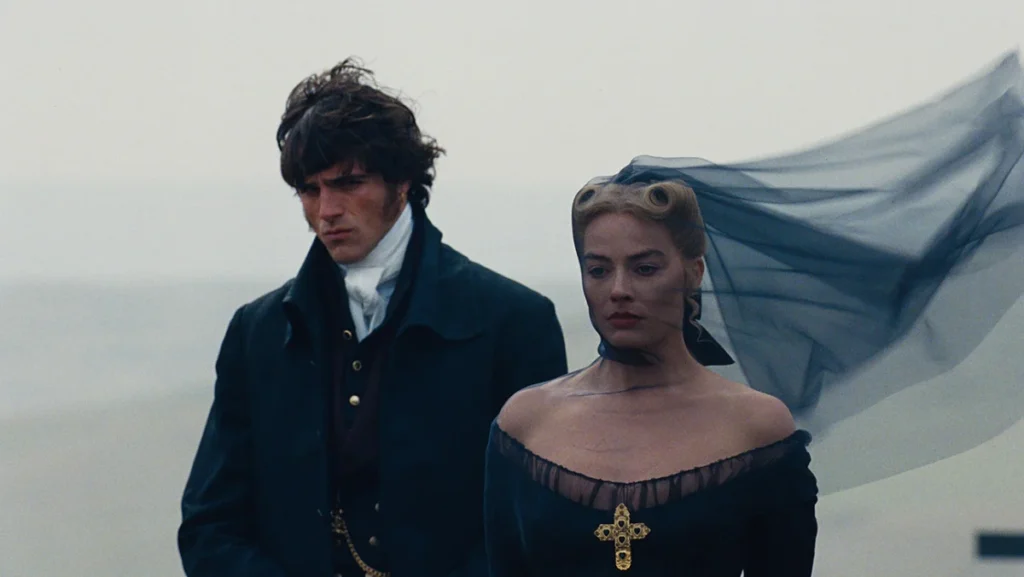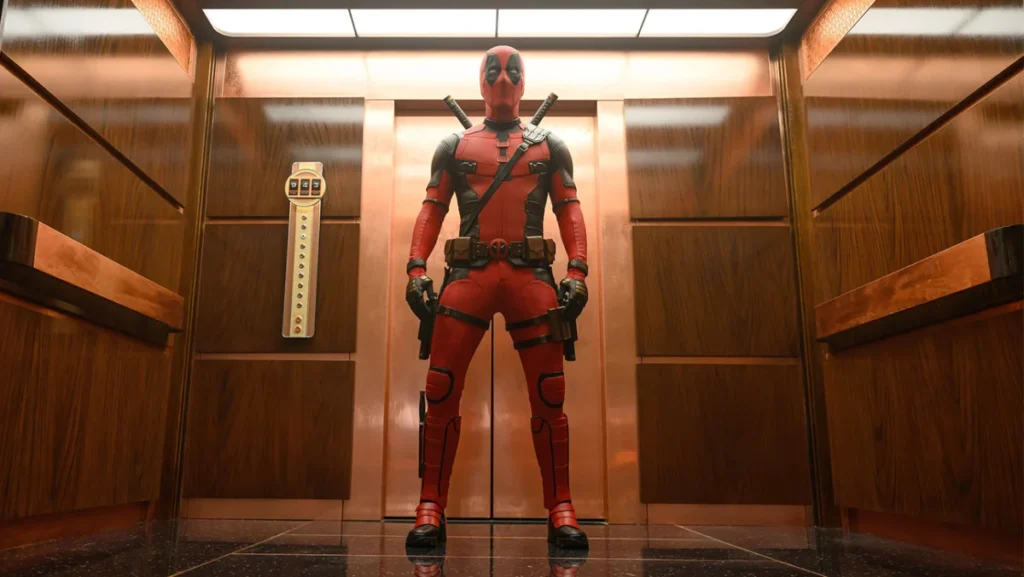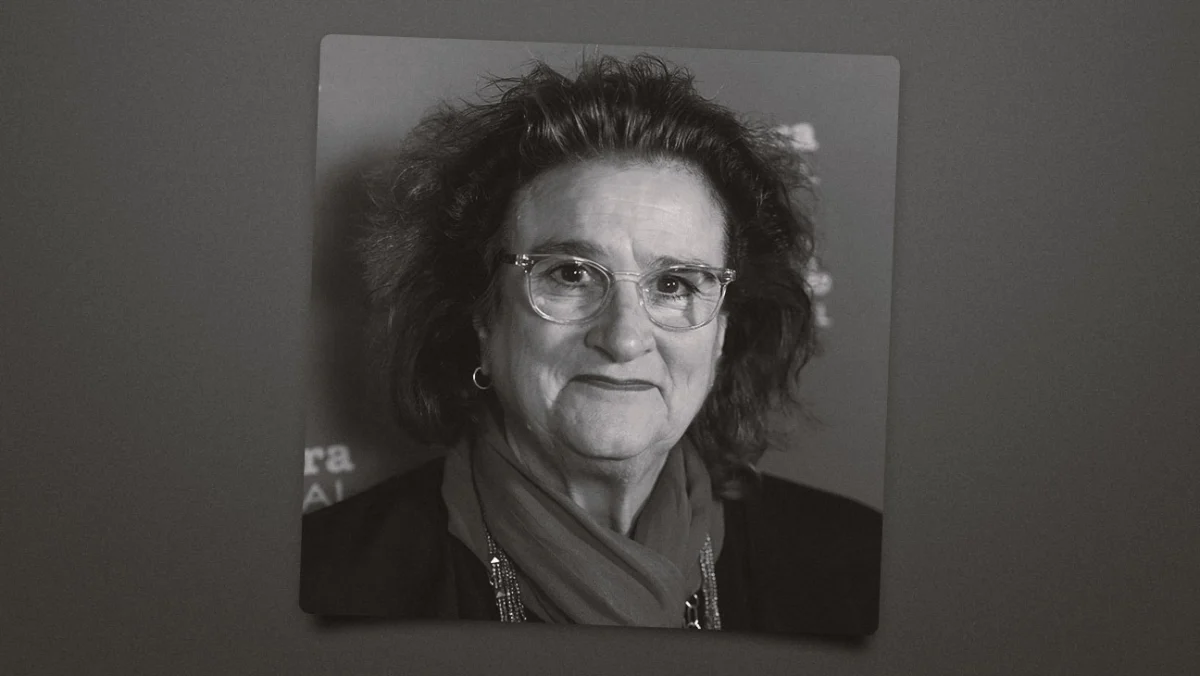
Barbara Ling, the celebrated production designer whose exceptional talent in crafting immersive cinematic environments earned her an Academy Award for meticulously re-creating 1969 Los Angeles in Quentin Tarantino’s critically acclaimed Once Upon a Time in Hollywood, passed away on Thursday in Santa Barbara after a valiant battle with cancer. She was 73. A spokesperson for WME confirmed her death, marking the end of a prolific career that spanned over four decades and left an indelible mark on contemporary filmmaking.
Ling’s career was defined by a remarkable versatility, allowing her to transition seamlessly between diverse genres and eras, from the gritty realism of modern Los Angeles to the fantastical spires of Gotham City, and the vibrant, sun-drenched streets of a bygone Hollywood. Her unique ability to translate directorial visions into tangible, believable worlds made her one of the most sought-after talents in the industry, collaborating with an array of esteemed filmmakers and leaving behind a legacy of iconic visual storytelling.
A Visionary’s Journey: From Stage to Silver Screen
Born in August 1952, Barbara Claire Ling’s artistic journey began not on a film set, but in the vibrant world of live theater. Before making the leap to cinema, she dedicated her early career to designing sets and lighting for more than 200 theater, opera, and musical productions. This foundational experience in live performance, where every detail must contribute to an immediate, visceral audience experience, undoubtedly honed her keen eye for spatial dynamics, atmospheric lighting, and the dramatic impact of environment. Among her notable early efforts was the 1981 HBO special The Pee-Wee Herman Show, a pivotal cultural moment taped at the iconic Roxy in West Hollywood, showcasing her burgeoning talent for creating distinct and memorable visual landscapes.
The transition to filmmaking came in 1986 when she was enlisted by musician and artist David Byrne to design his directorial debut, True Stories. This film, known for its quirky, Americana-infused aesthetic, provided Ling with the perfect canvas to translate her theatrical sensibilities into the cinematic medium. Her work on True Stories demonstrated an innate understanding of how production design could serve as a character in itself, enhancing narrative and mood through meticulously crafted environments. This initial foray into film quickly established her as a formidable talent, capable of delivering both authenticity and artistic flair.
Crafting Iconic Worlds: The Diverse Filmography of Barbara Ling
Following her impactful debut, Ling rapidly built an impressive and diverse filmography, showcasing her unparalleled adaptability. The early 1990s proved particularly fruitful, with Ling serving as production designer on two films that would become enduring classics of 1991: Oliver Stone’s biographical drama The Doors and Jon Avnet’s beloved Southern tale Fried Green Tomatoes. On the latter, she also held an associate producer credit, a testament to her comprehensive involvement in the film’s creative development. For The Doors, Ling had the challenging task of capturing the counter-cultural spirit and psychedelic aesthetic of the 1960s, a period she would revisit with even greater acclaim later in her career. In contrast, Fried Green Tomatoes required her to evoke the nostalgic charm and lived-in warmth of a bygone era in the American South, a testament to her ability to adapt her design philosophy to vastly different cultural and historical contexts.
Her career continued to flourish with projects that further cemented her reputation for creating compelling and believable settings. In 1993, Ling returned to her hometown, Los Angeles, to design for the Michael Douglas-starring urban thriller Falling Down. This film presented a contemporary, gritty vision of L.A., allowing Ling to showcase her ability to ground narratives in realistic, yet visually striking, modern environments. Two years later, she embarked on a significant collaboration with director Joel Schumacher, taking on the monumental task of conceptualizing and building the fictional Gotham City for Batman Forever (1995) and its 1997 sequel, Batman & Robin. These projects, known for their stylized, neo-noir aesthetic and larger-than-life sets, required an imaginative leap, demonstrating Ling’s capacity to bring fantastical comic book worlds to vivid, tangible life on screen. Her designs for Gotham were instrumental in shaping the visual identity of the Batman franchise during that era, creating a distinctive urban landscape that was both imposing and theatrical.
Ling’s collaborations extended across various genres and directors. She teamed with filmmaker Scott Hicks on multiple projects, including the poignant drama Hearts in Atlantis (2001), the culinary romance No Reservations (2007), the adaptation of Nicholas Sparks’ novel The Lucky One (2012), and the fantasy drama Fallen (2016). These films, ranging from coming-of-age stories to romantic dramas, underscore her ability to craft environments that subtly enhance emotional narratives and character arcs.
Even in recent years, Ling remained an active and sought-after talent. Her more recent credits include Marc Forster’s 2022 film A Man Called Otto, starring Tom Hanks, and the highly anticipated blockbuster biopic Michael (slated for release in 2026), directed by Antoine Fuqua, which promises to bring the world of Michael Jackson to the big screen. These later projects demonstrate her continued relevance and mastery in an ever-evolving industry.
Her extensive filmography also included Heaven (1987), Less Than Zero (1987), V.I. Warshawski (1991), With Honors (1994), and Sydney Pollack’s Random Hearts (1999). Each of these films, whether demanding period authenticity, contemporary realism, or stylized fantasy, served as a canvas for Ling’s exceptional talent, proving her comfort and expertise across the entire spectrum of production design challenges.
The Pinnacle of Authenticity: Recreating 1969 Los Angeles
The zenith of Barbara Ling’s career arrived with her work on Quentin Tarantino’s 2019 masterpiece, Once Upon a Time in Hollywood. For this film, Ling undertook what many consider her most ambitious and ultimately most celebrated achievement: the painstaking recreation of Los Angeles in 1969. This monumental effort earned her an Academy Award for Best Production Design, an honor she shared with set decorator Nancy Haigh, with whom she had previously collaborated on the 1988 film Checking Out.
Tarantino’s Vision and Ling’s Challenge
Tarantino’s vision for Once Upon a Time in Hollywood was famously uncompromising when it came to authenticity. Ling vividly recalled the director’s directive: "Quentin Tarantino’s main thing from the moment we sat down was, ‘I want this to be real. I want to see. I want to smell and I feel that Hollywood. I don’t want to do green screen over here or have the digital interpretation. Let’s really change the billboards, and let’s put the real facades back on.’" This mandate became Ling’s guiding principle, setting a challenging but immensely rewarding course for the entire production design team. In an era increasingly reliant on digital effects and green screen technology, Tarantino and Ling championed a return to practical, in-camera authenticity, believing it would create a more immersive and tangible experience for both the actors and the audience.
The Meticulous Process
The scale of this undertaking was immense. Re-creating an entire city as it existed five decades prior required meticulous research, careful planning, and an extraordinary logistical effort. Ling and her team delved into archives, old photographs, and historical records to ensure every detail, from storefronts to street signs, was accurate. This meant more than just cosmetic changes; it involved a comprehensive transformation of existing urban landscapes. "That is, to me, very exciting. It’s something we don’t do much of anymore," Ling stated in a 2019 interview, highlighting the rare opportunity to engage in such extensive practical set building.
Engineering Feats and Historical Accuracy
The process was not without its engineering complexities. Ling elaborated on the challenges: "I had to go out and figure out where I could attach real things to. It was quite an engineering feat to do, particularly on Hollywood Boulevard, to say, ‘I want the Pussycat Theater back.’ To build those marquees, it’s added weight. These are old and fragile buildings that we were working with. We had to also work with engineers to make sure we weren’t going to pull the facade off once we rebuilt the old signs. It was laborious but well worth it." This anecdote perfectly encapsulates the blend of artistic vision and practical problem-solving that defined Ling’s work. The transformation extended beyond Hollywood Boulevard to other iconic Los Angeles locations, including the recreation of the Bruin Theater in Westwood, ensuring a consistent and historically accurate visual tapestry across the film.
The Immersive Experience
The culmination of these efforts was nothing short of cinematic magic. Ling described the profound impact of seeing her work come to life: "The night of the first shoot when all the neon lit up and the period cars came out and [Arianne Phillips’] costumes were out there, you absolutely believed you were in 1969 because everything was real. It was a movie filming a real street. We pretty much carried that theme through Westwood and everywhere we shot." This commitment to tangible reality imbued Once Upon a Time in Hollywood with an unparalleled sense of nostalgia and authenticity, allowing audiences to truly step back in time and experience Los Angeles as it was on the cusp of significant cultural change. The production design was not merely a backdrop; it was an active participant in the storytelling, enhancing the film’s narrative themes of change, memory, and the golden age of Hollywood.
Oscar Triumph
The Academy Award for Best Production Design was a well-deserved recognition of Ling’s extraordinary achievement. The category itself celebrates the artistry of creating the visual environments for films, a craft that often goes unnoticed by the general public but is fundamental to a film’s aesthetic and narrative success. Ling and Haigh’s win underscored the critical importance of meticulous and immersive production design in bringing a director’s vision to its fullest potential, particularly for period pieces where authenticity is paramount.
A Legacy Beyond the Lens: Preservation and Practicality
Beyond the immediate triumph of her Oscar win, Barbara Ling used her platform to highlight a pressing issue for filmmakers and historians alike: the rapid disappearance of historic Los Angeles. Backstage after accepting her Oscar, Ling lamented to reporters that “L.A. is not a preservation city, never has been. Now there’s been a nonstop movement of apartment building and glass towers. … What we did will be impossible to do next year. It’s unfortunate. We hope this will bring some nostalgia back and stop things from being torn down.”
Ling’s Plea for Preservation
This statement was not merely a casual observation but a poignant plea from an artist who had dedicated her career to recreating and celebrating the past. Ling understood intimately the tangible loss that accompanies the demolition of historic structures, not just for architectural heritage but for the very fabric of cinematic storytelling. Her work on Once Upon a Time in Hollywood was, in a sense, a race against time, capturing and preserving a visual memory of Los Angeles before it was irrevocably altered. Her words served as a stark reminder of the challenges faced by production designers working on period films set in rapidly developing cities, where the authentic backdrops become increasingly scarce.
The Enduring Value of Practical Design
Ling’s commitment to practical, in-camera production design, exemplified by her work with Tarantino, stands as a powerful counter-narrative to the increasing reliance on digital effects. While CGI offers unparalleled flexibility, Ling demonstrated the unique emotional resonance and immersive quality that only tangible sets and real-world transformations can achieve. Her approach fostered a more immediate connection between the actors and their environment, translating into more authentic performances and a more believable world for the audience. This philosophy, valuing the physical craft over digital augmentation, became a hallmark of her most celebrated work and a testament to the enduring power of traditional filmmaking techniques.
Impact on Future Filmmaking
Ling’s concerns about urban development and the loss of historical architecture have significant implications for future filmmaking. As cities continue to modernize, the ability to find and adapt existing locations for period pieces becomes more difficult and expensive. This may force filmmakers to rely more heavily on costly backlot constructions or, ironically, the very digital recreations that Ling and Tarantino sought to minimize. Her legacy, therefore, includes not only a body of remarkable work but also a vital conversation about the importance of architectural preservation for cultural memory and artistic expression.
The Unseen Architect: The Art of Production Design
Barbara Ling’s illustrious career underscores the critical, though often unsung, role of the production designer in filmmaking. The production designer is the primary artist responsible for the visual aesthetic of a film, creating the environments in which the story unfolds. This involves designing sets, locations, props, and overall visual style, working closely with the director and cinematographer to ensure a cohesive and impactful visual narrative. It’s a role that demands not only artistic vision but also profound logistical and technical expertise.
Ling’s mastery of her craft was evident in her ability to imbue each film with a distinct visual identity, whether it was the grim, rain-slicked streets of Gotham, the sun-drenched pastoral settings of the American South, or the vibrant, nostalgic glow of 1969 Hollywood. She understood that a film’s environment is not merely a backdrop but a crucial element that sets the mood, informs character, and advances the plot. Her designs transcended mere decoration, becoming integral components of the storytelling itself. Her repeated collaborations with directors like Joel Schumacher, Scott Hicks, and Quentin Tarantino speak volumes about the trust and respect she commanded in the industry, as filmmakers recognized her unique ability to bring their most ambitious visions to life with unparalleled authenticity and artistry. Her influence on the overall cinematic experience of her films is undeniable, solidifying her place as one of the most important production designers of her generation.
Industry Tributes and Enduring Influence
The passing of Barbara Ling marks a significant loss for the film community. While no official tributes beyond the WME announcement have yet been widely released, the industry undoubtedly mourns the loss of a talent whose contributions shaped some of the most memorable cinematic landscapes of the past four decades. Her work will continue to inspire aspiring production designers and serve as a benchmark for excellence in the field.
Barbara Ling’s profound dedication to her craft, her unwavering commitment to authenticity, and her visionary artistry have left an indelible mark on the history of cinema. She taught audiences the power of tangible worlds, reminding us that sometimes, the most magical cinematic experiences are born from the meticulous recreation of reality. She is survived by her wife, Lindsay, and their sons, Clay and Will, who will carry forward the legacy of a woman who literally built worlds for the silver screen. Her Oscar-winning recreation of 1969 Los Angeles will stand as a monument to her genius, a vibrant, living testament to a bygone era, forever preserved through her extraordinary artistry.