The latest installment in the enduringly popular Evil Dead franchise, Evil Dead Burn, has arrived in theaters, drawing praise for its unyielding brutality and visceral horror. Directed by Sébastien Vaniçek, the film has quickly established itself as a formidable entry, continuing the franchise’s legacy of delivering high-octane terror. Early critical reception has highlighted the film’s commitment to the series’ signature blend of gore, dark humor, and relentless pacing, solidifying its place among the franchise’s most acclaimed entries.
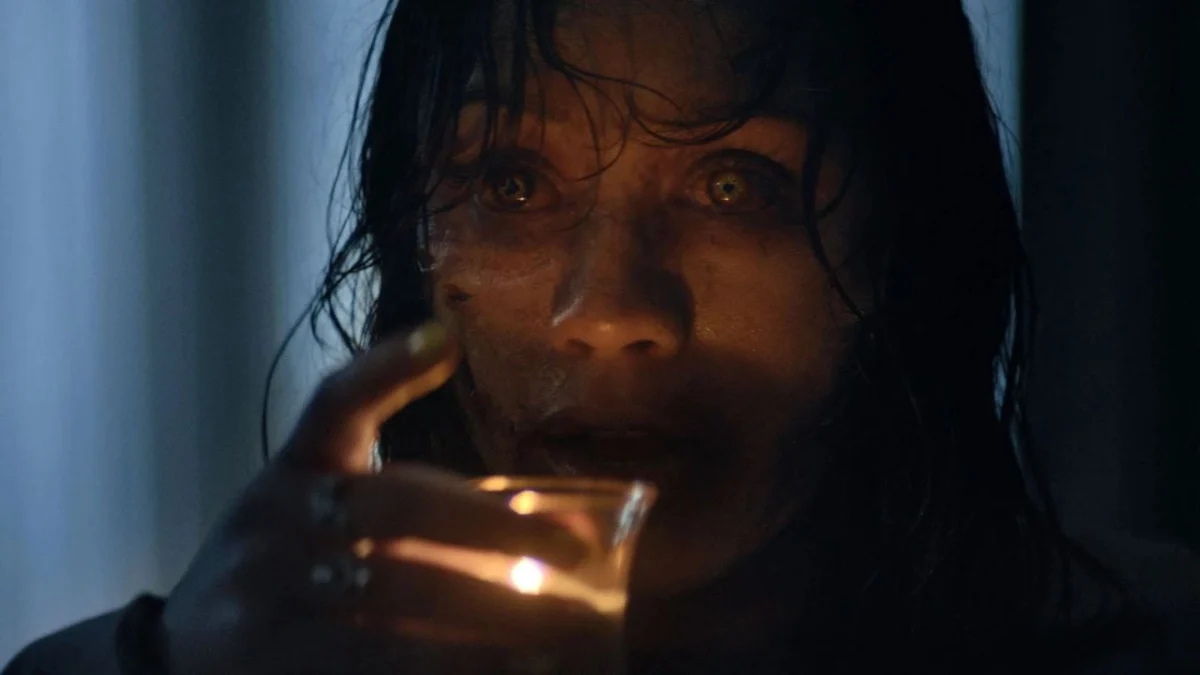
At the heart of Evil Dead Burn‘s chilling effectiveness is the performance of Luciane Buchanan, who portrays Tia, a character who becomes a central vessel for the demonic forces. Buchanan’s transformation into a Deadite has been singled out by critics and audiences alike as a standout element, contributing significantly to the film’s terrifying atmosphere. Her nuanced portrayal captures the unsettling duality of possession, shifting seamlessly between vulnerability and monstrous malevolence.
A Legacy of Possession: Influences and Originality
In a recent interview, Buchanan discussed her approach to embodying a Deadite, revealing that she drew inspiration from previous iconic performances within the Evil Dead universe. "You know, I’m a big fan of Jane Levy’s Mia and Alyssa Sutherland’s Ellie," Buchanan stated. This acknowledgment points to the rich history of memorable Deadite portrayals that have defined the franchise, from the original trilogy to the more recent installments. Levy, who captivated audiences as Mia in Fede Alvarez’s 2013 reboot Evil Dead, and Sutherland, whose terrifying turn as Ellie in Evil Dead Rise earned widespread acclaim, have set a high bar for actors taking on these demonic roles.
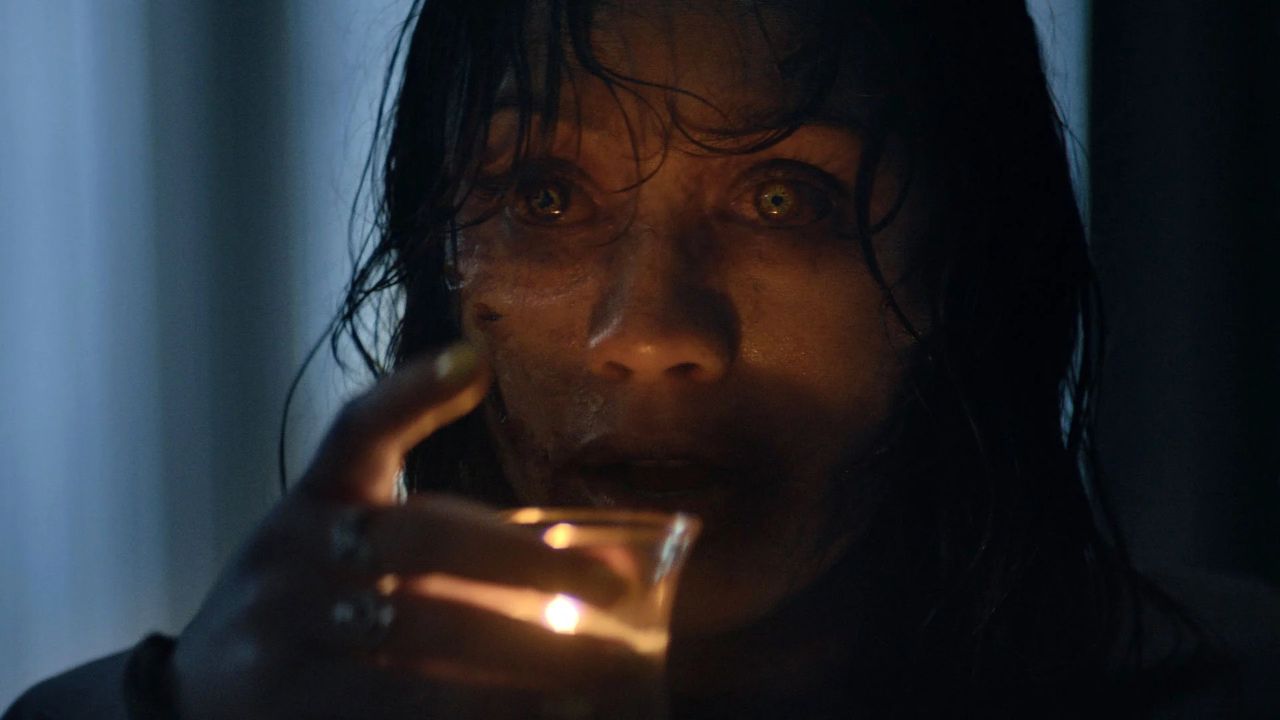
Buchanan elaborated on her admiration for Levy and Sutherland’s work, noting, "I just find their physicality really interesting, as well as their facial expressions. It’s so simple, but they’re doing so much." She emphasized, however, that her aim was not to replicate these performances but to forge her own distinct interpretation of the possessed. "But I didn’t want to replicate it. I wanted Tia to be her own person. So, yeah, it was just a collaboration with all departments and trying to figure out who she was." This commitment to originality, while respecting the franchise’s established lore, is a testament to the actor’s dedication to her craft and her understanding of what makes a compelling Deadite antagonist.
The impact of Alyssa Sutherland’s performance in Evil Dead Rise cannot be overstated. Her portrayal of Ellie was widely lauded for its raw intensity and terrifying physicality, becoming an instant fan favorite and a benchmark for future Deadite characters. While Lily Sullivan delivered a powerful performance as the film’s protagonist, it was Sutherland’s unsettling transformation that many felt elevated the film to new heights of horror. Similarly, Jane Levy’s portrayal of Mia in the 2013 Evil Dead is often considered an underrated gem. Her performance was not only terrifying but also featured one of the franchise’s most iconic and satisfying moments, cementing her legacy within the Evil Dead canon. Buchanan’s acknowledgment of these predecessors underscores the collaborative nature of filmmaking and the shared effort in creating memorable horror characters.
Crafting the Demonic Visage: Makeup and Practical Effects
The visual realization of the Deadites in Evil Dead Burn is a crucial element of its horror, and Buchanan’s transformation into Tia was a significant undertaking. Despite the often arduous nature of extensive prosthetic and makeup work in horror films, Buchanan reported a relatively manageable process. "I think on the worst day, it was roughly three hours. But the more we did it, we knocked some time off," she explained. While three hours in the makeup chair is still a considerable commitment, it stands in contrast to some of the more notoriously lengthy makeup application processes endured by actors in other horror productions, which can sometimes extend to six hours or more.
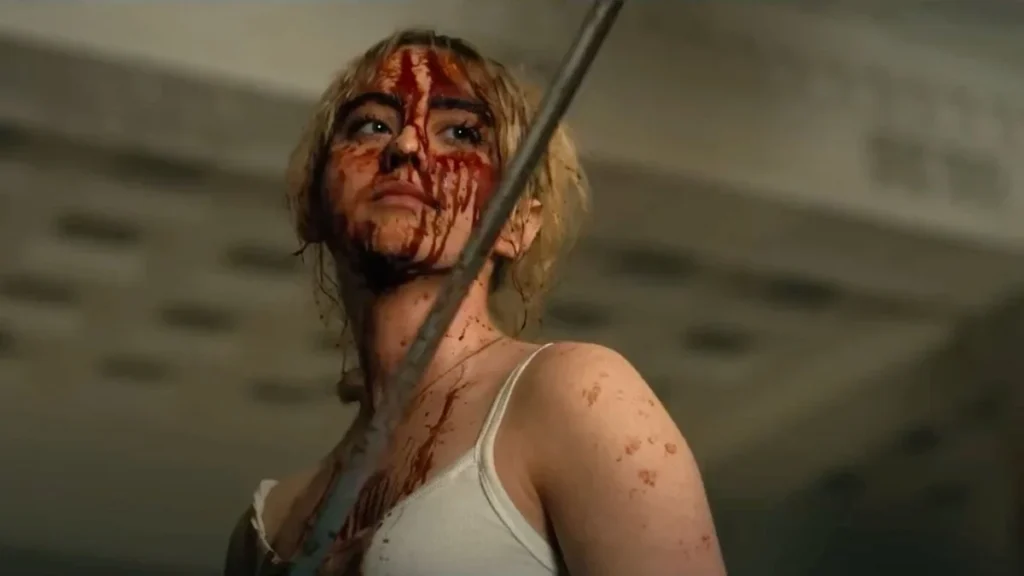
Buchanan’s enthusiasm for the process was palpable, particularly when discussing the intricate practical effects used to create some of the film’s most striking and disturbing images. She detailed the preparation involved in one particularly memorable sequence featuring a headrest embedded in her face. "The whole headrest was weeks and weeks of preparation. The rods were made out of paper straws that they sprayed with metallic paint… It was crazy. I had magnets stuck to my throat and whatnot. It was just fun to explore the process, and it turned out really great." This dedication to practical effects, combined with Buchanan’s spirited performance, contributes to the film’s authentic and unsettling horror. The innovative use of everyday objects, transformed through skillful artistry, exemplifies the creative ingenuity often found in low-budget horror filmmaking, and highlights the collaborative effort between actors and the special effects teams.

Narrative Context: A Family Reunion from Hell
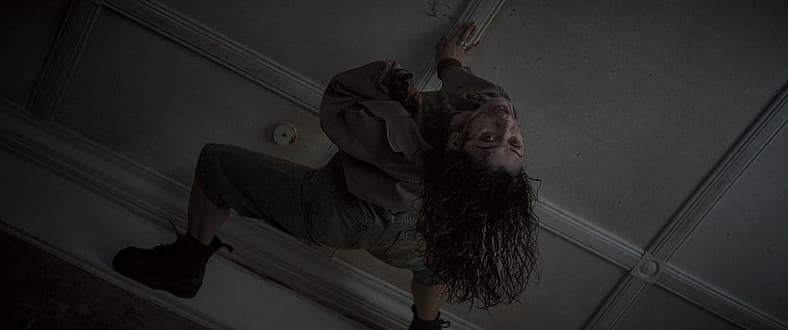
Evil Dead Burn centers on a woman seeking refuge with her in-laws in their secluded family home following the loss of her husband. The narrative takes a terrifying turn as the family members are systematically possessed by demonic entities, transforming what should be a somber gathering into a nightmarish ordeal. The film’s premise taps into primal fears of home invasion and the corruption of familial bonds, themes that have resonated throughout the Evil Dead franchise. The invocation of ancient evils within the sanctity of a home provides a potent backdrop for the escalating chaos and gore.
The film features a strong ensemble cast, with Dune: Part Two actress Souheila Yacoub taking on the role of Alice. Also starring are Hunter Doohan (Wednesday), Luciane Buchanan (The Night Agent), and Tandi Wright (Pearl). The supporting cast includes Erroll Shand, Edgar Price, Maude Davey, Keanu Karim, and Victory Ndukwe, all contributing to the film’s immersive and terrifying world. The casting choices aim to blend established talent with emerging actors, a strategy that has served the Evil Dead franchise well in its continuous efforts to refresh its narrative while honoring its roots.
Franchise Longevity and Box Office Performance
The Evil Dead franchise, originating with Sam Raimi’s 1981 cult classic The Evil Dead, has consistently proven its ability to reinvent itself and appeal to new generations of horror fans. The original film, known for its low-budget ingenuity and extreme gore, spawned two sequels and a television series, Ash vs Evil Dead. The 2013 remake, directed by Fede Alvarez, revitalized the franchise for a modern audience, demonstrating the enduring appeal of the Necronomicon Ex-Mortis and its malevolent influence. Evil Dead Rise, released in 2023, continued this trend of critical and commercial success, grossing over $147 million worldwide against a $19 million budget, according to Box Office Mojo.
While specific box office figures for Evil Dead Burn are still emerging as of its release, the film’s R rating from the MPA suggests a commitment to the franchise’s graphic and intense style, a factor that has historically driven significant fan engagement. The rating, typically granted for strong bloody violence, gore, and language, signals that Evil Dead Burn will not shy away from the visceral horror that fans have come to expect. This deliberate approach to content often translates into strong word-of-mouth and dedicated fan following, which are crucial for the long-term success of horror franchises.
Broader Impact and Analysis
The continued success of Evil Dead Burn underscores the enduring appeal of practical effects and visceral horror within the contemporary cinematic landscape. In an era often dominated by CGI-heavy blockbusters, the Evil Dead franchise, and particularly this latest installment, demonstrates a commitment to tangible, in-camera effects that resonate with audiences. This approach not only enhances the authenticity of the horror but also pays homage to the foundational filmmaking techniques that established the genre.
Furthermore, the franchise’s ability to introduce new characters and storylines while maintaining a consistent tone and thematic core speaks to the strength of its underlying mythology. The Necronomicon, as a narrative device, provides an inexhaustible source of demonic conflict, allowing for diverse settings and character-driven narratives. The success of Evil Dead Burn suggests that audiences are eager for these familiar yet fresh explorations of demonic possession and the ultimate battle for survival against unspeakable evil. The film’s critical reception and audience anticipation indicate a strong potential for continued franchise expansion, possibly exploring new narrative avenues or revisiting beloved characters and locations in future installments. The ongoing exploration of the Evil Dead universe demonstrates a remarkable staying power, suggesting that the primal fears and gruesome delights it offers will continue to captivate horror enthusiasts for years to come.