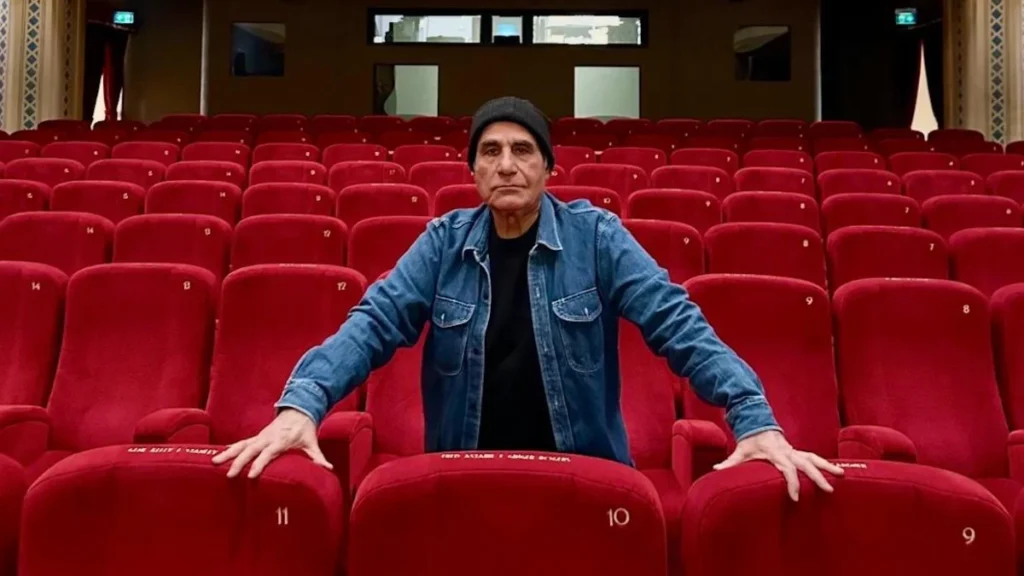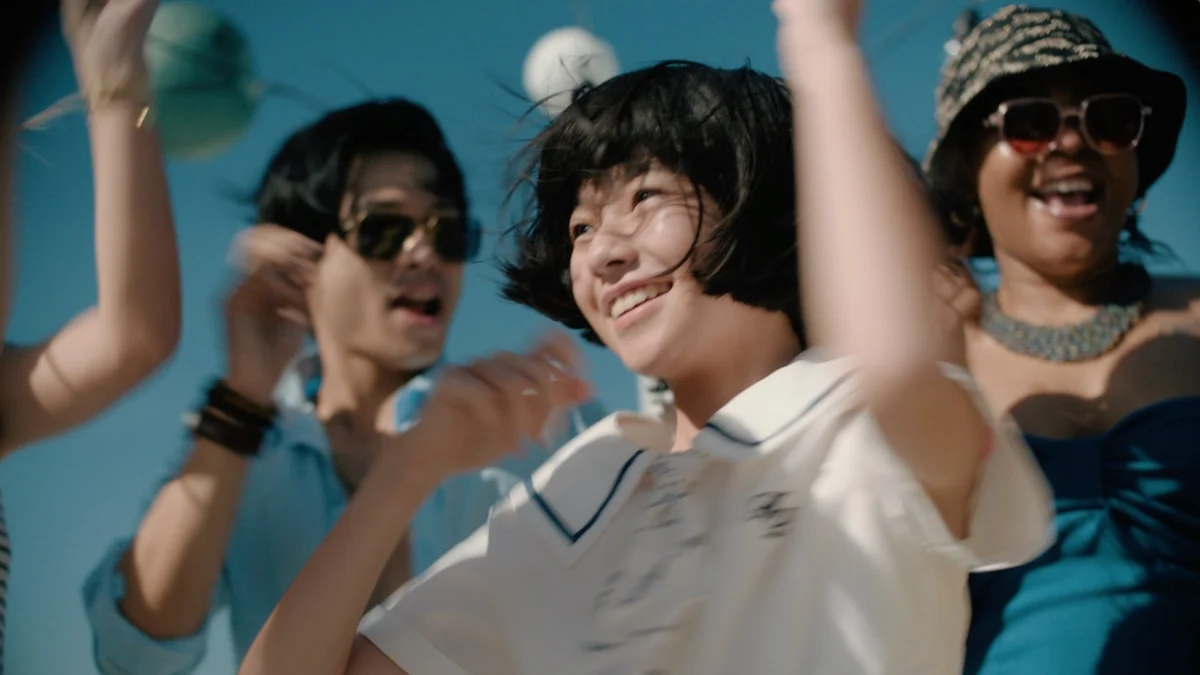
Chie Hayakawa’s 2026 feature film, Renoir, offers a poignant exploration of preteen Fuki’s (Yui Suzuki) darkening perspective on life as her father confronts a terminal illness. Set in 1987, the narrative unfolds against the vibrant yet precarious backdrop of Japan’s "bubble period," a time of unprecedented financial and real-estate speculation that dramatically reshaped the nation’s economy decades after its remarkable post-war recovery. Within this era of apparent affluence, Fuki’s journey becomes one of awakening, as she grapples with the complexities of human relationships and the repercussions of her own choices. A serendipitous encounter with a reproduction of Pierre-Auguste Renoir’s 1880 portrait, Irène Cahen d’Anvers, serves as a pivotal moment, providing Fuki with a nascent understanding of her own burgeoning identity and how she wishes to navigate the world.
The film’s perspective is meticulously crafted through Fuki’s eyes, juxtaposing her rich inner life, which includes a distinct fascination with the macabre, against the mundane routines and societal expectations typically associated with an 11-year-old. This narrative approach marks a significant stylistic departure from Hayakawa’s critically acclaimed debut, Plan 75 (2022). While Plan 75 provocatively envisioned a near-future Japan where the government implements an incentivized euthanasia program for senior citizens to address a looming population crisis – a stark reflection of projections that one-third of all Japanese people will be over 65 by 2050 – Renoir delves into a more mysterious and perhaps emotionally riskier terrain. Both films, however, demonstrate Hayakawa’s distinctive ability to navigate the complexities of grief and suffering without resorting to facile catharsis or cheap sentimentality, thereby forming a compelling diptych on the human experience of loss. Renoir is currently engaging audiences at the IFC Center in New York, with an upcoming opening this Friday at the NuArt in Los Angeles, and further expansion to other cities through Film Movement.
The Bubble Economy: A Golden Age and its Undercurrents
The 1980s in Japan, particularly the latter half, witnessed the phenomenon known as the "bubble economy" (バブル景気, baburu keiki). Triggered in part by the 1985 Plaza Accord, which led to a rapid appreciation of the yen, the Bank of Japan responded with loose monetary policies, including low interest rates, to prevent an economic downturn. This influx of liquidity fueled rampant speculation in real estate and stocks, leading to an explosion of wealth and a widespread sense of optimism. Land prices soared, and the Nikkei 225 stock index reached unprecedented heights. This period was characterized by lavish spending, extravagant lifestyles, and a pervasive belief that prosperity would continue indefinitely. For Fuki, growing up in 1987, this societal mood of boundless possibility and material abundance forms an ironic contrast to her personal confrontation with mortality and the fragility of life.
Director Chie Hayakawa, drawing from her own childhood experiences during this era, highlights the subtle cultural nuances that define the period. The film’s depiction of children dancing to Yellow Magic Orchestra songs at camp, the novelty of phone chat services, and the prevalence of VHS tapes are not mere nostalgic props but integral elements that paint a picture of a world on the cusp of profound technological and social change. Hayakawa observes that this pre-smartphone, pre-internet era fostered a different kind of connection to reality, where personal relationships, though perhaps simpler, felt more tangible. The widespread belief in phenomena like television psychics, as depicted in the film, is presented not as naivete but as a "carefree quality" reflective of an optimistic populace. The outside world, particularly the West, was viewed with immense admiration and a sense of mysterious allure, further solidifying the prevailing belief in a brighter future for Japan.
The Art of Influence: Renoir’s Portrait and Japanese Identity
A central motif in Renoir is Fuki’s fascination with a reproduction of Auguste Renoir’s Irène Cahen d’Anvers. This particular choice of artwork is deeply rooted in the socio-cultural landscape of 1980s Japan. Following its "miraculous" post-war economic recovery, Japan harbored a strong desire to align itself with the "First World." This aspiration manifested in an immense admiration for Western culture, art, and history. Consequently, there was a widespread trend of Japanese households purchasing replicas of European masterworks. These "fake paintings," often encased in ornate, Gothic frames, were common fixtures in even the smallest Japanese homes, creating an incongruous yet fascinating visual. Hayakawa’s personal anecdote of begging her parents for such a painting, acquired from a newspaper advertisement, underscores the genuine enthusiasm and innocence that characterized this cultural absorption.
The painting itself, Irène Cahen d’Anvers, depicts an eight-year-old girl, the daughter of a wealthy French banker, in a moment of youthful grace and innocence. For Fuki, encountering this image provides a powerful, almost subconscious, clue into her own emerging taste and the manner in which she wishes to present herself to the world. It symbolizes a connection to a perceived elegance and self-possession that she may aspire to amidst her personal turmoil. The director notes that the original replica she owned was significantly larger than the one featured in the film, its gaudy frame in a typical Japanese home serving as a symbolic representation of the era’s collective outlook—an earnest, perhaps somewhat naive, embrace of foreign ideals.
The Adult World: Loneliness and Societal Pressures
Beyond Fuki’s individual narrative, Renoir subtly explores the loneliness and complex emotional landscapes of the adults around her. A compelling subplot focuses on Fuki’s mother, who, while grappling with the impending death of her husband, is compelled by her company to attend a course on workplace interaction. This mandated training, particularly in a period when concepts like "anger management" were gaining traction from Western influence, highlights the societal pressures and evolving corporate culture in Japan. Hayakawa reveals a deeply personal motivation behind this depiction, drawing from her own mother’s struggles with anger and the realization, in adulthood, of the profound isolation such emotional difficulties can bring.
The film portrays the mother’s journey with empathy, moving beyond a simplistic judgment of her anger to explore its roots in humiliation and loneliness. The requirement to attend such a course, a foreign concept at the time, is presented as deeply humiliating, fueling her resentment. However, it also becomes an unexpected avenue for connection, where she encounters someone who recognizes her inherent goodness. This narrative thread speaks to the broader societal transformations in Japan, where Western ideas and practices were increasingly being adopted, often with complex and sometimes isolating effects on individuals navigating traditional values alongside new demands. The father’s own isolation, though less explicitly detailed, also contributes to the film’s nuanced portrayal of adult vulnerability.
A Diptych of Despair and Compassion: Renoir and Plan 75
Chie Hayakawa’s two feature films, Renoir and Plan 75, form a fascinating and thematically rich diptych, each exploring grief, societal anxieties, and human connection, albeit through vastly different lenses. While Renoir delves into personal loss and coming-of-age in a seemingly optimistic past, Plan 75 confronts the stark realities of Japan’s future demographic crisis. The latter film’s premise—an incentivized euthanasia program for citizens over 75—is a direct response to the nation’s rapidly aging population and declining birth rate. Projections indicate that by 2050, nearly 35% of Japan’s population could be 65 or older, placing immense strain on social welfare, healthcare, and the workforce.
The reception of Plan 75 varied significantly between international and domestic audiences. Abroad, it was often described as a "dystopian sci-fi" film, a categorization Hayakawa herself found "fresh" but didn’t personally identify with, viewing it more as a parallel reality to contemporary society. In Japan, however, the film resonated with a chilling immediacy. Many viewers described it as "scarier than a horror movie" precisely because the depicted scenario felt disturbingly plausible, even "an inevitability." This shift in perception was notably accelerated by the COVID-19 pandemic. A short film version of Plan 75 made four years prior was dismissed as unrealistic, but the pandemic forced a global re-evaluation of human worth, productivity, and the marginalization of vulnerable populations. The widespread discussions in Japan about valuing or devaluing individuals based on their economic contribution made the film’s themes particularly resonant, highlighting the precariousness of the elderly in a society increasingly focused on efficiency and youth.
Hayakawa’s films thus become powerful commentaries on Japan’s contemporary anxieties. The lingering memory of the bubble period’s optimism now contrasts sharply with a pervasive sense of concern about the future. The aging population, declining birth rates, and anticipation of societal collapse contribute to a widespread feeling of helplessness. The older generation, often clinging to the "old ways" of the bubble era, is perceived as unwilling to embrace change, exacerbating a national sense of stasis. While Western societies often face issues of an older, wealthy political class refusing to relinquish power, Hayakawa emphasizes that in Japan, the primary concern is the economic struggle and discrimination faced by the majority of the elderly, often labeled as a "burden." Both Renoir and Plan 75, despite their distinct settings and narratives, are ultimately works of profound compassion, navigating the tough realities of loss and societal pressure with a deep understanding of human vulnerability.
Crafting Vision: Directorial Style and International Collaboration
Chie Hayakawa’s journey as a filmmaker is marked by a unique path, having not followed the traditional Japanese route of starting as an assistant director. This unconventional background has informed her distinctive directorial style and her approach to collaboration. For Plan 75, her debut feature, Hayakawa candidly admitted her initial uncertainty about the film’s quality to her cast and crew, a moment she now humorously disavows, highlighting her growth and confidence. Her collaboration with cinematographer Hideho Urata, who also shot Renoir, has been pivotal. Despite challenging circumstances during Plan 75‘s production, including Urata’s delayed arrival from Singapore due to COVID-19 lockdowns, their shared sensitivity to image-making allowed for an improvisational yet harmonious working relationship. The visual differences between the films are intentional: Plan 75 utilized handheld shots for scenes involving the Filipino care worker, emphasizing her vitality, while Renoir exhibits a more composed and subtly beautiful aesthetic, balancing wistful summer vibes with the creeping onset of grief.
Both Plan 75 and Renoir are international co-productions, a strategic necessity for Hayakawa’s original screenplays. The Japanese film industry, while robust, often favors adaptations of best-selling novels, manga, or anime, which are perceived as less risky investments for the domestic market. Hayakawa estimates that perhaps 90% of hit films in Japan are based on pre-existing intellectual property. This landscape makes securing funding for original scripts, especially for debut features, challenging. Consequently, Hayakawa sought support from Europe, where numerous grants and festival sections are dedicated to first-time filmmakers. This international approach, while making her development process "not so Japanese," reflects a broader trend in global cinema where national borders are increasingly blurred. The influx of foreign directors working in Japan and Japanese directors venturing abroad signifies a growing interconnectedness, fostering diverse narratives and production methodologies.
The Optimistic Pessimist
Chie Hayakawa describes herself as an "optimistic pessimist," a sentiment that encapsulates the underlying tone of her cinematic oeuvre. Her films do not offer easy answers or saccharine resolutions; instead, they confront the inherent difficulties of life, loss, and societal challenges with a profound sense of realism. In Renoir, Fuki’s childhood memories are tinged with worry, stress, loneliness, and isolation, reflecting Hayakawa’s own experiences and contributing to the film’s sober, rather than overtly romantic, portrayal of girlhood. Yet, within this realism, there is an undeniable undercurrent of compassion and hope.
Hayakawa’s work resonates deeply with audiences who have experienced personal grief, as illustrated by the profound impact Renoir had on one interviewer grappling with familial illness. The film captures the paradoxical loneliness of loss, even amidst an outpouring of sympathy, and explores the complex, sometimes guilt-inducing, emotions that arise when confronting death. From Fuki’s initial self-centered excitement about potential sympathy to the mother’s "performance" of widowhood at a funeral, Hayakawa meticulously unpacks the layered, strange, and often contradictory nature of human reactions to profound sorrow. Ultimately, through her unflinching gaze at individual suffering and broader societal anxieties, Chie Hayakawa offers a powerful, empathetic vision, inviting audiences to reflect on the universal experience of what it means to be human in an increasingly complex world.