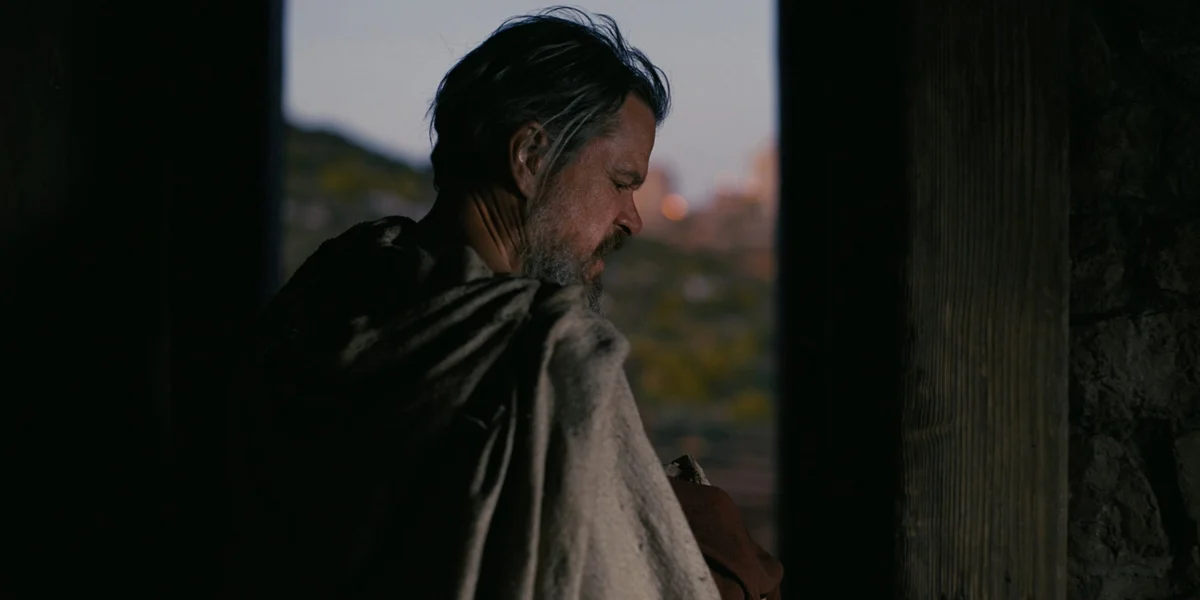
The global film industry is poised for a critical juncture as the full scale of critical reactions and official review scores for Christopher Nolan’s latest epic, The Odyssey, are scheduled for release tomorrow. These evaluations will serve as the primary barometer for whether the film validates early social media buzz and burgeoning Academy Award predictions. Industry analysts suggest that regardless of the immediate critical consensus, the film’s projected box office performance and its emphasis on large-format IMAX technology position it as a formidable contender for a Best Picture nomination. Should The Odyssey secure a place in the final lineup, it would mark a significant milestone in Nolan’s career, further solidifying his standing among the most influential filmmakers of the 21st century.
The Evolution of the Academy Awards and the Nolan Influence
To understand the stakes of The Odyssey’s awards trajectory, one must examine the historical relationship between Christopher Nolan and the Academy of Motion Picture Arts and Sciences (AMPAS). The modern era of the Academy Awards is often defined by the "expansion" that occurred in 2009. Following the 81st Academy Awards in 2008, significant public and industry outcry followed the omission of Nolan’s The Dark Knight from the Best Picture category. Despite its immense critical acclaim and status as a cultural phenomenon, the film was relegated to technical categories, leading to the Academy’s decision to expand the Best Picture field from five nominees to a maximum of ten.
This rule change, frequently referred to in cinematic circles as the "Nolan Rule," was intended to allow for a broader range of films—particularly high-quality blockbusters—to compete for the industry’s highest honor. In the 17 years since this expansion, Nolan has become a perennial fixture in the conversation. If The Odyssey earns a Best Picture nomination, it will be the third out of his last four films to achieve this feat and his fourth overall. This achievement would place him in a rarefied tier of directors who have consistently bridged the gap between commercial spectacle and prestigious recognition.
Statistical Standing in the Expanded Best Picture Era
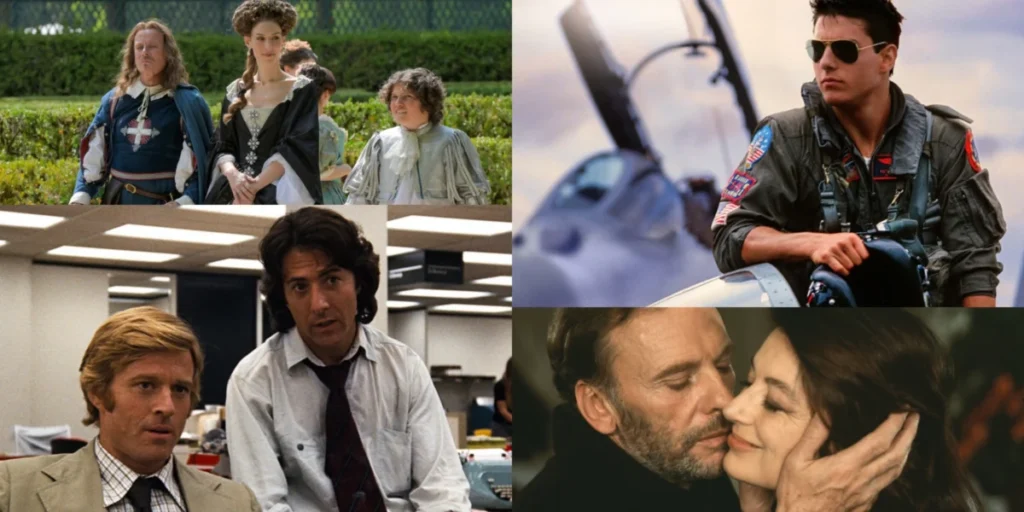
The data regarding Best Picture nominations since the 2009 expansion reveals a concentrated group of directors who have maintained a dominant presence. Leading this group is Steven Spielberg, who has secured six Best Picture nominations in the expanded era for films including War Horse, Lincoln, Bridge of Spies, The Post, West Side Story, and The Fabelmans. Spielberg’s upcoming project, Disclosure Day, is widely expected to be his seventh nomination in this period. Following Spielberg is Martin Scorsese, who has earned four nominations since 2009 for The Irishman, Hugo, The Wolf of Wall Street, and Killers of the Flower Moon.
Currently, Christopher Nolan is part of a ten-director "logjam" of filmmakers who have produced three Best Picture nominees during this timeframe. This group includes:
- Denis Villeneuve: Arrival, Dune, Dune: Part Two
- Quentin Tarantino: Inglourious Basterds, Django Unchained, Once Upon a Time in Hollywood
- Greta Gerwig: Lady Bird, Little Women, Barbie
- Yorgos Lanthimos: The Favourite, Poor Things, Kinds of Kindness (projected)
- Paul Thomas Anderson: Phantom Thread, Licorice Pizza, One Battle After Another
- Guillermo del Toro: The Shape of Water, Nightmare Alley (plus a win for Shape of Water)
- Adam McKay: Short Term 12, The Big Short, Don’t Look Up
- Alexander Payne: The Descendants, Nebraska, The Holdovers
- David O. Russell: The Fighter, Silver Linings Playbook, American Hustle
A nomination for The Odyssey would allow Nolan to break away from this group and join the ranks of Spielberg and Scorsese as the only directors with four or more nominations in the expanded era. This statistical leap is particularly notable because Nolan’s films are almost exclusively original concepts or complex adaptations of historical events, often lacking the built-in audience of established franchises—with the exception of his work on the Batman trilogy.
Comparative Analysis of Contemporary Auteurs
The competition for historical dominance is not limited to veteran directors like Spielberg and Scorsese. Denis Villeneuve is often cited as Nolan’s closest contemporary rival in terms of scale and ambition. Villeneuve could potentially join the four-nomination tier in 2026 with the release of Dune: Part Three. However, analysts point out a distinction in their respective filmographies: three of Villeneuve’s four potential nominations would stem from a single franchise, whereas Nolan’s nominations would represent four distinct, standalone narratives (Inception, Dunkirk, Oppenheimer, and The Odyssey).
Furthermore, Nolan’s status is bolstered by his multi-hyphenate role as a writer-director. A Best Adapted Screenplay nomination for The Odyssey would be his third writing nomination in the expanded era, following Inception and Oppenheimer. In contrast, Spielberg has only one writing nomination since 2009 (The Fabelmans), and Scorsese has none. This versatility places Nolan in a unique position where his authorial voice is recognized as much as his visual direction.
The Challenge of the Second Win
While nominations are a measure of consistency, the true mark of historical greatness is often measured in wins. Christopher Nolan entered the exclusive club of Best Picture and Best Director winners with Oppenheimer in 2023. History suggests, however, that the Academy is often hesitant to award a director a second Best Picture trophy shortly after their first.
If The Odyssey were to win Best Picture, Nolan would become the first director to win twice in the expanded era. Looking further back, he would join a legendary list of two-time winners that has not seen a new addition since Clint Eastwood won for Unforgiven (1992) and Million Dollar Baby (2004). Other directors who have achieved this include Francis Ford Coppola, Frank Capra, and David Lean.
The 2024-2025 awards season also sees the return of Alejandro González Iñárritu with his film Digger. Iñárritu holds a unique position in the modern era, having won back-to-back Best Director Oscars for Birdman (2014) and The Revenant (2015). If Digger—which stars Tom Cruise—performs as expected, Iñárritu could potentially block Nolan’s path to a second win, potentially securing a third Best Director trophy for himself.
Technical Specifications and Market Impact
A significant factor in the "safe" projection of The Odyssey as a nominee is its technical ambition. Nolan’s commitment to the IMAX format has transformed his releases into "event cinema," which the Academy has increasingly sought to honor to maintain the relevance of the theatrical experience. The Odyssey reportedly utilizes next-generation IMAX film cameras and practical effects on a scale that surpasses even the Trinity test sequence in Oppenheimer.
The box office implications of this technical scale cannot be overstated. In an era where mid-budget dramas struggle to find theatrical audiences, Nolan’s ability to draw massive crowds for high-concept, non-franchise films provides a compelling narrative for Academy voters. The "saving cinema" narrative that surrounded Oppenheimer and Tom Cruise’s Top Gun: Maverick continues to be a potent influence on voting blocks within the AMPAS.
Chronology of Key Upcoming Milestones
As the awards season begins to take shape, several key dates will determine the momentum for The Odyssey:
- Critical Embargo Lift: Tomorrow’s release of full reviews will set the baseline for the film’s "Metacritic" and "Rotten Tomatoes" scores, which are often used by voters as a quick reference for consensus.
- Wide Theatrical Release: The opening weekend box office will demonstrate whether Nolan’s brand remains a primary driver for domestic and international audiences.
- Guild Awards (January – February): Nominations from the Directors Guild of America (DGA), Producers Guild of America (PGA), and Writers Guild of America (WGA) will provide the most accurate data on the film’s standing among industry peers.
- Academy Award Nominations: The official announcement will confirm whether Nolan has officially ascended to the four-nomination tier alongside Spielberg and Scorsese.
Implications for the Future of Filmmaking
The performance of The Odyssey will likely dictate the industry’s willingness to fund large-scale, original auteur-driven projects. If Nolan continues his streak of critical and commercial success, it reinforces the viability of the "prestige blockbuster." This genre, which Nolan largely pioneered, allows for philosophical and narrative complexity within the framework of a high-budget spectacle.
For Nolan personally, the next few months represent a transition from being a "long-overdue" veteran to an established titan of the industry. Having already secured his first wins, the pressure of the "overdue" narrative has dissipated, allowing the work to be judged on its own merits. Whether or not The Odyssey takes home the top prize, its presence in the conversation confirms that the "expanded era" of the Academy Awards remains inextricably linked to Christopher Nolan’s cinematic output. The shift from the initial social media reactions to the calculated reality of the awards circuit begins tomorrow, marking the next chapter in a career that has already redefined the boundaries of modern film.