Vietnamese horror continues its compelling international ascent with "Phi Phong: The Blood Demon," a supernatural thriller directed by Quoc Trung Do, which recently garnered significant attention during its screening at the prestigious Bucheon International Fantastic Film Festival (BIFAN). The film, deeply rooted in Vietnamese folklore, represents a pivotal moment for the nation’s burgeoning genre cinema, showcasing both ambitious storytelling and refined technical execution on a global stage. While receiving praise for its atmospheric intensity and artistic merit, the film also provoked discussion regarding its narrative complexity and thematic resolution, highlighting the ongoing evolution of horror filmmaking in Southeast Asia.
A Deep Dive into "Phi Phong: The Blood Demon"
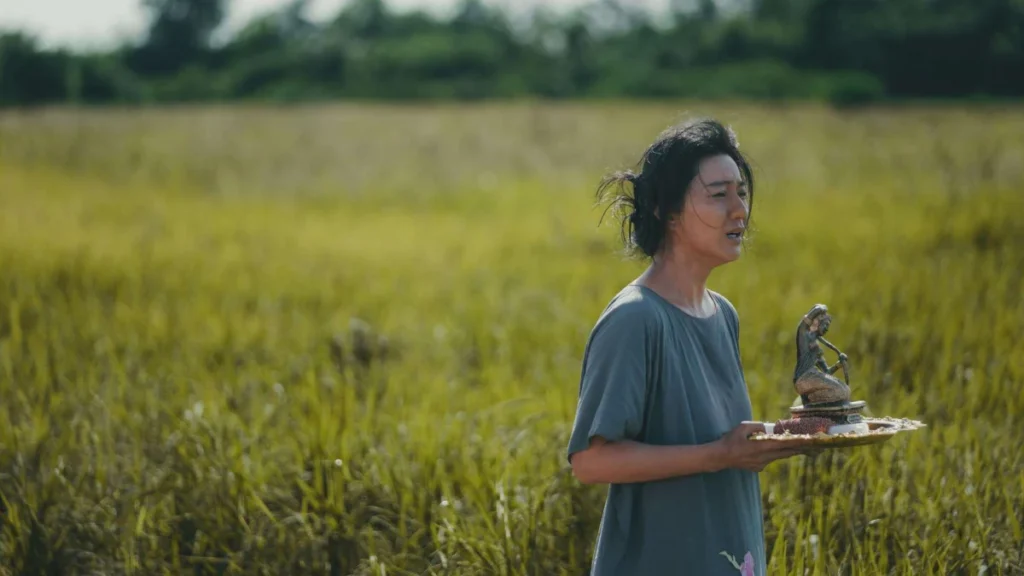
"Phi Phong: The Blood Demon" positions itself firmly within the supernatural horror subgenre, drawing heavily from the rich tapestry of Vietnamese traditional beliefs and local legends. Director Quoc Trung Do’s vision appears to be one that seeks to blend the visceral scares common in contemporary horror with the deeply personal and often unsettling narratives found in indigenous folklore. The film’s narrative is reportedly driven by a series of blood-soaked rituals, which serve as the catalysts for the terrifying events that unfold. These rituals are not merely ornamental; they are depicted as integral to the summoning or manifestation of the titular ‘Blood Demon,’ suggesting a deliberate exploration of ancient practices and their potential for horrific consequences when disturbed or misused.
The central antagonist, a body-hopping demon, introduces a layer of psychological terror and unpredictability. This narrative device allows for a dynamic and pervasive threat, where trust becomes fragile and the enemy can lurk within anyone. Such a creature challenges conventional portrayals of supernatural entities, moving beyond a single fixed form to embody a more insidious and elusive danger. This shapeshifting, or rather, host-shifting, ability inherently raises the stakes, transforming the battle against the demon into a race against time and an internal struggle for the characters involved, who must confront the horrifying possibility of their loved ones becoming vessels for malevolent forces.
Furthermore, the film features graphic possession scenes, a staple of supernatural horror, yet presented here with a distinct cultural lens. These sequences are often critical in conveying the sheer power and malevolence of the demonic entity, and in "Phi Phong," they are described as particularly intense, aiming to evoke a profound sense of dread and helplessness. The climax, set within a frantic cave, promises a high-octane confrontation that capitalizes on claustrophobia and primal fears. Caves, often symbolic of the underworld, hidden truths, or ancient secrets, provide a natural setting for a climactic battle against a supernatural entity born from folklore, amplifying the sense of isolation and imminent danger.
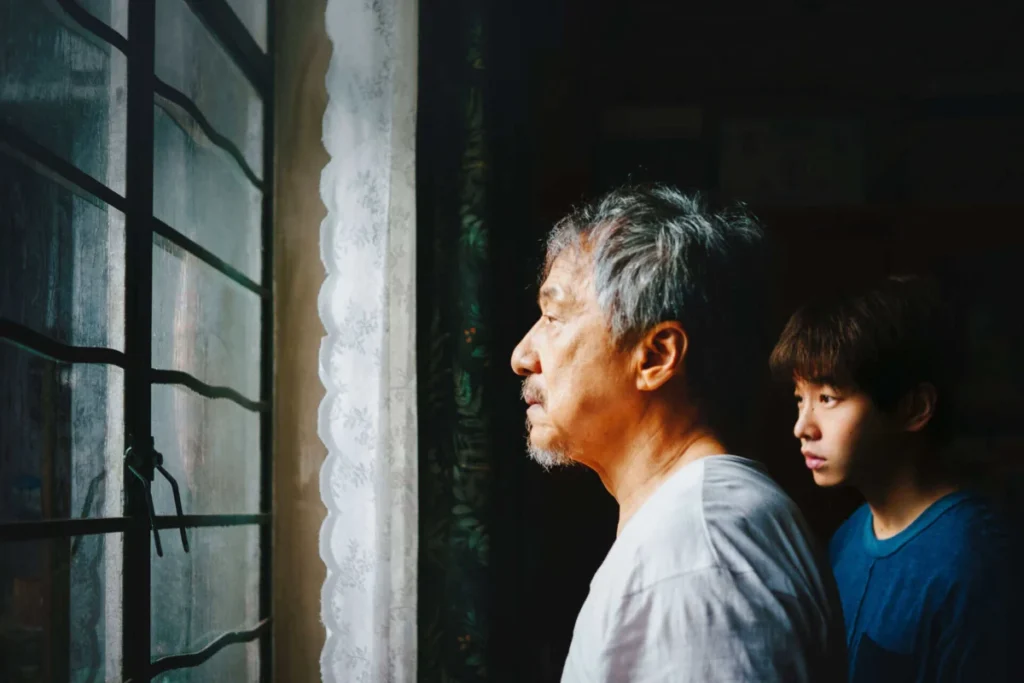
Beyond its thematic and narrative elements, the technical and artistic merits of "Phi Phong: The Blood Demon" have also been a focal point of critical discourse. The film is lauded for its polished cinematography, indicating a keen eye for visual storytelling and a sophisticated approach to creating atmosphere. This suggests meticulous attention to lighting, framing, and camera movement, all working in concert to enhance the horror and immerse the audience in the film’s unsettling world. Such visual refinement is crucial for elevating a genre film, demonstrating that Vietnamese cinema is capable of producing works that stand shoulder-to-shoulder with international productions in terms of aesthetic quality.
Complementing the visual prowess are the committed performances delivered by the cast. In horror, genuine fear and emotional vulnerability from actors are paramount to the audience’s engagement. The strong acting likely contributes significantly to the film’s ability to convey the terror and desperation of its characters, making their plight believable and their encounters with the supernatural genuinely chilling. This commitment from the cast underscores the professionalism and dedication within the Vietnamese acting community, signaling a maturing industry.
Moreover, the effective sound design is another critical component highlighted. Sound in horror is often as important, if not more so, than visuals in creating suspense, jump scares, and an overarching sense of dread. An effective soundscape in "Phi Phong" would involve a careful layering of ambient noises, unsettling musical scores, and sharp, impactful sound effects to punctuate moments of terror and build an immersive sonic environment. This combination of strong cinematography, compelling performances, and expert sound design forms a robust technical foundation that underpins the film’s ability to deliver its scares and atmosphere.
However, "Phi Phong: The Blood Demon" is not without its critical observations, particularly concerning its narrative construction. Some viewers and critics noted convoluted twists, suggesting that the plot’s complexity might occasionally detract from its clarity. While twists can enhance suspense, overly intricate or poorly explained narrative turns can lead to confusion and disengagement. Furthermore, the film’s unclear mythology was identified as a potential weakness. Given its premise as a folklore-driven thriller, a lack of clear exposition or consistent internal logic regarding the demonic entity and its origins could hinder the audience’s understanding and investment in the supernatural elements. A robust mythological framework often provides depth and credibility to supernatural horror, and its absence or ambiguity can weaken the film’s impact.
Finally, the melodramatic conclusion was cited as a point of contention. While emotional resonance is valuable, an ending that veers too heavily into melodrama might undermine the horror elements, potentially sacrificing the lingering dread or ambiguous terror often associated with successful genre films for a more overt emotional resolution. This balance between horror and drama is a perennial challenge for filmmakers, and "Phi Phong" appears to have navigated it in a way that garnered mixed reactions.
The Bucheon International Fantastic Film Festival Platform
The selection of "Phi Phong: The Blood Demon" for the Bucheon International Fantastic Film Festival is a significant achievement, underscoring the film’s international appeal and the growing recognition of Vietnamese genre cinema. BIFAN, founded in 1997, has established itself as one of Asia’s premier showcases for fantasy, horror, sci-fi, and independent cinema. Held annually in Bucheon, South Korea, the festival is renowned for its diverse programming, which not only celebrates established genre masters but also actively champions emerging talents and films from often underrepresented regions. Its mission is to foster a vibrant cinematic culture, encourage creativity, and facilitate networking within the global film industry.
For a film like "Phi Phong," being part of BIFAN’s official selection means invaluable international exposure. The festival draws a substantial audience of cinephiles, industry professionals, distributors, and critics from around the world. A successful screening at BIFAN can generate critical buzz, attract potential distribution deals, and open doors for the film and its creators to broader markets. It serves as a crucial launchpad, legitimizing the film’s artistic merit and commercial viability in the competitive global landscape. Moreover, BIFAN often features dedicated sections for Asian cinema, providing a platform for films like "Phi Phong" to connect with an audience specifically attuned to regional narratives and genre innovation.
The Ascent of Vietnamese Horror Cinema
The rise of Vietnamese horror cinema, as exemplified by "Phi Phong: The Blood Demon," is part of a broader renaissance within the country’s film industry. For decades following the Vietnam War, the national cinema largely focused on historical dramas, social realism, and propaganda films. However, with economic reforms and increasing cultural exchange in the 21st century, Vietnamese filmmaking has diversified considerably. The past decade, in particular, has seen a surge in commercially successful and critically acclaimed genre films, including horror.
This new wave of Vietnamese horror often distinguishes itself by drawing deeply from local culture, traditions, and anxieties. Unlike generic horror tropes, Vietnamese films frequently explore themes rooted in ancestor worship, traditional superstitions, the spiritual consequences of past traumas, and complex family dynamics. The "folklore-driven" aspect of "Phi Phong" is therefore not an isolated choice but a reflection of a wider trend where filmmakers are consciously tapping into unique cultural elements to craft distinct and resonant scares. This approach not only provides fresh narratives for global audiences but also offers a powerful means of cultural expression and preservation.
The success of films like "Phi Phong" in gaining international festival recognition indicates that Vietnamese filmmakers are increasingly confident in their ability to tell stories that are both authentically local and universally appealing. This burgeoning genre scene is also fueled by a growing domestic market, with younger audiences showing a strong appetite for local productions that reflect their cultural identity while offering modern cinematic experiences.
Statements and Industry Reactions
While specific direct quotes from Quoc Trung Do regarding "Phi Phong: The Blood Demon" at BIFAN were not provided in the original text, one can infer the director’s potential perspective. Do would likely emphasize his intention to bring a uniquely Vietnamese horror narrative to a global audience, highlighting the rich, untapped potential of the country’s folklore. He might speak about the challenges and rewards of translating traditional myths into a contemporary cinematic language, aiming to create a film that is both terrifying and culturally resonant. His focus would likely be on the film’s ability to evoke primal fears through culturally specific lenses, hoping to connect with viewers on a deeper, more emotional level through the story’s supernatural elements and human drama.
Festival programmers at BIFAN would likely commend "Phi Phong" for its ambition and its contribution to the diverse landscape of Asian genre cinema. Their statements might highlight the film’s technical prowess, particularly its visual and auditory design, as well as the committed performances that elevate the storytelling. They would likely position "Phi Phong" as a testament to the creative vitality emerging from Vietnam, a country whose cinematic voice is becoming increasingly distinct and compelling within the global genre sphere. The selection of the film underscores BIFAN’s commitment to showcasing innovative and culturally significant genre works from across Asia.
The general sentiment among critics and early audiences, as summarized by the original review’s points, suggests a nuanced reception. There is clear appreciation for the film’s aesthetic strengths—the polished cinematography, strong acting, and effective sound design are frequently praised for their ability to create an immersive and terrifying experience. These elements are recognized as demonstrating a high level of technical craftsmanship. However, the criticisms regarding convoluted twists, unclear mythology, and a melodramatic conclusion point to a desire for greater narrative coherence and consistency, especially when dealing with complex folklore. This feedback is constructive, indicating areas where future Vietnamese genre films might further refine their storytelling while maintaining their distinctive cultural flavor.
Implications for Regional and Global Cinema
The international visibility of "Phi Phong: The Blood Demon" carries significant implications for both the Vietnamese film industry and the broader landscape of regional and global cinema. For Vietnam, it signals a maturation of its filmmaking capabilities beyond its traditional strengths. Success at festivals like BIFAN can attract foreign investment, foster international co-productions, and encourage talent development within the country. It provides a blueprint for how culturally specific stories, when told with high production values and cinematic ambition, can resonate far beyond national borders. This, in turn, can lead to a more robust and diverse film industry, creating jobs and promoting Vietnamese culture worldwide.
For Asian horror, "Phi Phong" contributes to an already vibrant and diverse genre landscape. While East Asian horror (Japan, South Korea, Thailand) has long held a prominent place, the emergence of strong genre voices from Southeast Asia, particularly Vietnam, enriches the regional tapestry. These films bring new mythological frameworks, unique cultural anxieties, and distinct aesthetic sensibilities, preventing the genre from becoming stale and continuously offering fresh perspectives on fear. This diversification ensures that Asian horror remains a dynamic and influential force in global cinema.
On a global scale, the success of films like "Phi Phong" reinforces a growing appetite for distinctive voices and narratives. In an increasingly interconnected world, audiences are eager to explore stories that offer cultural insights alongside genre thrills. The film’s presence at BIFAN exemplifies the trend of global cinema actively seeking out and celebrating films that defy easy categorization and bring unique cultural specificities to universal themes of fear, survival, and the supernatural. It demonstrates that compelling storytelling, regardless of origin, can find a receptive audience and contribute to the rich mosaic of world cinema.
Looking Ahead
The journey of "Phi Phong: The Blood Demon" is far from over. Its screening at BIFAN serves as a crucial stepping stone towards wider distribution, potentially securing theatrical releases in various countries or landing on international streaming platforms. Such exposure would not only allow a broader audience to experience the film but also solidify its commercial potential and critical legacy. For director Quoc Trung Do, this project could mark a significant turning point in his career, establishing him as a prominent voice in Vietnamese genre filmmaking and opening doors for future international collaborations and projects.
The trajectory of Vietnamese genre filmmaking, particularly horror, appears promising. The momentum generated by films like "Phi Phong" suggests a sustained period of growth and innovation. Challenges remain, including securing consistent funding, developing specialized genre talent, and navigating international distribution complexities. However, with a strong foundation in rich folklore, a burgeoning pool of talented filmmakers, and an increasing appetite from both domestic and international audiences, Vietnamese horror is well-positioned to continue its ascent, offering compelling, culturally resonant, and genuinely terrifying cinematic experiences for years to come. "Phi Phong: The Blood Demon" stands as a potent symbol of this exciting and evolving cinematic landscape.