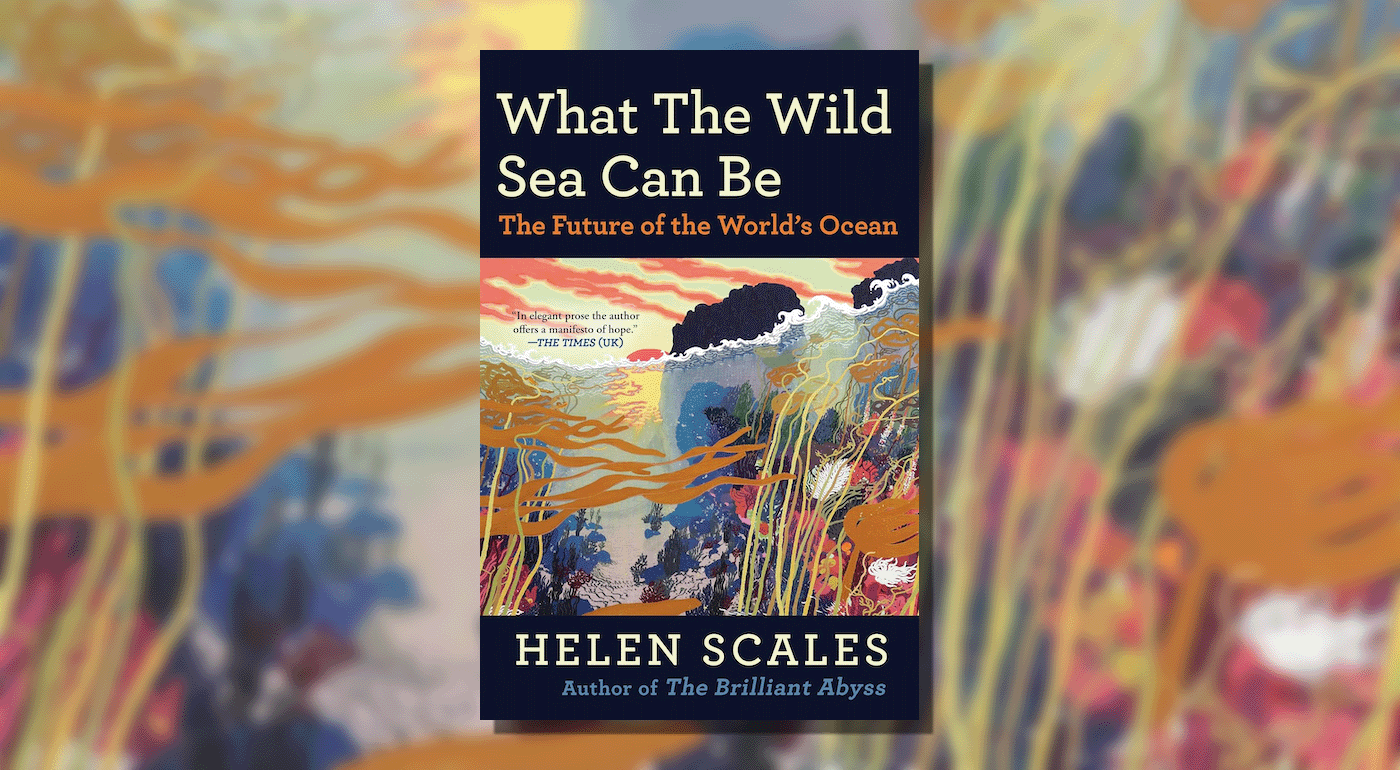
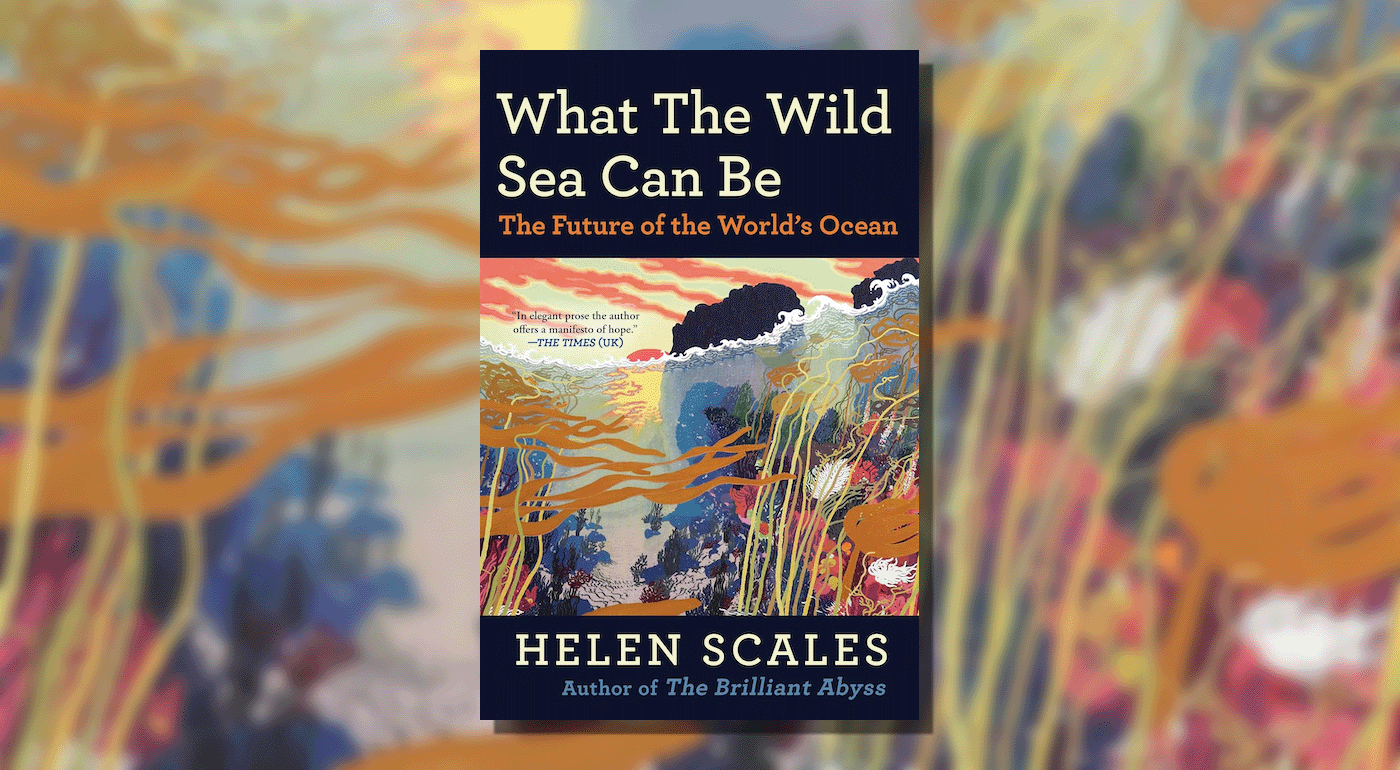
Dr. Helen Scales, a renowned marine biologist and nature writer, offers a comprehensive examination of the current state and future trajectory of the world’s oceans in her latest book, "What the Wild Sea Can Be: The Future of the World’s Oceans." The work serves as both a meticulous census of the multifaceted impacts of climate change on marine ecosystems and an evocative exploration of their intricate beauty. Scales delves into the profound transformations, both beneficial and detrimental, that are poised to reshape oceanic life in the coming decades, providing a crucial resource for understanding the challenges and potential solutions facing our planet’s vital water bodies.
A Deep Dive into Oceanic Threats and Resilience
Scales begins by establishing a foundational understanding of the ocean’s deep history, emphasizing its long-standing capacity for dramatic change and the vulnerability of even seemingly robust ecosystems. This historical perspective is critical for contextualizing the unprecedented pressures the oceans face today. The book meticulously details the myriad anthropocene activities that are stressing marine environments.
Climate Change and Its Cascade Effects:
A primary focus of Scales’ analysis is the pervasive impact of climate change. Rising ocean temperatures and increasing acidification are forcing species to migrate, disrupting established food webs and ecological balances. The author highlights the critical challenge that species migration is not a synchronized event; a predator may move to a new, warmer region, but its prey might not follow, leading to population collapses. This phenomenon is exacerbated by the accumulation of pollutants, such as microplastics, which interfere with the health, growth, and reproductive capabilities of marine life. The plight of orcas, for instance, is detailed, illustrating how their position as apex predators, coupled with the insulating properties of their blubber, leads to a dangerous concentration of toxins that severely impacts their breeding success.
The Overfishing Crisis:
Beyond climate change, the book confronts the persistent issue of overfishing. Scales argues that the problem extends beyond the sheer volume of fish consumed by humans. She scrutinizes the technological advancements in fishing, such as mile-long longlines and destructive bottom trawling, which increase catch efficiency but also result in significant bycatch of non-target species and collateral damage to seafloor habitats. These fishing practices also contribute to the growing problem of microplastic pollution, a fact often overlooked in public discourse.
The Plastic Tide:
Addressing the pervasive issue of plastic pollution, Scales cites data indicating that approximately 80% of ocean plastics originate from land-based sources, a statistic that underscores the need for comprehensive waste management strategies on a global scale. While efforts to ban single-use plastics and promote bio-plastics are discussed, the author suggests that these are broad-stroke solutions that require significant societal shifts.
Pathways to Recovery and Future Possibilities
Despite the grim realities presented, "What the Wild Sea Can Be" also shines a light on potential solutions and instances of ecological recovery. Scales explores a range of interventions, from large-scale policy changes to localized ecosystem restoration efforts.
Rewilding and Ecosystem Restoration:
The reintroduction of sea otters to coastal kelp forests is presented as a compelling example of successful rewilding. Historically decimated by overhunting, sea otter populations have a significant positive impact by preying on sea urchins, which, if unchecked, can decimate kelp forests. These kelp forests are vital habitats for a diverse array of marine life, including sea dragons, giant cuttlefish, and wobbegong sharks. Furthermore, kelp forests play a crucial role in carbon sequestration, drawing down an estimated 18 megatons of CO2 annually, and absorbing nutrient runoff that can lead to harmful algal blooms.
Marine Protected Areas and Fishery Management:
Scales discusses the implementation of fishery reserves and the critical importance of their effective enforcement. The author notes that some designated reserves suffer from higher levels of illegal fishing than unregulated waters, highlighting the challenges in ensuring compliance. However, the book also provides examples of successful fishery recovery, such as the bluefin tuna fishery, which has shown signs of resurgence under sufficiently stringent controls. No-take marine reserves, where fishing is entirely prohibited, are presented as highly effective sanctuaries, allowing marine populations to recover and often leading to spillover benefits in adjacent fishing areas.
Emerging Innovations and Controversies:
The book delves into the more speculative and controversial aspects of ocean management and resource utilization. The mining of polymetallic nodules for battery production is examined, alongside the significant ecological disruption this entails. Counterbalancing this, Scales highlights the development of saline-based batteries that circumvent the need for these metals. Efforts to clean up the Great Pacific Garbage Patch are also discussed, revealing the unintended consequences, such as bycatch, that can arise from such large-scale interventions. The shift towards aquaculture for seafood consumption is explored, along with the potential for over-harvesting of krill to feed farmed fish.
A Spectrum of Future Scenarios:
Scales concludes by presenting a spectrum of future possibilities for the oceans. These range from last-ditch compromises, such as maintaining coral repositories in climate-controlled environments, to highly speculative yet potentially transformative technologies like blockchain-based seafood tracking, AI-driven reef restoration, and lab-grown fish meat. The author emphasizes that proactive engagement and a serious acknowledgment of the challenges are paramount. As long as these issues are addressed with earnestness, a future where the oceans become "very wild indeed" remains a tangible possibility.
Seeds of Inspiration for Speculative Fiction
Beyond its scientific and ecological insights, "What the Wild Sea Can Be" offers a rich tapestry of ideas ripe for speculative fiction. Scales’ exploration of complex marine ecosystems and the innovative (and sometimes flawed) human attempts to manage them provides fertile ground for imaginative storytelling.
Beyond Conventional Alien Tropes
The book encourages a departure from anthropocentric or familiar animalistic alien designs. Scales implicitly suggests that the ocean’s diverse life forms offer a more compelling and original palette for creating non-humanoid extraterrestrial beings. For instance, the complex reproductive strategies and ecological roles of species like sand tiger sharks, known for their intrauterine cannibalism, could inspire narratives about alien societies with vastly different social structures and moral frameworks. Similarly, the concept of life evolving around deep-sea hydrothermal vents, thriving in extreme conditions with life concentrated around scarce, hazardous hubs, offers a metaphor for understanding life in other extreme environments, whether planetary or stellar. The author notes the existing trope of "space whales" and advocates for the expansion of this concept to include "space octopodes, space otters, and space coral," each offering unique narrative potential.
Rethinking Oceanic Boundaries and Management
The inherent fluidity and dynamic nature of marine environments pose significant challenges for traditional notions of protected areas. Scales highlights that oceanic reserves must be adaptable, evolving in response to changing ecological conditions. This dynamic reality opens up compelling narrative avenues for future professions focused on real-time threat redirection, species migration tracking, and predictive modeling of oceanic movements. The potential for more direct, even dramatic, interventions to protect marine life, such as redirecting shipping lanes or actively managing species’ migratory paths, offers dramatic plot points. Furthermore, the call for a "techno-centric transformation on par with the industrialization of agriculture" for reef restoration suggests narratives exploring the ethical and practical implications of advanced robotics and bio-engineering in marine conservation. The potential for uplifted marine species, such as octopuses, to play a role in these efforts also presents intriguing story possibilities.
Further Reading and Oceanic Narratives
The breadth of oceanic non-fiction and fiction available is vast, offering a wealth of inspiration for those interested in marine themes.
Complementary Non-Fiction
For those seeking to deepen their understanding of the ocean and its human interface, several works are recommended. Elliot Rappaport’s "Reading the Glass: A Captain’s View of Weather, Water, and Life on Ships" provides a blend of nautical adventure and meteorological explanation, reminiscent of Robert Macfarlane’s evocative style. Sy Montgomery’s "The Soul of an Octopus" is cited as a direct inspiration for the author’s fascination with uplifted octopodes. Elizabeth Kolbert’s "Under a White Sky: The Nature of the Future" promises to be a valuable resource for exploring the complex trade-offs inherent in geoengineering. Warren Belasco’s "Meals to Come: A History of the Future of Food" offers insights into the evolving landscape of food production and consumption, including the future of seafood.
Inspiring Oceanic Fiction
The realm of oceanic fiction also provides fertile ground for exploration. James Cambias’ "A Darkling Sea" features a compelling alien seafloor vent ecosystem. Shelby Van Pelt’s "Remarkably Bright Creatures" and Ray Nayler’s "The Mountain in the Sea" both explore the possibility of sapient octopuses. Diane Duane’s "Deep Wizardry" offers a memorable shark character. Nnedi Okorafor’s "Lagoon" begins with a swordfish’s perspective and delves into increasingly wondrous narratives. Mira Grant’s "Rolling in the Deep" and "Into the Drowning Deep" are lauded for their appreciation of marine biology, even in the face of potentially dangerous subjects.
The ongoing exploration of the oceans, both scientifically and imaginatively, is crucial for understanding our planet’s future. "What the Wild Sea Can Be" serves as a vital contribution to this ongoing dialogue, providing a comprehensive overview of the challenges and inspiring a deeper engagement with the wild and wonderful world beneath the waves.