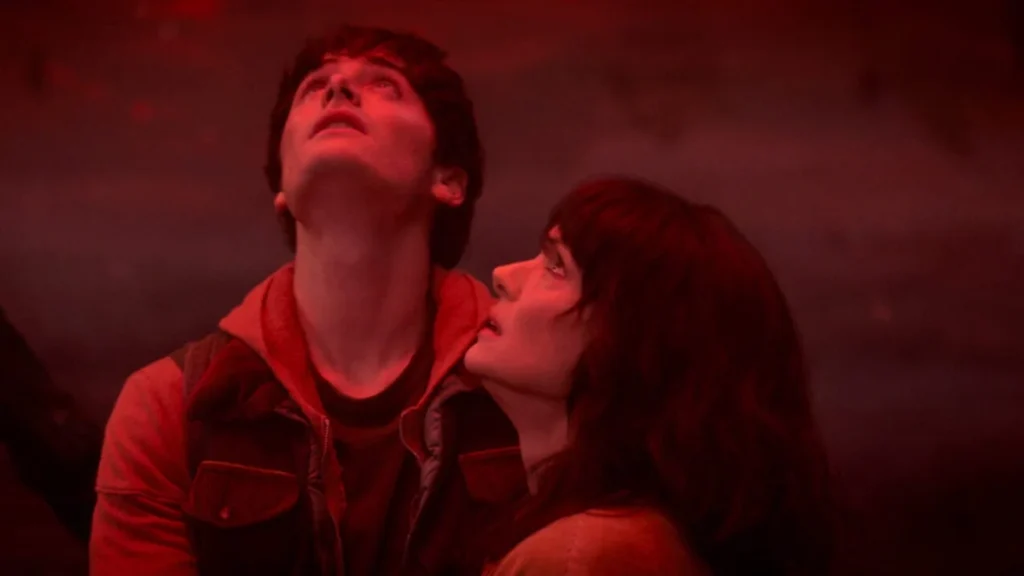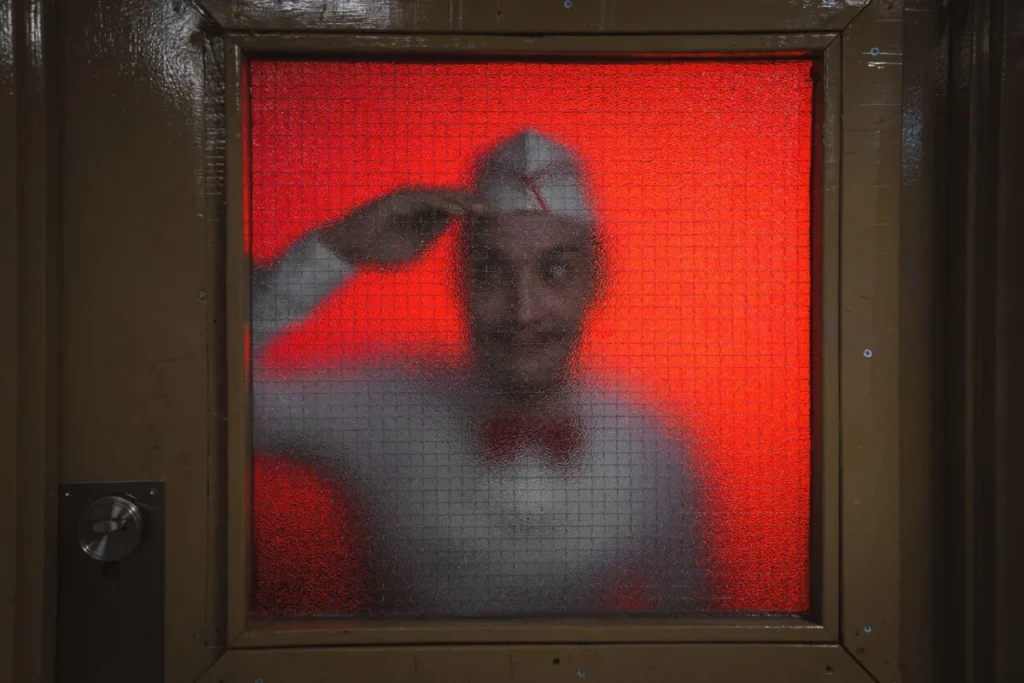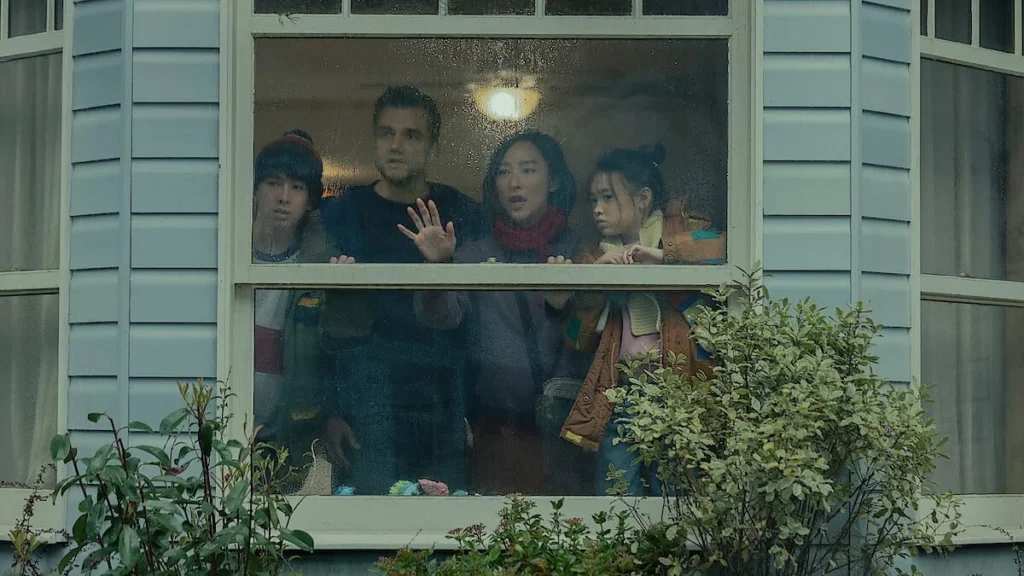
Filmmaker Adam Wingard, renowned for his distinctive contributions to the horror and action genres, is poised for a significant return to his roots with the upcoming A24 release, Onslaught. This latest project marks Wingard’s departure from the colossal kaiju battles of Godzilla vs. Kong and Godzilla x Kong: The New Empire, signaling a deliberate shift back towards the more intimate, yet equally visceral, storytelling that first captivated a dedicated fanbase. Collaborating once again with screenwriter Simon Barrett, a frequent creative partner, Onslaught appears to channel the raw, aggressive energy that defined their earlier, acclaimed works such as V/H/S, You’re Next, and the cult classic The Guest.
The resonance with The Guest, a 2014 action-thriller co-created by Wingard and Barrett, is particularly noteworthy. For over a decade, audiences have expressed a strong desire for a sequel to the film, which starred Dan Stevens as David, a seemingly altruistic former soldier who infiltrates the life of a grieving family, only to reveal a far more sinister agenda. The film’s unique blend of suspense, kinetic action, and thematic depth cultivated a passionate following, with both Stevens and Wingard consistently indicating openness to revisiting the character. While a direct continuation of David’s story has remained elusive, Onslaught is emerging as a compelling alternative, potentially tapping into the same creative wellspring.
Onslaught is described as an action-horror film centered on a former Army sniper and single mother who finds herself in a desperate battle to protect her daughter and her community. The narrative is ignited by the escape of a squad of genetically engineered super soldiers from a clandestine military facility. This premise immediately draws parallels to the iconic Terminator franchise, specifically The Terminator and Terminator 2: Judgment Day. The setup evokes the chilling concept of an unstoppable, enhanced force relentlessly pursuing a formidable female protagonist, a trope that has proven enduringly popular in cinematic thrillers.
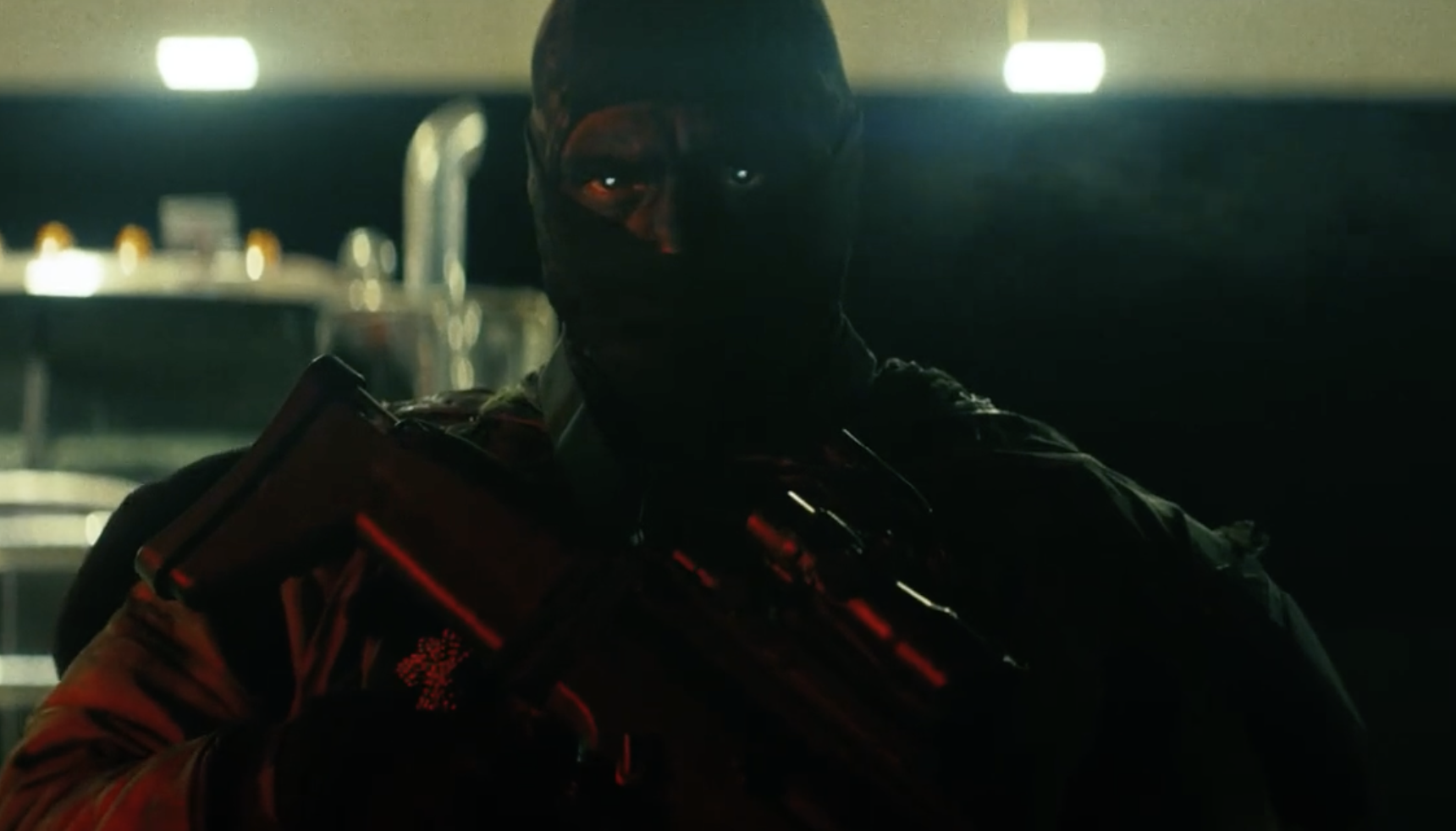
Industry analysts suggest that Onslaught represents a calculated evolution of the themes and stylistic elements present in The Guest. Where The Guest offered a more contained, synth-driven narrative, Onslaught appears to be its spiritual successor, amplified in scale and intensity. The trailer footage showcases a film packed with high-octane gunfights, extensive practical effects-driven mayhem, and ambitious action sequences that suggest a significant escalation in scope and visual spectacle. This progression aligns with Wingard’s demonstrated ability to adapt his distinctive vision to increasingly larger production frameworks.
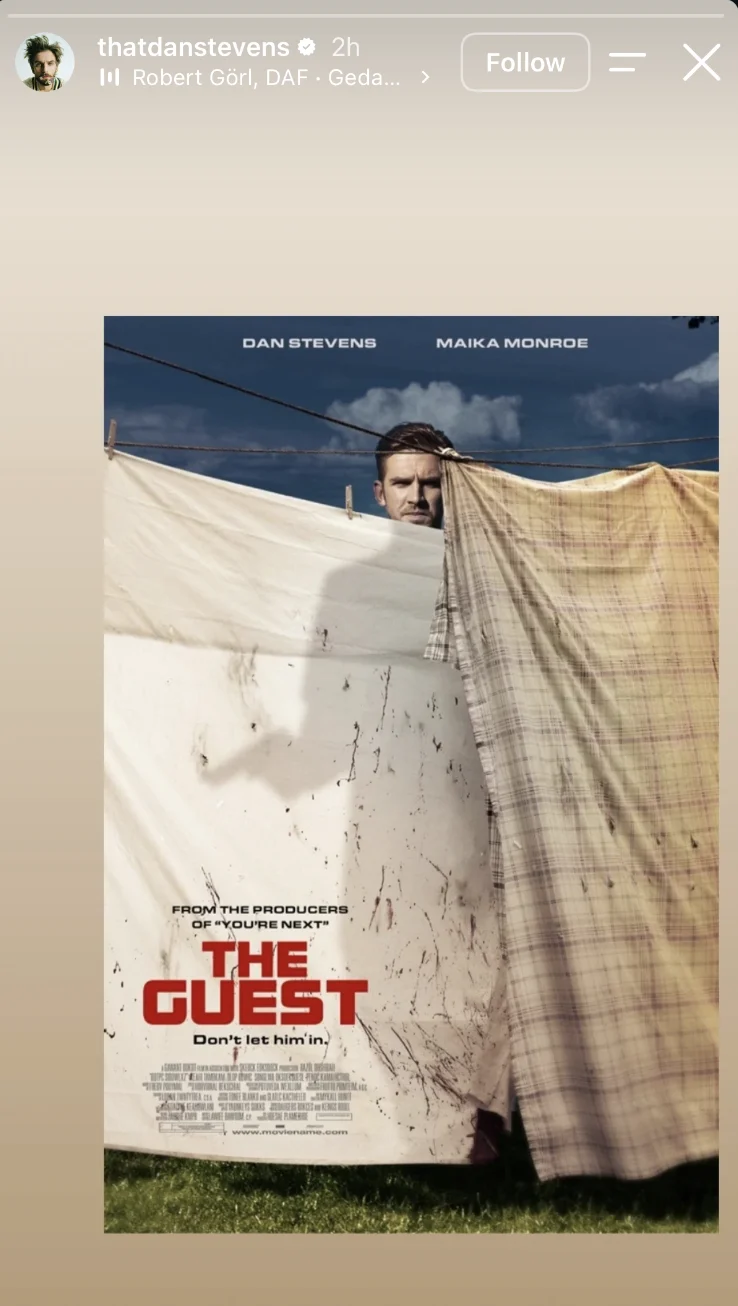
The perceived connection between Onslaught and The Guest has not gone unnoticed by Dan Stevens. In a recent development that has fueled considerable fan speculation, Stevens shared what appears to be promotional artwork for The Guest that bears a striking visual resemblance to the art for Onslaught. This action has ignited discussions among fans: Is this a simple, affectionate nod to a beloved role? A deliberate tease for a long-anticipated sequel? Or could Onslaught harbor deeper, as-yet-undisclosed thematic or narrative ties to The Guest? Stevens’ own involvement in Onslaught, reuniting him with Wingard, further intensifies these theories, suggesting a potential creative synergy that transcends mere coincidence.
The recently unveiled trailer for Onslaught has been met with widespread acclaim within the genre community. It presents a compelling preview of the film’s brutal action choreography, its commitment to practical stunt work, and the unapologetically pulpy sensibility that has become a hallmark of Wingard and Barrett’s collaborations. The visual presentation indicates a film that embraces its genre roots with enthusiasm, promising a thrilling and visceral cinematic experience.
Release and Production Timeline
The development of Onslaught represents a strategic move by Adam Wingard to re-engage with the genre filmmaking that earned him critical acclaim and a devoted following early in his career. Following the significant commercial and critical success of his MonsterVerse entries, Wingard’s decision to return to A24, a studio known for its support of auteur-driven genre films, signals a desire for creative control and artistic exploration.
- Early Career and Cult Status: Wingard and Barrett first gained prominence through independent horror projects. V/H/S (2012), an anthology film featuring Wingard’s segment "Chapter 1," introduced his visceral style to a wider audience. This was followed by You’re Next (2011), a home invasion thriller that garnered critical praise for its clever subversion of genre tropes and its sharp dialogue.
- The Guest Phenomenon (2014): The release of The Guest marked a pivotal moment. The film, starring Dan Stevens, was celebrated for its stylish direction, its masterful blend of suspense, action, and dark humor, and its memorable synth-heavy score. Despite a modest box office performance, it cultivated a significant cult following, with many critics and fans citing it as one of the best films of its year. The film’s critical reception and enduring popularity have consistently fueled hopes for a sequel.
- Studio Blockbusters (2017-2024): Wingard then transitioned to larger studio productions, helming Death Note (2017) for Netflix and subsequently taking the reins of Legendary’s MonsterVerse franchise with Godzilla vs. Kong (2021) and Godzilla x Kong: The New Empire (2024). These films achieved substantial global box office success, grossing hundreds of millions of dollars worldwide and demonstrating Wingard’s capacity to manage large-scale productions.
- Return to Genre Roots with Onslaught: The announcement of Onslaught signifies a conscious pivot back to the kind of genre filmmaking that established Wingard’s reputation. The partnership with A24, coupled with the involvement of Simon Barrett and Dan Stevens, suggests a project that prioritizes artistic vision and genre innovation over blockbuster scale. The trailer’s strong reception indicates that this strategic shift is resonating with both critics and the target audience.
Supporting Data and Industry Context
The genre landscape has evolved significantly since The Guest‘s release. The success of films like John Wick, Nobody, and Atomic Blonde has demonstrated a strong market appetite for R-rated, character-driven action films that emphasize practical effects and inventive choreography. Onslaught, with its premise of genetically engineered super soldiers and a formidable protagonist, appears poised to capitalize on this trend.
A24’s track record with genre films, including Midsommar, Hereditary, and X, showcases their commitment to supporting distinctive directorial voices within horror and thriller categories. Their involvement with Onslaught suggests a belief in Wingard’s ability to deliver a commercially viable yet artistically ambitious project. The studio’s marketing strategy, which has often leveraged unique visuals and intriguing narrative premises, will likely play a crucial role in building anticipation for Onslaught.
The film’s comparison to Terminator 2: Judgment Day is particularly significant. T2, released in 1991, was a groundbreaking film that redefined action cinema with its advanced visual effects, relentless pacing, and compelling narrative. If Onslaught can capture even a fraction of the impact and innovation of that classic, it will undoubtedly be a major cinematic event. The trailer’s emphasis on practical action and a high-concept premise suggests that Wingard is aiming for a similar level of ambitious filmmaking.
Official Statements and Reactions (Inferred)
While direct official statements regarding the specifics of the The Guest connection remain limited, the subtle hints from Dan Stevens suggest a deliberate creative choice by the filmmakers. It is plausible that Wingard and Barrett are employing these references as a way to acknowledge their past successes while simultaneously signaling a new direction.
A hypothetical statement from Adam Wingard might read: "With Onslaught, Simon and I wanted to return to the kind of intense, character-focused action that we love. We’ve always been drawn to stories that explore the darker aspects of human capability and the primal instinct for survival. While the scale might be larger than some of our earlier work, the core of what we do remains the same: crafting thrilling, unpredictable cinematic experiences."

Simon Barrett could add: "The idea of creating an unstoppable force and pitting it against someone who refuses to be broken is a compelling narrative engine. We aimed to build a world that felt grounded enough to be terrifying but also allowed for spectacular, over-the-top action. The echoes of classic sci-fi action are intentional, serving as a foundation for something entirely our own."
Dan Stevens, reflecting on his involvement, might comment: "Returning to work with Adam and Simon is always an exciting prospect. The Guest holds a special place for many of us, and while Onslaught is a distinct story, there’s a shared DNA in its spirit of relentless momentum and surprising character depth. I’m eager for audiences to see what we’ve created."
Broader Impact and Implications
Onslaught‘s release could have several implications for the genre filmmaking landscape. Firstly, it signifies a trend of established genre directors successfully transitioning between blockbuster franchises and more auteur-driven projects, demonstrating the flexibility and appeal of their unique visions across different scales. Secondly, the film’s potential success could further solidify A24’s position as a leading studio for innovative and critically acclaimed genre cinema, attracting more talent seeking creative freedom.
The film’s reception will also be a key indicator of audience appetite for high-concept, R-rated action films that prioritize practical effects and visceral storytelling over CGI-heavy spectacle. If Onslaught performs well both critically and commercially, it could encourage further investment in similar projects. The potential thematic explorations of genetic engineering, military ethics, and maternal protection, layered within a high-octane action framework, could also spark broader discussions.
Finally, the enduring legacy of The Guest and the potential implications of Stevens’ involvement in Onslaught highlight the lasting impact of cult films and the ways in which creators can engage with their past work. The speculation surrounding these connections speaks to the deep engagement fans have with these narratives and characters, suggesting a rich ground for creative interpretation and continuation. Onslaught is scheduled for theatrical release on September 4, a date that positions it as a strong contender for one of the standout genre films of the late summer season.