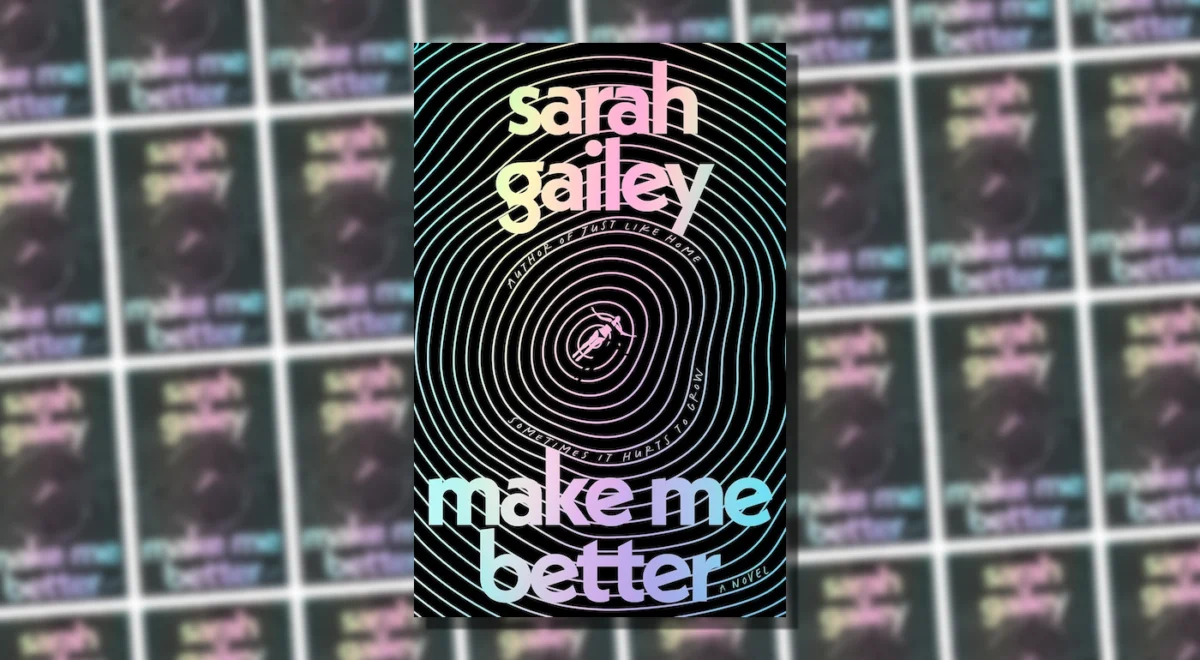
The allure of solace, of finding a better life within a secluded community, is a narrative trope that has captivated audiences and readers for generations. From the chillingly serene rituals of Midsommar to the New Age undertones of Yellowjackets’ second season and the unsettling hammer-wielding cult in Vladimir Sorokin’s Ice Trilogy, stories where characters seek psychological refuge in the embrace of a reclusive group often carry an inherent sense of foreboding. This pattern, where promises of transformation mask potential peril, is precisely the territory explored by Sarah Gailey in their latest novel, Make Me Better. The question Gailey poses isn’t simply if something is amiss, but rather what exactly lies beneath the surface of Kindred Cove.
The narrative commences with an arrival. Celia, a woman seeking an escape from profound personal turmoil, disembarks on the island of Kindred Cove, coinciding with their annual Salt Festival. This event is ostensibly designed for therapeutic purposes, its attendance strictly controlled, and its participants effusive in their praise for its life-altering effects. However, for readers familiar with Gailey’s penchant for the uncanny, the very notion of a group claiming to hold all the answers immediately signals that disaster may be imminent. Make Me Better meticulously builds a slow-burning dread, inviting the reader to question the true nature of Kindred Cove and its restorative promises.
Celia’s Quest for Belonging and Healing
Celia’s journey to Kindred Cove is driven by a deeply personal crisis. Through a series of poignant flashbacks, Gailey reveals Celia’s agonizing struggle with infertility, marked by multiple miscarriages. Her professional life as a lifestyle influencer, subtly hinted at through references to network marketing products in her home, offers a veneer of success that belies her inner desolation. Compounding her grief is a profound sense of loneliness, a void she hopes to fill through connection and community. It was a friend named Adelaide, who had visited Kindred Cove six months prior and spoke of her own island roots, who introduced Celia to the sanctuary. Celia yearns for what so many seek: a sense of belonging, a surrogate family, and ultimately, peace.
During the Salt Festival, Celia finds herself under the guidance of Easy, a resident of Kindred Cove. Easy’s rhetoric, while ostensibly supportive, carries an undercurrent of what can be described as "menacing therapy." Phrases like, "You fell, and then you got back up, and now look at you. Walking on your own two feet. I’ll bet that five minutes ago, when you were flat on your back you thought you’d never be moving forward again. Do you know what I see when I look at you now?" followed by the ambiguous assurance, "You’ll figure it out. I know you will," serve as subtle alarm bells. Earlier interactions, such as Easy’s promise, "You never have to be all alone again, Celia. I’ve got you. I’ll show you everything," while seemingly comforting, amplify the unsettling atmosphere, raising questions about the true extent of Easy’s intentions and the community’s agenda.
Adelaide’s Estrangement and the Island’s Undercurrents
Celia’s arrival is not the sole narrative thread. Gailey masterfully weaves in a parallel storyline set several months earlier, focusing on Adelaide’s return to Kindred Cove. This perspective offers a different lens through which to view the island’s inhabitants and their customs. Adelaide, though no stranger to the community, has experienced a degree of estrangement from her peers due to her time away. Her reasons for seeking distance resonate with a familiar theme: feeling stifled by certain aspects of Kindred Cove’s way of life, particularly their methods of living in harmony with the environment, which can lead to feelings of alienation. This dual narrative structure allows Gailey to gradually unveil the complexities of Kindred Cove, showing how its purported harmony can mask underlying tensions and individual struggles.
As the narrative progresses, Gailey introduces unsettling details that are deliberately ambiguous. Discarded objects are alluded to, hinting at possible violent acts, yet the possibility of mundane explanations, such as the islanders’ practice of eschewing shoes, is also presented. The phrase "feeding the reef" is used, which could be interpreted ominously, but also has a literal, non-threatening meaning in the context of marine biology. This deliberate ambiguity forces the reader to engage actively with the text, constantly re-evaluating their assumptions and considering multiple interpretations. Is Kindred Cove genuinely a place of healing, or is something more sinister at play? Could Celia herself be a catalyst for something untoward? The presence of a structure ominously named the "Old House" further contributes to the building sense of dread.
Temporal Ambiguity and Unmooring the Reader
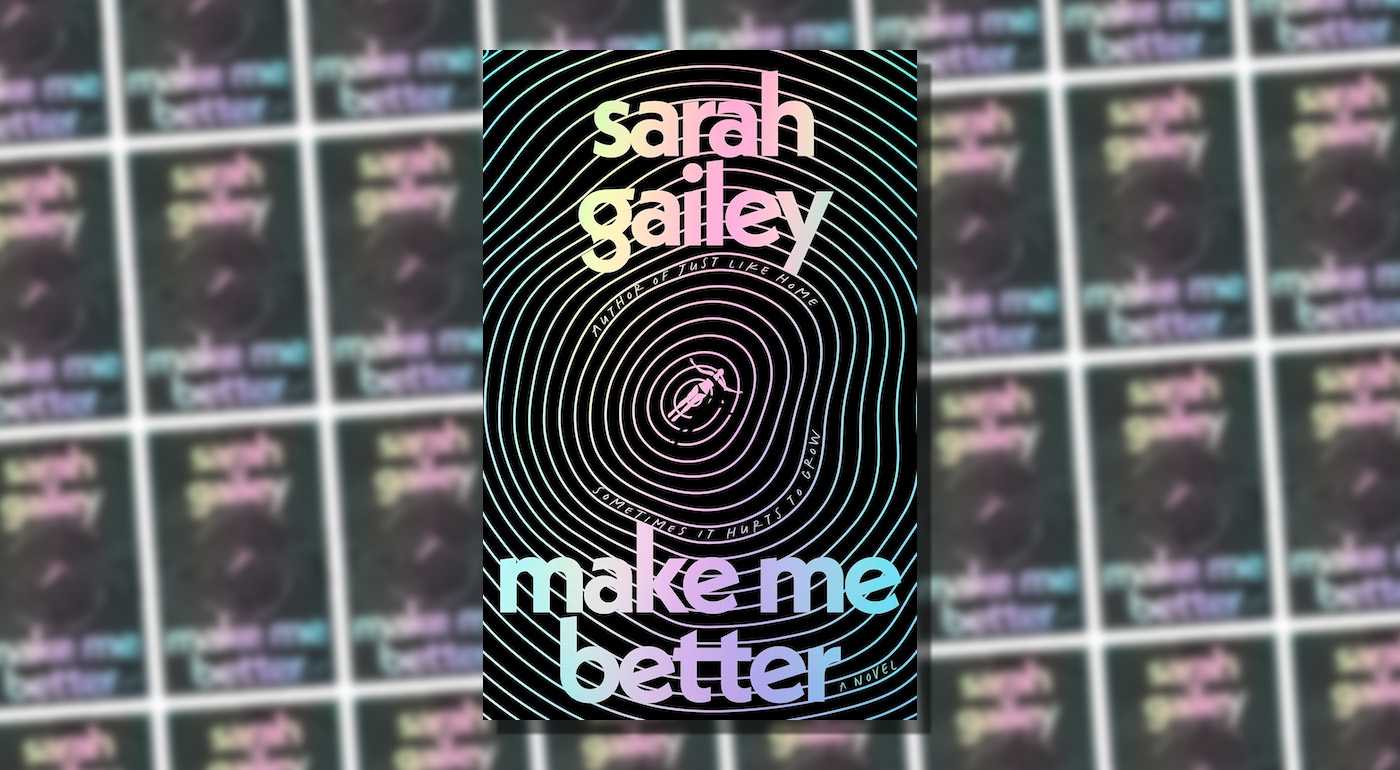
Beyond the immediate mystery of Kindred Cove’s practices, Gailey introduces a subtle yet profound element of temporal ambiguity. The novel hints at a near-future setting, rather than the present or recent past. This is achieved through understated cues, such as the casual mention of certain technologies or societal norms that feel slightly askew from our current reality. This temporal displacement serves to further unmoor the reader, mirroring Celia’s own disorientation. Just as Celia finds herself in a place where the rules and customs are not immediately understood, the reader is also subtly challenged, forced to question their preconceptions and the very foundation of the world being presented. This technique elevates Make Me Better beyond a simple "isolated community with a dark secret" narrative, adding a layer of speculative unease.
The pacing of Make Me Better reflects Gailey’s experimentation with narrative structure. While a novella focusing solely on Celia’s or Adelaide’s individual journeys might have been feasible, the interweaving of their perspectives and the inclusion of flashbacks that delve into Kindred Cove’s origins and its peculiar environmental circumstances create a richer, more complex tapestry. The "reef" is not the only environmental anomaly; Gailey gradually reveals how the outside world perceives Kindred Cove, moving beyond its reputation as a mere wellness destination and source of artisanal salt. This expansion of scope allows for a broader critique of how such communities are perceived and commodified, while simultaneously deepening the central mystery.
Implications and Cautionary Tales
Make Me Better stands out amongst its peers in the "is something amiss in this isolated community" genre due to its nuanced exploration of desperation and the potentially catastrophic costs of seeking solace. Gailey takes significant narrative risks, building a palpable sense of dread through meticulous detail and psychological tension. The novel serves as a cautionary tale, not just about the dangers of blindly trusting idyllic promises, but also about the profound human need for connection and belonging, and how that need can be exploited.
The implications of Gailey’s narrative extend beyond the fictional island of Kindred Cove. In an era where wellness culture and self-help movements are increasingly prominent, and often commercialized, Make Me Better prompts reflection on the authenticity of transformative experiences and the potential for exploitation within communities that promise radical healing. The novel’s subtle critique of societal structures, coupled with its unsettling exploration of psychological vulnerability, positions it as a significant work that resonates with contemporary anxieties. The slow-burn suspense, combined with the existential questions it raises about identity, community, and the pursuit of happiness, solidifies Make Me Better as a chamber epic of dread.
Sarah Gailey’s Make Me Better is a testament to the power of subtle storytelling, weaving a narrative that is both deeply personal and broadly resonant. The novel invites readers to confront uncomfortable truths about the human condition and the seductive allure of belonging, even when that belonging comes at an unknown, and potentially terrifying, price. The enduring impact of Kindred Cove, and the questions it leaves lingering long after the final page, underscore Gailey’s skill in crafting a story that is as thought-provoking as it is suspenseful.
Make Me Better is published by Tor Books. Read an excerpt from the novel here.