The "Go 100%! Mob Psycho 100 10th Anniversary Celebration," hosted by Crunchyroll, provided an exceptionally intimate look into the meticulous world of anime production, particularly through the insights shared by chief director Yuzuru Tachikawa. Joined by voice actors Setsuo Itō, who portrays the titular Shigeo "Mob" Kageyama, and Takahiro Sakurai, the voice behind the enigmatic con-man Reigen Arataka, the event delved into shared memories from the acclaimed series’ original run. However, it was Tachikawa’s exclusive, no-recording segment that truly captivated attendees, offering a direct window into his storyboard drafts and the iterative process of shaping compelling narrative arcs.
A Deep Dive into Storyboarding: Crafting Reigen’s Emotional Landscape
During a strictly confidential portion of the event, Tachikawa unveiled a six-minute video showcasing his storyboard revisions for a pivotal scene in Mob Psycho 100 II, specifically episode seven. This particular segment focused on Reigen’s emotional turmoil as he grapples with an email from his mother, a moment that underscores the character’s profound vulnerability beneath his often-boastful exterior. The scene, an anime-original creation, was born from Tachikawa’s desire to explore the psychological weight Reigen carried after a public humiliation by Kirin Jodo, who exposed his fraudulent exorcism practices. The email from his mother, intended as a letter of apology for him to read at an upcoming press conference, became the focal point for exploring Reigen’s internal conflict.
Tachikawa’s demonstration highlighted the efficiency of modern digital tools in the animation pipeline. He animatedly described how, in the "analog days," storyboarding involved physically cutting and pasting frames, a far more laborious undertaking than the "copy and paste" functionality available today. This digital enhancement, he noted, has significantly boosted productivity. To illustrate the pace of his work, Tachikawa revealed that sketching the structural layout and grayscale shading for a single background frame within a storyboard template could be completed in approximately 12 seconds. Elaborating on the time investment, he explained that a mere thirty-second scene could span two pages of storyboards and require up to three minutes of his dedicated time to meticulously detail the intended movements and nuances.
The chief director candidly admitted that recording his entire workflow was impractical due to the sheer volume of his daily work. "I work 10 hours a day behind my computer," Tachikawa explained, citing the limitations of available hard drive space as the reason for presenting only "bits and pieces" of his process. These excerpts included crucial notes on frame-to-frame transitions, such as depicting "a Reigen who is fading away," alongside annotations for background music, camera direction, and concise written explanations of the scene’s unfolding events. This transparency provided the audience with a tangible understanding of the granular detail involved in bringing animated sequences to life.
Evolution of the Storyboarding Team: From Necessity to Enthusiastic Collaboration
The evolution of the storyboarding team for Mob Psycho 100 also emerged as a significant point of discussion. Tachikawa recalled that during the production of the first season, the series had not yet garnered substantial popularity within the industry. This lack of established recognition meant he was unable to delegate storyboarding duties effectively, often undertaking the task himself out of necessity. However, the overwhelming critical and commercial success of the first season dramatically altered this landscape. Following its release, the studio was inundated with enthusiastic requests from animators eager to contribute to the second season. "I had a lot more people who volunteered and could assign episodes to people who wanted to work on them," Tachikawa stated, underscoring the positive impact of the anime’s growing acclaim on its production quality and team morale. This shift allowed for a more collaborative and specialized approach to storyboarding, with artists actively seeking out specific scenes that resonated with them.

Adapting ONE’s Vision: Balancing Fidelity with Creative Dynamism
A central theme throughout Tachikawa’s presentation was his commitment to honoring the unique spirit of ONE’s original manga while simultaneously leveraging the medium of anime to enhance the narrative. He emphasized a desire to "keep the goodness of the original manga as much as possible," striving for faithfulness in "nuances and camera angles with the scenes that I really loved." This dedication to the source material’s essence is evident in the anime’s visual language and character portrayals.
However, Tachikawa was also forthright about his creative liberties, particularly in elevating action sequences. He spoke of adding "dynamism to action sequences, creating a spectacle in moments that didn’t exist in the original work." This approach allowed for a more visceral and engaging viewing experience, transforming static panels into fluid, impactful animated segments.
Crucially, Tachikawa’s directorial interventions were most pronounced when exploring the "emotional aspects of Reigen." He described these additions as "original additions to the manga," reflecting his deep personal connection to the character. Whether through subtle shifts in lighting, innovative framing choices, or the inclusion of poignant visual metaphors, Tachikawa injected elements designed to amplify Reigen’s "heavy emotional investment." This nuanced portrayal of Reigen’s internal struggles, often conveyed through visual storytelling rather than dialogue, became a hallmark of the anime’s success.
Unseen Moments and the Scope of Production
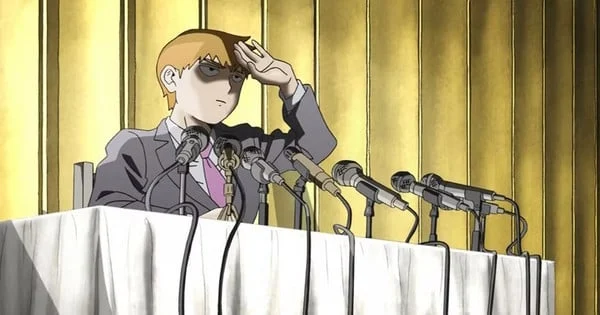
The discussion also touched upon the inherent challenges of the animation production process, where creative visions often encounter practical limitations. Tachikawa recounted a specific instance during a press conference scene where a reporter questioned Reigen about his graduation essay. In his storyboards, Tachikawa had meticulously detailed the psychological underpinnings of Reigen’s fictional encounter with a bug, drawing parallels between its movements and the allure of spirits and ghosts drawn to light. This included a black-and-white sketch depicting Reigen’s internal conflict, visualizing his imagined scenario of the bug succumbing to its fate – a scene that, despite its emotional resonance, ultimately did not make the final cut of the episode.
Tachikawa explained that the exclusion of certain planned moments was often a consequence of timing constraints or the need to maintain the overall flow and pacing of the episode. Despite these necessary compromises, his detailed presentation of the storyboarding process offered the audience an invaluable understanding of the sheer scope and complexity involved in anime production. He expressed a sentiment that resonated with many fans: had more time been available within the episode and the series as a whole, he would have been eager to delve even deeper into Reigen’s perspective, further enriching the character’s already complex inner world. The event, therefore, served not only as a celebration of a beloved anime but also as an educational testament to the dedication and artistry that underpins its creation. The insights shared by Tachikawa, Itō, and Sakurai offered a rare and cherished glimpse behind the curtain, solidifying the enduring appeal of Mob Psycho 100 and its remarkable creative team.