The familiar scent of charcoal and cut grass, once a comforting marker of summer gatherings, was this past weekend overshadowed by an acrid, chemical-tinged haze that choked the skies over the American Midwest. Visitors to a state park in the author’s hometown, accustomed to the occasional smoky veil from distant wildfires in the Pacific Northwest, were met with an eerie, yellowed atmosphere and a dystopian orange sun. This phenomenon, attributed to smoke from extensive wildfires in Canada, served as a stark, visceral reminder of the pervasive sense of unease that has settled over the collective consciousness since the onset of the COVID-19 pandemic. The prevailing sentiment, "hope for the best, expect the worst," once a coping mechanism, now feels like a deeply ingrained worldview, difficult to dislodge even six years removed from the global health crisis.
The Canadian wildfires, which have raged for months, have sent plumes of smoke across vast swathes of North America, impacting air quality from coast to coast. The U.S. Environmental Protection Agency (EPA) has issued air quality alerts in numerous states, advising vulnerable populations to limit outdoor exposure. In recent years, the frequency and intensity of such wildfires have been linked by climate scientists to rising global temperatures and prolonged drought conditions, a complex web of environmental stressors that contribute to a general sense of precarity.
The scene at the nephew’s birthday party, initially intended as a joyous family reunion, quickly devolved into a conversation about the environmental crisis. The inability to see across the lake, a common feature of the Midwestern landscape, due to the thick, toxic haze, painted a grim picture. Attendees, while attempting to maintain a semblance of normalcy, grappled with the unsettling reality of their surroundings. The debate over whether to cancel the picnic, as the author’s brother and sister-in-law reportedly considered, highlights the difficult choices faced by individuals and families when confronted with immediate environmental threats. The decision to proceed, with coolers already in tow, underscores a human tendency to push forward despite adverse conditions, a trait that can be interpreted as either resilience or a form of resigned acceptance.
Environmental Concerns Shadowing American Heartland
The journey back to the author’s father’s home in Midland, Michigan, offered little respite. The persistent, sickly glow of the sun through the haze served as a constant reminder of the compromised air quality. Midland, long associated with the chemical industry due to the presence of Dow headquarters, presented a peculiar irony. The joke, however bleak, that locals were closing their windows due to smoke from a fire rather than a chemical disaster, speaks to a history of environmental concerns in the region. Michigan, like many parts of the United States, has a complex history of industrial impact and environmental degradation, often shaped by the decisions of powerful corporations and economic priorities that have, at times, superseded ecological well-being.
The author’s brother, serving as a police chief, shared a concerning statistic: two individuals had died that summer due to falling trees, an unusually high number for the region. This detail, while seemingly localized, further contributes to a narrative of nature itself turning hostile. When even the seemingly immutable elements of the natural world appear to be in opposition, the concept of optimism can feel not only naive but perhaps even dangerous, fostering a false sense of security.
The persistent environmental challenges, from the immediate threat of wildfire smoke to the long-term impacts of industrial pollution, paint a picture of a region grappling with the consequences of human activity. These issues are not isolated incidents but rather interconnected symptoms of a larger global environmental crisis that demands attention and action.
A Respite in Animation: Finding Hope in "My Neighbor Totoro"
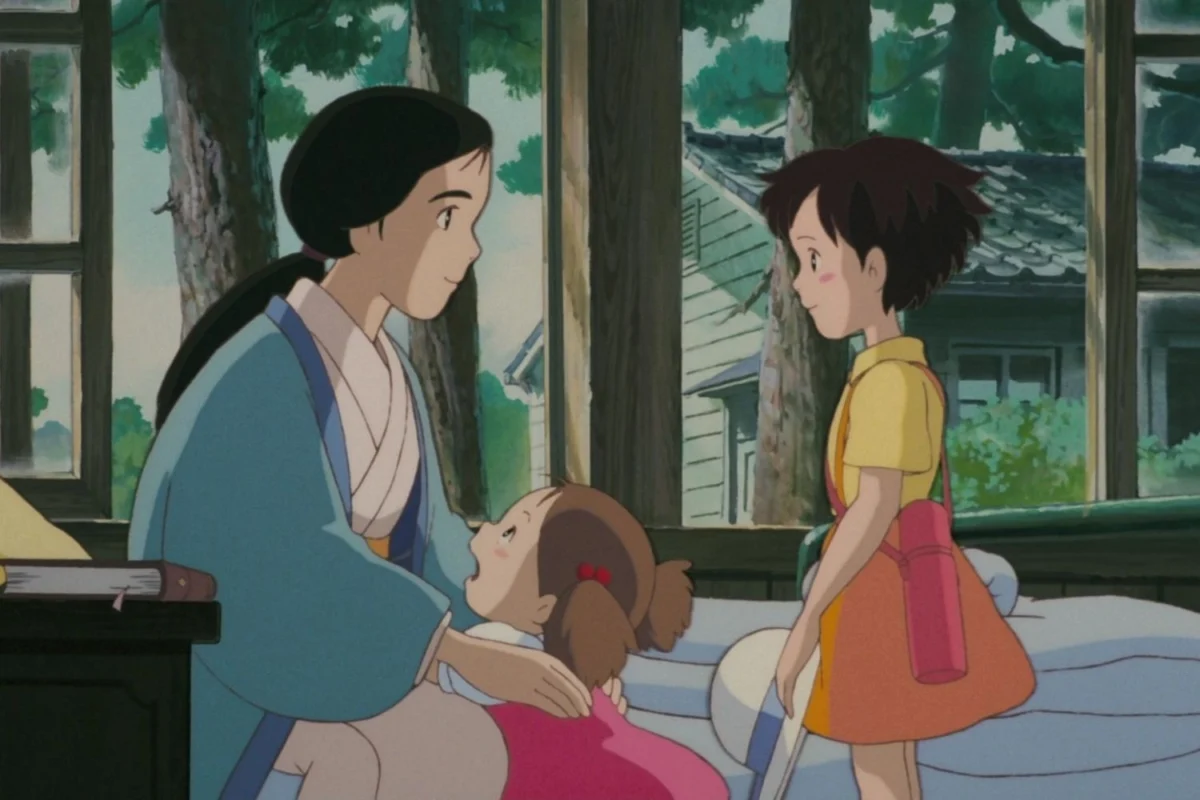
Amidst this backdrop of environmental distress and pervasive negativity, a seemingly unlikely source of solace emerged: a rewatch of the beloved 1988 Studio Ghibli film, My Neighbor Totoro. The animated classic, often cherished for its nostalgic charm and gentle storytelling, offered a profound re-evaluation of hope and resilience. The film, which follows two young sisters, Satsuki and Mei, as they move to the Japanese countryside with their father to be closer to their ailing mother, presented a stark contrast to the author’s current reality.
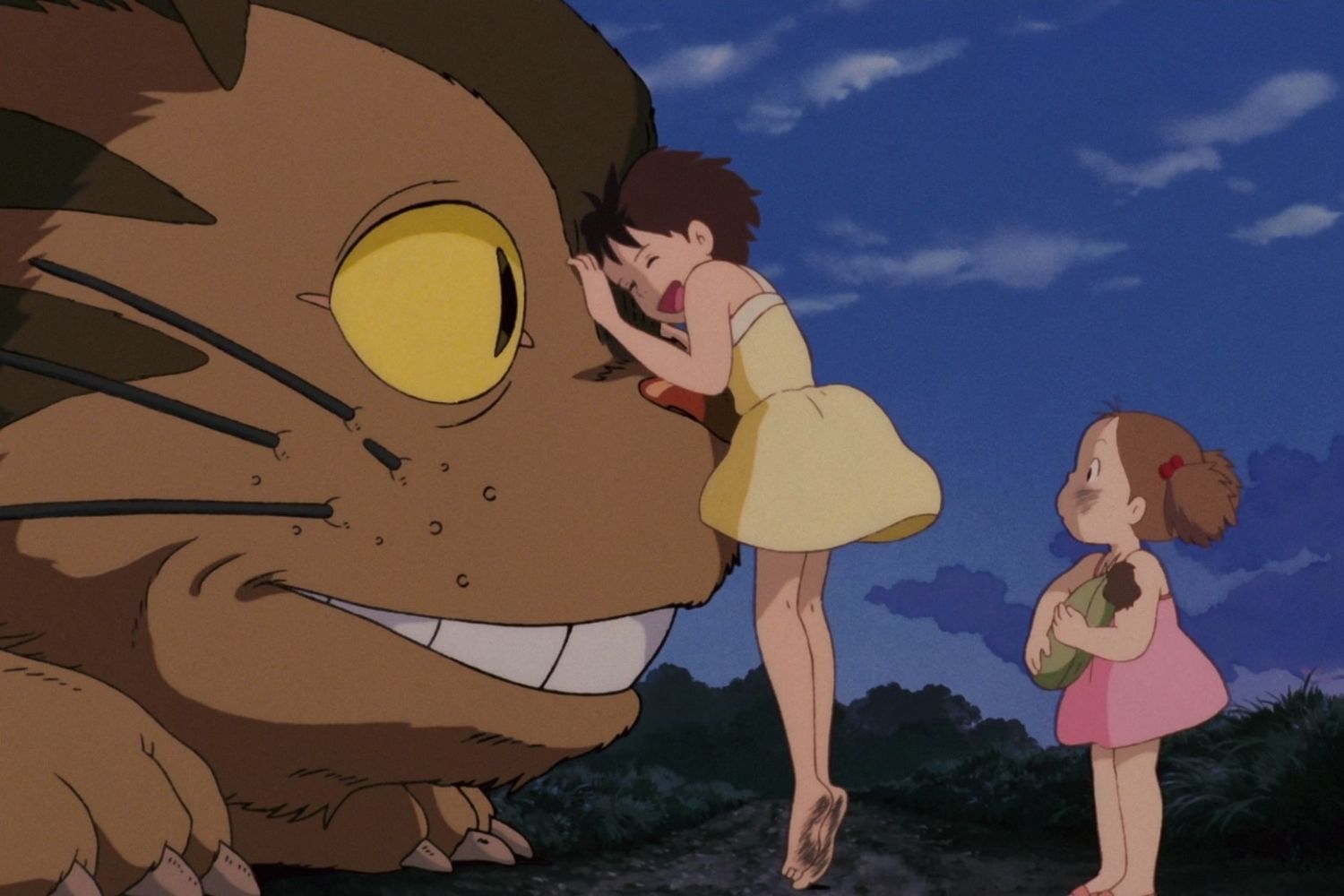
The narrative of My Neighbor Totoro centers on the sisters’ discovery of magical forest spirits, including the iconic Totoro, and their nurturing of a new forest. The film’s portrayal of the girls’ unwavering belief in the fantastical, even amidst the uncertainty of their mother’s illness, resonated deeply. The animated sequence depicting them befriending woodland creatures and riding the whimsical Catbus to visit their mother offered a powerful counterpoint to the grim news of the day. This gentle, fantastical narrative suggests that even in the face of adversity, a capacity for wonder and belief can endure.
The film’s director, Hayao Miyazaki, is renowned for his ability to weave complex themes into seemingly simple stories. My Neighbor Totoro is no exception, offering a dual perspective that speaks to both children and adults. For children, it presents a magical world filled with wonder and friendship, where even the unknown is approached with curiosity rather than fear. For adults, it serves as a poignant reminder of the importance of imagination and the ability to find joy and hope in everyday life, even when confronted with challenges.
Magical Mundanity: The Ghibli Approach to Reality
One of the most striking aspects of My Neighbor Totoro is its subtle yet profound engagement with the mundane. A scene where Mei observes an umbrella with holes and exclaims, "The umbrella is crying," is a prime example. The English translation, "There are holes in it," while factually accurate, loses the poetic and imaginative quality of the original Japanese. This linguistic nuance highlights a recurring theme in the film: the loss of wonder that can occur when complex ideas are distilled to their simplest, most literal forms. The film suggests that while simplicity is valuable in adulthood, imagination is crucial for nurturing a hopeful outlook.
The story unfolds in the 1950s, with Satsuki and Mei relocating to Saitama prefecture. Their new home, an old, dilapidated house, is embraced by the girls not as a symbol of decay but as a place of mystery and enchantment. Their father’s gentle acceptance of their imaginative interpretations of the house’s quirks – suggesting they might have seen a "yokai" (Japanese spirit) – instead of dismissing their claims, fosters an environment where wonder is encouraged. This contrasts sharply with the pragmatic, often cynical, outlook that can develop in adulthood.
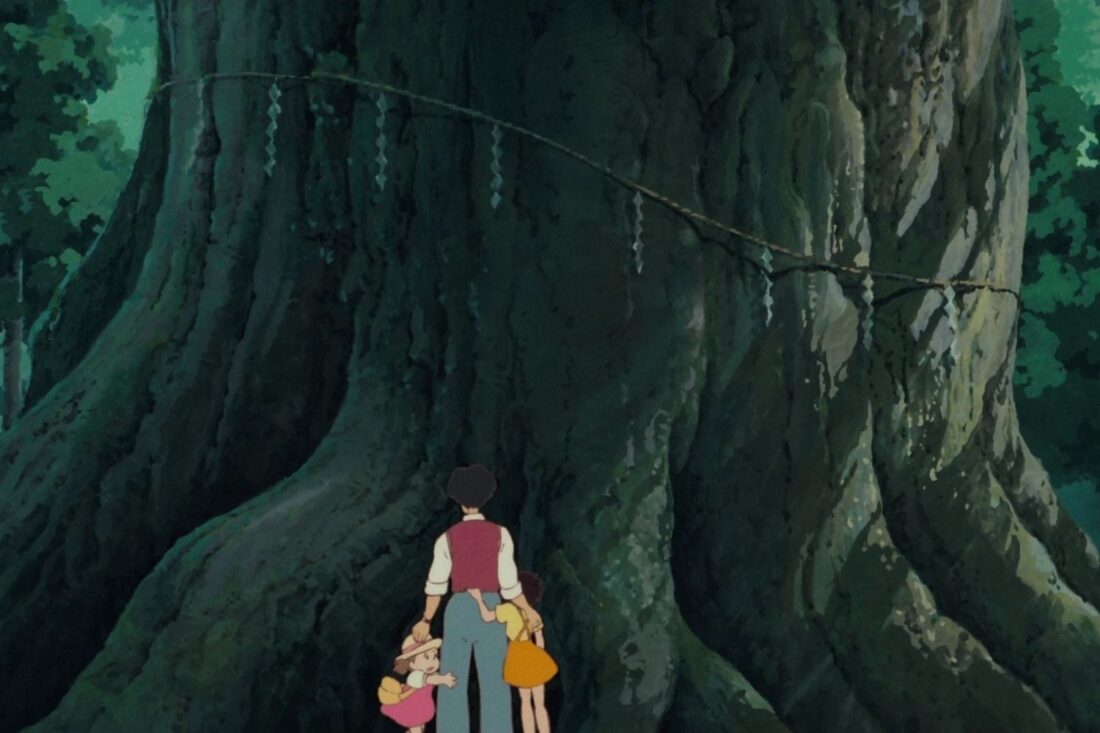
Miyazaki deliberately avoids relying on strict folklore, opting instead to suggest the existence of undiscovered stories embedded within the natural world. The film encourages viewers, both young and old, to seek out the magic that often lies hidden in plain sight, a magic that adults, in their preoccupation with the practical, frequently overlook. The daughters’ fearless approach to the unknown, their cheerful demeanor in the face of significant life changes, is not presented as naive optimism but as a profound reminder to cherish the world, both its ordinary and extraordinary aspects.
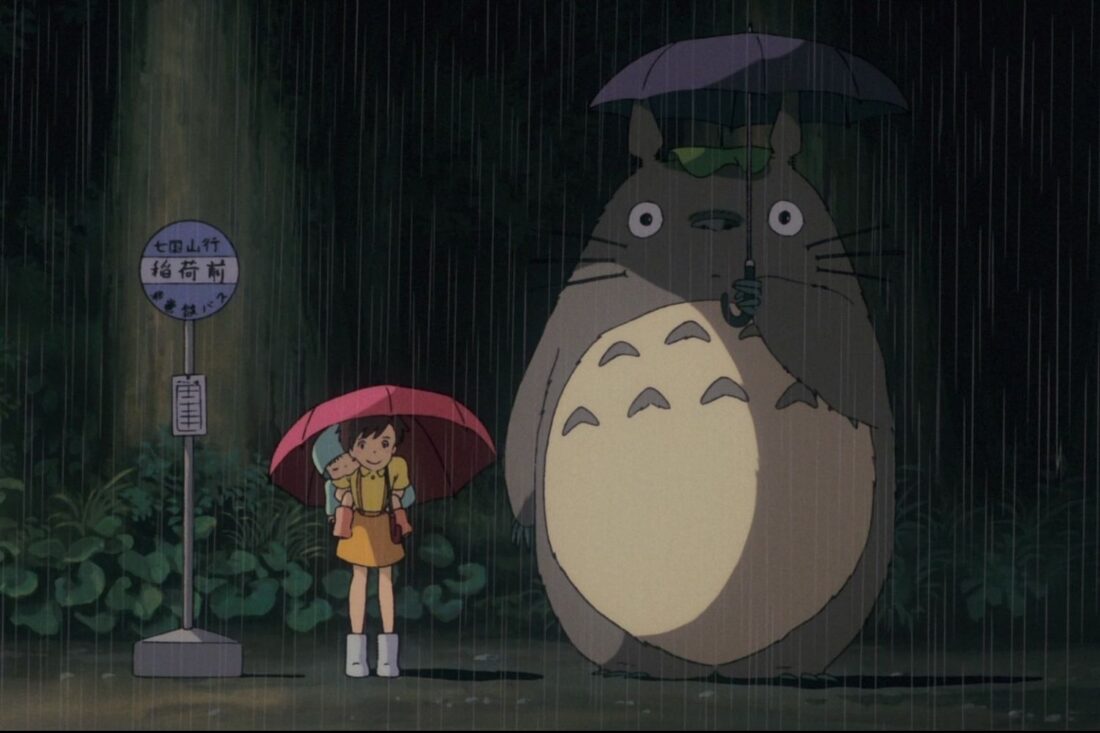
The iconic scene at the bus stop, where Satsuki and Mei patiently wait for their father in a downpour, further illustrates this. Totoro, the enormous forest god, appears, and his interaction with Satsuki, sharing an umbrella, emphasizes that even mythical beings are subject to the rhythms of daily life. The palpable joy Totoro experiences when Mei offers him an umbrella mirrors the girls’ own relief when their father finally arrives. The film consistently portrays a world where the extraordinary coexists with the ordinary, where moments of worry are swiftly followed by reassurance.
Through the Eyes of an Adult: Reinterpreting Childhood Wonder
Revisiting My Neighbor Totoro as an adult offers a different perspective, shifting the focus from direct emotional identification to a deeper appreciation of the film’s underlying themes. The magic, for an adult viewer, lies not solely in the fantastical elements but in the film’s consistent subversion of worst-case scenarios. The author notes that the film masterfully addresses potential anxieties and, time and again, resolves them in the most positive way possible.
A critical example is the health of Satsuki and Mei’s mother. While her illness is depicted as severe, spanning months and marked by recurring delays in her return home, the film ultimately shows her recovery and even a subsequent pregnancy. This deliberate avoidance of a tragic outcome challenges the cynical adult tendency to assume the worst, even in narratives that appear inherently hopeful. The post-credit scenes, depicting the family together months later, offer a powerful affirmation of enduring optimism.
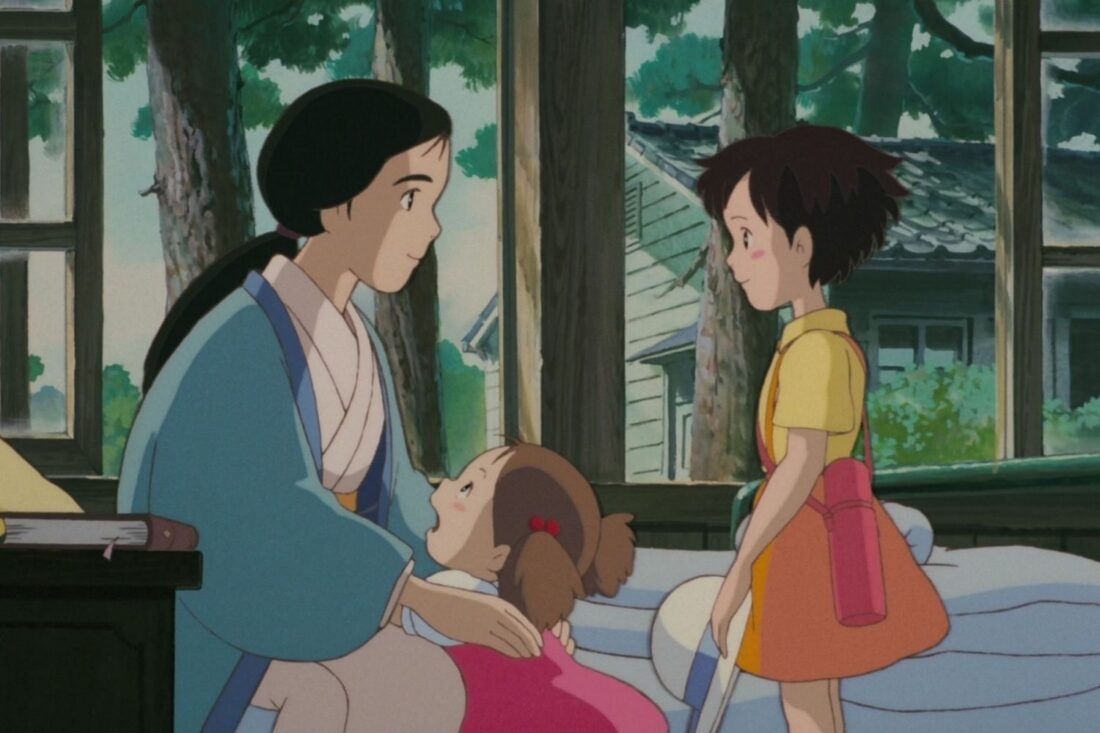
Similarly, the character of Kanta, a shy neighborhood boy, initially appears to carry a heavy burden, living with his mother and grandmother without any mention of his father. An adult viewer might infer a tragic backstory. However, when Mei goes missing, Kanta’s father is readily available to help, dispelling any assumed loss and highlighting how readily adult assumptions can lead to unfounded anxieties.
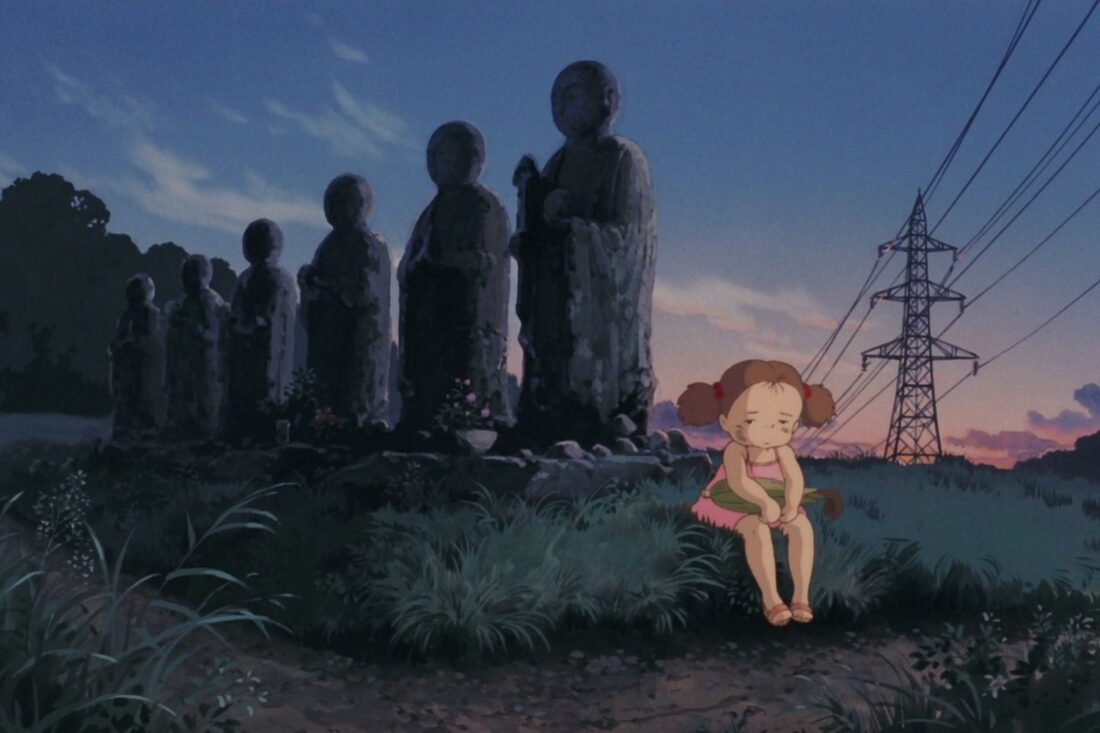
Even the most harrowing moments, such as the discovery of a small sandal in a rice paddy, are resolved with a sense of relief. The neighbors’ immediate fear of Mei’s drowning is alleviated when Satsuki confirms the sandal is not hers. Mei is found safe, albeit distressed, near Jizo statues, deities who are known in Japanese folklore to watch over travelers and guide the spirits of deceased children. This depiction reinforces the film’s overarching message of safety and protection, even in moments of perceived peril.
The film is replete with such instances: dust sprites are depicted as fleeting rather than menacing, a powerful wind does not damage the house, and the late bus ultimately brings their father home safely. These numerous instances where potential threats are cheerfully defused and worrying plot points are avoided collectively contribute to a sense of profound reassurance.
The Enduring Power of Belief: Planting Seeds of Hope
The author’s visit to northern Michigan, a landscape also prone to environmental challenges like deer-vehicle collisions and the ever-present threat of wildfires, brings the themes of My Neighbor Totoro into sharp relief. The image of deer caught in headlights, frozen by the rapid changes in their environment, serves as a metaphor for humanity’s own struggle to adapt to a rapidly changing world. The author reflects on the human tendency to freeze in the face of overwhelming disasters, questioning whether this paralysis stems from foolishness or a primal need to cling to small comforts for survival.
In contrast to this paralysis, the film presents the father’s quiet acceptance of the magical occurrences in his daughters’ lives. He doesn’t actively seek out or engage with the fantastical, but he doesn’t dismiss it either. His belief in his daughters’ experiences, and his quiet support of their imaginative world, becomes a source of strength for the entire family. This acceptance, this allowing for the possibility of wonder, is presented as a vital element in sustaining hope.
My Neighbor Totoro ultimately suggests that even in the face of widespread environmental concerns and personal anxieties, a powerful antidote exists: the cultivation of belief and the willingness to embrace wonder. The film’s message, that things can grow and thrive, that forests can sprout overnight, and that loved ones will return home safely, offers a potent counter-narrative to the prevailing cynicism. It reminds us that while the world may present us with challenging realities, the capacity for hope, nurtured by imagination and belief, remains a powerful force for resilience. The gentle rustling of leaves, the flight of a bird, or even the appearance of a fantastical forest spirit, can serve as seeds of optimism, reminding us that even in the darkest of times, the possibility of a brighter future persists.