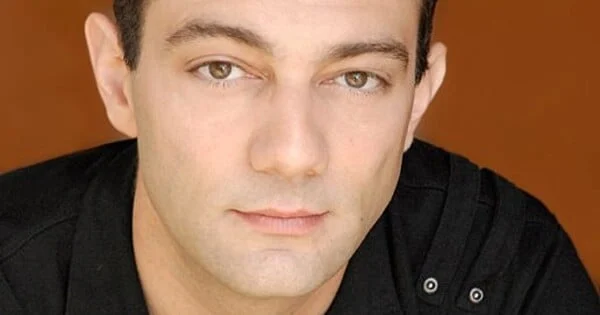
The animation and voice acting community is in mourning following the announcement that Mike McFarland, a cornerstone of the English-language anime industry, has died at the age of 56. His passing was confirmed on Wednesday, marking the conclusion of a harrowing medical journey that began in early 2025. Known for his multifaceted career as a voice actor, ADR director, and script adapter, McFarland was a defining influence on the North American localization of iconic series, including Dragon Ball Z, One Piece, and Fullmetal Alchemist.
The news of his death was first reported by TMZ, citing confirmation from fellow voice actor and colleague Brina Palencia, who had been a prominent organizer in the crowdfunding efforts to support his medical treatment. Subsequently, representatives confirmed the tragic news to various media outlets, including the Express. Crunchyroll, a major distributor with whom McFarland frequently collaborated, issued a formal tribute, noting the profound professional and personal void left by his departure.
A Chronology of a Challenging Medical Journey
The trajectory of McFarland’s health decline was rapid and complex. The ordeal began in January 2025, when the actor sought medical attention for symptoms he initially suspected were related to an inner ear infection. According to colleague and voice actress Colleen Clinkenbeard, the diagnostic process revealed a far more severe reality: a brain tumor.
Following the initial discovery, McFarland underwent surgical intervention that same month to remove the growth. While the surgery was initially framed as a successful step toward recovery, the road ahead proved arduous. By April 2025, he was forced to return to the operating room for a second brain surgery, as medical professionals sought to identify and treat a mysterious, persistent infection.
The situation took a definitive turn for the worse in August 2025, when he was formally diagnosed with glioblastoma. Glioblastoma is an aggressive form of brain cancer that develops from astrocytes—star-shaped cells that support nerve cells—within the brain or spinal cord. Known for its rapid progression and difficulty to treat due to its invasive, finger-like projections into healthy brain tissue, the diagnosis shifted the focus of his care from rehabilitation to palliative and intensive oncological support. Following an attempt at assisted living, his condition necessitated a move to a specialized skilled nursing facility, where he remained until his passing.
The Power of Industry Solidarity
In response to the mounting medical expenses associated with his care, the voice acting community mobilized in a rare and significant display of solidarity. In January 2025, industry peers J. Michael Tatum and Brandon McInnis launched a GoFundMe campaign to assist McFarland in hiring a live-in medical assistant to manage his post-operative recovery.
The campaign underscored the high cost of specialized care for those in the entertainment industry who may not have access to traditional long-term medical benefits. The initial goal of $65,000 was quickly eclipsed by an outpouring of support from fans and colleagues alike. As his health worsened, the campaign was updated to reflect the skyrocketing costs of his ongoing treatment. By the time donations were officially paused, the fund had reached over $300,000, falling just short of a revised $350,000 goal. This financial mobilization provided a crucial safety net for McFarland during his final months, allowing him access to care that otherwise might have been inaccessible.
An Unrivaled Legacy in Animation
To understand the impact of Mike McFarland’s death, one must examine his extensive resume, which spans decades of evolution in the anime industry. McFarland’s influence was not limited to the recording booth; he was instrumental in the technical and creative infrastructure of companies like ADV Films and later Funimation.
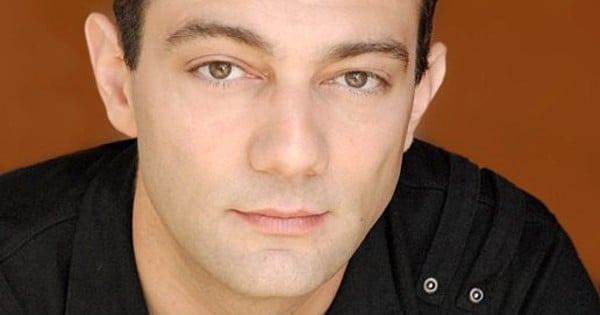
As an ADR (Automated Dialogue Replacement) Director and script adapter, he was responsible for shaping the English-language voices of some of the most successful franchises in animation history. His work on Dragon Ball Z and the Fullmetal Alchemist franchise established a standard for localized anime that prioritized both narrative fidelity and cultural resonance. He bridged the gap between Japanese source material and Western audiences, ensuring that characters like Master Roshi, Yajirobe, and the ensemble cast of One Piece were brought to life with nuance and vitality.
His filmography is expansive and varied, showcasing a range that spanned from the comedic, such as Buggy the Clown in One Piece, to the dramatic and grounded, such as his recent work as Hiroshi Odokawa in the critically acclaimed Odd Taxi. Other notable roles included Makoto Hyuga in the Evangelion film series, Jean Kirstein in Attack on Titan, and his contributions to Lupin III. His ability to switch between roles as diverse as a grizzled veteran and a quirky antagonist is cited by many in the industry as a testament to his versatility and deep understanding of character psychology.
Industry and Peer Reactions
The loss of McFarland has resonated deeply across the industry. Crunchyroll’s statement highlighted the dual nature of his impact, noting that he was both an "incredible talent" and a "good friend to so many." For many voice actors working today, McFarland was not just a coworker, but a mentor who guided them through their early careers in the recording booth.
The outpouring of tributes on social media from actors, writers, and fans serves as a snapshot of a man who was deeply embedded in the culture of his work. Many peers have noted his tireless work ethic, often balancing the roles of director, producer, and actor simultaneously—a feat that requires immense technical skill and stamina. His death leaves a notable gap in the production landscape of Texas-based anime dubbing, an industry that McFarland helped build from the ground up.
Broader Implications for the Voice Acting Industry
McFarland’s passing has inadvertently sparked discussions regarding the fragility of careers in the voice acting and independent creative sectors. The necessity of a public, community-funded GoFundMe for a high-profile industry veteran has prompted reflection among fans and professionals alike regarding healthcare security and the long-term support systems for gig-based artists.
Glioblastoma, the disease that claimed his life, remains one of the most challenging areas of medical research. With a standard of care that has remained largely stagnant for years, the condition carries a heavy emotional and financial toll on families. The public nature of McFarland’s battle brought a human face to a complex medical issue, educating thousands of fans on the realities of brain cancer.
As the industry prepares to move forward, the legacy of Mike McFarland remains etched into the thousands of hours of content he directed, voiced, and produced. His career trajectory serves as a historical record of the maturation of anime in the West—from a niche interest in the 1990s to a dominant cultural force today. He was a primary architect of that transformation, and his absence will be felt by the fans who grew up listening to his voice and the artists who learned the craft under his direction.
In the coming weeks, it is expected that various production houses and industry organizations will hold memorial services to honor his contributions. For now, the animation world continues to pay its respects to a man whose voice, humor, and vision helped define an entire generation of storytelling. His contributions to Dragon Ball, Fullmetal Alchemist, and One Piece ensure that while he is gone, his presence will continue to be heard in the living rooms of millions of fans for years to come.