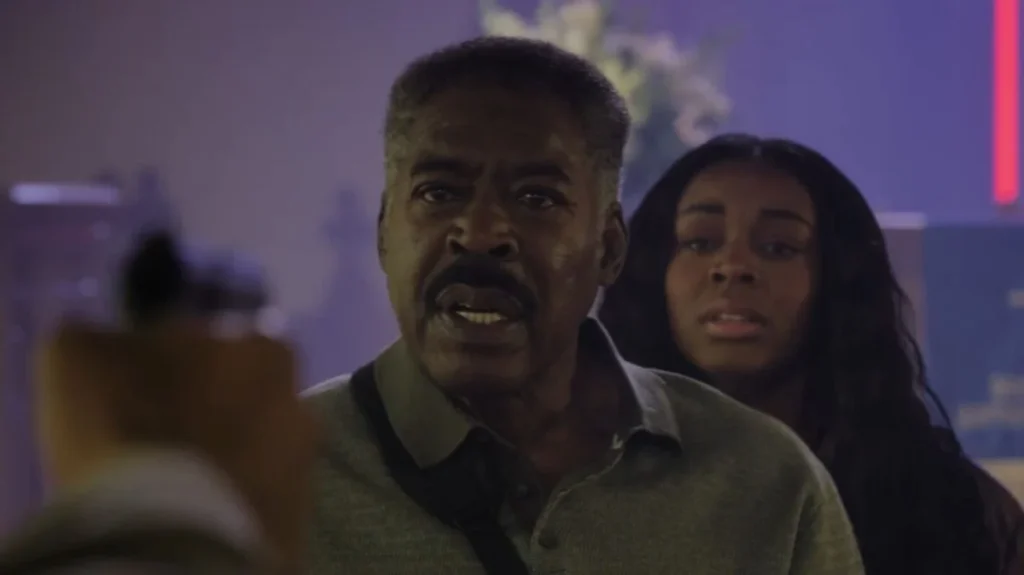
The third season of the Paramount+ espionage thriller Lioness concluded its high-stakes narrative arc with a finale titled The Unraveling, leaving viewers with a definitive paradigm shift regarding the series’ primary antagonist. Following an eight-episode run characterized by clandestine operations and internal friction, the season finale confirmed that the orchestrated attacks on Joe McNamara, portrayed by Zoe Saldaña, were not the work of a rogue operative, but a calculated geopolitical vendetta spearheaded by a familiar face: Aaliyah, played by Stephanie Nur. This revelation brings the narrative full circle to the foundational events of the series’ debut season, fundamentally altering the trajectory of the Lioness program and its core operatives.
The Chronology of the Season 3 Conflict
The progression toward the finale began with the persistent targeting of Joe McNamara. After surviving two distinct assassination attempts, McNamara was rescued in the penultimate episode. Despite the opportunity to return to her family, she opted to remain in the field, driven by a professional mandate to identify and eliminate the threats against her. The investigation centered on the team’s internal security, with suspicion initially falling on the double agent Oleksandra, played by Elizaveta Neretin.
The internal investigation reached a turning point when the unit, led by tactical intelligence, opted to utilize the asset Yurimov as a conduit for information. By facilitating his transit to the embassy, the team hoped to leverage his connections to map the wider conspiracy. Simultaneously, the tactical arm of the operation, spearheaded by Kyle (Thad Luckinbill), executed a direct strike on Oleksandra’s safehouse. The subsequent discovery of her body on a riverbank served as a gruesome conclusion to her tenure as a double agent, though it left the team with more questions than answers regarding the broader intelligence network at play. A chaotic shootout at a D.C. bar further signaled that the Lioness program was operating under compromised parameters, as the effectiveness of the QRF (Quick Reaction Force) team came under intense internal scrutiny.
Aaliyah’s Return and the Strategic Long Game
The revelation that Aaliyah is the primary architect behind the recent hostilities provides a bridge back to the events of Season 1. During the series’ inception, the character Cruz, played by Laysla De Oliveira, was tasked with infiltrating the inner circle of Aaliyah. That mission culminated in the violent state-sanctioned execution of Aaliyah’s fiancé, Ehsan, and her father, Asim Amrohi.
The strategic implications of Aaliyah’s return are significant. By targeting Joe McNamara—a figure central to the operational success of the entire Lioness squadron—Aaliyah is attempting to leverage a psychological and tactical collapse of the unit. The intent is clear: should the program lose its lead operative, the remaining members of the squadron would be forced into a reactive state, thereby exposing themselves to further vulnerability. This shift from a localized threat to a targeted campaign of retribution marks a maturation in Aaliyah’s character, transforming her from a pawn of the U.S. government into a sophisticated adversary capable of coordinating high-level tactical operations.
Tactical Analysis: The Vulnerability of the Lioness Program
The events of the finale suggest that the Lioness program, while highly effective in tactical execution, suffers from significant systemic vulnerabilities. The inclusion of a double agent within the ranks and the subsequent public-facing chaos of the D.C. shootout suggest that the program’s oversight committees are facing a crisis of confidence.
Industry analysts have noted that the series mirrors contemporary concerns regarding the reliance on human intelligence (HUMINT) in volatile political landscapes. The cost of the program’s success—specifically the trauma sustained by operatives like Cruz—has created a complex internal culture. The recent reconciliation between Joe and Cruz, highlighted by their emotional reunion in the seventh episode, acts as a thematic counterweight to the external threats they face. However, this emotional dependency may now be a liability. If Aaliyah intends to strike at the team, she is likely to exploit the interpersonal bonds that have formed within the unit, particularly between Cruz and her new partner, Josie Carrillo.

Background and Institutional Context
The Lioness program, as established in the fictional universe of the series, is a specialized military operation designed to bridge the gap between intelligence gathering and direct action. The program’s reliance on embedding operatives within the lives of high-value targets creates a unique set of ethical and operational challenges.
Historically, the show has utilized these plot points to explore the psychological toll of deep-cover work. The transition from Season 1’s mission-focused narrative to Season 3’s personal-stakes arc demonstrates a pivot in the show’s storytelling methodology. The production, which relies on high-octane action sequences and intricate character studies, has seen consistent viewership, according to data provided by Paramount+ and associated streaming analytics platforms. While official renewal for a fourth season has not been formally announced by the studio, the cliffhanger regarding the safety of the entire squadron provides a robust foundation for future episodes.
Potential Implications for Season 4
As the series stands on the precipice of a potential fourth season, several narrative threads remain unresolved. The most pressing is the question of how the Lioness program will respond to the realization that their primary antagonist is a survivor of their own past operations.
- The Target List: With Aaliyah explicitly targeting Joe and, by extension, the entire squadron, the team must now transition into a defensive posture. This implies a shift in the tone of the show from offensive mission-work to counter-intelligence and survival.
- Internal Integrity: The incident at the D.C. bar indicates that the team is no longer functioning with the level of discipline required for clandestine operations. Future episodes will likely focus on the structural reorganization of the team or the intervention of high-level government oversight.
- The Relationship Dynamics: The deepening bond between Cruz and Josie Carrillo provides an emotional anchor that serves as a high-value target for the antagonist. Aaliyah’s awareness of the team’s internal dynamics makes every interpersonal relationship a potential weakness.
Industry Outlook and Reception
Lioness has maintained a distinctive place in the modern television landscape, drawing comparisons to other high-stakes political thrillers that prioritize character-driven conflict over generic action tropes. The casting of Zoe Saldaña and Nicole Kidman has been credited with the show’s ability to maintain a serious tone while navigating complex narrative twists.
From an industry perspective, the series’ ability to circle back to the core trauma of its inaugural season is a calculated move to reward long-term viewers. By grounding the threat in the consequences of past actions, the show avoids the common pitfall of introducing disconnected antagonists each season. This thematic continuity is essential for the series to maintain its status as a flagship drama for its streaming platform.
Conclusion: A Program in Flux
The finale of the third season of Lioness has effectively stripped away the layers of ambiguity that defined the season’s earlier episodes. By identifying Aaliyah as the orchestrator of the chaos, the series has moved beyond the "monster of the week" trope and into a focused, vengeful narrative. The team now faces a threat that knows their operational methodology, understands their internal hierarchies, and possesses a personal motivation that cannot be easily mitigated through traditional diplomatic or military channels.
As the production moves toward its next chapter, the central question remains: can the Lioness program survive an adversary that was created by the very mission they once considered a success? The answers will likely determine the longevity of the series, but as of the conclusion of The Unraveling, the stakes for the squadron have never been higher. With the tactical landscape altered and the threat of retribution looming, the audience is left with a narrative that is poised for a significant escalation in the potential follow-up season. For now, the events of the finale serve as a reminder that in the world of high-stakes espionage, the past is rarely buried—it is merely waiting for the right moment to resurface.