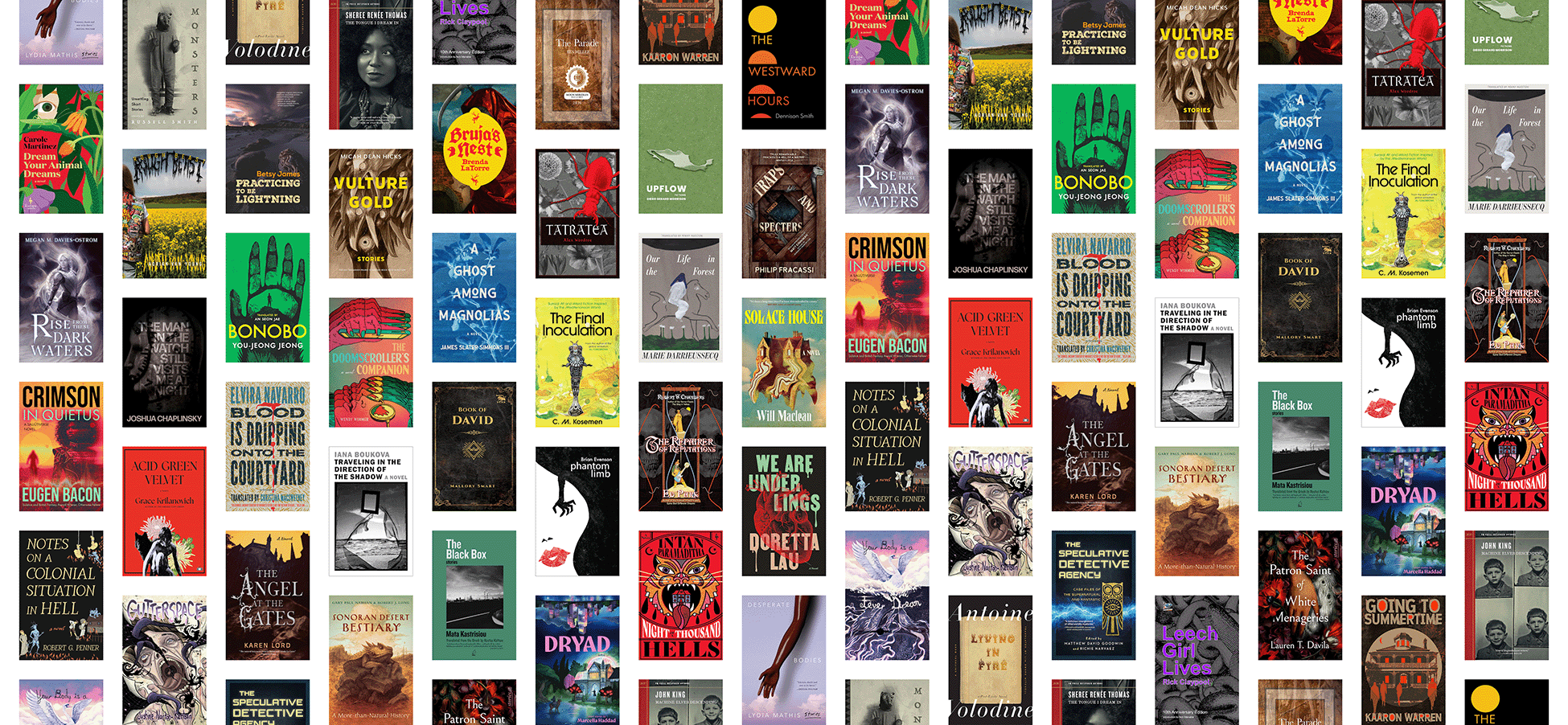
The publishing industry’s autumn calendar has long been associated with high-profile blockbusters from major international publishing houses, yet a distinct shift has quietly transformed the literary landscape over recent years. Independent presses, consistently functioning as the cultural vanguard for risk-taking literature, have increasingly concentrated their release schedules into a dense, highly competitive two-month window spanning September and October. This structural trend—analyzed closely by literary critics and market researchers alike—highlights a strategic pivot by smaller publishing houses. By front-loading their catalogs ahead of Halloween, indie publishers capitalize on seasonal consumer appetites for horror, weird fiction, and speculative narratives while carving out vital marketplace visibility away from the congested holiday shopping season.
The 2026 early fall publishing slate exemplifies this strategy on an unprecedented scale. Across dozens of independent imprints, publishers are rolling out an eclectic array of titles that traverse speculative futures, eco-fiction, historical weirdness, and psychological horror. To better contextualize this massive wave of literature, industry analysts and reviewers have drawn thematic parallels to cultural touchstones of the late 1990s, organizing the autumn offerings into conceptual frameworks that mirror seminal albums from 1997. This deliberate intersection of contemporary avant-garde storytelling and nostalgic cultural framing underscores the innovative marketing and editorial methodologies driving the independent publishing sector today.
Speculative Horizons and Metaphysical Futures
Among the most anticipated releases in the September and October 2026 windows are works that challenge traditional genre boundaries, merging speculative world-building with profound philosophical inquiry. Eugen Bacon continues her exploration of the intricate, multifaceted "Saútiverse" with Crimson in Quietus, published by Meerkat Press in September 2026. Set within a futuristic paradigm where sound possesses physical, forceful properties that transcend conventional acoustic laws, the novel has already drawn critical acclaim. In its pre-release assessment, Publishers Weekly lauded the work as a "smart, metaphysical Afrofuturist saga," pointing to Bacon’s ability to weave complex socio-political commentary into high-concept speculative frameworks.
Simultaneously, independent presses are demonstrating a strong appetite for sweeping fantasy and surreal historical world-building that mirrors the scale of major commercial releases while retaining niche artistic integrity. Megan M. Davies-Ostrom’s Rise From These Dark Waters, slated for an October 20, 2026 release via Bad Hand Books, bridges the gap between intricate political intrigue and visceral ecological dread. The novel follows a lone protagonist navigating a transformed world defined by mystical diplomacy and uncanny plagues—themes that resonate deeply with contemporary anxieties regarding systemic change and survival.
Further pushing the boundaries of speculative art, C.M. Kosemen returns this October with The Final Inoculation, published by Wilton Square Press. Following the success of his evolutionary speculative project All Tomorrows, Kosemen’s latest offering is described by its publisher as a "dreamlike fusion of surreal art and weird fiction inspired by the Mediterranean world." This intersection of visual arts and prose highlights how independent presses frequently serve as incubators for multidisciplinary storytelling that mainstream houses may deem too unconventional for mass-market distribution.
Digital Anxiety and the Solarpunk Avant-Garde
As contemporary society grapples with the psychological tolls of digital connectivity and environmental degradation, indie publishers are championing narratives that directly reflect these modern crises. Justine Norton-Kertson, founder of Solarpunk Magazine and a prominent voice in climate-forward fiction, makes their book-length debut this October with the novella Gutterspace, published by Stars and Sabers. Set in Portland, Oregon, the narrative utilizes the literal and figurative "gutter" of comic book pages to explore a sinister entity dwelling within a vintage periodical, hunting unsuspecting residents. The novella cleverly subverts the mid-20th-century moral panics surrounding comic books, transmuting historical anxieties into a sharp, contemporary psychological thriller.
Digital fatigue and apocalyptic premonitions find an equally bracing exploration in Wendy Wimmer’s The Doomscroller’s Companion, scheduled for October 2026 through the University of Wisconsin Press. Focusing on a couple navigating the relentless digital onslaught of a world-ending pandemic, the novel has been praised by critics, including Aurore Dupuis, as a "timely, evocative story of how our lives intersect with our digital platforms in times of crisis." By anchoring speculative dread within the mundane mechanics of modern screen time, Wimmer captures the specific flavor of twenty-first-century existential exhaustion.
The blurring lines between reality, digital spaces, and psychological projection are also central to international translations making their way to English-speaking audiences this fall. ARB Editions released Mata Kastrisiou’s short story collection The Black Box, translated by Kostas Kaltsas, on September 1, 2026. Reviewers have highlighted the collection’s disorienting atmosphere, noting how dreamlike shifts in perspective anchor narratives ranging from humble terrestrial homes to isolated space stations. Similarly, PM Press’s October release of John King’s Machine Elves Descending showcases the acclaimed author’s transition from gritty subcultural realism into surreal, speculative terrain, proving that established literary voices are increasingly eager to experiment under the indie banner.
Folk Horror, Historical Reimagining, and the Supernatural
With the autumn months drawing consumers toward darker, more atmospheric reading material, independent presses have heavily invested in gothic traditions, folk horror, and speculative historical revisions. Two Lines Press answered this demand on September 22, 2026, with the publication of Elvira Navarro’s Blood Is Dripping Onto the Courtyard, translated by Christina MacSweeney and featuring an introduction by Shirley Jackson Award winner Sarah Rose Etter. The collection pairs striking, blood-soaked cover art with a series of deeply uncanny tales that deliver on their visual promise.
Historical revisionism infused with the supernatural offers another vital avenue for indie publishers seeking to challenge conventional historical narratives. Lanternfish Press presents James Slater Simmons III’s A Ghost Among Magnolias on September 8, 2026. Set in early twentieth-century Atlanta, the novel follows the daughter of an affluent Black family whose unexpected romance becomes entangled with the supernatural entity referenced in the title. By integrating generational family history with speculative folklore, Simmons contributes to a growing body of literature that reinterprets historical American landscapes through a supernatural lens.
Meanwhile, larger indie institutions and university presses are leveraging their catalogues to reintroduce foundational weird fiction to modern readers. Hell’s Hundred Publishing released a provocative new edition of Robert W. Chambers’s classic The Repairer of Reputations on September 29, 2026, pairing the foundational weird-fiction text with a new, disquieting companion story by Ed Park. By juxtaposing historical weird fiction with contemporary interpretations, independent publishers continuously contextualize the genre’s evolution for modern audiences.
Industry Implications and Market Analysis
The heavy concentration of indie press releases during September and October is not merely a seasonal quirk; it represents a calculated economic and cultural strategy. Major commercial publishers typically reserve the early fall for celebrity memoirs, high-profile literary fiction awards contenders, and massive franchise blockbusters. By carving out a distinct niche centered around speculative fiction, horror, and innovative translations, independent presses avoid direct competition while capturing the attention of dedicated genre readerships.
Furthermore, the operational agility of independent publishers allows them to take creative risks that monolithic publishing conglomerates often avoid. Whether publishing experimental poetry-prose hybrids like Marcella Haddad’s Dryad (Game Over Books) or ambitious international translations like Carole Martinez’s Dream Your Animal Dreams (Europa Editions), indie presses provide a vital infrastructure for diverse, unconventional voices. As supply chain dynamics and digital discovery platforms continue to evolve, the independent sector’s early fall literary surge demonstrates that small presses are not just surviving in a crowded marketplace—they are actively defining its cultural boundaries.