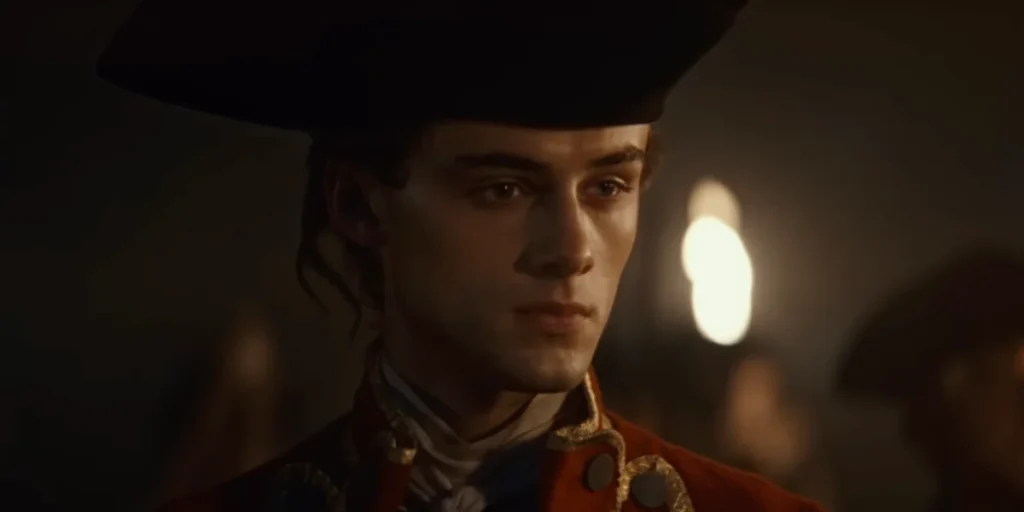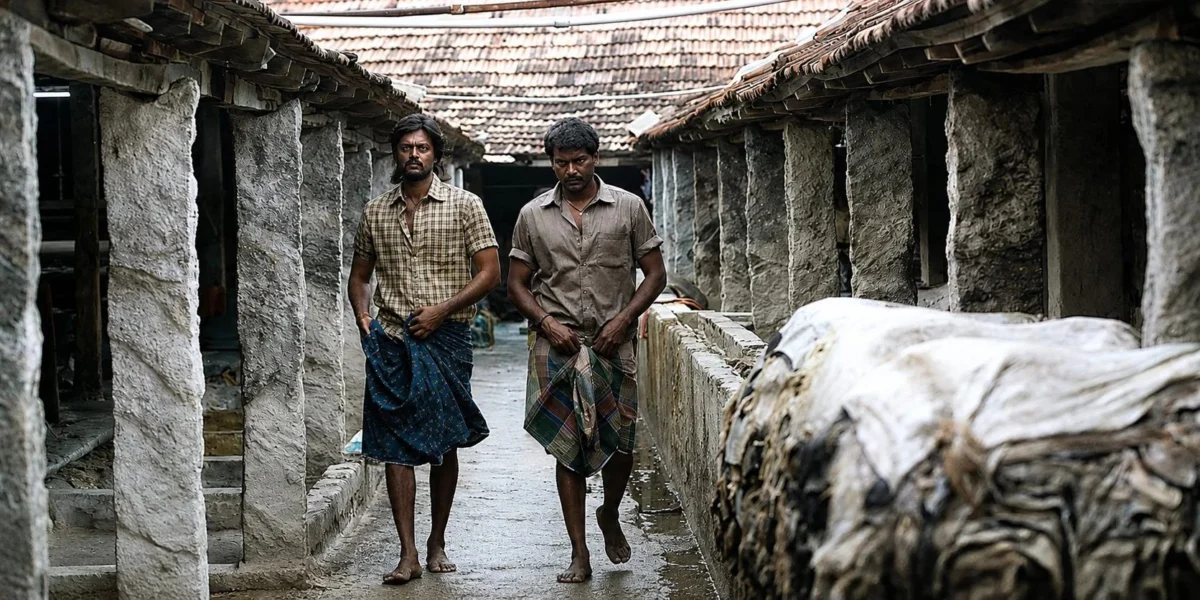
The contemporary landscape of Indian cinema has increasingly embraced narratives that critically examine deep-seated societal frameworks, particularly within regional industries such as Kollywood. Acclaimed filmmaker Karthik Subbaraj has returned with his latest directorial venture, Dorothy, a 150-minute cinematic exploration set against the complex socio-cultural backdrop of rural Tamil Nadu. Centered on themes of caste hierarchy, institutionalized violence, and the psychological toll of rigid patriarchal expectations, the film weaves a narrative around two childhood friends whose lives are irrevocably altered by tragedy and compassion. With a cast led by Rishikanth, Sananth, and National Award-winning actress Keerthy Suresh, the production merges the stylistic grandeur of traditional genre filmmaking with modern socio-political commentary.
Main Facts and Production Overview
Dorothy is written and directed by Karthik Subbaraj, a filmmaker widely recognized for his distinct visual flair and willingness to subvert conventional genre tropes. Produced with a runtime of 150 minutes, the film operates at the intersection of a gritty crime saga and a psychological character study.
The narrative unfolds through the performances of its principal cast. Rishikanth portrays Karthi, a young man raised by a lower-caste single mother, while Sananth plays Subbu, his inseparable childhood friend born into a wealthier, locally influential criminal family dominated by a notorious gangster father and brothers. Keerthy Suresh rounds out the primary cast as Dorothy, an outsider whose arrival in the community serves as a catalyst for narrative transformation.
Technically, the film draws heavily on the collaborative efforts of veteran and contemporary artists. Cinematographer S. Thirunavukkarasu has crafted a visual language that bridges historical aesthetic references with modern cinematic techniques, utilizing desaturated sepia tones at key narrative junctures alongside vibrant, high-contrast framing. The musical score is composed by the legendary Ilaiyaraaja, whose integration of classic orchestral arrangements with contemporary soundscapes and original compositions underscores the emotional and temporal shifts within the story.
Chronology and Narrative Arc
The structural chronology of Dorothy is framed by a striking prologue. The film opens in a faded palette hovering between sepia and monochrome, featuring a tear-stained protagonist smoking a cigarette down to the filter. The narrative establishes its central conflict with six declarative words: "Subbu is dead. I killed him."
From this arresting opening, the film flashes back to trace the lifelong bond between Karthi and Subbu. Their relationship originates in childhood, forged when Subbu intervenes to defend Karthi from physical assault by local bullies. As the boys mature into young adults, they harbor ambitions of entering the criminal underworld, mirroring the legacy of Subbu’s male relatives.
Their parallel upbringings highlight stark socio-economic and caste disparities. While Karthi is raised by a widowed mother in a lower-caste household, Subbu’s domestic environment is defined by patriarchal authority and criminal enterprise. Initially, the families operate with a degree of surrogate integration; however, as the boys reach maturity, rigid caste boundaries intervene. Subbu’s father explicitly forbids Karthi from crossing these lines, notably rejecting a prospective inter-caste marriage.
Concurrently, a psychological role reversal occurs between the two friends. Subbu, once destined for a life of violence, develops an aversion to bloodshed and questions Karthi’s stoicism in the face of local atrocities, particularly the violent policing of caste-transgressive relationships. The introduction of Dorothy—Subbu’s sister-in-law from another region—further destabilizes the domestic and social equilibrium. Offering alternative models of empathy and kindness, Dorothy’s presence provides both men with emotional respite until a pivotal tragedy occurs. This event bifurcates the narrative, plunging the second half into an accelerated visual and emotional trajectory that ultimately leads back to the fatal confrontation introduced in the prologue.
Supporting Data and Cultural Context
The thematic concerns explored in Dorothy reflect documented socio-cultural realities within rural southern India, where caste stratification and gender norms continue to exert profound influence. According to sociological data and reports from organizations monitoring human rights and civil liberties in India, manifestations of caste-based discrimination and gender-based violence remain critical structural challenges.
In Tamil Nadu, the enforcement of endogamy and the policing of social mobility across caste lines frequently manifest in severe communal tensions. Academic literature and criminology reports emphasize that traditional media has historically romanticized hyper-masculinity, honor-based violence, and patriarchal dominance under the guise of commercial entertainment. By centering its critique on the psychological damage inflicted upon men who fail to conform to these aggressive archetypes, Dorothy engages directly with public discourse surrounding mental health, emotional repression, and gender equity.
Furthermore, the film’s production metrics align with broader economic trends in Kollywood, where mid-to-high-budget auteur-driven projects increasingly rely on festival-adjacent prestige combined with commercial distribution models to reach both domestic and international Tamil diasporic audiences.
Critical and Industry Reactions
Following initial screenings and promotional rollouts, industry analysts and critics have offered preliminary assessments of Subbaraj’s directorial choices. The film’s deliberate pacing and maximalist melodrama in the second half have prompted analytical discussions regarding narrative structure.
Film critics have highlighted the performances of Rishikanth and Sananth for subverting conventional expectations of Tamil cinematic heroes. Rather than relying on infallible archetypes, the actors depict vulnerability, internal conflict, and the psychological burden of societal expectations. Keerthy Suresh’s portrayal of Dorothy has similarly received commendation for anchoring the moral core of the narrative without resorting to traditional cinematic tropes associated with female supporting characters in male-dominated genres.
Cinematic scholars note that Subbaraj’s synthesis of Western, crime thriller, and martial arts conventions with regional socio-political realities represents a continuation of his auteurial evolution, building upon previous works that interrogate power structures within Tamil society.
Broader Impact and Implications
Dorothy arrives at a juncture where Indian cinema is undergoing a critical reassessment of masculinity and systemic inequality. By utilizing the idioms of commercial genre filmmaking—such as dynamic cinematography, kinetic action sequences, and an evocative musical score—the film attempts to engage mainstream audiences in discussions traditionally relegated to parallel or art-house cinema.
The implications of such narratives extend to the cultural sphere, where popular media plays a significant role in shaping public attitudes toward caste discrimination and gender norms. By challenging the glorification of toxic masculinity and depicting the high emotional cost of institutional violence, works like Dorothy contribute to an ongoing dialogue within the Indian film industry regarding social responsibility and artistic expression. As the film secures its place in contemporary cinematic discourse, its long-term impact will likely be measured by its ability to influence both future storytelling paradigms in regional cinema and audience reception of complex socio-political themes.