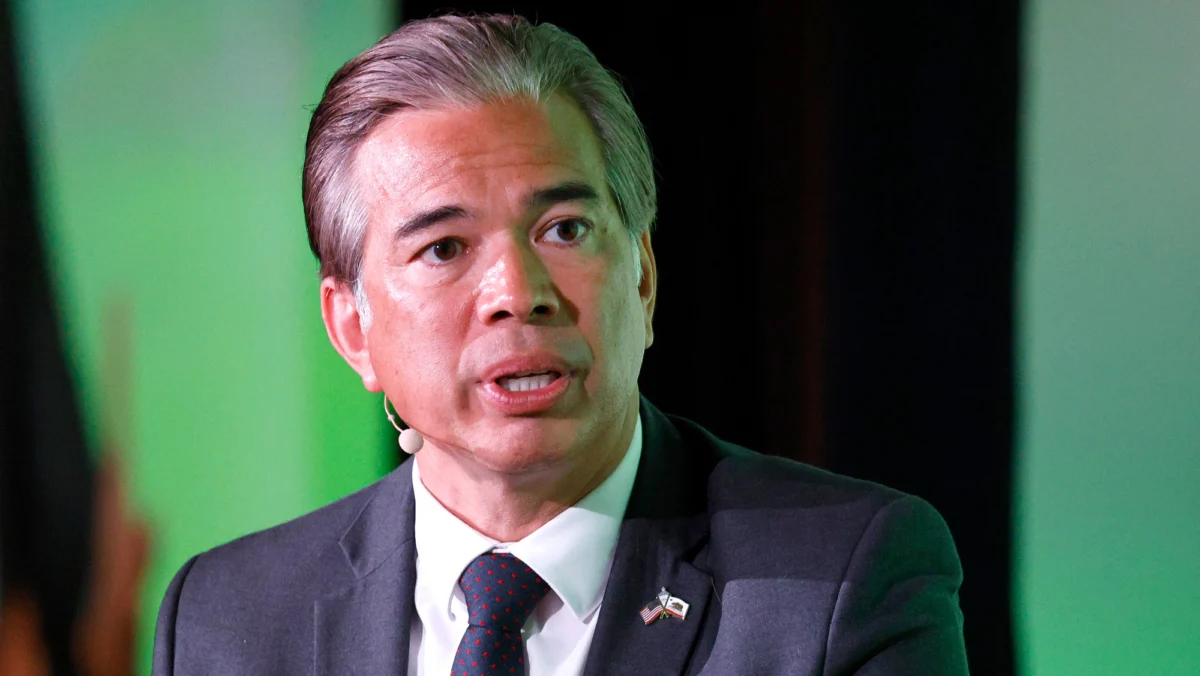
The landscape of the American entertainment industry underwent a fundamental transformation this week as California Attorney General Rob Bonta announced a significant settlement with David Ellison, effectively clearing the path for the long-debated $111 billion merger between Paramount Global and Warner Bros. Discovery. The agreement, which effectively neutralizes the primary legal opposition to the deal, marks the end of a grueling period of regulatory scrutiny and corporate maneuvering that has defined the industry since Ellison first moved to acquire Paramount from Shari Redstone.
For months, the consolidation of two of Hollywood’s most storied studios faced mounting pressure from a coalition of 12 state attorneys general, who argued that the combination would result in an unprecedented monopolistic entity. However, the resulting settlement—a series of behavioral commitments rather than the structural divestitures many critics had demanded—suggests a pivot toward regulatory pragmatism in the current political climate.
A Chronology of the Megamerger
The path to this consolidation has been marked by high-stakes negotiations, shifting allegiances, and intense scrutiny from global regulators.
- Early 2025: David Ellison, CEO of Skydance Media, formally initiates his bid to acquire Paramount Global, articulating a vision for a "tech-forward" studio model capable of competing with global streaming platforms.
- December 2025: Netflix, led by Ted Sarandos, conducts an extensive tour of the Warner Bros. lot, signaling potential interest in a acquisition. However, Ellison eventually outbids competitors, forcing the Warner Bros. board to accept the superior financial terms of the Skydance-led proposal.
- July 2026: A coalition of 12 state attorneys general, led by California’s Rob Bonta, files a formal lawsuit to block the merger, citing concerns over competition and the concentration of media power.
- Late 2026: Paramount begins navigating a complex web of international regulatory hurdles, eventually exiting a lucrative distribution joint venture with Universal to satisfy European Union antitrust authorities.
- September 2026: The Federal Communications Commission (FCC), under Commissioner Brendan Carr, clears the deal to proceed, notably approving the inclusion of several Middle Eastern sovereign wealth funds as primary capital backers.
- September 21, 2026: The finalized consent decree is filed, detailing the behavioral concessions that satisfied the California Attorney General’s office.
Behavioral Remedies vs. Structural Change
The settlement brokered by Attorney General Bonta relies heavily on behavioral guardrails, a strategy that has drawn mixed reactions from industry observers and creative labor unions. Among the primary requirements, Paramount must commit to a $1.5 billion investment in domestic production over the next five years. Furthermore, the studios are prohibited from divesting their iconic Los Angeles production lots, ensuring that physical infrastructure remains localized.
Perhaps most critical to the industry’s creative class is the pledge to maintain independent editorial boards for both CBS News and CNN. This provision aims to mitigate concerns regarding editorial interference in a consolidated media giant. Additionally, the merger includes a $9.5 million annual investment into workforce training and a $5 million annual fund specifically designated to support independent film production.
The production mandate is particularly noteworthy. Paramount and Warner Bros. Discovery have committed to a minimum of 30 films annually. Should the combined entity fail to meet this threshold, they face a punitive fine of $30 million per film. While Bonta characterized this as a "significant" intervention, critics point out that the combined studios produced a similar volume of content in recent years, suggesting the mandate may simply codify existing business trajectories rather than force new output.
The Economic Context of Consolidation
To understand the scale of this merger, one must examine the financial realities driving it. According to an economic report published by Los Angeles County in June 2026, Warner Bros. distributed 11 wide-release films in 2025, while Paramount released 10. The $1.5 billion production commitment represents a 25% increase over the combined studios’ spending in the previous fiscal year.
However, the "attention economy" remains the primary driver. David Ellison’s strategy hinges on the belief that traditional studios must reach a critical mass of intellectual property and distribution scale to remain relevant against tech-centric platforms. By integrating Skydance, Paramount, and Warner Bros. Discovery, Ellison is positioning the company to control vast libraries of content, including the CNN and HGTV cable networks—assets that many analysts initially believed would be spun off to satisfy regulators.
Industry Reactions and the "Jane Fonda Wing"
The announcement has highlighted a widening rift within Hollywood. On one side are the "pro-deal" advocates, including major theater chains and institutional shareholders, who argue that the merger provides the stability needed for long-term investment in high-budget cinema. On the other side is what has been colloquially dubbed the "Jane Fonda wing" of the industry—a coalition of creators and union members concerned about the erosion of competition.
Jane Fonda, who has been a vocal critic of the merger, recently addressed the implications of the consolidation during an industry panel. "As a creative, the fewer studios there are, the fewer places that we can take our products," she stated. "We lose bargaining power. Unions lose their power."
While Ellison has maintained a cordial relationship with the creative community—notably having financed successful projects like Grace and Frankie—many labor leaders view the "behavioral" remedies in the Bonta settlement as insufficient. The Writers Guild of America, in its own legal filings, emphasized "monopsony" concerns: the idea that a single, massive entity creates a bottleneck where fewer buyers for creative scripts diminish the leverage of screenwriters and producers.
The Role of External Capital
The merger’s successful navigation of regulatory hurdles was bolstered by significant capital infusions. The presence of Oracle mogul Larry Ellison, David’s father, provided a critical backstop that allowed the younger Ellison to maintain his bid despite a chaotic regulatory landscape.
Furthermore, the FCC’s recent approval of Middle Eastern sovereign wealth fund participation marks a shift in how Hollywood perceives capital. By welcoming these funds as backers, the newly formed entity has secured the liquidity necessary to weather the transition period and satisfy the $30 million-per-film penalty clauses, should they fail to meet their production quotas.
Future Implications for the Media Landscape
As the dust settles, the industry is left to analyze the long-term impact of this precedent. By accepting behavioral remedies, the California Attorney General has set a new standard for media mergers. Instead of breaking up companies or forcing the sale of assets, regulators are increasingly opting to act as "overseers" of corporate conduct.
However, the efficacy of these oversight boards remains to be seen. Skeptics argue that editorial committees and production funds, while well-intentioned, do not address the core issue of structural consolidation. As cost-saving synergies become the priority for the new leadership, the pressure to reduce overhead—specifically within the newsrooms of CBS and CNN—will likely persist, regardless of the existence of ethics committees.
Furthermore, the $7 million-per-day "ticking fee" that loomed over the deal created a powerful incentive for the state to reach an agreement before the March 2027 antitrust trial. With this hurdle removed, Ellison is now free to begin the integration process that has been on hold for nearly a year. His stated goal—to lead the studio through a twenty-year period of technological and cultural evolution—is now officially underway.
In the final analysis, the merger represents the end of an era of independent, legacy studio operations and the beginning of a consolidated, tech-driven entertainment future. Whether this "new Paramount" can satisfy its creative stakeholders while delivering the financial returns demanded by its deep-pocketed backers will be the defining narrative of the next decade in Hollywood. The settlement ensures the merger goes forward, but the true test—maintaining quality, diversity of content, and competitive wages—remains an open question for the industry at large.