The highly anticipated Marvel Studios reboot of Blade, which was intended to reintroduce the iconic vampire hunter to the Marvel Cinematic Universe (MCU), has officially dissolved, leaving behind a trail of development complications and a notable vacuum in the studio’s long-term production slate. The project, which was initially announced to immense fanfare at the 2019 San Diego Comic-Con, was intended to anchor a darker, more mature corner of the MCU. However, following years of iterative delays, script revisions, and director departures, the project was ultimately shelved, a decision that has been publicly categorized by Marvel Studios President Kevin Feige as the most significant failure of his tenure.
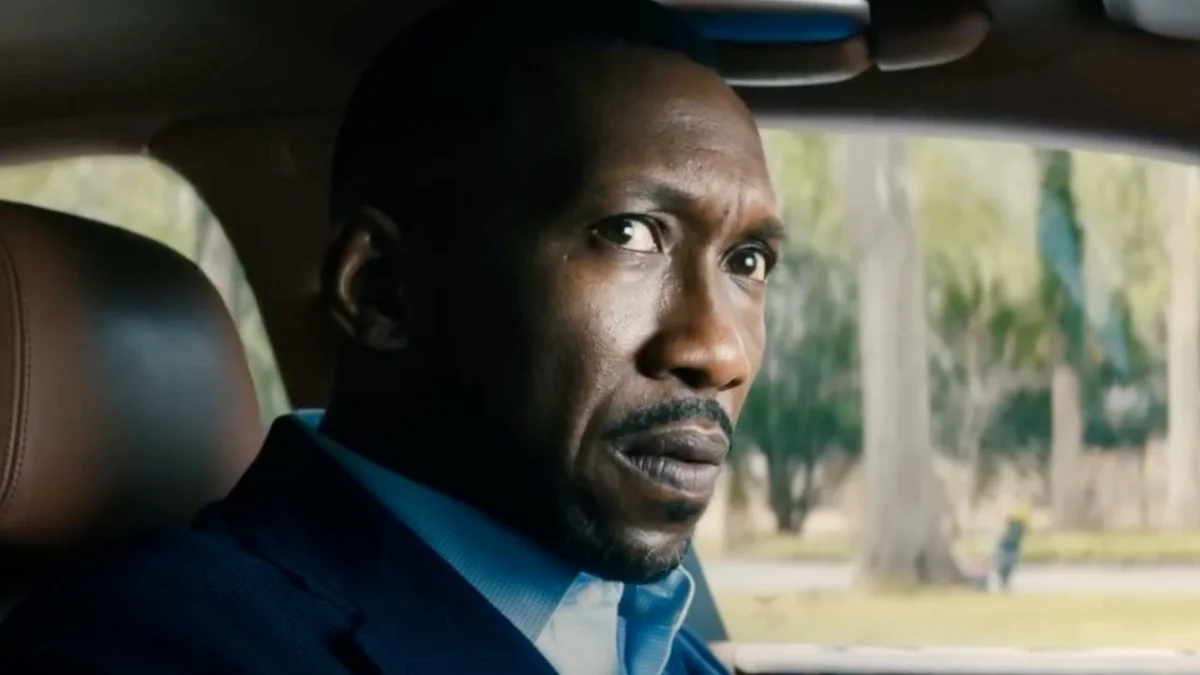
In a recent interview with GQ, Academy Award-winning actor Mahershala Ali, who was attached to the titular role, expressed his own lack of clarity regarding the project’s collapse. Ali’s comments mark one of the few instances where a primary participant has spoken candidly about the internal dysfunction that plagued the production. "That is a Kevin Feige question," Ali stated. "They had a two-time Oscar-winning actor under contract and billions of dollars in resources. To this day, I do not know why it didn’t happen. I just know that Kevin labeled it the biggest failure of his career, and I find myself in agreement with that assessment."
A Chronology of Stagnation
The trajectory of the Blade reboot serves as a case study in the complexities of modern blockbuster development. When Marvel Studios first unveiled the project in 2019, the casting of Mahershala Ali—widely considered one of the most talented actors of his generation—was viewed as a strategic masterstroke. Ali, having earned Academy Awards for his performances in Moonlight and Green Book, brought a level of prestige to the character that signaled a departure from the studio’s traditional tentpole approach.
However, the production timeline quickly became characterized by instability:

- July 2019: Marvel Studios officially announces the Blade reboot at San Diego Comic-Con, with Mahershala Ali confirmed as the lead.
- 2021: Bassam Tariq is attached to direct, with Stacy Osei-Kuffour hired to pen the script.
- September 2022: Director Bassam Tariq exits the project due to ongoing shifts in the production schedule.
- October 2022: Production is paused to allow for extensive rewrites; release dates begin to slip from the original 2023 target.
- 2023-2024: Multiple writers are brought on to iterate on the script, including Michael Starrbury, Nic Pizzolatto, and Michael Green.
- 2025: Kevin Feige publicly addresses the project’s stagnation, citing a failure to achieve the "insanely great" quality threshold required for a character of Blade’s cultural significance.
- 2026: The project is effectively removed from the studio’s active development pipeline.
The Quality Control Dilemma
The primary tension throughout the project’s development centered on the studio’s desire to maintain the MCU’s interconnected, PG-13-friendly brand identity while attempting to adapt a character fundamentally defined by visceral violence and urban grit.
Kevin Feige’s 2025 remarks offered insight into the studio’s internal rationale. "We didn’t want to simply put a leather outfit on him and have him start killing vampires," Feige explained. "It had to be unique. It fell into a time when we started pulling back and saying, ‘Only accept insanely great.’ And it wasn’t ‘insanely great’ at the time. We didn’t feel confident that we could elevate the script during production, and we didn’t want to compromise the project, Mahershala, or the studio’s standards."
From an industry perspective, this "quality-first" pivot reflects a broader shift within Disney and Marvel. Following a period of rapid expansion during the "Multiverse Saga," the studio faced criticism regarding oversaturation and declining narrative cohesion. By choosing to abandon a high-profile project rather than push through a mediocre version, Marvel Studios signaled a move toward fiscal and creative discipline, even at the cost of public reputation and the loss of a star-studded collaboration.
Market Implications and Talent Relations
The cancellation of Blade carries significant implications for talent relations. The "under contract" status mentioned by Ali underscores the professional limbo that actors often endure when studio development cycles stall. For a performer of Ali’s stature, the loss of years spent waiting for a script that never materialized represents a significant opportunity cost.
Furthermore, the failure of the reboot raises questions about the viability of legacy properties within the current comic book movie landscape. While the 1998 Blade film—starring Wesley Snipes—is credited with helping launch the modern era of superhero cinema, the character exists in a stylistic space that is difficult to reconcile with the current MCU ecosystem. The inability to bridge this gap suggests that Marvel may need to reassess how it integrates more mature or specialized IP into its broader cinematic tapestry.

Analyzing the "Feige Factor"
The public admission by Kevin Feige that this constitutes a professional failure is rare in the high-stakes environment of Hollywood executive management. Typically, studios frame project cancellations as "creative differences" or "strategic realignments." By taking personal ownership of the failure, Feige appears to be attempting to reset expectations with both shareholders and the fan base.
However, the ripple effects of this decision extend beyond mere public relations. The cancellation of Blade has left a hole in the MCU’s upcoming schedule, forcing the studio to pivot its focus toward other established franchises. For analysts, the episode serves as a reminder that even the most well-resourced studios are subject to the same creative entropy that affects independent productions.
Looking Toward the Future
As the dust settles on the Blade project, the industry is left to consider what this means for the future of the character. There is no immediate indication that Marvel intends to revive the film with a new lead or a different creative team. The project has effectively become a cautionary tale regarding the perils of pre-production instability.
For now, the story of the Blade reboot serves as a stark reminder of the delicate balance between brand preservation and creative risk. While fans remain disappointed by the loss of a project that held so much promise, the decision to halt production reflects an acknowledgment that some stories, no matter how anticipated, cannot be forced into existence if the foundational creative elements are not in alignment. Whether Marvel Studios will eventually return to the vampire hunter remains an open question, but for the time being, the sword remains sheathed.