The promotional campaign for the upcoming Warner Bros. feature film Clayface has intensified with the release of a new 30-second television spot, offering audiences a grim glimpse into the physiological dissolution of its central character, Matt Hagen. Portrayed by Tom Rhys Harries, Hagen’s transformation serves as the cornerstone of a narrative that departs from traditional superhero fare, opting instead for the visceral aesthetic of body horror. As the October 23, 2026, release date approaches, this latest footage confirms that director James Watkins is leaning heavily into the R-rated potential of the source material, drawing clear stylistic parallels to genre-defining works such as David Cronenberg’s The Fly and Katsuhiro Otomo’s Akira.
The Evolution of Matt Hagen: A Narrative Overview
The film, scripted by Mike Flanagan and Hossein Amini, centers on the tragic arc of Matt Hagen, an actor whose professional life is abruptly curtailed by the machinations of a ruthless crime syndicate. The inciting incident involves a disfiguring encounter that leaves Hagen’s career—and physical identity—in ruins. Seeking a path to restoration, Hagen undergoes an experimental, illicit medical procedure. While the treatment initially appears successful, the narrative quickly shifts into psychological and biological turmoil as the procedure’s side effects manifest in grotesque, uncontrollable mutations.
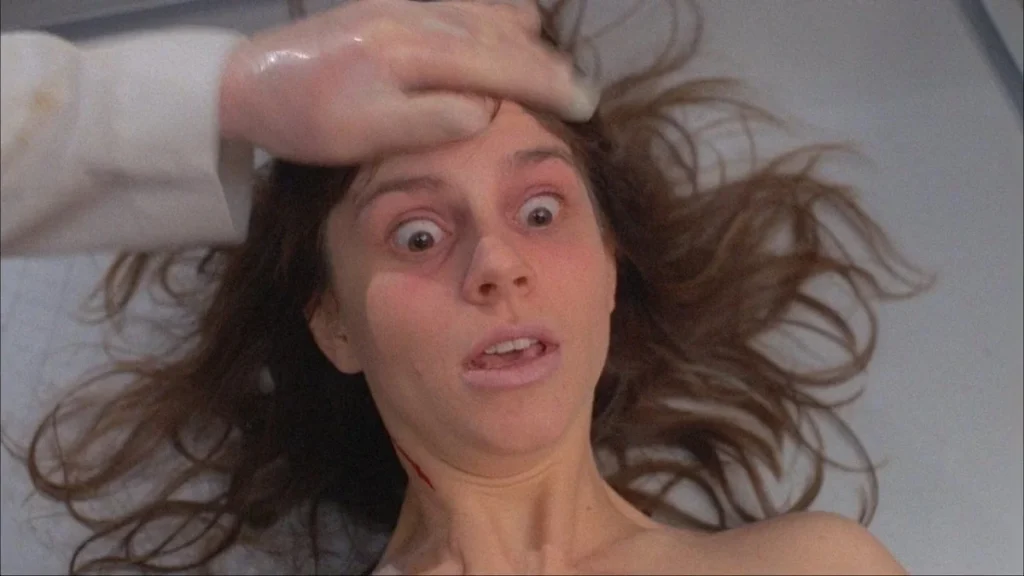
The recently released television spot captures a pivotal moment in this descent. During a scene set in a nightclub, Hagen suffers a public breakdown of his physical form, causing his features to mutate and liquefy in the presence of a civilian. The sequence emphasizes the loss of bodily autonomy, a recurring theme in the film’s marketing. Beyond this specific interaction, the footage provides a fleeting, high-impact shot of a human hand undergoing a violent, boiling mutation, suggesting that the creature’s final form will be significantly more complex than a simple physical deformity.
Strategic Marketing and the R-Rated Mandate
Warner Bros. has confirmed that Clayface has been officially rated R by the Motion Picture Association. The rating is attributed to "strong bloody violence, gore, language, some nudity, and brief drug use." This classification is a critical indicator of the studio’s intent to cater to an adult demographic, moving away from the PG-13 constraints that have historically defined many DC-branded projects.
The marketing strategy has been notably disciplined regarding the film’s "big reveal." While the promotional materials highlight the psychological toll of the transformation, the final, fully mutated iteration of Clayface remains absent from trailers and television spots. In recent comments provided to Empire, lead actor Tom Rhys Harries hinted at the intensity of this design, characterizing the finished product as "fucking sick." By withholding the creature’s final look, the production team is successfully cultivating a sense of anticipation, banking on the audience’s curiosity regarding the limits of the film’s practical and digital effects.
Chronology of Production and Development
The journey of the Clayface project from concept to screen has been marked by a deliberate focus on high-caliber genre talent. The involvement of Mike Flanagan, known for his nuanced approach to horror in projects like The Haunting of Hill House and Midnight Mass, suggests that the script prioritizes internal character degradation alongside external horror. Hossein Amini, whose background includes the atmospheric tension of Drive, provides a grounded, noir-inspired framework for the story.

- Early 2025: Pre-production begins with the selection of James Watkins as director, following his success with psychological thrillers like Eden Lake.
- Mid-2025: Casting is finalized, with Tom Rhys Harries stepping into the role of Matt Hagen.
- Late 2025: Principal photography commences in London and Vancouver, utilizing a mix of practical prosthetic work and advanced CGI to handle the transformation sequences.
- Spring 2026: Post-production focuses on the complex visual effects requirements of the film’s third act.
- September 2026: The first major television spots are released, solidifying the film’s identity as a body-horror thriller.
- October 23, 2026: Scheduled wide theatrical release.
Comparative Analysis: The Body Horror Subgenre
The aesthetic choices displayed in the Clayface footage suggest a deliberate homage to the body horror movement of the late 20th century. By evoking the metamorphic agony of Seth Brundle in The Fly or the uncontrollable biological expansion of Tetsuo in Akira, the film positions itself within a lineage of stories that equate physical corruption with the loss of self.
Industry analysts observe that this approach is a significant departure from the standard "rogue’s gallery" adaptation model. Instead of framing the character as a static villain, the production frames the character as a victim of scientific hubris. The use of practical effects—often preferred by director James Watkins—lends a tactile quality to the horror, distinguishing the film from the cleaner, more digital-heavy aesthetic of contemporary tentpole films. This reliance on "meat-based" horror serves to heighten the visceral impact on the viewer, creating a sense of unease that is difficult to replicate with pure CGI.
Broader Implications for the DC Franchise
The release of Clayface represents a broader trend within the current landscape of comic-book-based intellectual property. As audiences show signs of "superhero fatigue," studios are increasingly willing to experiment with genre-blending. By stripping away the capes and large-scale urban warfare, Warner Bros. is testing whether a niche, character-driven horror film can achieve the same level of commercial success as a traditional blockbuster.
The implications for this strategy are significant. If Clayface proves successful, it provides a roadmap for the studio to utilize its vast library of secondary characters in high-risk, high-reward standalone projects. This "siloed" approach allows for creative freedom that would be impossible within the interconnected structure of a cinematic universe, as the film is not required to adhere to the tonal or narrative mandates of a larger continuity.
Furthermore, the involvement of high-profile horror writers like Flanagan demonstrates a shift in the perceived value of comic book adaptations. No longer viewed solely as action vehicles, these properties are increasingly being treated as vehicles for auteur-driven storytelling. The focus on the psychological and physical deterioration of the protagonist suggests that the film will be measured not just by its box office performance, but by its ability to engage with the thematic complexities of its premise.
As the October 23 premiere approaches, the industry will be watching closely to see if the gamble on R-rated, body-horror-centric storytelling will pay off. For now, the promotional materials have achieved their primary objective: establishing that Clayface is not the typical comic book movie, but rather a dark, intimate, and physically harrowing exploration of identity in the face of inevitable dissolution. With the final form of the antagonist still shrouded in secrecy, the film remains one of the most anticipated genre titles of the 2026 autumn season, poised to test the limits of what mainstream audiences are willing to endure in the name of comic-inspired entertainment.