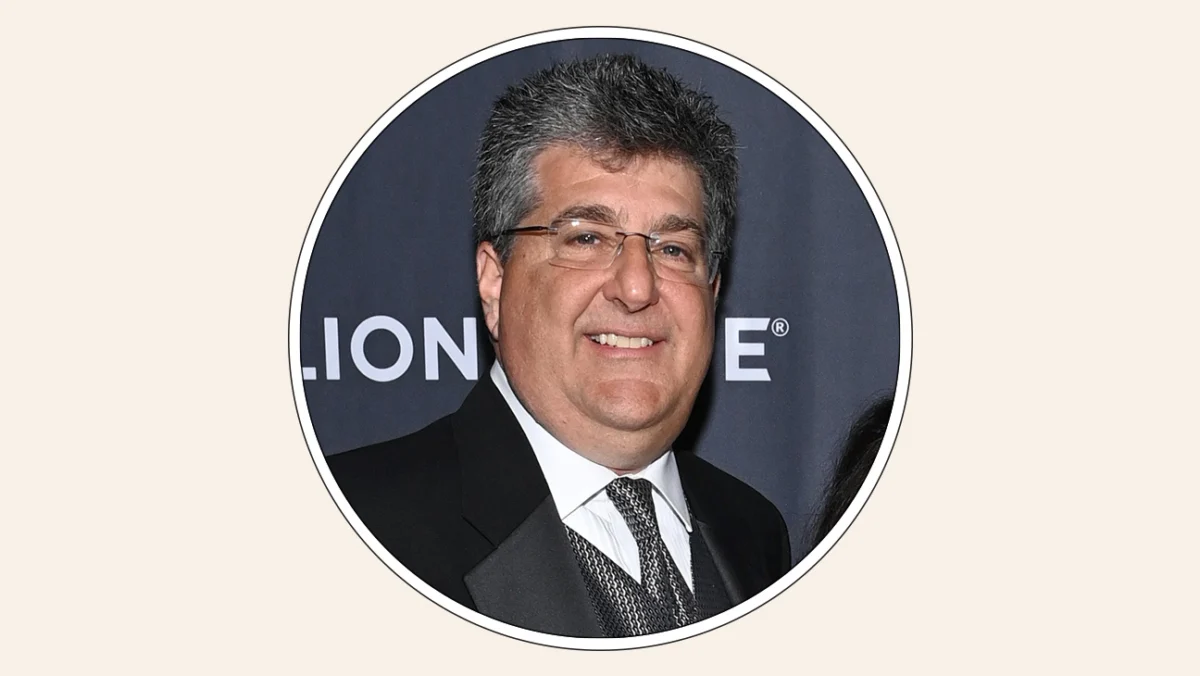
For 34 years, Guy Campanile served as a cornerstone of the CBS News editorial apparatus, eventually rising to the position of managing editor for its most venerable institution, 60 Minutes. His tenure, defined by a culture of rigorous, often abrasive, internal debate, came to a sudden and public conclusion this past May. Along with a cadre of senior producers and correspondents—including Sharyn Alfonsi, Cecilia Vega, and veteran anchor Scott Pelley—Campanile was ousted during a turbulent leadership transition that signaled a tectonic shift in the network’s editorial philosophy.
As the program navigates its 59th season under the editorial direction of Bari Weiss, Campanile remains a critical observer of the broadcast he helped shape. His departure, and the subsequent "restructuring" of the program, has sparked a broader debate about the future of investigative television in an era of corporate consolidation and shifting journalistic standards.
The Anatomy of an Ouster
The spring of 2026 marked a watershed moment for CBS News. Following the ascension of Bari Weiss to the role of editor-in-chief, the network underwent a series of high-profile personnel changes. Critics of the moves argued that the staff purges were not merely about efficiency but represented a fundamental change in how 60 Minutes would select, vet, and frame its investigative segments.
Campanile, reflecting on his exit, maintains that he and his colleagues were essentially pushed out for refusing to compromise the standards that had defined the show for decades. "It’s no secret at CBS News that I do not hold back," Campanile noted in recent correspondence. "Many colleagues appreciated my directness. Some did not." The friction centered on allegations that new leadership sought to exert political influence over editorial content—an accusation that the network has consistently denied, citing the need for "evolution" and a fresh perspective to keep the long-running program competitive.
A Season of Stasis: Assessing the 59th Premiere
Despite the disruptive nature of the staff departures, early reviews and viewership data for the 59th season suggest a paradox: the program, in its structural presentation, remains largely unchanged from its predecessor. This has fueled skepticism among former staffers who were told that the previous iteration of the show was a "melting ice cube" in desperate need of a total overhaul.
The discrepancy between the rhetoric of "transformation" and the reality of the broadcast is a point of contention for Campanile. "We kept hearing about a notebook full of ideas that the new executive producer had," Campanile says. "But the broadcast I’ve seen the first few weeks, in the broad strokes, in shape and form, does not look very different. So I’m trying to understand why it was all blown up."
From a data perspective, the criticism is nuanced. While the program saw a nine percent increase in viewership during the final season of the old guard, the current leadership contends that long-term sustainability requires a departure from traditional legacy formats. Yet, for veteran observers, the lack of discernible change raises questions about whether the destruction of the previous team was a strategic error or a calculated effort to install a more ideologically aligned workforce.
Editorial Gaps and the Question of Access
Campanile’s critique extends beyond administrative concerns to the core of the show’s journalism. He points specifically to the season’s premiere segment, which featured an interview with a U.S. Air Force officer rescued from Iran. While the segment was technically proficient, Campanile notes a glaring omission: the lack of a robust inquiry into the war in Iran itself.
"Where I, as a viewer, got stuck is how do we have the Secretary of Defense and the Chairman of the Joint Chiefs of Staff in that story and not ask about the conduct, the arc, and the status of the war?" Campanile asks. Both Secretary Pete Hegseth and Chairman Dan Caine are rarely seen in long-form interviews, making their appearance on 60 Minutes a rare opportunity for accountability. By omitting hard-hitting questions about a conflict that remains deeply unpopular among segments of the American public, the program risks being perceived as a conduit for government messaging rather than an independent watchdog.

The irony, as noted by observers, is that questions regarding the war—specifically regarding munitions shortages and strategic victory definitions—were subsequently asked by the same correspondents on other CBS programs like CBS Mornings and Face the Nation. This raises the question of whether the "soft" approach on 60 Minutes was a deliberate editorial choice to secure high-profile access.
The Tabloid Threshold and Journalistic Integrity
A second point of contention for the former editor is the program’s focus on the Patrick Clancy interview, the ex-husband of a woman who murdered their three children. While the segment generated significant buzz and high ratings, Campanile questions the editorial justification for the piece.
"I think it’s a high-interest story, but you have to bring more than just high interest," he argues. "Otherwise it feels a little tabloid-y. And I don’t think that’s what people want from 60 Minutes." This sentiment reflects a broader industry concern: that legacy news programs, in a bid to compete with social media-driven news cycles, are prioritizing "viral" content over the thoughtful, deep-dive investigative journalism that was once the hallmark of the Sunday night slot.
The Paramount-Skydance Merger and Future Uncertainty
The backdrop for these internal changes is a massive corporate restructuring. The merger between Paramount Skydance and Warner Bros. Discovery has introduced new layers of complexity to the future of CBS News. With the potential for the network to exist under the same umbrella as CNN, the landscape of American broadcast journalism is entering an era of unprecedented concentration.
Campanile is vocal about his concerns regarding this consolidation. "Chief among them is who is running this operation?" he asks. "Is it going to be Mark Thompson or is it going to be Bari Weiss?" He also highlights the lack of transparency regarding the editorial oversight boards promised during the merger process. The "missing" ombudsman—a role that has been vacant for over a year—is, to Campanile, a symbolic indictment of the network’s current commitment to internal accountability.
Looking Ahead: The Scoreboard as Arbiter
As Campanile transitions into his new venture, FFWD Media Mentor, a consultancy aimed at training the next generation of journalists, he remains committed to the principles of "no-nonsense" feedback that defined his career. His focus on mentorship suggests a desire to preserve the journalistic rigor he believes is being diluted at the network level.
As for 60 Minutes, the coming months will be a period of intense scrutiny. The industry is watching to see if the program can maintain its ratings dominance while facing a potential decline in perceived credibility. Campanile, for his part, adopts a wait-and-see approach, suggesting that the audience remains the final arbiter of value.
"Maybe there is a secret sauce we didn’t understand," he concedes. "But you are what the scoreboard says you are. So let’s see where we are in March and May, and then the final verdict will come down."
The story of Guy Campanile’s departure is more than just a personnel dispute; it is a case study in the tension between legacy media standards and the demands of a new corporate and digital era. Whether the changes at CBS News will secure the program’s longevity or erode its historic influence remains one of the most significant questions in contemporary American journalism. As the season progresses, the metrics of success—both in ratings and in editorial integrity—will ultimately determine if the "destruction" of the old 60 Minutes was a necessary evolution or a cautionary tale of institutional decline.