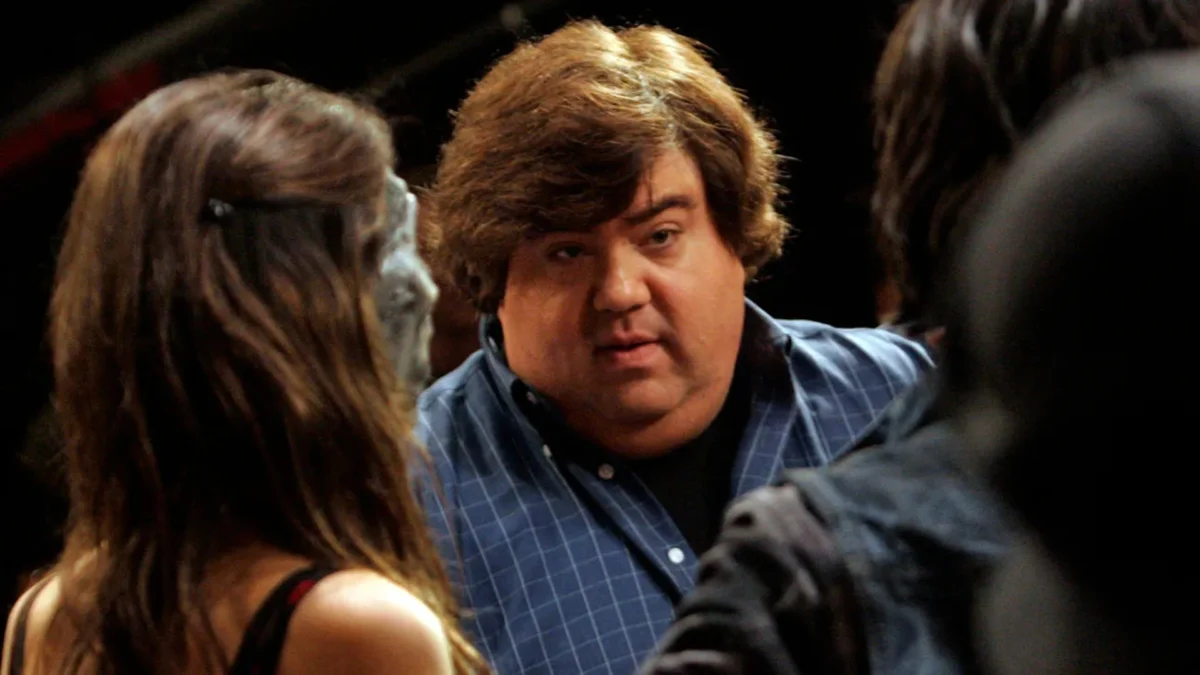
The legal battle initiated by former Nickelodeon powerhouse Dan Schneider against Warner Bros. Discovery reached a significant turning point on Thursday as California’s Second District Court of Appeal overturned a lower court’s decision, effectively dismissing Schneider’s defamation lawsuit. The producer had alleged that the explosive 2024 docuseries Quiet on Set: The Dark Side of Kids TV intentionally misled audiences into believing he was responsible for the sexual abuse of minors during his tenure at Nickelodeon. The appellate court’s ruling serves as a decisive victory for the network, upholding the protections afforded to investigative journalism and documentary filmmaking under the First Amendment.
The Origin and Impact of Quiet on Set
Quiet on Set: The Dark Side of Kids TV, a multi-part investigative project produced by Maxine Productions and Sony Pictures Television, debuted on Investigation Discovery and Max in March 2024. The series sought to pull back the curtain on the behind-the-scenes culture of Nickelodeon’s golden era in the late 1990s and early 2000s. It featured harrowing testimonials from former child stars, crew members, and employees, detailing an environment rife with gender discrimination, verbal abuse, and toxic workplace dynamics.
The docuseries gained immediate global traction, sparking widespread public outrage and intense scrutiny of the children’s television industry. The central emotional anchor of the series was the revelation by Drake Bell, star of Drake & Josh, who identified himself as the victim of serial sexual predator Brian Peck, a former dialogue coach for Nickelodeon. As the series unpacked the systemic failures that allowed individuals like Peck to operate within the network’s ecosystem, it also focused heavily on the leadership style of Dan Schneider, who served as the creator and showrunner for hit series such as The Amanda Show, iCarly, and Victorious.
The Legal Conflict: Allegations of Implied Defamation
Following the series’ release, Schneider filed a defamation complaint, arguing that the filmmakers utilized deceptive editing, suggestive imagery, and narrative framing to create a false impression that he was complicit in, or a perpetrator of, child sexual abuse. Schneider’s legal team specifically pointed to segments where images of the producer were juxtaposed with discussions of convicted abusers, including Brian Peck and Jason Handy.
In 2024, Los Angeles Superior Court Judge Ashfaq G. Chowdhury initially allowed the lawsuit to move forward, noting that a reasonable viewer could draw "damning implications" from the documentary’s narrative choices. This decision prompted significant concern among free-speech advocates and media organizations, who feared it could set a dangerous precedent for how documentaries are edited and perceived. Warner Bros. Discovery and the production companies subsequently appealed, arguing that the documentary made a clear, evidence-based distinction between Schneider’s documented history of workplace misconduct and the criminal sexual abuse committed by others.
The Appellate Court’s Reasoning
In the unanimous decision handed down by the three-judge panel, the court provided a robust rejection of Schneider’s claims. The justices emphasized that the documentary explicitly distanced Schneider from the criminal sexual abuse allegations. The court’s order noted that the series featured an internal Nickelodeon investigation—conducted at the time of the events in question—which cleared Schneider of any allegations regarding child sexual abuse.
"The documentary clearly distinguishes between the lamentable conduct that its participants attribute to Schneider—gender discrimination, harassment, toxic workplace behavior, and inappropriate sexual innuendo—and the child sexual abuse explicitly attributed to three named individuals," the court wrote.
Addressing the core of the defamation claim—the "juxtaposition" argument—the court analyzed the specific segments cited by Schneider. The judges noted that during a six-minute sequence focused on perpetrator Jason Handy, the docuseries did not feature Schneider at all. Consequently, the court concluded that the producer’s attempt to read "damning implications" into the editing was "unavailing," stating that it would "refrain from splitting hairs" to find allegations that the film itself explicitly disclaimed.
Timeline of Events
- 2004: Brian Peck is convicted of sexually assaulting a minor; Dan Schneider is showrunning hit programs at Nickelodeon.
- March 2024: Quiet on Set: The Dark Side of Kids TV premieres on Max and Investigation Discovery, garnering millions of views and massive media coverage.
- April 2024: Dan Schneider issues a public video apology acknowledging the toxic workplace culture but maintains he was unaware of the extent of the criminal abuse.
- Mid-2024: Schneider files a defamation lawsuit against Warner Bros. Discovery, alleging the series falsely implied he was a child abuser.
- Late 2024: L.A. Superior Court Judge Ashfaq G. Chowdhury denies the initial motion to dismiss, allowing the case to proceed.
- February 2025 (Projected timeframe of ruling): The California Second District Court of Appeal reverses the lower court’s decision, effectively dismissing the lawsuit.
Industry Implications and Legal Precedents
The dismissal of this case is being viewed by legal analysts as a significant reinforcement of the "fair report" and opinion privileges in California. By protecting the editorial discretion of the filmmakers, the court has signaled that the burden of proof for "implied defamation" remains exceptionally high, particularly when the subject matter is of intense public interest.
The Reporters Committee for Freedom of the Press and the International Documentary Association had filed amicus curiae (friend-of-the-court) briefs in support of the defense. Their arguments centered on the necessity of creative latitude in documentary filmmaking. If producers were required to avoid any editorial juxtaposition that could be interpreted negatively by a subject, it would effectively chill the ability to create investigative content regarding powerful figures in media.
Official Responses and Future Outlook
While the ruling is a definitive win for Warner Bros. Discovery, the litigation may not be fully resolved. Gerry Silver, representing Schneider, indicated that the producer is currently evaluating his legal options, including the possibility of seeking further review. However, Silver noted a tactical nuance in his statement: "We are pleased that the Court acknowledged that the makers of Quiet on Set presented absolutely no evidence that Dan was sexually abusive towards any of his cast members and agreed that any such allegation is provably false."
Warner Bros. Discovery has remained largely silent regarding the specifics of the case, consistent with their stance throughout the litigation. The studio was represented by a high-profile legal team from Gibson Dunn, including Theodore J. Boutrous, a prominent First Amendment attorney known for successfully defending media organizations in high-stakes defamation cases.
Broader Societal Context
The case underscores the changing landscape of accountability in the entertainment industry. The success of Quiet on Set was driven by a post-MeToo cultural environment where survivors are increasingly empowered to share their stories, and audiences are demanding transparency regarding the power dynamics of 1990s and 2000s Hollywood.
For the legal community, the outcome clarifies that while individuals retain the right to defend their reputations, that right does not extend to censoring historical or investigative accounts that distinguish between professional misconduct and criminal activity. The court’s decision ensures that the documentary remains available for public viewing, allowing the discourse surrounding Nickelodeon’s history to continue without the threat of legal sanitization. As the industry continues to grapple with its past, this ruling stands as a testament to the role of media as a watchdog, provided the narrative remains grounded in the facts presented within the work itself.