The 22nd Zurich Film Festival (ZFF) has officially transformed the Swiss cultural landscape into a global epicenter for cinema, marked by a high-profile ceremony where Academy Award-winning actress Julianne Moore was bestowed with the festival’s prestigious Golden Icon Award. The event, which serves as a vital platform for both established auteurs and emerging talent, underscored a vibrant intersection of international storytelling, linguistic prowess, and collaborative artistic vision.
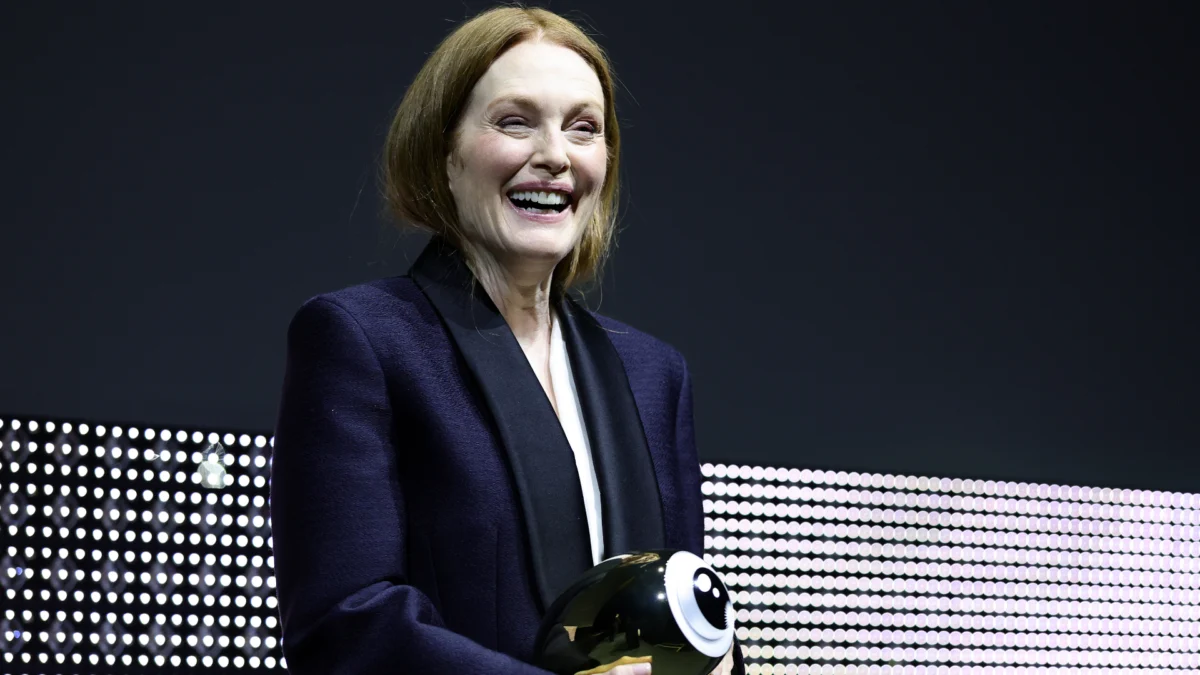
Julianne Moore, whose career spans over three decades with iconic performances in films such as Still Alice, The Hours, and The Kids Are All Right, accepted the honor on Friday night with a poignant, bilingual address. Delivering her speech in fluent German, Moore bridged the gap between her professional success and her formative years, which were partly spent in Germany. The emotional resonance of the moment was palpable, as the actress recounted how a teacher in her youth first identified her potential for the stage—a catalyst that she credits for her life’s trajectory.
The Collaborative Alchemy of The Debut
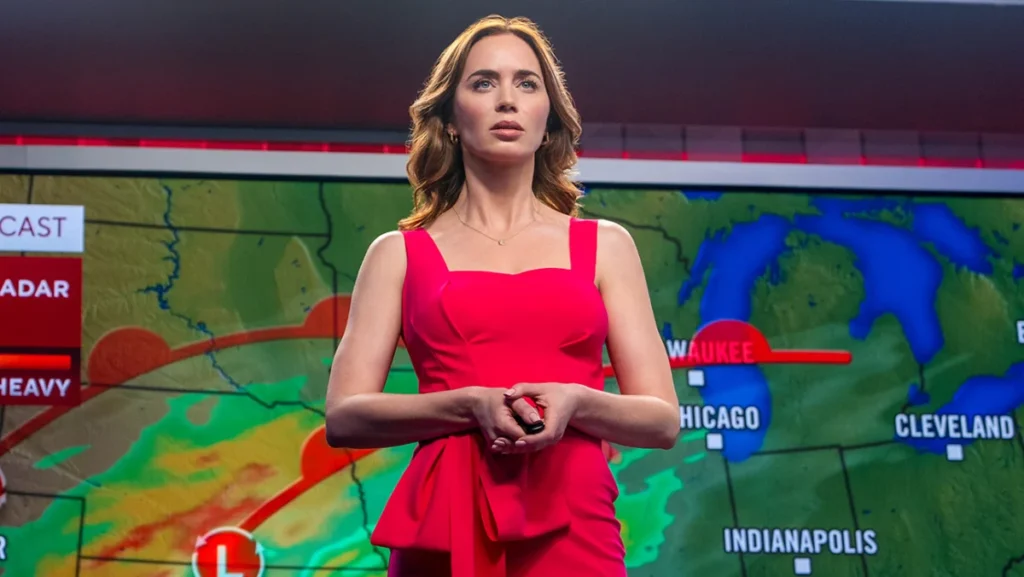
Central to the festivities was the screening of The Debut, the latest directorial endeavor from Jesse Eisenberg. The film, a musical-comedy featuring a heavyweight cast including Moore and Paul Giamatti, represents the third directorial effort from Eisenberg. The narrative follows Mona Friedman, portrayed by Moore, a housewife who navigates the complexities of a community theater production, eventually devolving into a zealous method actor.
Eisenberg, who previously collaborated with Moore on his 2022 directorial debut, When You Finish Saving the World, emphasized the necessity of Moore’s involvement in the project. According to the filmmaker, the script was written specifically with her in mind, asserting that no other performer could inhabit the role with the same level of depth and nuance. For Eisenberg, the film serves as a semi-autobiographical exploration of his own origins in the New Jersey community theater scene of the 1990s, a period he describes as foundational to his identity as an artist.
The synergy between the two was evident during the pre-ceremony media engagements. Moore described the filming experience as "phenomenal," highlighting the creative trust required to navigate the comedic and character-driven beats of the script. Eisenberg’s perspective on the project underscores a broader industry trend toward intimate, character-focused narratives that prioritize artistic integrity over traditional blockbuster structures.
Martin McDonagh and the Geopolitics of Wild Horse Nine
While Moore’s achievement anchored the evening, the festival also honored British-Irish filmmaker Martin McDonagh with the "A Tribute To…" Award. McDonagh, celebrated for his work on In Bruges and The Banshees of Inisherin, presented his latest feature, Wild Horse Nine. The film, which has already generated significant Oscar buzz, particularly for lead actor John Malkovich, marks a departure into a historical, politically charged setting.
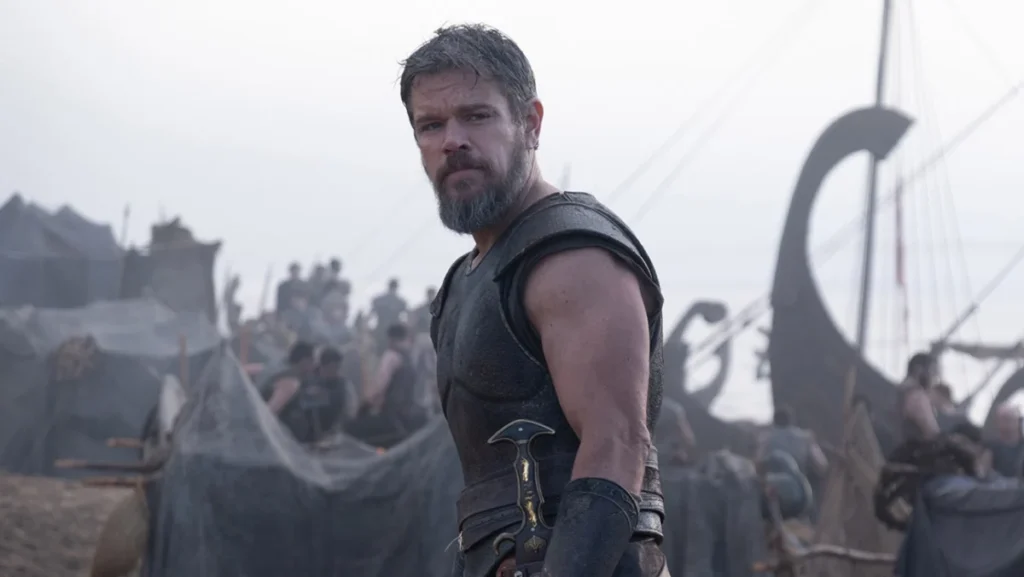
Set against the volatile backdrop of Chile in 1973, just prior to the military coup, the film follows two CIA agents stationed on Easter Island. The narrative utilizes the iconic Moai statues as a surreal, looming witness to the characters’ moral reckonings and covert operations. McDonagh noted that his fascination with the island, sparked by a visit 15 years prior, allowed the location to function as a primary character within the film. The production benefits from a powerhouse ensemble cast, including Sam Rockwell, Steve Buscemi, and Parker Posey, each contributing to what critics are identifying as a complex, dangerous, and darkly comedic exploration of historical interventionism.
The Zurich Film Festival: A Strategic Cultural Pillar
The 22nd edition of the Zurich Film Festival, running from September 24 through October 4, continues to solidify its reputation as one of Europe’s most influential film events. Unlike festivals that focus exclusively on market acquisition, ZFF has carved a niche as an "audience festival," prioritizing the connection between filmmakers and the public.
This year’s programming is characterized by a high volume of world premieres and a diverse array of international guests. Beyond the major awards, the festival maintains a rigorous competition slate, showcasing emerging directors whose works often go on to dominate the subsequent awards season. The inclusion of figures like Tom Hiddleston, who opened the festival with the Everest drama Tenzing, and the upcoming recognition of John Turturro for his role in The Only Living Pickpocket in New York, reflects a strategic effort to balance legacy honors with contemporary industry relevance.
Analytical Context: The Evolution of Film Festivals
The current festival circuit is experiencing a shift in how prestige is quantified. In an era dominated by streaming platforms and fragmented viewership, events like the Zurich Film Festival act as vital curators of "prestige cinema." The presence of talent such as Moore and McDonagh—actors and writers who command global respect—serves to validate the theatrical experience as a cultural necessity rather than a mere entertainment commodity.
Data from the past five years of the European festival circuit suggests that films receiving high-profile accolades at festivals like Zurich, Venice, and Toronto often see a substantial increase in their North American box office and critical reception. By providing a platform for projects like The Debut and Wild Horse Nine, the festival acts as a launchpad for the awards season, shaping the discourse for the Academy Awards and other major industry honors.
Professional Implications and Industry Outlook
The industry’s reception of these films reveals a trend toward "risk-averse creativity." Studios and production companies are increasingly relying on established, auteur-driven projects that offer both critical acclaim and reliable star power. The collaboration between Eisenberg and Moore is a quintessential example of this model: a project grounded in personal narrative, executed by a known creative team, and marketed through the prestige of festival appearances.
Furthermore, the international focus of the Zurich Film Festival—highlighted by the deliberate selection of films with global historical contexts—serves to remind the industry of the interconnected nature of modern cinema. Whether it is a film exploring the domestic anxieties of a theater actress or a geopolitical drama set in the South Pacific, the common thread is the pursuit of human truth through a lens of artistic vulnerability.
Looking Ahead: The Final Days of the Festival
As the festival progresses into its final days, the industry will be watching closely to see which independent features emerge as the definitive breakouts of the year. The recognition of established icons like Julianne Moore and Martin McDonagh is more than a retrospective celebration; it is a signal of the standards to which the next generation of filmmakers is expected to adhere.
The 22nd Zurich Film Festival serves as a microcosm of the current state of the industry: a blend of high-concept historical analysis, character-driven comedy, and the continued power of the "star system" to draw focus to vital stories. For the filmmakers, actors, and audiences involved, the festival remains a sanctuary where the commercial realities of the business can momentarily give way to the pure, transformative power of the moving image.
As the curtains prepare to close on this year’s edition, the impact of these screenings and awards will continue to ripple through the global film community. The dedication of participants like Moore, who continues to push the boundaries of her craft, and the creative ambition of directors like Eisenberg and McDonagh, ensure that the art form remains as relevant, and as necessary, as it has ever been. The festival concludes on October 4, leaving behind a legacy of new perspectives and elevated cinematic discourse.