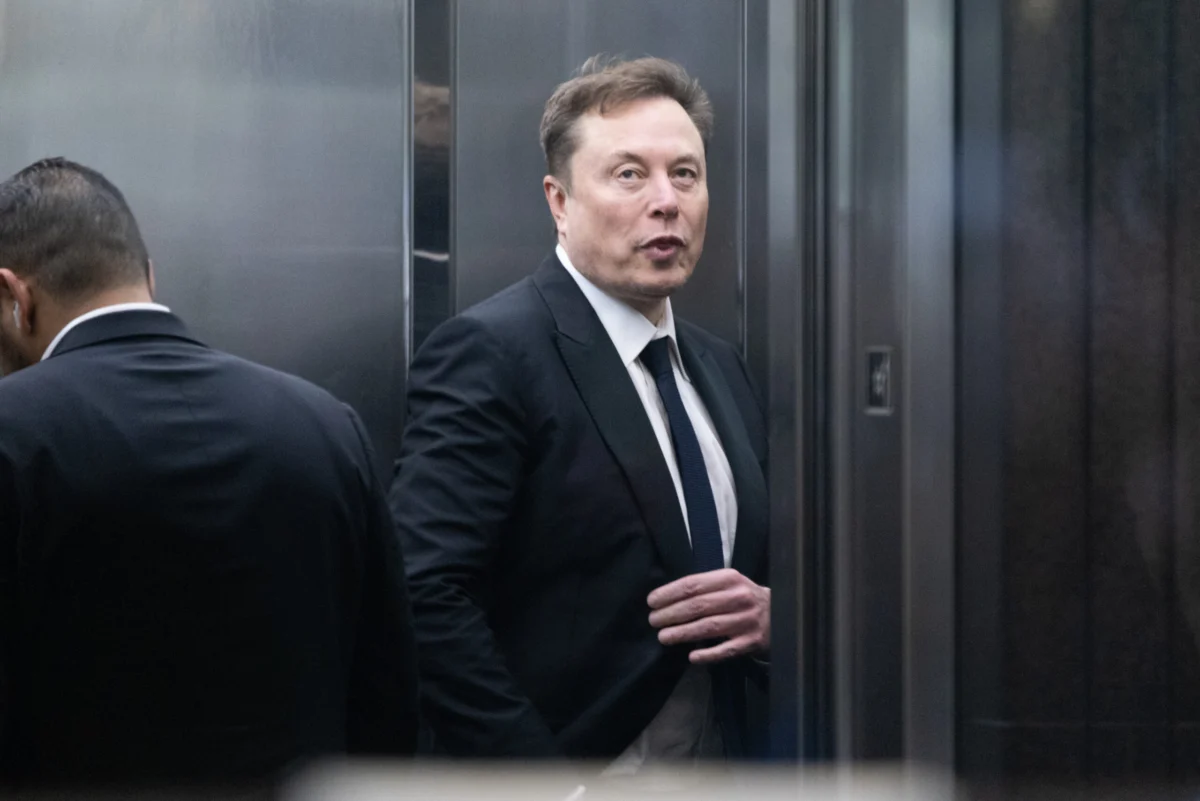
Following a firestorm of criticism regarding the potential suppression of political speech, YouTube and Meta have officially reversed their decisions to block paid advertisements for the promotional trailer of Alex Gibney’s upcoming documentary, Musk. The film, produced by Bleecker Street, offers an unflinching examination of the world’s wealthiest individual and his expanding influence over global technology, space exploration, and, increasingly, American electoral politics. The initial refusal by major social media platforms to run the film’s trailer had sparked intense debate over the role of content moderation policies and whether they are being leveraged to protect high-profile public figures from critical scrutiny.
The controversy centers on the marketing campaign for the documentary, which is scheduled for a theatrical release on October 9. When Bleecker Street attempted to purchase advertising space to promote the trailer across YouTube, Meta (the parent company of Facebook and Instagram), TikTok, and X, they were met with blanket rejections. The sudden, near-simultaneous refusal by these platforms led to accusations that the film—which is highly critical of Elon Musk’s management of his various enterprises—was being subjected to a coordinated effort to suppress its reach.
A Chronology of the Rejection and Reversal
The timeline of the dispute began late last week, shortly after the trailer’s public debut. The promotional material includes brief clips of Elon Musk’s appearances at political events, most notably his presence at a 2024 campaign rally for Donald Trump. According to reports, the automated moderation systems of these major platforms flagged the trailer as political advertising, which carries a much stricter set of compliance requirements than standard entertainment promotion.
On Friday, reports surfaced confirming that Bleecker Street had been rebuffed by all four major platforms. The studio, which had been in active negotiations to secure ad placements, found itself unable to gain traction through standard appeals processes. By Saturday, the narrative had shifted significantly. YouTube issued a public statement via social media, acknowledging that the trailer had been "temporarily restricted by our system" due to an automated review error. The company confirmed that after a human-led review, the ad was cleared to run.
Meta followed suit shortly thereafter. A spokesperson for the tech giant acknowledged that the rejection was an error, stating that the company was in the process of restoring the advertising accounts for the campaign. Despite these reversals, the landscape remains uneven. As of late Saturday morning, Bleecker Street had yet to receive official notification of the restoration from YouTube, and both TikTok and X—the latter of which is owned by Musk himself—have remained silent, continuing to bar the trailer from their advertising networks.
The Intersection of Content Moderation and Political Discourse
The core of this controversy lies in the ambiguity of "political advertising" definitions. Social media platforms employ sophisticated artificial intelligence models to categorize advertisements. These models are designed to identify content that advocates for a candidate, a political party, or a specific legislative outcome. However, these systems often struggle with the nuance of documentary filmmaking, which frequently uses archival footage of political events as a means of context rather than advocacy.
By categorizing a documentary trailer as a political advertisement, platforms impose a layer of bureaucracy that can effectively kill a marketing campaign. Advertisers must often verify their identity, disclose the funding source of the ad, and comply with blackout periods or regional restrictions. For a film like Musk, which seeks to challenge the status quo, these hurdles act as a barrier to entry that smaller independent studios may lack the resources to overcome.
Industry experts note that this is not an isolated incident. As social media platforms face mounting pressure from governments worldwide to curb misinformation, their automated filters have become increasingly aggressive. This "over-correction" often leads to the suppression of legitimate journalism and artistic expression. The fact that the subject of this specific documentary is the owner of one of the platforms involved has only served to heighten public skepticism regarding the impartiality of these moderation tools.
The Scope of the Musk Documentary
Alex Gibney, an Academy Award-winning filmmaker known for his investigative work on figures like Steve Jobs and organizations like the Church of Scientology, has positioned this documentary as a comprehensive audit of Elon Musk’s professional life. The film explores the trajectory of Tesla, the rapid development of SpaceX, and the strategic importance of the Starlink satellite constellation.
Beyond the technical and commercial achievements, the film delves into more controversial territory. It examines Musk’s stewardship of X (formerly Twitter) and the subsequent shifts in the platform’s content moderation policies. Furthermore, the documentary investigates Musk’s integration into the highest echelons of Washington, specifically his involvement with the Department of Government Efficiency (DOGE) and his evolving role as a key player in the 2024 electoral cycle. By framing Musk as an "increasingly powerful electoral player," the film invites a level of scrutiny that many tech moguls are unaccustomed to facing in traditional media.
Broader Implications for Digital Advertising
The reversal by YouTube and Meta is a victory for Bleecker Street, but it leaves significant questions unanswered. The primary concern among media analysts is the lack of transparency in how these decisions are made. When a major studio’s campaign is blocked, it is eventually rectified due to public pressure and media scrutiny. However, the same safeguards do not exist for individual creators or smaller organizations, who may find their voices silenced by automated systems without recourse.
Data from the digital advertising sector suggests that as the 2024 election cycle intensifies, the frequency of "false positive" rejections on social platforms is increasing. Advertisers are reporting a 15% increase in ad rejections related to political content compared to the previous election cycle. This trend poses a significant threat to the democratic process, as it restricts the ability of citizens to learn about critical perspectives on public figures and policy shifts.
Furthermore, the silence from TikTok and X remains a point of contention. If these platforms continue to exclude the documentary, they will likely face increased scrutiny regarding their own internal policies. The precedent set by the YouTube and Meta reversals creates a standard: that documentary trailers featuring footage of political figures should be treated as media content rather than political advocacy, provided they meet standard safety guidelines.
Looking Ahead
As the October 9 release date approaches, the ability for Bleecker Street to effectively market the film will be the final test of these platforms’ commitment to free expression. While the immediate crisis has been mitigated by the reinstatements, the event serves as a stark reminder of the immense power held by a handful of tech companies. These platforms act as the modern-day town square, and their moderation policies serve as the invisible gatekeepers of public discourse.
For the documentary itself, the controversy may have inadvertently served as an effective, albeit stressful, marketing tool. The "Streisand Effect"—where the attempt to hide or censor information only draws more attention to it—has likely ensured that interest in the film is higher than it might have been had the ads been approved without incident. However, the reliance on such public outcry to correct errors in automated moderation remains an unsustainable model for a healthy media landscape.
Moving forward, the industry is expected to call for greater transparency in the algorithms that govern ad rejections. As the lines between tech, politics, and media continue to blur, the demand for human oversight and clear, consistent policy enforcement will only grow. For now, the focus shifts back to the content of the film itself, as audiences prepare to judge for themselves the validity of Gibney’s investigation into one of the most polarizing figures of the 21st century. The outcome of this struggle highlights a pivotal moment in the digital age: the ongoing tension between corporate-controlled digital spaces and the public’s right to engage with critical, independent inquiry.