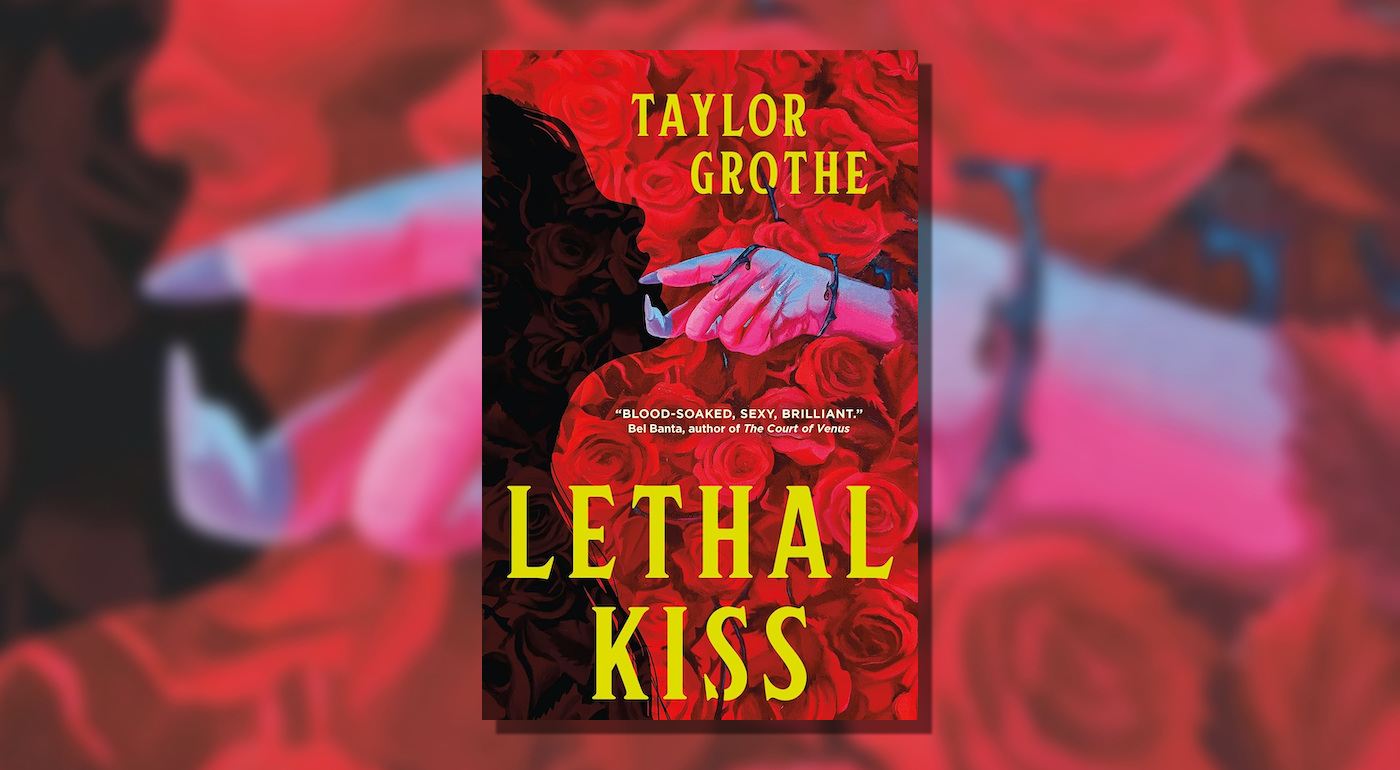
The contemporary publishing landscape continues to embrace the intersection of genre fiction, featuring dark romantic elements paired with supernatural horror. Nightfire has officially scheduled the publication of Lethal Kiss, a debut sapphic horror-romance novel authored by Taylor Grothe, for October 20. The title targets readerships interested in dark academia aesthetics, folklore-inspired mythology, and character-driven speculative fiction involving immortal protagonists.
Background Context and Literary Framework
Lethal Kiss positions itself within the rapidly expanding dark academia subgenre, which typically utilizes collegiate settings, institutional hierarchies, and intellectual ambition as backdrops for transgressive narratives. The novel centers on Marcella, an ancient entity—specifically identified within the text as a draugr, succubus, and vættir—who attempts to maintain a low profile while securing an academic position within the University of Seattle’s Folklore department.
The narrative introduces a dual-protagonist dynamic by pairing Marcella with Lacie, a human academic whose primary motivation is navigating the rigorous demands of the tenure track. The collision of mundane academic pressures, such as publication quotas and departmental politics, with supernatural predation forms the structural core of the plot. As faculty members begin to disappear under mysterious circumstances, the narrative shifts from a workplace drama to an investigation involving ancient forces that operate outside the control of the primary characters.
Chronology of Events and Plot Progression
The published excerpt details a pivotal sequence in the protagonist’s professional and personal timeline. Marcella receives an administrative summons from the Department of Folklore dean, Alex Hansen, regarding institutional allegations concerning her professional conduct and the unexplained absences of her colleagues.
During the confrontation in the dean’s office, the power dynamics between administrative oversight and academic performance are thoroughly explored. Dean Hansen attempts to discreetly maneuver Marcella out of the University of Seattle by negotiating a transfer to Preston University’s Classics department, leveraging a professional relationship with Classics Dean John Shea. The exchange reveals systemic issues within higher education administration, including backchannel communications, institutional politics, and the commodification of faculty members.
The confrontation escalates as Marcella rejects the administrative dismissal tactics, leading to a violent physical altercation resulting in the death of Dean Hansen. Following the incident, Marcella receives official confirmation of her appointment at Preston University, indicating a seamless transition to a more prestigious academic environment despite the violent elimination of her previous employer.

Supporting Data and Genre Market Trends
The release of Lethal Kiss aligns with broader macroeconomic and cultural trends within the publishing industry. Over the past five years, data from book industry analysts indicates a substantial surge in demand for dark romance and speculative fiction featuring LGBTQ+ protagonists. Readers within the millennial and Gen Z demographics have increasingly gravitated toward morally gray characters, particularly women who reject traditional submissive archetypes in favor of active agency, even when that agency manifests as supernatural monstrosity.
University settings remain a perennial favorite in Gothic and horror literature, tracing a lineage back to classic academic thrillers while modernizing the tropes to address contemporary anxieties surrounding job scarcity, the pursuit of tenure, and toxic workplace environments. The integration of folklore creatures—such as the Norse-associated draugr—into contemporary American higher education provides a bridge between ancient mythologies and modern bureaucratic absurdity.
Official Responses and Industry Implications
While Lethal Kiss is a work of fiction, the thematic implications embedded in Taylor Grothe’s narrative reflect real-world critiques of modern academia. Higher education institutions frequently face scrutiny regarding institutional transparency, the pressures of the tenure track, and the administrative handling of interpersonal conflicts within departments. By framing the academic hierarchy as a literal feeding ground for a supernatural entity, the novel employs satire to address the exhaustion experienced by modern educators and researchers trapped within highly competitive structures.
Publishing imprint Nightfire has positioned the book as a major title for the autumn release window, anticipating strong engagement from readers of speculative romance. Advance promotional materials emphasize the atmospheric blending of Seattle’s rainy, isolated environment with the intellectual pretensions of dark academia.
Broader Impact on the Sapphic Horror Subgenre
The commercial viability of sapphic horror has strengthened significantly, moving from niche independent presses to major publishing houses. Authors are increasingly utilizing monster tropes—vampires, succubae, and shapeshifters—as metaphors for female autonomy, queer desire, and the rejection of societal expectations. Lethal Kiss contributes to this literary movement by ensuring that its protagonist retains her predatory nature without moral redemption arcs, appealing to audiences that prefer unrepentant antiheroes.
As the publication date of October 20 approaches, industry observers will monitor how Lethal Kiss performs within both horror and romance sales categories. The novel’s success may further encourage publishers to invest in crossover speculative fiction that defies rigid genre boundaries, offering complex narratives that blend romance, suspense, and supernatural horror.