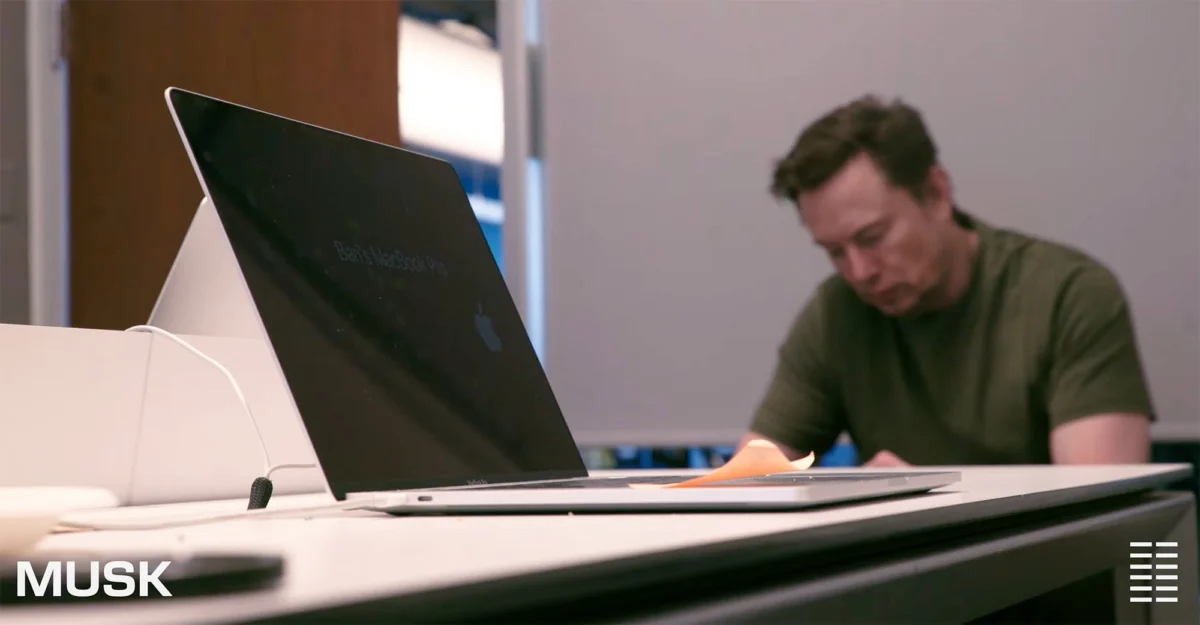
The official trailer for Musk, a comprehensive and unflinching documentary directed by Academy Award-winning filmmaker Alex Gibney, has been released by Bleecker Street following its world premiere at the 2026 Venice Film Festival. Scheduled for a theatrical release in the United States this October, the expansive four-hour feature project is structured into two distinct parts separated by an intermission. The first half of the film examines the foundational corporate trajectories of Tesla and SpaceX, while the second half focuses on Musk’s acquisition of the platform formerly known as Twitter and his evolving political associations, including his alignment with Donald Trump. Bleecker Street’s marketing rollout includes both the main promotional trailer and official key art posters, positioning the project as one of the most anticipated and contentious non-fiction releases of the fall film season.
Chronology of Production and Festival Debut
The journey toward Musk began years prior to its 2026 festival unveiling, as Gibney assembled a meticulous investigative team to track the compounding influence, regulatory challenges, and corporate restructuring associated with the world’s wealthiest individual. The project was developed quietly, reflecting the high-stakes legal, financial, and political landscape surrounding its subject. In early 2026, Gibney made headlines with the release of another high-profile documentary, Knife: The Attempted Murder of Salman Rushdie, which debuted at the Sundance Film Festival.
Following its completion, Musk secured a prestigious slot at the 2026 Venice Film Festival, where it screened out of competition to notable critical intrigue. The festival screening provided the first major wave of public reactions, establishing the film’s tone as an aggressive counter-narrative to the standard biographical hagiographies typically associated with modern Silicon Valley moguls. Bleecker Street quickly capitalized on the Venice momentum, setting an aggressive theatrical distribution schedule to bring the ambitious, multi-part investigative work directly to audiences.
Structural Breakdown and Thematic Focus
Gibney’s documentary is divided into two major chronological and thematic blocks. The first part delves into the rise of SpaceX and Tesla, scrutinizing the mechanics behind their heavy reliance on government subsidies, the practical realities of their technological timelines, and the disparity between public promises and technical delivery. By utilizing meticulous research and financial reporting, the film attempts to dismantle the prevailing public perception of Musk as a solitary visionary engineer, framing him instead as an entrepreneurial figure whose successes rely heavily on the labor of skilled engineering teams and public funding.

The second part pivots toward the modern era, examining Musk’s acquisition of Twitter—now X—and his subsequent pivot into partisan geopolitical and domestic politics. This segment analyzes how a private individual gained unprecedented control over global digital discourse and how his alliances with prominent political figures like Donald Trump reshaped his public standing. Throughout both parts, the narrative is anchored by rigorous journalistic inquiry, leveraging public records, corporate filings, and testimony from former associates to construct a comprehensive portrait of unchecked corporate power.
Director’s Vision and Artistic Framework
In statements accompanying the film’s release, Alex Gibney elaborated on the artistic and conceptual choices that guided the project. Rather than adhering to the traditional biographical blueprint that elevates powerful subjects, Gibney chose to subvert the conventional framing of tech titans.
"In Musk, I chose to re-tell a familiar biographical tale but to forgo the master," Gibney stated. "Instead, I explored it from different angles that showed the master shot to be an illusion, and revealed a more disturbing truth. Musk reframes the story of the tech titan as the 21st century reincarnation of the confidence man."
Gibney further contextualized the film’s structural metaphors, drawing parallels to digital simulation theories frequently espoused by Musk himself. By subverting tropes common in video gaming and simulations, the documentary attempts to illustrate the societal risks of allowing private actors to operate with the unchecked authority of a virtual game master.
To articulate this perspective visually, the director adopted a distinct cinematic vantage point. "It’s a tale of power and its abuse, but shot from a low angle—the angle of Toto, from the wonderful Wizard of Oz," Gibney explained. "Instead of being mesmerized by the floating visage of the wizard, Toto saw the shuffling feet at the bottom of the curtain which, once tugged away, revealed levers and gears operated by an ordinary man desperate to project his power."

Background Context on Alex Gibney’s Filmography
Alex Gibney has established a definitive career as one of contemporary cinema’s most prolific and rigorous documentary filmmakers. Specializing in institutional corruption, corporate malfeasance, and the psychological mechanisms of powerful figures, Gibney’s extensive filmography includes Academy Award winner Taxi to the Dark Side, as well as widely acclaimed investigations such as Enron: The Smartest Guys in the Room, Going Clear: Scientology and the Prison of Belief, Steve Jobs: The Man in the Machine, Zero Days, and The Crime of the Century.
His methodology typically involves deep archival research, financial tracing, and extensive interviews to expose the systemic vulnerabilities that allow powerful individuals and corporations to evade accountability. With Musk, Gibney applies this established investigative framework to the most financially dominant individual of the modern era, continuing his decades-long cinematic exploration of how absolute power interacts with public perception and systemic ethics.
Supporting Data and Corporate Context
The documentary arrives at a time of intense public scrutiny regarding the operational models and public statements of Musk’s corporate portfolio. Over the past two decades, companies like Tesla and SpaceX have achieved unprecedented market valuations, turning Musk into a trillionaire and the wealthiest person globally. However, these financial milestones have consistently coincided with intense regulatory investigations, safety inquiries, and debates over the feasibility of long-term technological promises, such as fully autonomous driving and crewed interplanetary colonization.
Furthermore, SpaceX has secured billions of dollars in federal contracts from agencies like NASA and the Department of Defense, integrating private enterprise deeply into national security and space exploration infrastructure. Tesla, meanwhile, has navigated waves of regulatory scrutiny from the National Highway Traffic Safety Administration (NHTSA) regarding driver-assistance systems. The film synthesizes these complex financial, political, and engineering threads into a cohesive narrative, supported by investigative reports that question the sustainability and ethical foundation of these enterprise models.
Industry Implications and Cultural Reception
The release of a four-hour, highly critical documentary on a sitting multi-billionaire and political influencer represents a significant moment for theatrical non-fiction distribution. Major studios and specialty distributors like Bleecker Street rarely back multi-part documentary projects of this scale for theatrical runs, reflecting a growing appetite for substantive, serialized journalistic cinema on the big screen.

The film’s exploration of media manipulation, corporate governance, and political influence touches upon urgent contemporary debates regarding the intersection of wealth, technology, and democracy. As algorithms and social media platforms heavily influence global information ecosystems, Musk serves as a case study in how individual wealth can be leveraged to alter public discourse, regulatory frameworks, and geopolitical alliances.
As Musk prepares to enter commercial cinemas following its Venice debut, industry analysts will closely monitor its box office performance and cultural footprint. Whether the film permanently alters public perception of its subject or deepens existing cultural polarization surrounding Silicon Valley elite, it undeniably establishes a new benchmark for investigative documentary filmmaking in the digital age. Bleecker Street will roll out the film in select theaters nationwide, inviting audiences to evaluate the evidence presented in Gibney’s exhaustive four-hour examination of contemporary power.