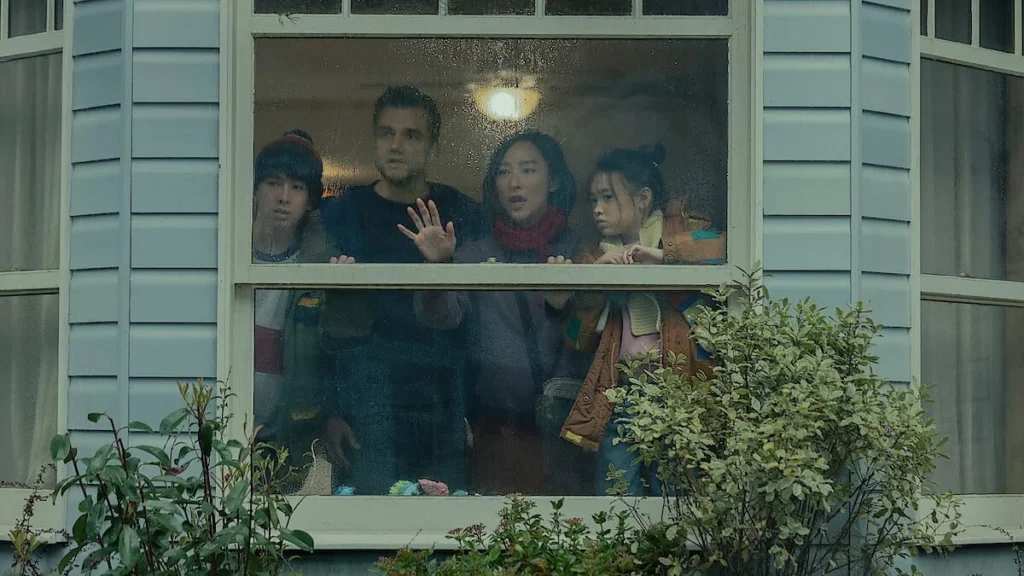
The sci-fi action epic Hope, directed by the acclaimed South Korean filmmaker Na Hong-jin, is set to make its home entertainment debut on October 13. The film, distributed by NEON, will be available for purchase and rental through major digital platforms including Amazon Video and iTunes. This transition from cinema screens to digital storefronts follows a wide theatrical release that garnered significant attention for its blend of high-concept science fiction and visceral creature-feature intensity.
Plot Overview and Narrative Scope
Set against the backdrop of the remote South Korean village of Hope Harbor, the narrative follows a community plunged into existential crisis following the arrival of a mysterious, otherworldly entity. As the local populace and law enforcement attempt to contain the threat, the film subverts traditional genre expectations by shifting the dynamic of the hunt. The hunters soon realize they are the targets of an apex predator that defies conventional biological understanding, leading to a series of confrontations that test the limits of the villagers’ survival instincts.
The film is noted for its ambitious scale, often compared to high-octane action cinema such as George Miller’s Mad Max: Fury Road, though it retains the distinct stylistic signatures of director Na Hong-jin. Known for his work on The Wailing, Na utilizes the isolated setting of Hope Harbor to heighten the claustrophobic tension of the creature’s encroachment, balancing large-scale spectacle with the psychological toll exerted on the village’s inhabitants.
Production and International Ensemble Cast
The production of Hope is characterized by its significant international collaboration, featuring a multi-national cast that bridges South Korean cinema and Hollywood talent. The lead roles are anchored by Hwang Jung-min, a frequent collaborator of Na Hong-jin, and Zo In-sung, who has garnered recent acclaim for his work in the series Moving. The ensemble also features Hoyeon, who gained global recognition for her performance in Squid Game.
The inclusion of high-profile Western talent—specifically Michael Fassbender, Academy Award winner Alicia Vikander, Taylor Russell, and Cameron Britton—marks a strategic effort to broaden the film’s international appeal. This cross-cultural casting reflects a growing trend in globalized filmmaking, where regional directors are increasingly supported by global distribution networks and international star power to execute large-scale, high-budget projects.
Critical Reception and Audience Impact
Since its theatrical debut on September 9, Hope has undergone rigorous critical assessment. Reviews have generally highlighted the film’s visual ambition and the sheer intensity of its creature-related sequences. Critics have praised the film for its technical prowess and the audacity of its set pieces, which evoke a nostalgic, 1990s-style monster movie aesthetic updated for the modern era.
However, the critical reception has not been monolithic. Some reviewers have noted challenges regarding the film’s character development and pacing, particularly in the third act. The CGI-heavy sequences, while lauded for their scale, have sparked debates regarding the integration of digital effects within the film’s gritty, naturalistic environment. Despite these critiques, the consensus among genre enthusiasts is that Hope represents a significant, if flawed, addition to contemporary science fiction, with a particularly memorable mid-credits sequence that has become a point of discussion among viewers.
Chronology of the Project
The development of Hope follows a lengthy production cycle, which began with early conceptualization by Na Hong-jin following the global success of his previous works.

- Early 2023: Initial casting announcements confirmed the collaboration between South Korean production houses and international talent.
- Late 2023 – Early 2024: Principal photography took place, with the production emphasizing practical location work in rural settings to ground the fantastical elements of the story.
- September 9, 2026: Hope premiered in theaters, marking the official start of its commercial lifecycle.
- October 13, 2026: The film begins its digital release phase, expanding its reach to a home audience.
The timeline reflects a calculated approach to theatrical distribution, allowing the film to build word-of-mouth momentum before moving into the digital market, where high-concept genre films often find long-term profitability.
Future Developments and Franchise Potential
In discussions surrounding the film’s release, director Na Hong-jin has indicated that the story of Hope may not conclude with the final frame of the feature. Interviews have suggested that the filmmaker has already conceptualized narrative arcs that could support a sequel or an expanded universe. This prospect has generated interest among fans, as the lore surrounding the creature and the specific geography of Hope Harbor provides ample room for further exploration.
While official confirmation of a sequel remains pending, the industry-standard practice of evaluating digital rental numbers and platform streaming engagement will likely dictate the green-lighting of any future installments. The director’s explicit intent to continue the story suggests that the current film acts as both a self-contained narrative and a foundational entry for a potentially broader franchise.
Economic and Cultural Implications
The release of Hope serves as a case study for the current state of international genre cinema. By integrating South Korean creative leadership with a diverse, international cast, NEON is capitalizing on the "globalization of the genre film." This strategy mirrors the success of other recent international productions that have moved beyond subtitles to become mainstream successes in Western markets.
Furthermore, the shift toward a relatively quick digital release window—approximately one month after the theatrical debut—demonstrates the evolving nature of exhibition models. In the post-pandemic landscape, studios are increasingly prioritizing accessibility to maintain the cultural conversation surrounding a film while it remains fresh in the minds of the public.
For the regional film industry in South Korea, the success of a project like Hope highlights the country’s capacity to produce competitive, large-scale intellectual property that can satisfy both local audiences and international box-office requirements. The involvement of major stars like Michael Fassbender and Alicia Vikander also signals a shift in the perceived value of South Korean directorial vision, which is now considered a marquee draw in its own right.
Concluding Analysis
As Hope arrives on digital platforms, it will face a new set of metrics for success. The film’s transition to home media provides an opportunity for a wider audience to experience the visual spectacle that characterized its theatrical run. Whether the film achieves the status of a cult classic or a modern genre staple will depend on its ability to sustain interest in the months following its digital debut.
The film is currently categorized under the "News" and "Streaming/Home Video" segments of various industry publications, reflecting its status as a significant release in the current quarter. With its blend of high-intensity action, a star-studded cast, and a visionary director at the helm, Hope stands as a notable entry in the 2026 film calendar, providing a clear indication of where the intersection of global talent and genre storytelling is currently heading. As the industry continues to monitor the performance of this title, the focus remains on whether the "Hope" brand can translate its cinematic scale into a sustainable multi-film franchise.