Production Overview and Creative Direction
The film Clayface, directed by James Watkins, represents a significant entry into the psychological horror landscape. Watkins, who recently gained critical attention for his work on the 2024 remake of Speak No Evil, is helming this project as a standalone exploration of identity, trauma, and physical transformation. The narrative centers on Matt Hagen, an actor struggling with the devastating consequences of a disfiguring accident. In a desperate bid to reclaim his former life and career, Hagen undergoes an experimental medical procedure that results in catastrophic side effects, ultimately transforming him into a shapeshifting, biological anomaly.
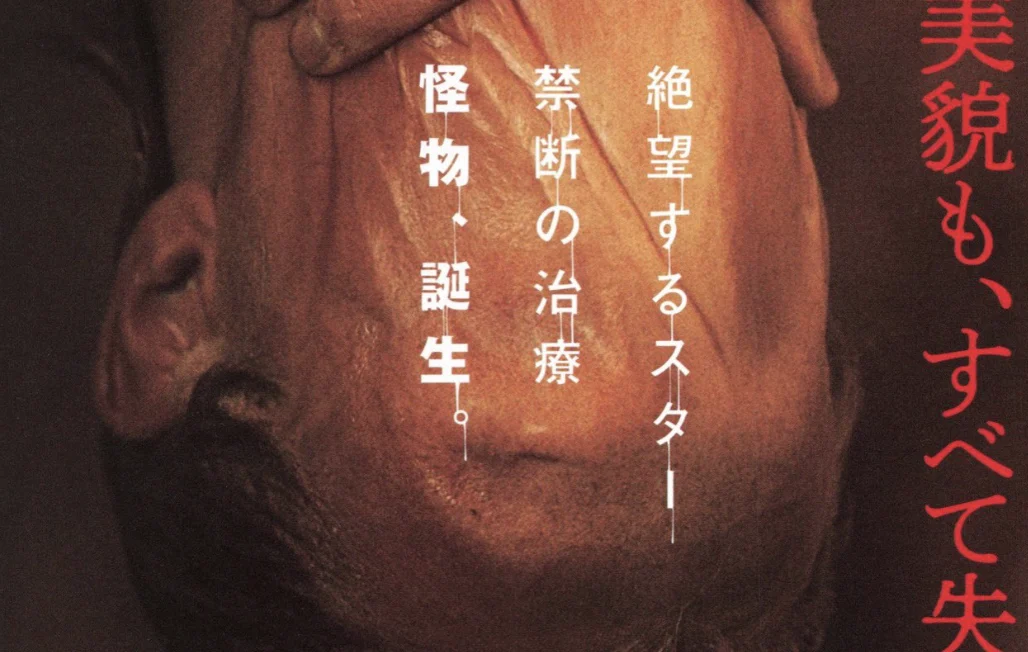
The choice of the Japanese market for this specific promotional release is strategic. Japanese horror, or "J-horror," has historically emphasized psychological malaise and the intrusion of the supernatural or the abnormal into the mundane. By adopting an aesthetic that echoes the visual language of landmark films such as Hideo Nakata’s Ringu (1998), Kiyoshi Kurosawa’s Kairo (2001), and Takashi Miike’s Audition (1999), the production team is signaling to audiences that Clayface prioritizes a lingering sense of unease over conventional "jump-scare" mechanics.
Contextualizing the J-Horror Aesthetic
The visual language utilized in the Clayface poster relies on what film historians identify as the "uncanny valley of the flesh." While American horror marketing often leans toward high-contrast, explosive imagery, the Japanese approach frequently utilizes minimalism, grainy textures, and suggestive, body-altering iconography.
The poster’s emphasis on the elasticity of human skin serves as a metaphorical bridge to the protagonist’s internal struggle. The decision to invert the face serves a dual purpose: it disorients the viewer immediately upon engagement and reinforces the theme of a man who has lost his sense of self. Historically, posters that utilize this level of visceral discomfort have seen success in international markets by sparking organic social media discourse, as the imagery is inherently arresting and demands a second look.

Chronology and Development
The development of Clayface has been characterized by a quiet production cycle. While early reports of the film began circulating in industry trade publications in late 2025, the project remained largely under wraps until the recent reveal of the Japanese marketing materials.
- Q4 2025: Initial pre-production phases confirmed James Watkins as director, following the successful festival run of his previous project.
- Q1 2026: Principal photography commenced in London and Tokyo, utilizing practical effects over CGI for the majority of the protagonist’s transformation sequences.
- Q3 2026: Post-production wrapped, with the studio opting for an international marketing rollout to capitalize on regional aesthetic preferences.
- September 2026: The Japanese promotional campaign launched, featuring the now-widely discussed poster artwork.
The deliberate pacing of these announcements suggests a studio strategy aimed at building a reputation for the film as a "prestige horror" entry rather than a standard commercial release. By focusing on the visual artistry of the promotional materials, the production is appealing to a demographic of genre enthusiasts who value craft and atmospheric tension.
Industry Implications and Market Strategy
The release of this artwork raises questions about the changing landscape of film promotion in the digital age. In an era where trailers often reveal significant portions of a film’s plot, posters have become the primary vehicle for establishing tone. By leaning into a niche, historically grounded aesthetic, the Clayface marketing team is effectively segmenting its audience.
Supporting data from recent horror film releases indicates that genre films with a distinct visual identity—often dubbed "elevated horror"—consistently perform better in terms of critical reception and long-term home media viability. Films that utilize practical, tactile effects rather than polished digital renders often generate more positive sentiment among hardcore genre fans, who act as "early adopters" and brand advocates on platforms such as Letterboxd and X (formerly Twitter).
Furthermore, the involvement of James Watkins is a significant data point for market analysts. His track record of handling high-tension narrative structures suggests that Clayface will likely focus on the tragedy of Matt Hagen’s condition. If the poster is an accurate reflection of the film’s tone, viewers should expect a narrative that explores the psychological toll of body dysmorphia and the hubris of medical intervention, rather than a traditional monster movie.

Official Stance and Creative Intent
While the production studio has not released a formal statement regarding the specific artistic choices of the Japanese poster, industry insiders suggest that the campaign is designed to differentiate the film from the wave of superhero-adjacent adaptations that have dominated the broader entertainment sector. By anchoring the marketing in a gritty, grounded visual style, the producers are establishing Clayface as a serious cinematic work.
The use of the Japanese market as a launchpad for this aesthetic is also noteworthy. Japan remains one of the world’s most sophisticated markets for horror cinema, with a consumer base that has historically rewarded complex, thematic narratives. Aligning the film with the cultural memory of the late 90s J-horror boom is a calculated move to secure a base of loyal, genre-savvy viewers.
Future Projections for the Project
As the release date for Clayface approaches, industry analysts will be monitoring the film’s performance against both the horror genre’s recent successes and its failures. The film is currently positioned to compete in the "autumn horror" slot, a period traditionally reserved for films with strong word-of-mouth potential.
If the film succeeds in translating the discomfort of its poster into a cohesive, 90-to-120-minute narrative, it could potentially establish a new sub-genre of "body-horror tragedy." The implications for the studio are significant; a successful release could lead to further collaborations with Watkins and a broader expansion of the "Clayface" brand into other international markets.
Ultimately, the artwork serves as a promise to the audience: the film will not shy away from the grotesque, nor will it offer easy answers to the questions of identity it poses. By invoking the ghosts of 1990s J-horror, the film is inviting a conversation about the nature of fear, the fragility of the human form, and the consequences of attempting to alter our fundamental biological reality. Whether the final product meets the high expectations set by this initial visual marketing remains to be seen, but the industry response thus far has been one of keen interest and anticipation.