The landscape of modern genre filmmaking is undergoing a significant shift as high-profile auteurs transition from grounded horror into the expansive, high-stakes realm of science fiction. The latest development in this trend comes as Jennifer Lawrence has officially signed on to headline The Flood, the highly anticipated next project from director Zach Cregger. This casting choice marks a pivotal moment for both the filmmaker, who has rapidly ascended the Hollywood hierarchy following a series of successful genre experiments, and Lawrence, who returns to the macabre and unsettling atmosphere that characterized some of her most daring performances.
A Proven Partnership in Genre Filmmaking
The collaboration between Cregger and Lawrence is backed by an impressive production apparatus. Cregger is reuniting with his Weapons producers, Roy Lee and Miri Yoon of Vertigo Entertainment. Perhaps most significantly, the project has secured the involvement of Steven Spielberg’s Amblin Entertainment. The inclusion of Amblin adds a layer of institutional prestige to the project, suggesting a significant budgetary commitment and a high degree of confidence from major industry players.
Cregger’s trajectory within the industry has been meteoric. His rise to prominence was solidified by his recent success with his Resident Evil adaptation, which demonstrated an uncanny ability to balance visceral horror with narrative tension. By pivoting from the confined, terrifying environments of his previous work to the vast, cold vacuum of deep space, Cregger is signaling an ambition to expand his thematic reach. The involvement of Amblin Entertainment, a studio synonymous with genre-defining science fiction, underscores the gravity of this production.
The Plot and Thematic Scope of The Flood
While official plot details remain tightly controlled, industry reports and early development synopses describe The Flood as a claustrophobic, Alien-esque descent into psychological and physical instability. The narrative centers on a deep-space captain—a role presumably occupied by Lawrence—who leads her crew on a reconnaissance mission to investigate a cryptic, anomalous signal emanating from a remote, uncharted world.
Upon arrival, the expedition uncovers an ancient alien artifact that triggers a systemic destabilization of time and reality. The ensuing conflict is not merely survival-based but existential, as the crew must confront an intelligence that operates beyond human comprehension. This premise places The Flood firmly within the tradition of existential science fiction, drawing parallels to films that prioritize atmospheric dread and metaphysical inquiry over traditional action-oriented tropes.

Jennifer Lawrence: Returning to the Darker Side of Cinema
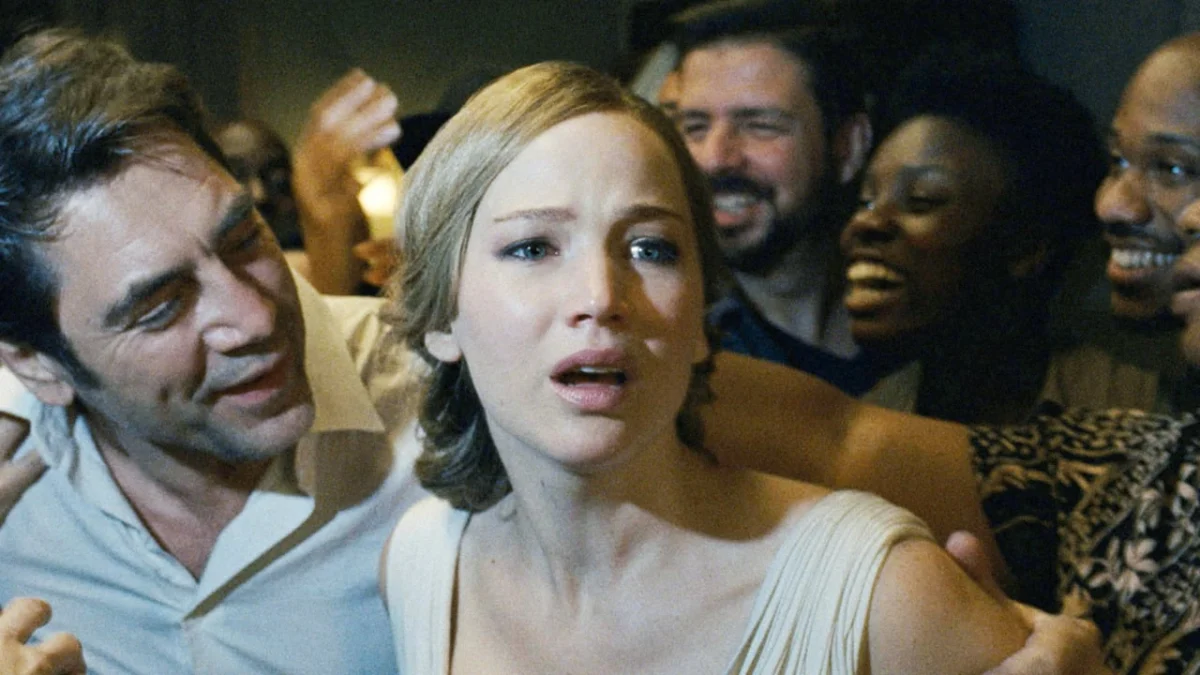
Jennifer Lawrence’s filmography is a tapestry of blockbuster success and experimental prestige, yet her forays into horror and suspense remain some of her most critically analyzed work. While she is globally recognized for her transformative performances in The Hunger Games franchise and Silver Linings Playbook, her genre work—specifically Darren Aronofsky’s Mother! and the thriller House at the End of the Street—demonstrated a unique capacity for portraying raw, unvarnished terror.
Her performance in Mother! was particularly noted for its intensity and the physical vulnerability she brought to a surreal, nightmarish narrative. In The Flood, Lawrence will be tasked with carrying the weight of a high-concept science fiction lead. Industry analysts suggest that her participation indicates a shift in the film’s tone, moving from a standard creature-feature dynamic to a more character-driven, psychological study. By selecting Lawrence, the production is banking on her ability to anchor complex emotional states amidst the chaotic, reality-warping backdrop of a deep-space setting.
Chronology of Development
The journey of The Flood to the big screen has been a complex exercise in studio negotiations and creative realignment. The project was initially developed under the umbrella of Netflix, representing part of the streaming giant’s ongoing efforts to cultivate original sci-fi properties. However, as the scope of the film expanded, it became clear that the project required a theatrical exhibition model to maximize its impact.
The transition from a streaming development pipeline to a major theatrical release with Warner Bros. highlights a broader trend in the film industry: the migration of high-concept science fiction back to the cinema. Warner Bros. has set a firm release date for the project: August 11, 2028. This date positions the film as a late-summer tentpole, suggesting the studio views the combination of Cregger’s direction, Lawrence’s star power, and the high-concept premise as a major driver for audience engagement in the late 2020s.
Industry Implications and Market Context
The convergence of Cregger’s directorial vision and Lawrence’s casting presents several implications for the science fiction genre. For one, it validates the "prestige horror/sci-fi" model that has been gaining traction over the last decade. Studios are increasingly willing to entrust high-budget, intellectual science fiction to directors who have cut their teeth on independent or low-budget horror, as these directors often bring a more disciplined, tension-focused approach to their work.
Furthermore, the production environment surrounding The Flood is indicative of the "Auteur-Plus-Studio" model. By pairing an innovative director with established production houses like Vertigo and Amblin, the project minimizes the risks associated with original IP while maximizing the potential for critical and commercial crossover appeal.

The economic data surrounding similar science-fiction thrillers over the last five years suggests that audiences are increasingly seeking original, high-concept narratives that deviate from established franchises. With the saturation of superhero content, there is a clear market gap for "thinking-person’s" science fiction—films that leverage high production values to explore complex themes of reality, sanity, and the unknown.
The Role of Amblin Entertainment
The involvement of Steven Spielberg’s Amblin Entertainment serves as a crucial signal to both investors and the viewing public. Historically, Amblin has been the engine behind some of the most influential science fiction in cinematic history. Their decision to back The Flood suggests that the script contains the requisite emotional resonance and sense of wonder that defined their earlier successes.
While Cregger is known for his darker, more cynical approach to genre storytelling, the partnership with Amblin suggests a synthesis of his signature tension with the classic, awe-inspired sensibilities of the studio. This synthesis could potentially define the next iteration of sci-fi cinema, bridging the gap between cold, clinical space horror and emotionally resonant, character-focused drama.
Conclusion
As the film moves into its next phase of production, the industry will be watching closely to see how the team manages the high expectations placed upon them. The combination of a visionary director in Zach Cregger, an A-list lead in Jennifer Lawrence, and the support of an industry titan like Amblin Entertainment makes The Flood one of the most anticipated science fiction projects currently in development.
The release on August 11, 2028, remains the North Star for the production team. If the project can successfully balance the visceral intensity of Cregger’s previous works with the scope of a large-scale, deep-space science fiction epic, it stands to be a defining moment in modern cinema. Whether the film ultimately serves as a cautionary tale about human hubris in the face of the unknown or a transformative journey into the depths of reality, it is poised to be a significant addition to the science fiction canon. For now, the collaboration remains a testament to the enduring appeal of the genre and the continued demand for original, high-stakes narratives that challenge the audience’s perception of reality.