In a move that fundamentally reshapes the landscape of Canadian professional sports and media, Rogers Communications has finalized the acquisition of the remaining 25 percent stake in Maple Leaf Sports & Entertainment (MLSE) that it did not already own. By purchasing the minority interest held by Kilmer Sports—the investment vehicle led by Larry Tanenbaum—for CAN$4.35 billion (approximately US$3.1 billion), Rogers has consolidated full ownership of the sports powerhouse. This transaction marks the culmination of a long-term strategic pivot by the telecommunications giant to integrate its vast media assets with the most valuable sports franchises in the country.
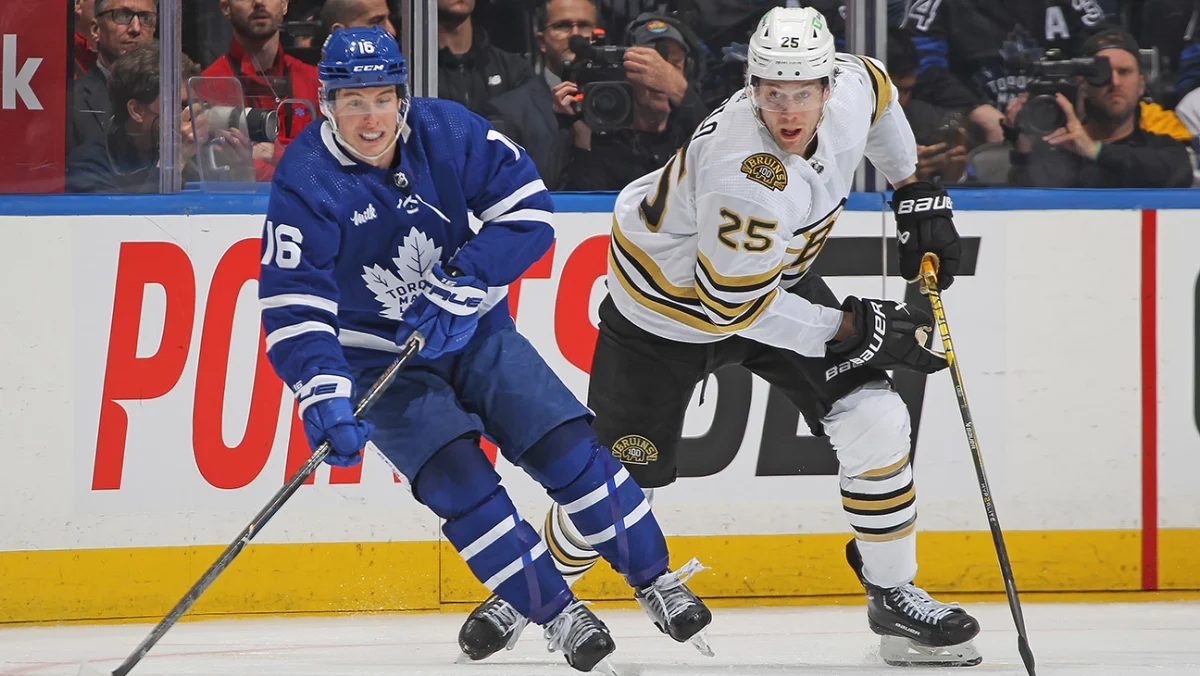
The acquisition brings the Toronto Maple Leafs (NHL), Toronto Raptors (NBA), Toronto FC (MLS), and the Toronto Argonauts (CFL) under the singular umbrella of Rogers Communications. Furthermore, the deal includes ownership of the Scotiabank Arena, a premier multi-purpose venue in downtown Toronto, and an ongoing partnership with global entertainment promoter Live Nation.
A Timeline of Strategic Consolidation
The path to full ownership for Rogers has been characterized by incremental investment and a long-term vision to dominate the Canadian media-sports vertical.
The company’s relationship with MLSE dates back to 2011, when Rogers and BCE Inc. (Bell) jointly acquired a 75 percent stake in the organization from the Ontario Teachers’ Pension Plan for approximately CAN$1.32 billion. For over a decade, the two telecommunications rivals maintained an uneasy co-ownership structure, often competing for content rights while sharing the underlying assets.
The shift toward total control began in earnest in 2024. Rogers acquired an additional 37.5 percent stake in MLSE for CAN$4.7 billion, effectively buying out BCE’s interest in the partnership. This move signaled the end of the Bell-Rogers duopoly over Toronto’s professional sports scene. The finalization of the current deal with Kilmer Sports brings Rogers’ stake to 100 percent, ending the era of minority investment in the entity that Larry Tanenbaum helped steer as chairman for many years.
Organizational Restructuring and Executive Leadership
As part of the post-acquisition integration, Rogers is establishing a new business unit, Rogers Sports, designed to create synergies between MLSE’s roster of teams and the company’s existing crown jewel, the Toronto Blue Jays (MLB).
Central to this new structure is the return of Keith Pelley to the upper echelons of Rogers Media. Pelley, who currently serves as the president and CEO of MLSE, will retain his position at the helm of the sports organization. However, following an interim transition period, he will also resume his role as president of Rogers Media—a post he held with distinction from 2010 until 2015.
Pelley’s career trajectory is uniquely suited for this transition. During his previous tenure at Rogers Media, he was instrumental in the company’s aggressive acquisition of content rights, most notably the landmark $5.2 billion, 12-year national television rights deal with the National Hockey League in 2013. His departure in 2015 to serve as commissioner and CEO of the PGA’s European Tour saw him navigate the global complexities of professional golf, including the turbulence surrounding the rise of LIV Golf. Having returned to Canada in early 2024 to lead MLSE, Pelley is now tasked with overseeing an integrated media portfolio that includes the Sportsnet network, 30 additional television channels, and over 40 radio stations.
The Scale of the Rogers Media Empire
The scope of the portfolio Pelley is set to oversee is immense. By succeeding the retiring Colette Watson as the head of Rogers Media, Pelley assumes command of a diversified content library that extends far beyond sports. This includes the Canadian distribution rights for several major U.S. lifestyle and entertainment networks, such as Bravo, Food Network, HGTV, and Discovery. These assets were bolstered by a multiyear content licensing agreement with NBCUniversal and Warner Bros. Discovery, ensuring that Rogers remains a dominant force in Canadian broadcasting.
For Rogers, the consolidation is not merely about owning teams; it is about controlling the distribution pipeline. In an era where linear television viewership is in secular decline, the value of "appointment viewing"—live sports—has surged. By owning the teams, the venues, and the broadcast channels, Rogers creates a closed-loop ecosystem where the cost of content acquisition is internalized, and the potential for cross-promotional revenue is maximized.
Official Commentary and Corporate Strategy
Following the announcement, Tony Staffieri, president and CEO of Rogers Communications, emphasized the strategic importance of the acquisition. "We’re proud to bring these beloved teams together with the rest of Rogers to deliver more for fans, audiences, and customers," Staffieri stated. "We know how much these teams mean to fans and we are fully committed to investing to build championship-calibre teams, to enhancing the fan experience, and to delivering compelling experiences for our customers."
Market analysts have noted that the price tag—a total valuation of MLSE that has climbed significantly since the 2011 acquisition—reflects the escalating value of premium sports assets. Despite the high cost, the move provides Rogers with a hedge against the volatility of the traditional telecom sector. As data usage and connectivity become commoditized, premium content and live events serve as primary differentiators for Rogers’ customer base.
Broader Economic and Market Implications
The transition to a single-owner model for MLSE is expected to have several ripple effects across the Canadian media and sports industries.
- Integrated Content Strategy: With both the Blue Jays and the MLSE franchises under the Rogers Sports banner, the company can streamline its sports production, marketing, and advertising efforts. This could lead to a more cohesive "all-seasons" sports offering for Sportsnet viewers.
- Venue Development: Full control of Scotiabank Arena allows Rogers to dictate the pace of future capital expenditures and renovations. As the arena continues to be a central hub for sports and entertainment, the ability to control the facility without the friction of partnership disputes will likely accelerate modernization efforts.
- Competitive Dynamics: With BCE exiting the ownership structure, the competitive landscape in Canadian media is expected to shift. Bell Media, which maintains a significant footprint in sports broadcasting through TSN, will now face a competitor that is vertically integrated in a way that is difficult to replicate without ownership of the local teams.
- Fan Experience: While management remains focused on the "championship-calibre" goal, fan groups and stakeholders will be watching closely to see how the new ownership impacts ticket pricing and broadcasting accessibility. Rogers has promised enhanced fan experiences, but the reality of a massive debt load incurred by these acquisitions may pressure the organization to optimize revenue through all available channels.
Conclusion
The acquisition of the remaining 25 percent of MLSE by Rogers Communications is more than a simple change in equity ownership; it is a definitive consolidation of the Canadian sports media landscape. By uniting the Toronto Maple Leafs, Raptors, Blue Jays, and other assets under one corporate roof, Rogers is betting heavily on the enduring power of live, local, and high-stakes entertainment.
As Keith Pelley prepares to bridge the divide between the boardroom and the broadcast booth, the industry will be watching to see how he manages the integration of these legacy brands. With the deal now closed, the focus shifts to the execution of this long-term vision: transforming the way Canadians consume, engage with, and pay for the sports that define the country’s cultural identity. For Rogers, the future is now inextricably linked to the performance—both on the field and in the arena—of the teams that carry the city of Toronto’s hopes.