The intersection of high-end collector merchandise and iconic comic book art reaches a new milestone as The LEGO Group unveils its latest addition to the adult-oriented product line: a 1,849-piece dimensional recreation of the legendary cover art for Detective Comics #880. Originally illustrated by the acclaimed British artist Jock—also known as Mark Simpson—the 2011 cover is widely regarded by industry critics and fans alike as one of the definitive portrayals of the Joker in the modern era. This new wall art set, officially titled The Joker Wall Art Comic Cover, translates Jock’s stark, high-contrast aesthetic into a three-dimensional tactile experience, marking a significant evolution in how LEGO approaches licensed intellectual property.

Product Specifications and Availability
The set, designated as product number 67012, is specifically engineered for display, catering to the growing demographic of adult collectors (AFOLs or Adult Fans of LEGO). The final build measures over 20 inches in height, 15 inches in width, and possesses a depth of approximately 2 inches. The complexity of the assembly is reflected in its 1,849-piece count, which utilizes a variety of techniques to achieve depth and shadow, most notably in the rendering of the Joker’s facial features.
The product is currently available for preorder through official LEGO retail channels at a manufacturer’s suggested retail price (MSRP) of $169.99. The company has confirmed that the global rollout for the item is scheduled for January 1, 2027, positioning it as a major early-year release. The kit includes integrated features such as stylized Batarangs, thematic floral elements, and iconic "Ha, ha, ha, ha" typographic motifs, which are woven into the deeper, layered structures of the piece. Like other advanced sets in the LEGO Art and Icons series, the instructions are provided exclusively via the digital LEGO Builder app, facilitating a modern, interactive assembly experience.

Contextual Significance of Detective Comics #880
To understand the cultural weight of this specific LEGO set, one must examine the legacy of Detective Comics #880, released in 2011. As part of the "Black Mirror" story arc written by Scott Snyder, the issue served as a creative peak for the collaboration between Snyder and Jock. The cover itself—a close-up, haunting, and asymmetrical portrait of the Joker—has been reprinted countless times and remains a cornerstone of DC Comics’ modern iconography.
The choice to adapt this specific image for a large-scale wall art format highlights a shift in LEGO’s marketing strategy. By targeting pieces with significant "artistic" merit rather than merely focusing on standard character figures, the company is positioning its products as legitimate home decor for enthusiasts of graphic literature. This move aligns with broader industry trends where comic book art is increasingly treated with the same reverence as gallery-grade illustrations.

The Creative Partnership: Jock and Scott Snyder
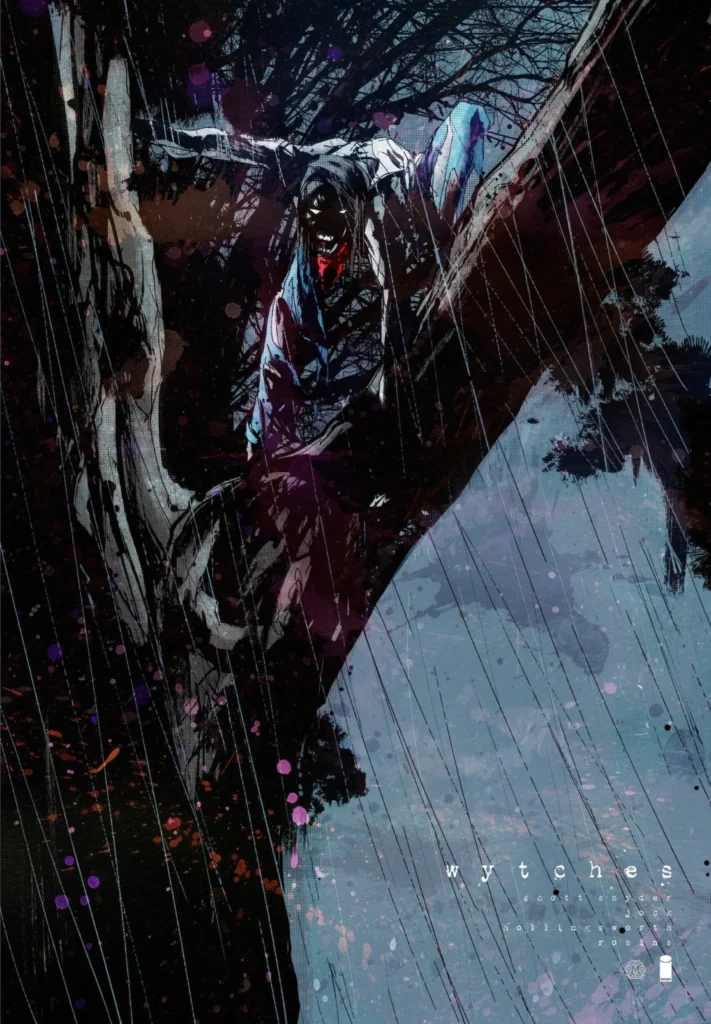
The synergy between Jock and Scott Snyder has remained a driving force in the comic book industry for over a decade. Beyond their work on Batman, the duo is perhaps best known for their creator-owned horror series, Wytches. The anticipation surrounding the adaptation of Wytches for Prime Video serves as a testament to their enduring influence. As of late 2026, progress on the animated project has been steady, with animatics for the first season reportedly completed.
This long-standing partnership has also bled into recent high-profile releases, such as the variant cover for Absolute Batman #25. In this instance, the creative roles were inverted; Snyder provided the preliminary sketch, which Jock then inked and colored, infusing the work with his signature style. The rapid sell-out of signed and remarqued editions of this cover via artist Mark Brooks’ storefront underscores the immense demand for work associated with this creative team. The LEGO set acts as an extension of this ongoing celebration of their collaborative output, cementing the "Jock-Snyder" aesthetic as a premium brand within the collector’s market.

Market Implications and Collector Trends
The release of this LEGO wall art piece is indicative of a broader trend in the toy and hobby sector: the "premiumization" of fandom. With an entry price of $169.99 and a recommended age of 18+, the set is explicitly marketed as an investment-grade display piece. The market for high-end pop culture collectibles has seen consistent growth, with legacy brands like LEGO, Hasbro, and Sideshow Collectibles expanding their offerings to accommodate an aging demographic that has disposable income and a preference for aesthetic, display-ready items.
Data from the collector’s market suggests that products tied to specific, recognizable "covers" or "key issues" often hold higher resale value and maintain greater relevance over time than generic character sets. By choosing a cover that has already achieved "classic" status, LEGO mitigates the risk of the product feeling dated. Furthermore, the inclusion of 1,849 pieces allows for a level of detail that satisfies the mechanical interests of the build-enthusiast community, providing a two-fold value proposition: the satisfaction of the assembly process and the prestige of the finished display.

Chronology of the 2026-2027 DC/LEGO Collaboration
The announcement of the set follows a series of strategic moves by both DC Comics and LEGO to revitalize their shared portfolio. The timeline of these developments is as follows:
- Mid-2026: Initial industry reports regarding the expansion of the DC-branded LEGO Art line.
- September 2026: Finalization of production for the 67012 set, with internal testing of the wall-mounting hardware.
- October 2026: Official unveiling of the product images and technical specifications to the public.
- Q4 2026: Opening of preorder windows for international markets.
- January 1, 2027: Scheduled global commercial availability and fulfillment of preorder shipments.
Strategic Outlook
From a business perspective, this release is a calculated effort to maintain brand loyalty among older fans while tapping into the lucrative "wall art" sector, which has seen success with previous sets like the LEGO World Map and the floral collections. By leveraging the specific, dark, and sophisticated aesthetic of the Joker, the company is successfully diversifying its portfolio to include items that appeal to fans of horror and crime fiction—genres that have historically been underrepresented in mainstream toy aisles.

The inclusion of interactive, hidden details within the layers of the build—such as the Batarangs and the thematic text—also encourages a more profound engagement with the source material. It is no longer just about building a recognizable image; it is about "reconstructing" the narrative elements of the comic book page.
As the industry looks toward 2027, the success of The Joker Wall Art Comic Cover will likely serve as a benchmark for future collaborations. Should this set perform well, it is highly probable that other iconic covers from the DC canon will receive similar treatment. For now, however, the project stands as a tribute to one of the most enduring character studies in comic book history, providing a tangible way for collectors to display a piece of modern art that is as much a part of their identity as it is a part of their home.