The 102-minute English-language psychological drama and thriller, "The Penthouse," marks a significant international collaboration for Sakha filmmaker Stepan Burnashev, with production entirely based in Kuala Lumpur, Malaysia. Directed by Burnashev himself and produced alongside Syarizan Md Isa through Saidam Baryl, the film features a compelling lead duo: Soji Arai, recognized for his roles in acclaimed television series such as "Pachinko" and "Tokyo Vice," and Irina Mikhailova, a familiar face from Burnashev’s earlier work, "Our Winter." This venture represents a deliberate move by Burnashev to adapt his distinctive filmmaking style to a broader, Southeast Asian aesthetic, exploring universal themes of displacement, psychological distress, and the complexities of modern relationships within a culturally rich, yet alien, urban landscape.
The Genesis of an International Production in Kuala Lumpur
Stepan Burnashev, a prominent figure in Sakha cinema (cinema from the Sakha Republic, also known as Yakutia, in Russia), has gained critical acclaim for his distinctive narratives and exploration of local culture. "The Penthouse" signifies a pivotal shift in his career, moving beyond the geographical and thematic confines of his previous Sakha-centric productions to embrace an international canvas. The decision to shoot the entire film in Kuala Lumpur underscores a strategic choice to leverage Malaysia’s burgeoning film infrastructure, diverse urban settings, and its position as a cultural melting pot in Southeast Asia. This move is not merely logistical but artistic, aiming to infuse the narrative with a fresh aesthetic while retaining Burnashev’s psychological depth.
The collaboration with Syarizan Md Isa and Saidam Baryl, a Malaysian production entity, highlights a growing trend of cross-cultural cinematic partnerships that seek to tap into global talent pools and markets. Such co-productions often benefit from shared resources, diverse perspectives, and the ability to reach wider audiences. For Burnashev, it represents an opportunity to experiment with new storytelling approaches and visual language, moving from the often stark, snow-laden landscapes of Yakutia to the vibrant, bustling metropolis of Kuala Lumpur. This transition itself mirrors one of the film’s central themes: the challenge of adaptation to a new environment.
Unpacking the Narrative: A Descent into Psychological Suspense
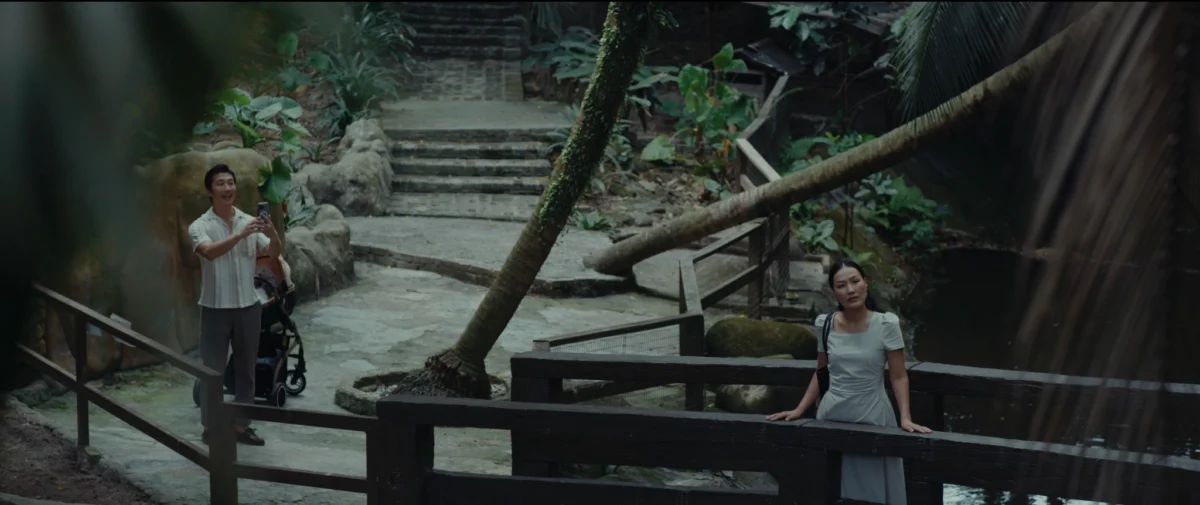
"The Penthouse" plunges viewers into the unsettling world of Saina and David, a couple who relocate with their infant to a luxurious penthouse in the heart of Kuala Lumpur. Their move is motivated by a desire for a fresh start, leaving behind an unspecified past. However, the idyllic new beginning quickly unravels as Saina begins to experience inexplicable phenomena within their seemingly perfect home. Fleeting shadows, disembodied noises, and a pervasive sense of unease plague her, leading her to believe something is profoundly wrong with the apartment.
David, a successful businessman, dismisses Saina’s growing anxieties, attributing them to postpartum depression, exhaustion, and stress – a common, yet potentially dangerous, minimization of a woman’s experiences after childbirth. This dynamic immediately establishes a crucial psychological conflict, sowing seeds of doubt not only in Saina’s mind but also in the audience’s perception of reality. Is Saina genuinely experiencing supernatural occurrences, or is her mind succumbing to the pressures of motherhood, displacement, and a dismissive partner?
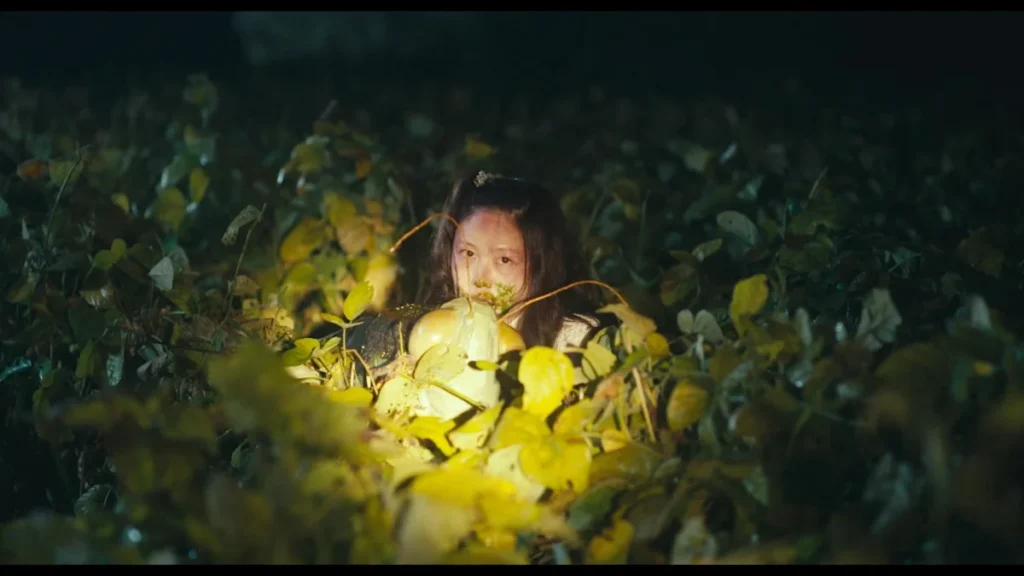
As the disturbances intensify, Saina, drawing upon her deep-rooted Yakut heritage, performs a cleansing ritual, leaving offerings of food for spirits in an attempt to restore peace. This cultural element serves as a fascinating counterpoint to the modern, sterile environment of the penthouse, highlighting Saina’s desperate attempt to connect with her ancestral beliefs in a foreign land. Her subsequent encounter with the ghost of a young girl solidifies her conviction that the penthouse is haunted by an invisible presence.
The film then escalates the psychological tension as David becomes increasingly controlling. He refuses Saina’s pleas to move and begins to isolate her from her friends and family, claiming her behavior threatens their reputation. This manipulative behavior, often termed "gaslighting," further destabilizes Saina’s mental state. A psychotherapist’s diagnosis of a mental disorder pushes Saina to question her own perception of reality, even as a chilling suspicion begins to form: could her husband be intricately connected to the seemingly supernatural events plaguing their home? This intricate web of psychological manipulation, cultural isolation, and potential supernatural elements forms the compelling core of the narrative, blending horror with the complexities of a disintegrating relationship. The narrative also subtly introduces a "slight crime element" towards its conclusion, further enriching the genre tapestry.
Cultural Crossroads and Thematic Depth
One of the film’s most compelling aspects is its nuanced exploration of cultural adaptation and the challenges faced by individuals in foreign lands. Saina’s struggle to adjust to Kuala Lumpur, a city vastly different from her Yakut homeland, is portrayed with sensitivity. Her frequent attempts to reconnect with her roots, particularly through her spiritual practices, underscore her sense of alienation. David’s dismissive attitude only exacerbates her isolation, highlighting a significant rift in their relationship. This theme resonates globally, touching upon the experiences of expatriates and migrants navigating new social, cultural, and linguistic environments.
Beyond cultural adaptation, "The Penthouse" delves into the intricate difficulties relationships face in contemporary settings. The rapid pace of life, coupled with the pervasive influence of technology, has fundamentally altered how individuals connect and understand each other. The film implicitly critiques how these modern pressures can erode intimacy and trust, especially when confronted with the immense responsibilities of raising children. The narrative suggests that in an age of superficial connections, true understanding and empathy can become casualties, leaving individuals vulnerable and isolated within their most intimate relationships.
The film masterfully weaves together elements of horror, psychological drama, family drama, and thriller, creating a multifaceted narrative experience. The central question of whether the apparitions are genuine or merely figments of Saina’s imagination permeates the story, keeping the audience engaged in a constant state of uncertainty. This ambiguity is a hallmark of effective psychological thrillers, forcing viewers to confront their own biases and interpretations. The blend of Sakha spiritual beliefs with a contemporary Southeast Asian urban setting offers a unique cultural fusion, providing a fresh perspective on genre conventions. While not all these narrative threads achieve equal success, their ambitious integration forms the backbone of the film’s thematic richness.
Performances and Directorial Vision
The success of a psychological drama heavily relies on the performances of its lead actors, and "The Penthouse" benefits significantly from its cast. Irina Mikhailova, as Saina, delivers a commendable performance, effectively conveying the character’s descent from hopeful new mother to a state of despair, fear, and eventual resolve. Her portrayal captures the emotional turmoil of a woman gaslit by her partner and questioned by society. While her delivery in English is occasionally noted as less convincing, a common challenge for non-native speakers, her overall emotional impact and chemistry with Soji Arai remain strong. Burnashev’s decision to have her serve as the narrator, while offering insight into Saina’s internal world, is critically noted as potentially not ideal, perhaps impacting the film’s pacing or overall mystery.
Soji Arai, known for his nuanced performances in international productions, is equally effective as David. His character undergoes a series of transformations throughout the film, requiring a versatile performance that shifts from supportive partner to dismissive husband and, potentially, something more sinister. Arai’s ability to embody these complexities adds layers to the central conflict and keeps the audience guessing about David’s true intentions. The convincing chemistry between Mikhailova and Arai is crucial for anchoring the domestic drama and making their disintegrating relationship feel authentic.
Stepan Burnashev’s directorial prowess remains evident, even as he embarks on adapting his style to a new cultural context. His ability to embed horror elements naturally within the narrative, coupled with the overarching question of reality versus delusion, demonstrates his skill in crafting suspense. The visual storytelling, particularly Danila Goryunkov’s cinematography, plays a pivotal role. The luxurious apartment, intended as a sanctuary, is skillfully captured in a way that frequently evokes a sense of claustrophobia, despite its spaciousness. This visual paradox enhances the psychological tension, making the viewer feel trapped alongside Saina. In contrast, the exterior locations are presented with a striking realism, grounding the surreal experiences within a tangible world. While some scenes are noted for being overly bright, the visuals largely contribute effectively to the film’s atmosphere. The editing maintains a mid-tempo pace, which suits the overall aesthetic and allows the psychological tension to build gradually, rather than relying on jump scares.
Production Challenges and Industry Context
The making of an international co-production like "The Penthouse" inherently involves a unique set of challenges and opportunities. Logistics, cultural nuances, and potential language barriers across a diverse cast and crew are common hurdles. However, the decision to film in Kuala Lumpur also positions the movie within Malaysia’s increasingly vibrant and globally connected film industry. Malaysia has actively promoted itself as a filming destination, offering competitive incentives and boasting a diverse array of locations, from modern cityscapes to lush rainforests, alongside a growing pool of skilled film professionals. This strategic choice by Saidam Baryl and Burnashev’s team highlights the globalized nature of modern filmmaking, where talent and resources transcend national borders.
For Stepan Burnashev, transitioning from the unique cultural and cinematic landscape of Yakutia to an international production in Southeast Asia is a significant artistic evolution. Yakut cinema, while gaining international recognition, often features distinct narrative structures and aesthetic sensibilities rooted in the region’s specific folklore and social realities. Adapting this style to resonate with a broader, more diverse international audience while maintaining artistic integrity is a delicate balance. Producers like Syarizan Md Isa likely envisioned "The Penthouse" as a project that could bridge these cultural gaps, offering a universal story wrapped in a fresh, cross-cultural package. The film’s existence is a testament to the increasing interconnectedness of global film industries and the hunger for diverse voices and stories.
Critiques and Room for Refinement
While "The Penthouse" offers a rich context and an intriguing beginning, the film, like many ambitious projects, encounters areas where refinement could elevate its overall impact. As the story progresses, some unrealistic moments and discernible plot holes emerge, potentially disrupting the audience’s immersion. The introduction of a detective towards the film’s conclusion, intended to inject a crime element, reportedly suffers from underdeveloped writing, making his presence feel somewhat tacked on rather than organically integrated into the unfolding drama.
Similarly, the film’s final act, where the truth is unveiled through a series of flashbacks, is identified as needing more polish. While flashbacks can be an effective narrative device, their execution here might have lacked the tightness and precision required for a truly impactful revelation. Tighter editing during this crucial section could have sharpened the conclusion, ensuring that the final pieces of the puzzle snap into place with greater clarity and emotional resonance. These critiques suggest that while the film’s conceptual framework is robust, certain aspects of its execution, particularly in the latter stages, could benefit from further script development and post-production refinement.
Implications for Sakha and Southeast Asian Cinema
Despite these identified areas for improvement, "The Penthouse" stands as a hopeful and significant production. While it may not reach the same critical heights as Burnashev’s earlier Sakha productions, it represents a bold "new beginning" for both the director and his lead actress, Irina Mikhailova. For Burnashev, it signifies his commitment to broadening his artistic horizons and engaging with international filmmaking practices. His inherent prowess as a director remains evident throughout the film, demonstrating his ability to craft compelling narratives and elicit strong performances. The journey of adapting his distinctive style fully to a Southeast Asian aesthetic is ongoing, and "The Penthouse" serves as an important, formative step in this evolution.
For Sakha cinema, this international venture is a powerful statement about its potential to transcend regional boundaries and contribute to the global cinematic landscape. It showcases the talent emanating from Yakutia and paves the way for future international collaborations, fostering cultural exchange and diversifying global storytelling. For the Malaysian film industry, hosting and co-producing such a project further cements its reputation as a viable and attractive hub for international productions, bringing in foreign expertise and showcasing local talent and locations.
"The Penthouse" is more than just a psychological thriller; it is a testament to the courage of filmmakers like Stepan Burnashev to step out of their comfort zones, embrace new cultures, and tell stories that resonate on a universal level. It underscores the exciting possibilities that arise when diverse cinematic traditions converge, enriching the global tapestry of film. As Burnashev continues his journey, the lessons learned and the experiences gained from "The Penthouse" will undoubtedly inform and shape his future contributions to both Sakha and international cinema.