The passing of legendary actor Sam Neill at the age of 78 marks the end of an era for international cinema. Over a career spanning more than five decades, Neill established himself as one of the most reliable, multifaceted, and enduring figures on the silver screen. From battling prehistoric dinosaurs to plumbing the depths of cosmic horror and arthouse psychological drama, the New Zealand-raised actor cultivated a filmography defined by remarkable range, emotional intelligence, and an unwavering commitment to his craft. Following news of his death, tributes poured in from across the global film community, celebrating not only his considerable artistic output but also his humility, environmental advocacy, and distinct brand of down-to-earth charm.
Early Life, Breakthroughs, and the Art of the Arthouse
Born in Northern Ireland in 1947 and raised in New Zealand, Neill’s journey to international stardom was paved through rigorous theatrical training and distinct cinematic collaborations. His breakthrough on the global stage arrived in 1979 with Gillian Armstrong’s celebrated Australian historical drama, My Brilliant Career. Starring alongside Judy Davis, Neill delivered a performance of understated romantic magnetism that caught the attention of veteran actors and directors alike. Notably, legendary actor James Mason, having witnessed Neill’s work in the Armstrong film, recommended him to the production team behind The Omen franchise.
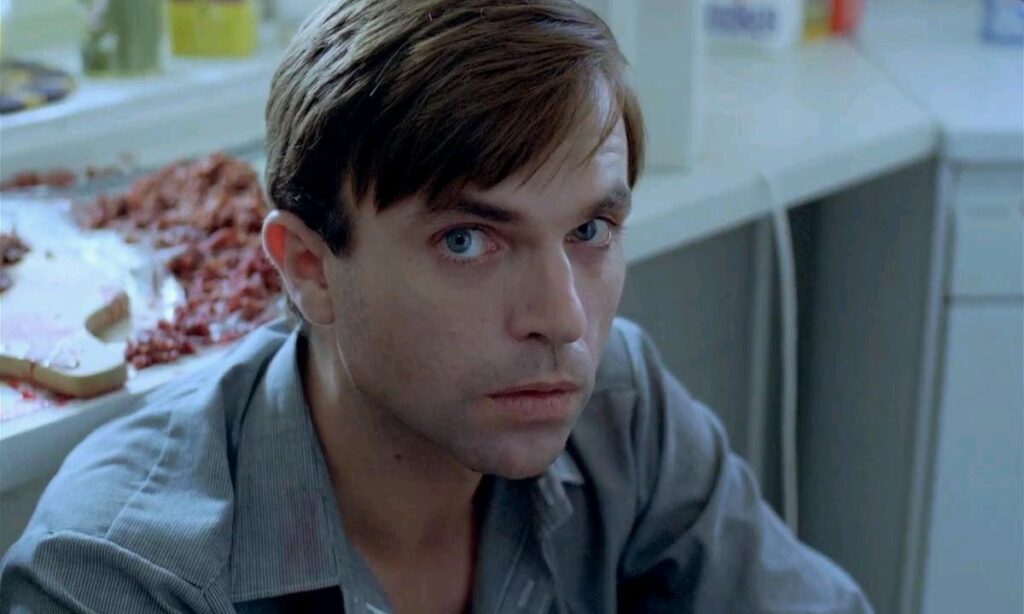
This endorsement led directly to Neill’s first major American studio role as Damien Thorn, the Antichrist, in 1981’s The Omen III: The Final Conflict. While the sequel received mixed reviews, 1981 proved to be a banner year for the young actor, who also delivered a harrowing performance in Andrzej Żuławski’s cult-classic psychological horror film, Possession, opposite Isabelle Adjani. These early roles established a recurring dichotomy in Neill’s career: while he possessed the classic leading-man looks suited for romantic drama, he harbored a distinct willingness to lean into the unsettling, the psychological, and the malevolent.

The 1980s further solidified his status as a formidable international talent. His collaboration with Meryl Streep in 1988’s A Cry in the Dark showcased his ability to anchor complex, politically and emotionally charged historical narratives based on true events. Around this same period, Neill famously underwent a screen test to inherit the role of James Bond in the 1987 film The Living Daylights. Although producers ultimately went in another direction—and Neill later described the audition process as deeply mortifying—the screen test captured a moment when the actor’s suave, sophisticated screen persona was at its absolute peak.
Mainstream Stardom and the Jurassic Park Phenomenon
While Neill maintained a steady presence in independent and international cinema, his defining cultural footprint was cemented in 1993 with the release of Steven Spielberg’s blockbuster adaptation of Michael Crichton’s Jurassic Park. Cast as paleontologist Dr. Alan Grant, Neill provided the emotional anchor for a film driven by revolutionary visual effects. Playing a reluctant authority figure thrown into chaos, Neill modeled his performance on a practical, blue-collar heroism that recalled Harrison Ford’s Indiana Jones, yet retained a distinctly academic, grounded skepticism.
Spielberg reportedly cast Neill after admiring his physical, taut performance in Phillip Noyce’s 1988 nautical thriller Dead Calm, which also starred a young Nicole Kidman. In Jurassic Park, Neill’s chemistry with co-stars Laura Dern and Jeff Goldblum helped humanize the high-concept spectacle. His awestruck reaction to seeing a living brachiosaurus for the first time—and the subsequent, softly delivered line, “They do move in herds”—became an indelible cinematic touchstone.
Despite the immense commercial pressure of leading a multi-billion-dollar franchise, Neill handled his success with characteristic self-deprecation. He frequently regaled interviewers with humorous behind-the-scenes anecdotes, including a widely circulated story about accidentally passing gas in front of Princess Diana during the film’s London premiere. Neill would later reprise the role of Dr. Grant in 2001’s Jurassic Park III and, decades later, in 2022’s Jurassic World Dominion, proving his enduring appeal across generations of moviegoers.

Exploration of Genre, Horror, and Auteur Collaboration
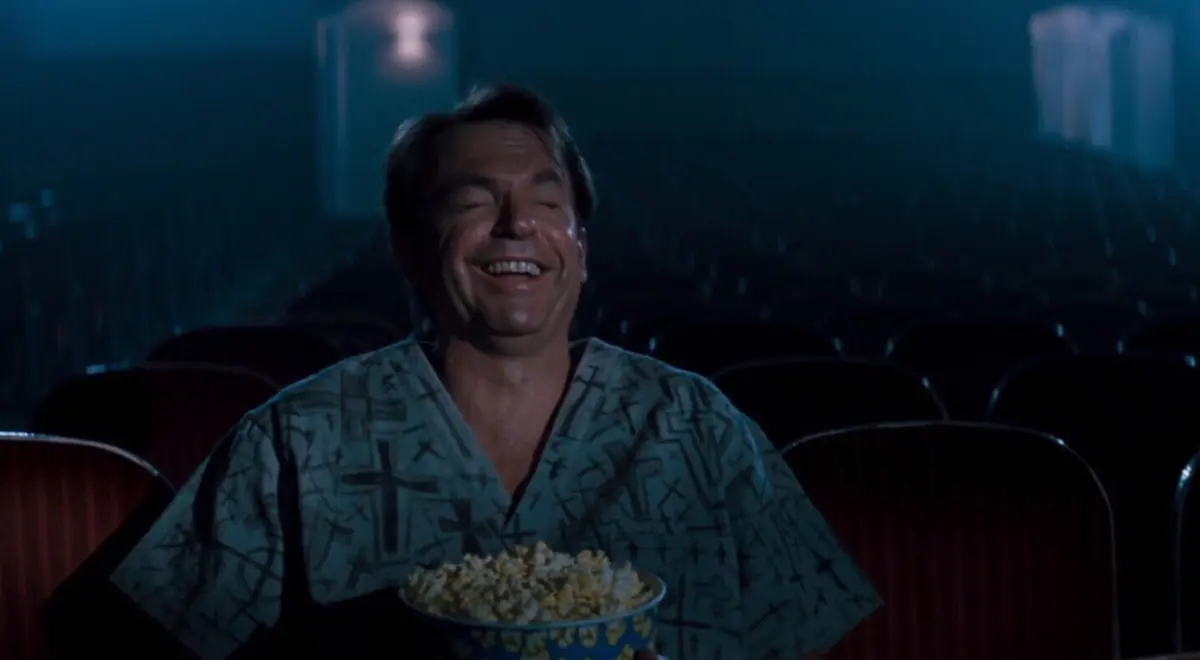
Beyond franchise filmmaking, Neill carved out a formidable reputation as a master of genre cinema, particularly psychological thrillers and horror. In 1994, he collaborated with director John Carpenter on In the Mouth of Madness, portraying an insurance investigator unraveling in the face of Lovecraftian cosmic dread. Neill’s performance bridged the gap between cynical rationality and absolute terror, elevating the B-movie premise into a thoughtful exploration of paranoia and reality.
He continued this trend with Paul W.S. Anderson’s sci-fi horror film Event Horizon in 1997, delivering a terrifying turn as a scientist driven mad by a sentient spacecraft. Whether navigating the high-art psychological complexities of Jane Campion’s Academy Award-winning The Piano (1993) or anchoring atmospheric thrillers, Neill consistently elevated his material through a quiet, authoritative screen presence.
Furthermore, Neill maintained a deep connection to his homeland, both on and off screen. In 1995, he co-directed the documentary Cinema of Unease: A Personal Journey Through New Zealand Cinema with Judy Rymer. The film critically examined the historical, cultural, and religious undercurrents of New Zealand filmmaking, highlighting the nation’s troubled yet vibrant cinematic reflection.
Advocacy, Personal Life, and the Later Years
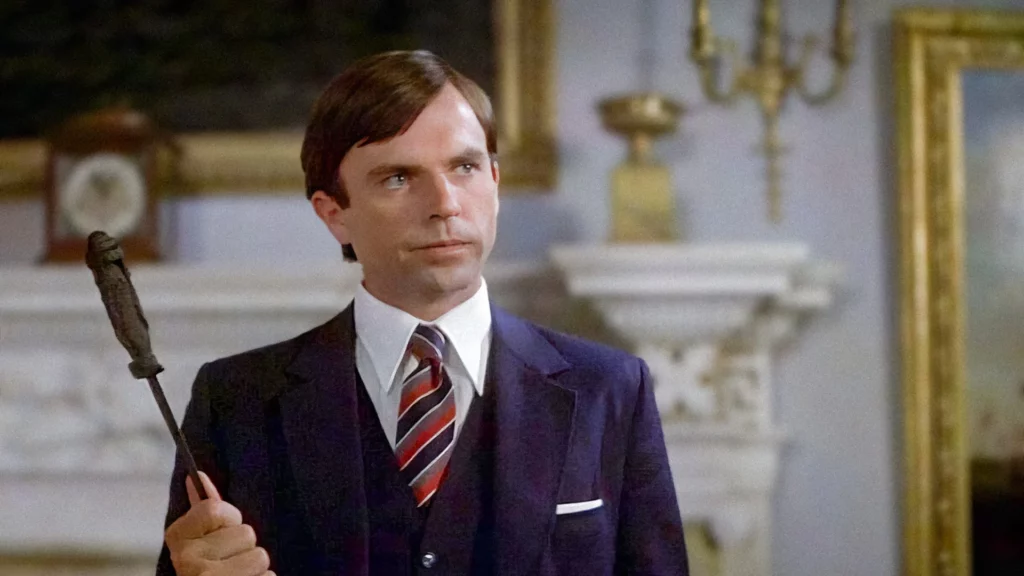
Away from the camera, Neill cultivated a rich personal life centered around environmental activism, philanthropy, and agriculture. He was the proprietor of Two Paddocks, a celebrated organic wine estate in Central Otago, New Zealand, which he ran with characteristic hands-on dedication. His social media presence, frequently featuring candid photographs of farm animals—including sheep, pigs, and ducks—earned him a devoted following and reinforced his public persona as a grounded, gentle soul far removed from conventional Hollywood artifice.
In March 2023, Neill publicly revealed that he had been diagnosed with stage-three angioimmunoblastic T-cell lymphoma the previous year. True to his pragmatic and resilient nature, he approached the diagnosis with remarkable candor, detailing his experiences in his memoir, Did I Ever Tell You This?. Speaking to the BBC regarding his health, Neill remarked, “I’m not afraid of dying… What I don’t want to do is to stop living, because I really enjoy living.”
Official Responses and Industry Impact
Following the announcement of his passing, directors, co-stars, and cultural figures shared heartfelt tributes honoring his life and career. John Carpenter posted a tribute on social media reflecting on their collaborations, stating, "The world has lost a remarkable actor, father, farmer, and friend." Filmmakers and actors alike praised Neill for his generosity on set, his professional rigor, and his ability to draw compelling, nuanced performances from his co-stars.
Broader Impact and Implications for Modern Cinema
The legacy of Sam Neill extends far beyond box office receipts or critical accolades. He represents a vanishing breed of classical actors who moved effortlessly between micro-budget international arthouse projects and massive Hollywood studio blockbusters without ever compromising their integrity. By refusing to look down upon genre material, Neill legitimized horror and science fiction, imbuing them with human vulnerability, intelligence, and pathos.
As the film industry reflects on his monumental contributions, Neill’s body of work stands as a masterclass in versatility. Whether he was fleeing velociraptors, deciphering cosmic madness, or tending to his vineyards in Central Otago, Sam Neill approached life and art with a rare, enduring authenticity that will continue to resonate with audiences and filmmakers for generations to come.