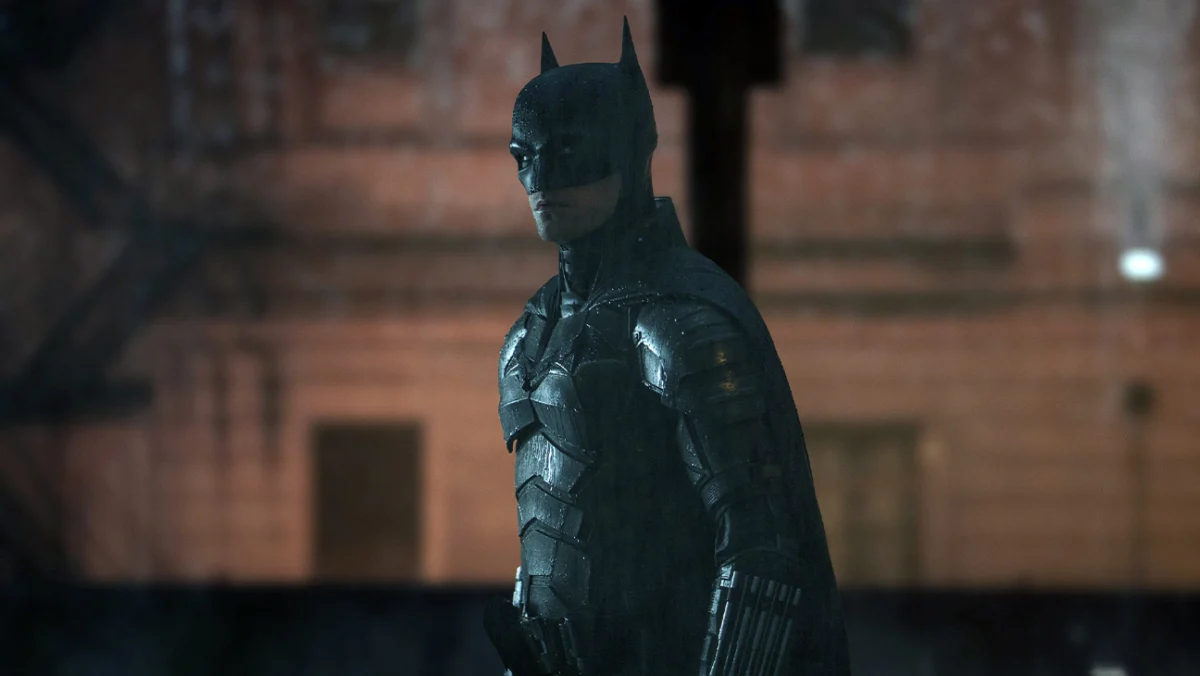
The structural future of the DC cinematic landscape remains a subject of intense speculation, particularly concerning how disparate iterations of iconic characters might interact. Robert Pattinson, who revitalized the Caped Crusader in Matt Reeves’ 2022 neo-noir thriller The Batman, has offered a definitive perspective regarding the integration of his Bruce Wayne into the broader DC Universe (DCU) currently being architected by DC Studios co-CEOs James Gunn and Peter Safran. In recent discussions, Pattinson signaled that the thematic gravity and isolated psychological profile of his version of the character would make a transition into a shared cinematic universe—such as one involving David Corenswet’s Superman—logistically and tonally incompatible.
The distinction between the "Reevesverse" and the burgeoning DCU is a foundational element of the current strategy at Warner Bros. Discovery. While the DCU aims for a cohesive, interconnected narrative web, the Matt Reeves-led franchise is designed to function as an autonomous, director-driven enterprise. Pattinson’s comments emphasize that the creative autonomy granted to the production team is inextricably linked to the performance of the character itself.
The Psychological Weight of the Gotham Noir
For Pattinson, the barrier to a crossover is not merely a matter of administrative planning but of artistic immersion. In an interview with LADbible, the actor described the process of embodying Bruce Wayne as a profoundly consuming experience that defies the high-octane, multi-hero environment typical of traditional comic book films.
“I think it would be kind of tough to have this version of Bruce outside of that world,” Pattinson stated. “It’s one of the only characters, I guess because of the length of the shoots but also it’s such a specific kind of style, the tone of it gets inside you. I remember that happened to me the last time I did it, it took a while. You’re just in the dark, the whole time. Both mood-wise and light-wise, I can’t see anything for like months. It does affect you; like you feel strange afterwards.”
This sentiment underscores the stylistic departure that defined 2022’s The Batman. By grounding the character in a gritty, psychological crime noir aesthetic—reminiscent of David Fincher’s Seven or classic noir cinema—Reeves created an environment that prioritizes detective work and systemic corruption over cosmic threats or intergalactic alliances. The lighting, the pacing, and the internal monologue of the character are calibrated to a specific, singular frequency that would, according to Pattinson, be diluted by the introduction of extraterrestrial entities or global-scale superhero dynamics.
Chronology of a Disconnected Franchise
The separation between these two cinematic worlds was established early in the planning phases of the current DC leadership. When James Gunn and Peter Safran took the helm of DC Studios in late 2022, they confirmed that the DCU would be a unified continuity. However, they simultaneously affirmed that projects falling outside of this mainline—branded as "DC Elseworlds"—would continue to exist in their own right.
The chronology of this separation is as follows:
- March 4, 2022: The Batman premieres to critical and commercial success, grossing over $771 million globally and establishing a new, separate continuity.
- January 2023: James Gunn and Peter Safran unveil the first chapter of their new DCU, titled "Gods and Monsters." During the announcement, Gunn explicitly identifies The Batman Part II and Todd Phillips’ Joker: Folie à Deux as "Elseworlds" projects, confirming they are not part of the primary DCU timeline.
- April 2024: Production updates confirm that The Batman Part II is moving forward with a focus on continuing the narrative threads established in the first film, rather than setting up a larger shared universe.
- September 2025 (Projected): Ongoing development of The Batman Part II continues, with the release date now firmly set for February 18, 2028.
This clear demarcation serves a dual purpose: it allows for high-concept, auteur-led filmmaking without the constraints of shared-universe canon, and it prevents "superhero fatigue" by offering a variety of tones and storytelling frameworks to the audience.
Comparative Data: Box Office and Reception
The decision to maintain the separation between the Reevesverse and the DCU is supported by the fiscal and critical performance of the 2022 film. The Batman holds an 85% critical approval rating on Rotten Tomatoes, with reviewers frequently citing its tonal consistency as a key strength.
Financially, the film’s success proved that audiences remain highly engaged with the Batman brand, even when divorced from the Justice League framework. The film’s $771 million global haul solidified it as the highest-grossing film for Warner Bros. in the post-pandemic era prior to the release of Barbie. By contrast, the previous iterations of the DC Extended Universe (DCEU) struggled with inconsistent tonal shifts and decreasing returns, which necessitated the current "hard reset" under Gunn and Safran.
Official Stance and Creative Implications
While fans have historically clamored for a "Batman and Superman" team-up, the creative direction of the current DC leadership suggests a preference for quality over quantity. James Gunn has frequently stated that his primary goal is to ensure each project has a distinct voice. By allowing Matt Reeves to finish his planned trilogy without the burden of cross-referencing other films, Warner Bros. is betting that the "Elseworlds" label will eventually become a badge of prestige, representing a higher standard of creative freedom.
The implication for the future is clear: there will likely be two distinct versions of Batman co-existing within the DC brand. One will be the version appearing in the upcoming The Brave and the Bold, which will be integrated into the DCU and presumably interact with other heroes. The other will be Pattinson’s version, serving as a self-contained, character-driven study that remains within the confines of Gotham City.
Looking Toward The Batman Part II
Pattinson has provided limited but tantalizing hints regarding the trajectory of the upcoming sequel. In recent comments to Collider, he characterized the follow-up as a significant departure from the original while maintaining the core aesthetic integrity of the first film.
“The first one was a different take on a Batman movie, and this one is another… It’s a real left turn from the first one, but somehow it keeps elements of the kind of feel of it,” Pattinson noted. “But it just feels really ambitious, and I’m excited to see how it turns out.”
The ambition mentioned by the lead actor is echoed by industry analysts, who suggest that the 2028 release date allows the production team the necessary time to refine the script and visual effects to match the high bar set by the 2022 predecessor. The delay from its original 2025 window has been framed by studio insiders as a move to ensure the project meets the rigorous standards expected for a tentpole release, rather than as a sign of production trouble.
Conclusion: The Value of Narrative Isolation
The refusal to integrate the Reevesverse into the wider DCU is an admission that not all superhero stories are meant to be modular. By acknowledging that his version of Bruce Wayne is defined by a specific, suffocating darkness, Pattinson validates the creative choice to keep his Gotham isolated.
As the film industry continues to navigate the complexities of cinematic universes, the separation of the Reeves-Pattinson partnership stands as a critical experiment. It tests whether a legacy franchise can thrive by prioritizing narrative consistency and auteur vision over the cross-pollination of intellectual property. With the release of The Batman Part II on the distant horizon of February 2028, both the studio and the audience have the opportunity to see if this isolated approach yields a superior cinematic legacy, one that avoids the narrative bloat of its predecessors while delivering a character study that remains, as Pattinson described, "in the dark."