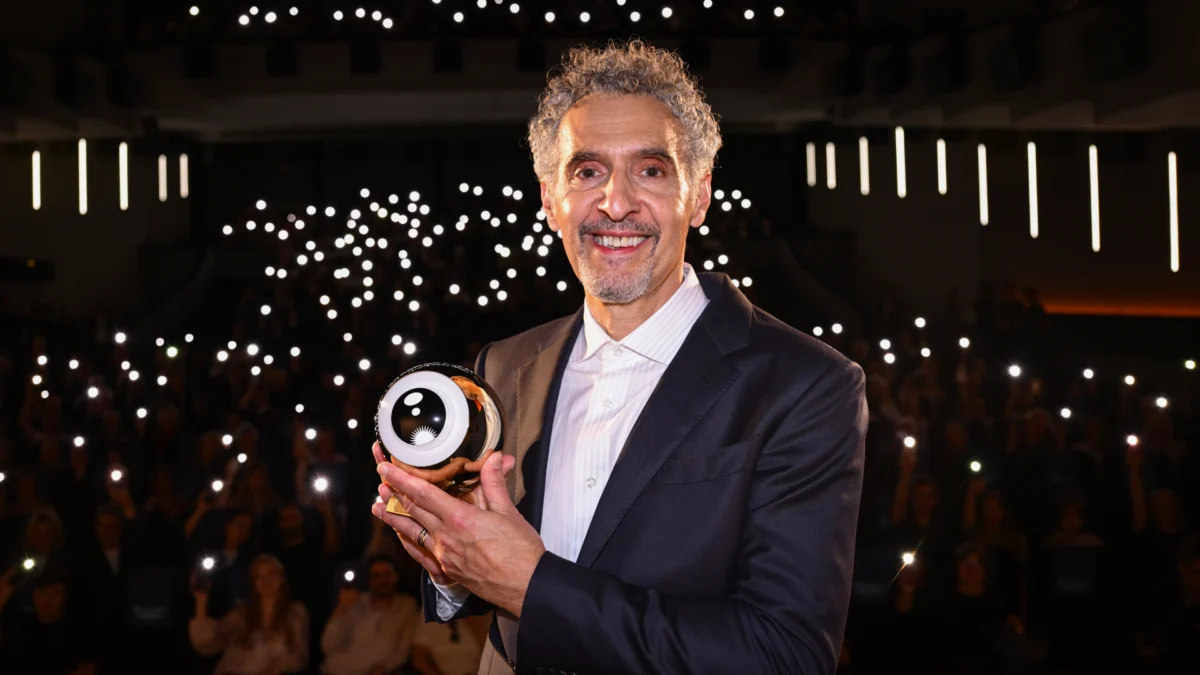
The Zurich Film Festival (ZFF) became the epicenter of cinema discourse this past weekend as veteran actor and filmmaker John Turturro, fresh from receiving the prestigious Golden Eye award on Saturday night, captivated audiences during a deeply personal masterclass on Sunday. The event, held at the heart of the 22nd edition of the festival, served as a comprehensive retrospective of a career that has redefined character acting in both American independent cinema and global television.
A Career Defined by Artistic Evolution
Turturro’s recognition at the festival comes at a pivotal juncture in his professional life. While he has long been considered a stalwart of the industry, his recent performance in Noah Segan’s The Only Living Pickpocket in New York has reignited intense awards-season speculation. The film, which follows the harrowing 36-hour descent of a seasoned pickpocket named Harry, has been praised for its claustrophobic tension and character-driven narrative.
During the masterclass, moderated by Deadline’s Melanie Goodfellow, Turturro offered a candid assessment of his approach to the "awards race." Despite a filmography that includes collaborations with auteurs such as Spike Lee, the Coen brothers, and Martin Scorsese, Turturro remains famously indifferent to the competitive nature of industry accolades. "I never really have gone the whole hog with it," Turturro remarked, though he conceded that he intends to champion The Only Living Pickpocket in New York because of his genuine belief in the project’s artistic integrity.
Turturro’s perspective on professional growth is rooted in the accumulation of life experience. He noted that unlike physical pursuits, acting is a craft that benefits from the aging process. By drawing upon his own history—marriage, parenthood, and the inevitable experience of loss—Turturro argues that he can now distill complex human emotions in ways that were inaccessible to him during his formative years in the 1980s and 90s.
Chronology of a Storied Filmography
Turturro’s professional journey began in the vibrant New York independent scene, where his work with Spike Lee in Do the Right Thing (1989) and Jungle Fever (1991) established him as a master of nuanced, often volatile, performances. This period was closely followed by his prolific partnership with Joel and Ethan Coen. His role as the eponymous protagonist in Barton Fink earned him the Best Actor award at the 1991 Cannes Film Festival, a victory that solidified his reputation as an international talent.
His career trajectory can be categorized into three distinct eras:
- The Independent Foundation (1980–1995): Defined by collaborations with Lee and the Coen brothers, focusing on character-centric, gritty, and often surreal narratives.
- The Mainstream Versatility (1996–2010): A period marked by high-profile supporting roles and a successful transition into directing his own features, broadening his appeal while maintaining his indie roots.
- The Prestige Television Era (2011–Present): A late-career renaissance characterized by critically acclaimed television work, including his role as the eczema-stricken attorney John Stone in HBO’s The Night Of and his ongoing turn as Irving Bailiff in Apple TV+’s Severance.
The Intersection of Theater and Television
Turturro’s transition to the small screen has been met with universal acclaim, particularly regarding his work on Severance. During the masterclass, he confirmed his participation in the third season of the hit series, emphasizing that his commitment is predicated on the quality of the scripts rather than contractual obligations.
His relationship with co-star Christopher Walken, which blossomed on the set of Severance, serves as a testament to his collaborative ethos. Turturro specifically requested Walken for the role of his character’s love interest, citing their long-standing professional and personal bond. By guiding Walken through the abstract, high-concept premise of the show, Turturro highlighted the importance of chemistry and trust in maintaining artistic authenticity.
Regarding The Night Of, a project that garnered five Emmy wins, Turturro expressed a desire to revisit the world of John Stone. Despite the project’s success, he revealed that the lack of a cohesive creative vision for a potential second season prevented its continuation. This reflects a recurring theme in Turturro’s career: a willingness to step away from high-profile projects if they do not align with his standard for narrative excellence.
Industry Implications and Global Influence
The decision by the Zurich Film Festival to honor Turturro alongside high-profile names like Julianne Moore and Tom Hiddleston signals an ongoing effort to bridge the gap between traditional prestige acting and modern digital platforms.
Turturro’s observation that he is offered more "normal" roles in European cinema compared to the archetypal roles he often receives in Hollywood suggests a systemic difference in how global industries view his versatility. Furthermore, his stated refusal to accept scripts that depict violence against women provides insight into the ethical boundaries that govern his decision-making process. This refusal is not merely a personal preference but a deliberate attempt to challenge industry norms regarding the representation of gendered violence.
The Philosophy of the Beginner
At the heart of the Zurich celebration was Turturro’s humility. Quoting the Italian novelist Cesare Pavese, he reminded the audience that "the only great thing in life is to begin." This philosophy permeates his approach to his craft; he does not view his decades of experience as a finish line, but as a foundation for further exploration.
As the 22nd Zurich Film Festival continues through October 4, the focus remains on the legacy of artists who manage to balance popular appeal with uncompromising artistic standards. Turturro’s masterclass served as an essential reminder that for a performer of his caliber, the "awards buzz" is secondary to the pursuit of work that respects the audience’s intelligence. Whether he finds himself in the middle of a Best Actor campaign or on a quiet film set, Turturro’s career remains a study in consistent evolution, proving that the most successful actors are those who approach every role with the curiosity of a novice.
In the broader context of the film industry, his continued relevance suggests that audiences are increasingly drawn to performers who provide authenticity, sensitivity, and a depth of experience that only time can refine. As he looks toward his next projects, the industry watches with anticipation, recognizing that Turturro remains one of the few actors capable of navigating the complex demands of both auteur cinema and contemporary streaming culture with equal authority.