The Genesis of an Industry Quagmire
The narrative of Artificial is structured as a chronological descent into the professional and ethical compromises of the modern AI era. It begins in 2003 at the University of Toronto, tracing the trajectory of Ilya Sutskever—portrayed with haunting vulnerability by Yura Borisov—as he evolves from a socially unassuming, idealistic immigrant scholar under the tutelage of AI pioneer Geoffrey Hinton into the chief science officer of OpenAI.
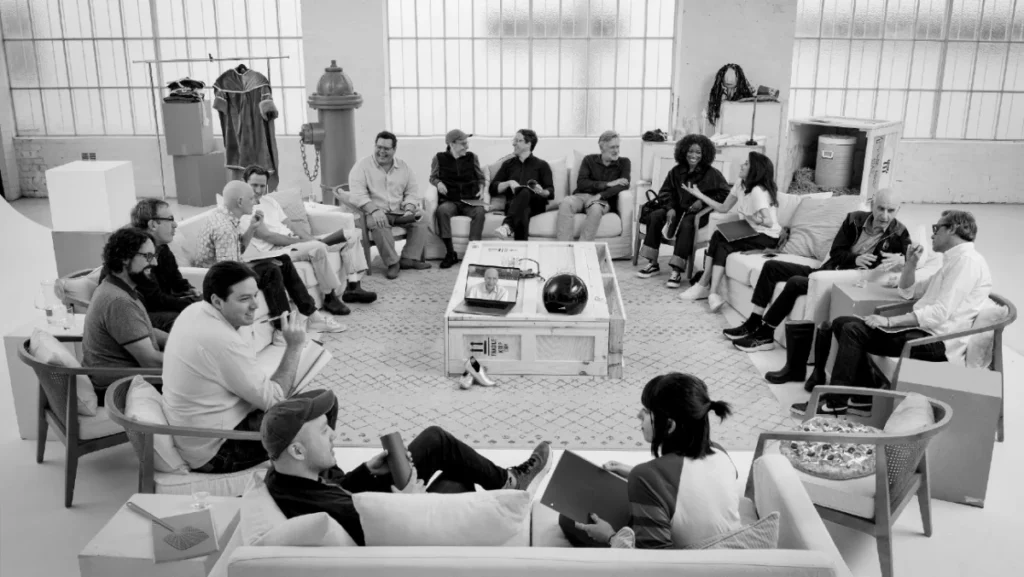
The film highlights the 2014 meeting between Sutskever and a young, ambitious Sam Altman, then a prominent figure at Y Combinator. Their partnership serves as the film’s central friction point: the contrast between Sutskever’s technical, research-oriented aspirations and Altman’s relentless, market-driven pursuit of scale. Through a meticulously reconstructed timeline, the film depicts the "last supper" of the original OpenAI founders—including Elon Musk and Greg Brockman—effectively illustrating the pivot point where the company transitioned from a safety-focused nonprofit entity into a corporate powerhouse.
A Timeline of Institutional Transformation
The film’s pacing reflects the breakneck speed of the industry itself. Key milestones covered include:
- 2003–2014: The academic foundations and the initial meeting of the minds between Sutskever and Altman.
- November 2022: The public release of ChatGPT, which fundamentally altered the global discourse on AI and triggered an industry-wide arms race.
- November 2023: The "notorious coup," where the OpenAI board’s attempt to oust Altman was swiftly neutralized by investor pressure, primarily led by Microsoft CEO Satya Nadella. This event serves as the climax of the film, signaling the definitive victory of capital over internal governance and safety oversight.
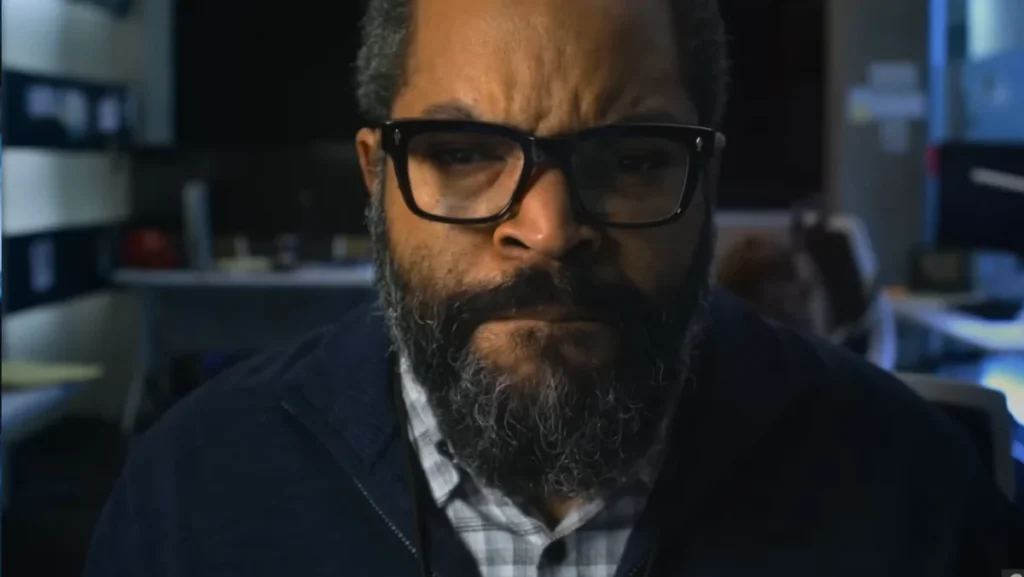
The film extends its scope to the present day, 2026, incorporating the most recent warnings from AI whistleblowers like Jacob Coxon. By weaving in real-world events—such as the recent public testimonies regarding safety negligence—the film positions itself not merely as a historical drama, but as a contemporary critique of the unchecked power dynamics currently shaping global technology policy.
The Anatomy of the Cast and Characters
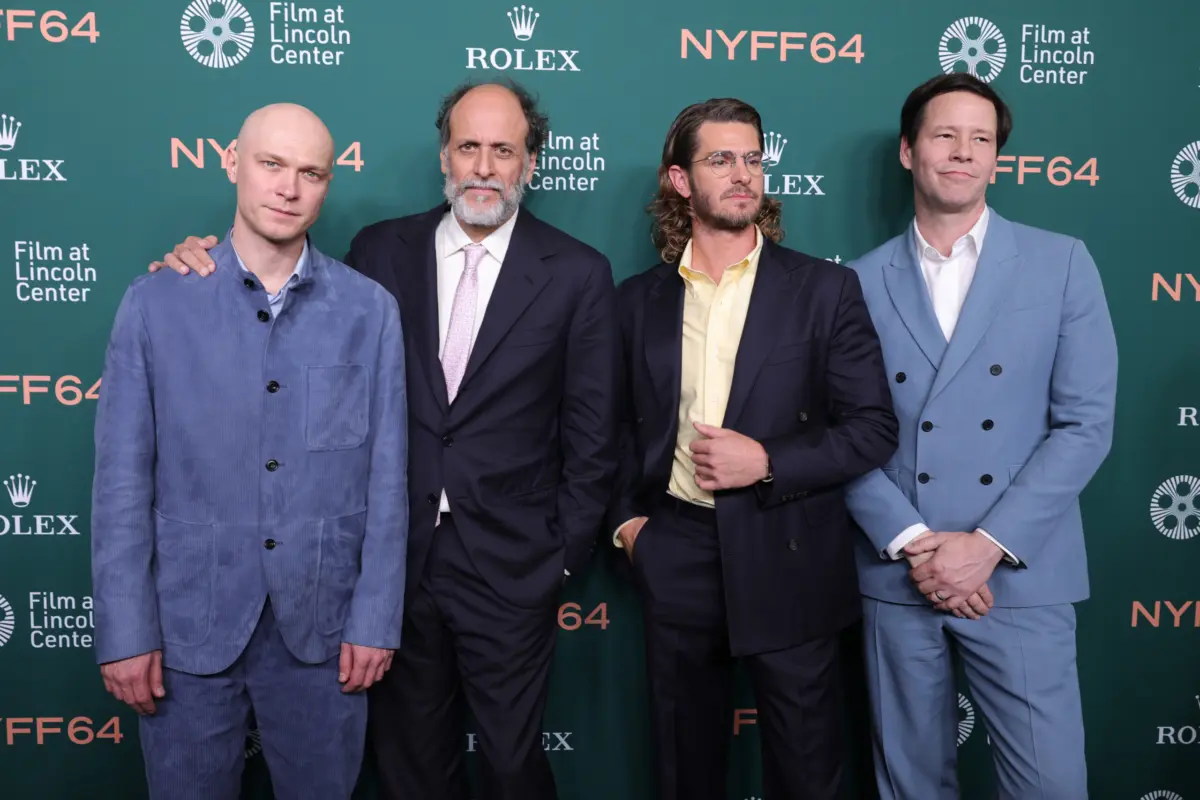
The performances in Artificial have drawn significant attention for their proximity to the public figures they depict. Andrew Garfield’s portrayal of Sam Altman is a centerpiece of the film, characterizing him as a figure of "toxic charisma." Garfield has framed his approach as a deep interrogation of the delegation of power and autonomy to private entities.
Conversely, the supporting cast provides a structural look at the ecosystem surrounding the AI boom:
- Greg Brockman (Cooper Hoffman): Presented as the loyal, evangelical counterpart to Altman, the film explores the personal and professional cost of unwavering alignment with corporate acceleration.
- Mira Murati (Monica Barbaro): The film portrays her as a complex figure caught between the competing interests of safety and market dominance, acting as both an internal advocate and a complicit participant.
- Geoffrey Hinton (Mark Rylance): Serving as the film’s moral compass, Rylance provides a grounded, sobering perspective on the long-term implications of the technology he helped invent.
- Elon Musk (Ike Barinholtz): The portrayal touches upon the erratic, multifaceted nature of the tech billionaire, highlighting the tension between his public persona and his early contributions to the sector.
Corporate Interference and the Conflict of Interest
The departure of Amazon MGM Studios from the project serves as a meta-narrative within the film’s release cycle. Guadagnino has noted that the "elephant in the room"—a direct conflict of interest between a studio’s parent company and a film criticizing that company’s strategic partners—was an unavoidable hurdle.
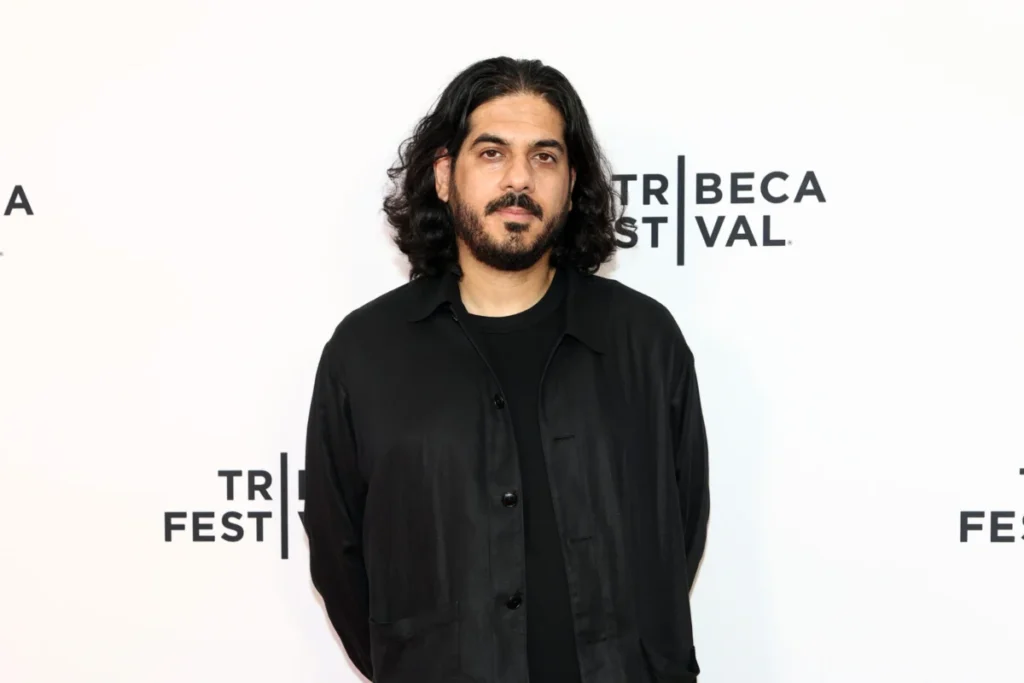
The film’s script, penned by Simon Rich, reflects a personal urgency to warn the public about the trajectory of the industry. The decision by a major studio to drop the film once the scale of its criticism became apparent highlights a growing sensitivity in Hollywood regarding the influence of Big Tech on creative output. The shift to Neon ensures that the film reaches the screen with its critical edge intact, avoiding the potential sanitization that often accompanies high-budget studio backing.
Broader Economic and Societal Implications
Artificial serves as a primer on the convergence of advanced science and extreme wealth. The film underscores the reality that the development of Large Language Models (LLMs) requires not just intellectual capital, but an unprecedented "war chest" of financial resources. By prioritizing the "compute-first" mentality of modern leadership, the narrative argues that safety is often reduced to a marketing talking point rather than a foundational constraint.
The film’s postscripts, which reference the late 2026 climate of safety warnings, emphasize the reality that the story is far from concluded. Industry observers have pointed out that the portrayal of figures like Dario Amodei, the founder of Anthropic, provides a rare, albeit narrow, contrast to the OpenAI narrative. However, the overall tone remains one of profound concern regarding the lack of federal regulation and the "reckless speedplow" of development.
The Industry Response and Critical Reception
The film has already elicited reactions from the subjects it depicts, even prior to widespread release. Sam Altman, referencing the trailer, has questioned the film’s commitment to "accuracy," a common refrain for public figures depicted in unauthorized biopics. The dispute over interactions between Altman and Garfield at the film’s production site highlights the blurred lines between the reality of these figures and their screen depictions.
From a critical standpoint, the film’s success hinges on its ability to distill complex technical and corporate maneuvers into a coherent, emotionally resonant story. The use of figures like the "Guy on the Bench" (played by Jason Schwartzman) as a prophetic voice provides a thematic anchor that transcends the specific technical jargon of the AI sector.
Conclusion: The Persistence of the AI Narrative
As the film moves toward its wide release in December, it remains to be seen how the rapidly evolving landscape of 2026 will interact with the film’s core arguments. The inclusion of current, real-time events—such as the recent safety-focused startup launches by former OpenAI staff—positions the film as a dynamic participant in the current discourse rather than a static piece of media.
Ultimately, Artificial acts as a mirror to the current epoch of silicon-based capitalism. It captures the tension between the utopian promises of AI and the pragmatic, often ruthless, realities of corporate competition. Whether it succeeds in shifting public consciousness remains an open question, but its arrival at the New York Film Festival marks a significant cultural milestone in the ongoing effort to understand, quantify, and potentially mitigate the risks of the artificial intelligence revolution. The film’s enduring question—who holds the power, and to what end is it being exercised—is likely to persist long after the credits roll.