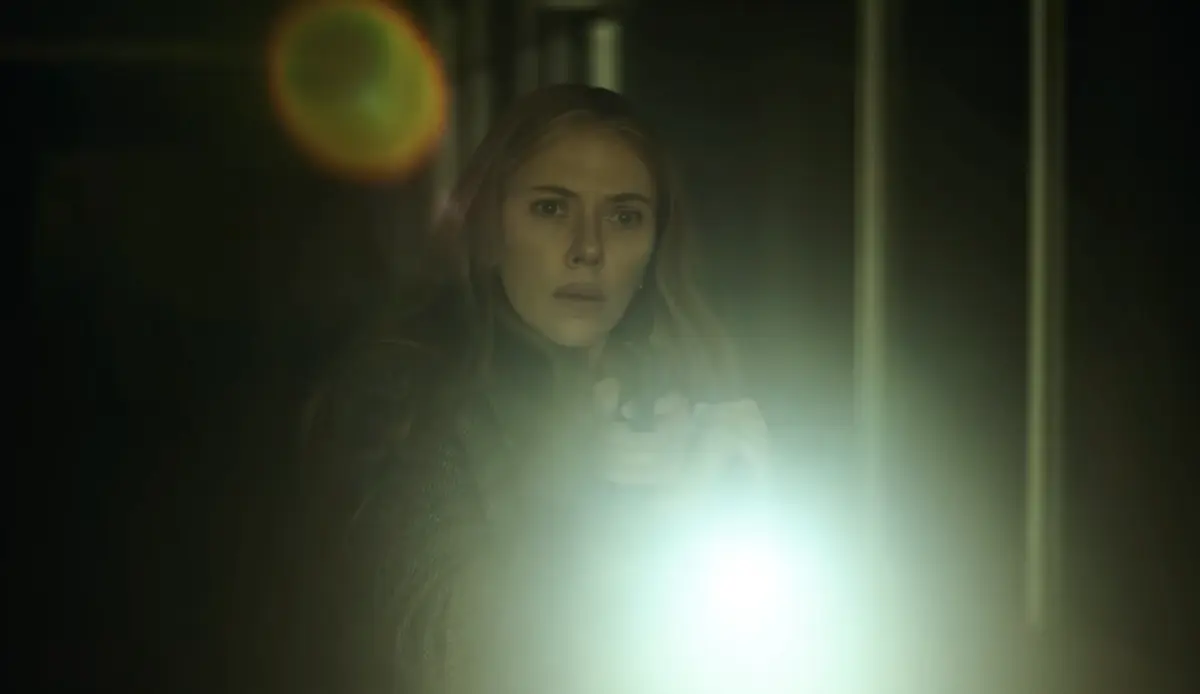
Three years after the attempted revitalization of The Exorcist franchise faltered, Universal Pictures is officially moving forward with a radical strategic pivot. The studio has tapped acclaimed horror visionary Mike Flanagan to write and direct a new installment, titled The Exorcist: Martyrs, which aims to recalibrate the legendary supernatural brand. The film, which features Scarlett Johansson in a leading role, marks a departure from previous creative efforts and signifies a high-stakes attempt by Universal to salvage one of the most expensive intellectual property acquisitions in modern horror history.
The production is slated for a theatrical release on March 12, 2027. According to studio briefs, the narrative follows NYPD homicide detective Julie Miller, portrayed by Johansson, as she finds herself entangled in a harrowing investigation involving a mysterious antagonist known as Father Sunday, played by John Leguizamo. The cast also includes Chiwetel Ejiofor as a priest whose path crosses with Miller’s as she fights to protect her 12-year-old son, played by Jacobi Jupe, from an encroaching malevolent force.
A History of High-Stakes Investment and Creative Volatility
The decision to bring in Flanagan follows a tumultuous period for the franchise. In 2021, Universal Pictures, in conjunction with Blumhouse and Morgan Creek, finalized a massive $400 million deal to secure the rights to The Exorcist. This acquisition was predicated on a vision to replicate the success of David Gordon Green’s Halloween reboot trilogy. The ambition was to produce three direct sequels that would reintroduce original stars and modernize the 1973 masterpiece for a contemporary audience.
However, the trajectory of this plan shifted dramatically following the performance of 2023’s The Exorcist: Believer. Despite bringing back original franchise star Ellen Burstyn, the film was met with tepid critical reception and underwhelming audience enthusiasm. While the film managed to gross $137 million globally, it failed to generate the cultural footprint required to justify the substantial overhead of a planned trilogy. By early 2024, the studio had formally scrapped the planned sequel, The Exorcist: Deceiver, effectively shuttering the initial vision for the franchise.
The pivot to Flanagan—a director whose resume includes critically lauded adaptations like Doctor Sleep, Gerald’s Game, and the Netflix hit The Fall of the House of Usher—indicates a shift away from the legacy-sequel model toward a standalone, auteur-driven approach.
Analyzing the Flanagan Factor
Mike Flanagan has carved out a unique space in the horror genre by blending psychological depth with visceral supernatural elements. His work is characterized by long-form character development and a focus on domestic trauma, which distinguishes him from the jump-scare-heavy tropes often found in franchise horror.
Industry analysts suggest that Universal’s choice of Flanagan is a calculated move to "reboot the reboot." By moving away from the direct lineage of William Friedkin’s 1973 original and the narrative constraints of the failed trilogy, the studio appears to be seeking a tonal reset. The involvement of Scarlett Johansson, a global box-office draw, further signals that Universal intends to elevate the franchise’s prestige, moving it away from the niche horror market and into the realm of major tentpole cinematic events.
The Financial Landscape of Horror Franchises
The pressure on The Exorcist: Martyrs is significant. In the current theatrical climate, horror remains one of the most reliable genres for return on investment, but "prestige horror" franchises carry specific risks. When studios spend hundreds of millions on rights—as Universal did for the Exorcist catalog—the break-even point becomes significantly higher than that of an original property.
For context, the success of horror franchises like The Conjuring or Insidious relies on lean budgets and high-concept hooks. Conversely, the $400 million price tag for the Exorcist rights necessitates a multi-film success story. If The Exorcist: Martyrs succeeds, it could set a new benchmark for how studios handle legacy IP that has struggled under the weight of excessive expectations. If it fails, it may lead to a broader industry reappraisal of the value of high-cost legacy acquisitions.
Production Timeline and Development
The timeline for The Exorcist: Martyrs is intentionally deliberate, allowing for an extended pre-production phase. By setting the release for March 2027, the studio has provided Flanagan with the runway needed to cultivate a distinct visual language.
- 2021: Universal Pictures, Blumhouse, and Morgan Creek execute a $400 million agreement for the rights to the Exorcist franchise.
- October 2023: The Exorcist: Believer is released to mixed critical reviews and modest box office returns.
- Early 2024: Development on the sequel, The Exorcist: Deceiver, is officially halted.
- Late 2024/Early 2025: Universal enters negotiations with Mike Flanagan to re-envision the property.
- 2025-2026: Principal photography and post-production.
- March 12, 2027: Scheduled theatrical release of The Exorcist: Martyrs.
Implications for the Horror Genre
The industry is watching the development of The Exorcist: Martyrs closely for several reasons. First, the inclusion of a high-caliber actor like Johansson in a leading horror role is becoming more frequent, yet it remains a strategic differentiator in a market saturated with ensemble-led horror films. Second, the shift toward a "radical new vision" suggests that the studio is prioritizing artistic direction over strict adherence to previous canonical lore.
Furthermore, the involvement of Chiwetel Ejiofor and John Leguizamo suggests a high-quality ensemble cast, which may attract a broader demographic than the traditional horror audience. If Flanagan can balance the intense, character-driven drama he is known for with the high-octane terror required by a franchise of this magnitude, the film could serve as a blueprint for how studios manage aging franchises in the future.
Looking Ahead: The Future of the Franchise
While official statements from Universal have been sparse regarding the specifics of the plot, the description of the film as a "radical new vision" suggests that the audience should prepare for a departure from the traditional possession narrative. The focus on a homicide investigation led by a detective, rather than a religious figure in the primary lead role, hints at a procedural, investigative tone that might mirror the "slow-burn" horror style Flanagan has perfected in his television work.
As production approaches, the primary challenge for the creative team will be reconciling the massive expectations of the Exorcist brand with the need for modern innovation. For Universal, the goal is clear: to stop the bleeding of a multi-hundred-million-dollar investment and provide the franchise with a sustainable, long-term future.
Whether The Exorcist: Martyrs will be able to recapture the cultural lightning in a bottle that defined the original 1973 film remains to be seen. However, by empowering a filmmaker with a clear creative voice and securing top-tier talent, Universal has signaled that it is no longer looking for a quick fix, but a meaningful transformation of one of the most significant pillars of cinema history. The coming months of pre-production will undoubtedly provide more clarity on whether this new chapter can finally lay the franchise’s box-office ghosts to rest.