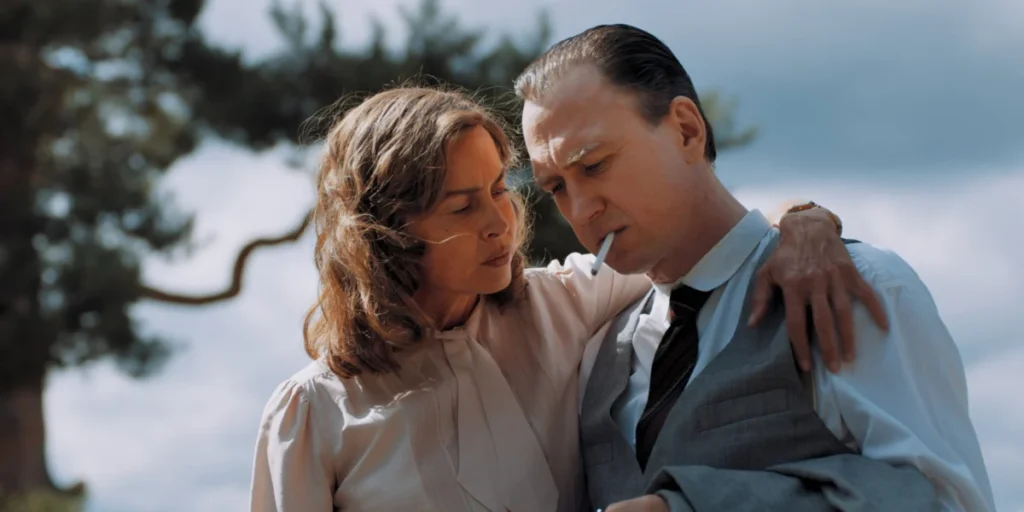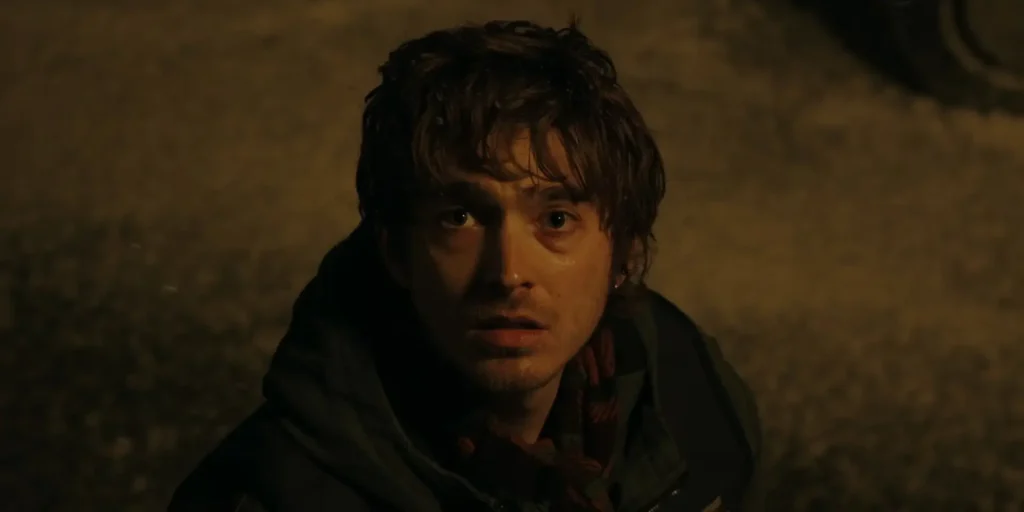
The landscape of prestige television welcomed a major new entry on October 1, 2026, with the global streaming premiere of East of Eden on Netflix. Adapted from John Steinbeck’s landmark 1952 novel, the historical drama limited series has rapidly generated substantial critical acclaim and audience engagement following its debut. Created by writer and showrunner Zoe Kazan, the seven-episode project reimagines Steinbeck’s multi-generational epic through a contemporary lens, placing a renewed emphasis on complex character dynamics, generational trauma, and the timeless thematic struggle between free will and predestination.
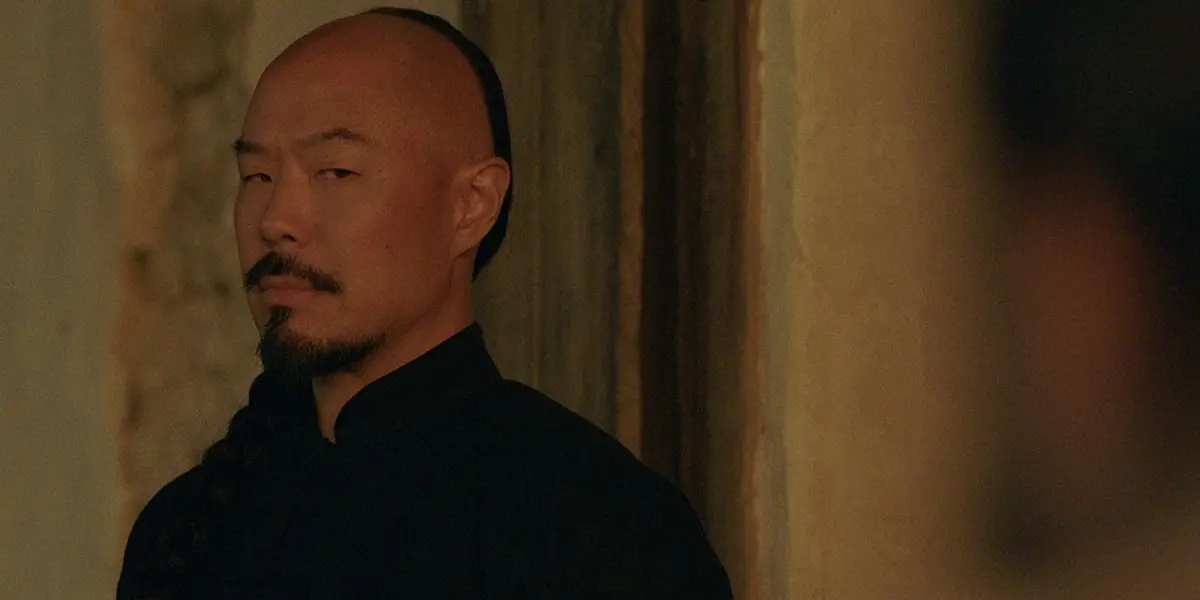
Anchored by a star-studded cast led by Academy Award nominee Florence Pugh as the enigmatic Cathy Ames, and supported by Christopher Abbott as Adam Trask and Hoon Lee as the steadfast servant Lee, the series has drawn considerable praise for its ambitious scope and psychological depth. Behind the camera, the limited series benefits from the distinct directorial visions of Garth Davis, who helmed the opening four episodes, and Laure de Clermont-Tonnerre, who directed the concluding three installments. As the series establishes itself as a dominant fixture in the current television awards conversation, key creative forces behind the production have opened up about the immense logistical and artistic challenges of translating one of American literature’s most revered monuments to the small screen.
Background Context and Literary Legacy
Published in September 1952, John Steinbeck considered East of Eden his magnum opus, a sprawling chronicle set primarily in the Salinas Valley of California from the mid-nineteenth century through the era of World War I. The novel explores the intertwined fates of two families, the Hamiltons and the Trasks, serving as an allegorical retelling of the biblical story of Cain and Abel, specifically focusing on the Hebrew concept of timshel—translated as "thou mayest"—which posits that human beings possess the ultimate agency to choose between good and evil.
Adapting the massive, philosophically dense text has historically proved a formidable task. The most famous prior cinematic adaptation remains Elia Kazan’s 1955 feature film, which famously focused only on the final section of the novel and launched James Dean into global superstardom. However, Elia Kazan’s film condensed vast portions of the narrative, leaving much of Steinbeck’s intricate plotting, particularly the complex history and psychology of Cathy Ames, largely unexplored.
Zoe Kazan—who is the granddaughter of Elia Kazan—approached the material with a desire to restore the scope and interiority that a feature film necessarily omits. By developing the property as a limited television series for Netflix, the production team secured the temporal canvas required to honor Steinbeck’s multi-generational framework. The strategic choice to divide the narrative across seven episodes allowed creators to delve deeply into the psychological motivations of characters who are often reduced to simple archetypes in brief adaptations.
Chronology of Production and Release
The journey toward the 2026 premiere of East of Eden spans several years of development, casting, and meticulous physical production. Initial reports regarding the project surfaced when Netflix announced it was backing a high-budget limited series adaptation spearheaded by Zoe Kazan and produced in partnership with Anonymous Content and Endeavor Content.
Casting announcements followed in stages, generating significant industry buzz when Florence Pugh was attached to portray Cathy Ames, a role requiring immense emotional range and psychological nuance. Christopher Abbott joined the cast as the idealistic and deeply troubled Adam Trask, while Hoon Lee was cast as Lee, a character whose philosophical weight anchors much of the Trask household’s domestic and intellectual life.
Principal photography commenced across various locations in California and controlled studio environments designed to replicate the rugged, dust-swept landscapes of the Salinas Valley and the Eastern seaboard of the late nineteenth century. Garth Davis stepped in to establish the visual and tonal language of the series for the first four episodes, leaning into expansive cinematography and patient pacing. Following Davis’s block, Laure de Clermont-Tonnerre took over the director’s chair for episodes five through seven, guiding the narrative through its high-stakes dramatic climaxes and emotional resolutions.

On October 1, 2026, Netflix dropped the complete seven-episode limited series globally. The release strategy immediately triggered a wave of critical commentary, positioning the show among the top-tier prestige dramas of the year. Review aggregators noted a predominantly positive consensus, highlighting the strength of the ensemble performances, the cinematic quality of the direction, and the fidelity with which Kazan’s script honored Steinbeck’s exploration of moral responsibility.
Creative Insights: Director Garth Davis and Actor Hoon Lee Discuss the Production
In the wake of the premiere, key creative personnel participated in extensive promotional and analytical discussions regarding the making of the series. Garth Davis, whose prior directorial work includes feature films such as Lion (2016) and Mary Magdalene (2018), spoke candidly about the unique pressures of visualizing a literary classic that holds profound personal and cultural significance.
Davis emphasized the importance of grounding the historical epic in visceral human realism rather than relying purely on period-piece pastiche. In promotional interviews, the director detailed how he worked closely with cinematographers and production designers to capture the tactile quality of the earth, the harsh sunlight of the California valley, and the claustrophobic emotional spaces inhabited by the Trask family. Davis noted that his block of episodes was designed to slowly build tension, establishing the psychological fault lines that would ultimately fracture the family across generations.
Simultaneously, Hoon Lee offered deep insights into his portrayal of Lee, a character who serves as far more than a domestic servant to Adam Trask. In Steinbeck’s novel, Lee is an intellectual intellectual and philosophical sounding board, though early twentieth-century depictions of the character occasionally leaned into restrictive tropes. Lee’s casting and subsequent performance have been widely lauded for subverting these historical limitations, restoring the character’s profound dignity, sharp intellect, and central role in debating the moral architecture of the narrative.
During panel discussions and specialized interviews, Lee discussed the responsibility of interpreting a character who articulates the central thesis of the novel—the concept of timshel. By collaborating closely with Zoe Kazan and the directorial team, Lee sought to imbue the servant with a quiet authority and emotional depth that elevates him to the moral center of the household.
Broader Impact and Industry Implications
The commercial and critical success of East of Eden on Netflix marks a significant milestone for the limited series format, demonstrating that audiences maintain a robust appetite for intellectually demanding literary adaptations. In an era dominated by rapid-fire content and original intellectual property, the decision to invest heavily in a classic nineteenth- and twentieth-century American novel signals a calculated shift by streaming platforms toward prestige historical programming that can compete during awards season.
Furthermore, the involvement of high-profile feature film talent—ranging from Florence Pugh and Christopher Abbott to directors Garth Davis and Laure de Clermont-Tonnerre—underscores the ongoing blurring of lines between cinematic feature production and high-end television. Actors and directors who traditionally operated exclusively within the theatrical feature film ecosystem are increasingly utilizing multi-episode limited series to explore complex character arcs that cannot be contained within a standard two-hour runtime.
As the series continues to stream globally on Netflix, industry analysts are monitoring its performance for potential long-term impacts on future literary adaptations. The positive reception of Kazan’s script proves that contemporary audiences appreciate fidelity to source material combined with modern psychological framing. Whether East of Eden translates its critical momentum into major accolades during the upcoming awards cycle remains to be seen, but the production has already firmly cemented its place as a definitive adaptation of Steinbeck’s enduring literary achievement.