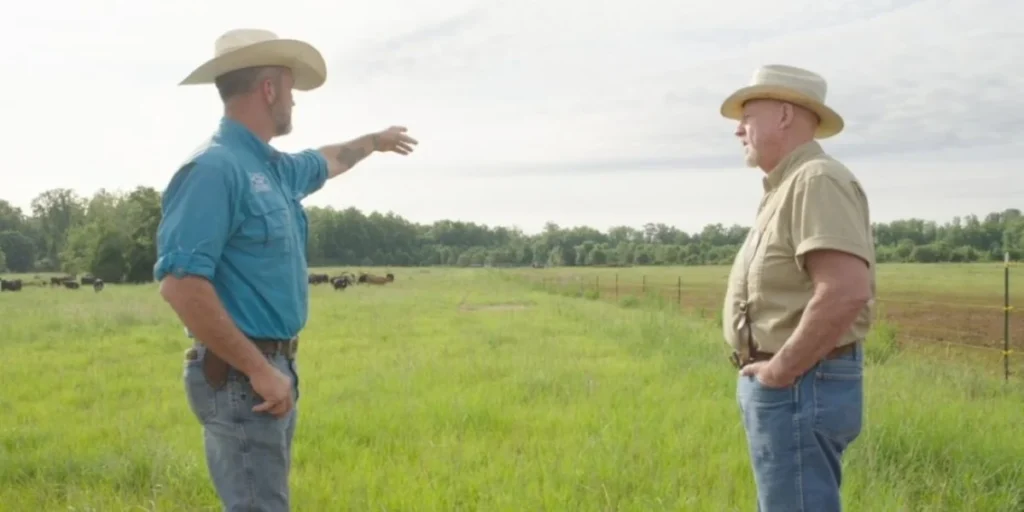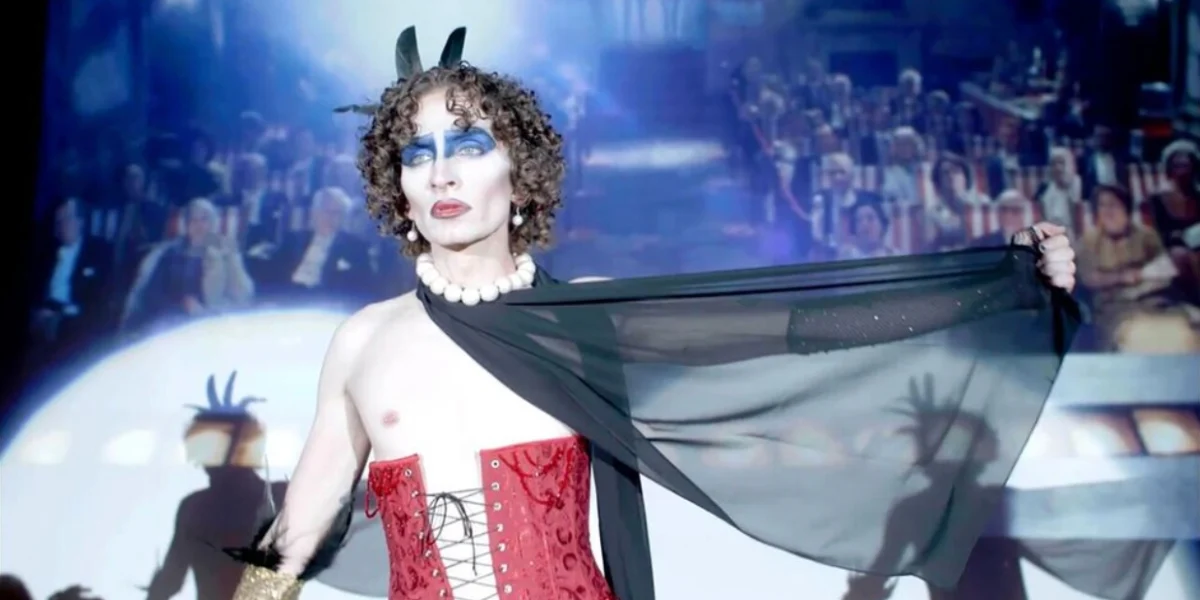
The intersection of cult cinema, rural identity, and LGBTQ+ advocacy takes center stage in the new documentary film Time Warp, directed by Allison Berg and co-written by Frank Keraudren. Clocking in at 113 minutes, the film chronicles a 2022 production of a shadowcast performance of The Rocky Horror Picture Show in Rock Springs, Wyoming. Led by 25-year-old performer and organizer Kenny Starling, the documentary provides an in-depth look at the Starling Company, a drag and theater troupe operating in a region traditionally defined by its conservative political leanings and industrial history. By following the rehearsal process, the performance, and the community’s reaction, Time Warp examines how a 50-year-old piece of transgressive art continues to serve as a vital tool for visibility in the modern American West.
The Cultural Context of The Rocky Horror Picture Show
To understand the significance of the events captured in Time Warp, one must look at the half-century legacy of its source material. The Rocky Horror Picture Show premiered in 1975, initially meeting with lukewarm critical reception and poor box office performance. However, it soon transitioned into a midnight movie phenomenon, particularly at the Waverly Theatre in New York City, where the "shadowcast" tradition was born. A shadowcast involves actors performing the movie’s scenes in front of the screen while the film plays, accompanied by heavy audience participation, including shouted "callbacks" and the use of physical props.
For decades, these screenings have served as a sanctuary for those on the margins of society, particularly the queer community. The film’s themes of sexual liberation, gender fluidity, and the rejection of traditional social norms—encapsulated in the character of Dr. Frank-N-Furter—created a space where "transgression" was celebrated. While these performances have become a staple of metropolitan nightlife in cities like Chicago, New York, and Los Angeles, Time Warp posits that the subversive power of the film remains potent and even controversial in rural environments.
Rock Springs, Wyoming: A Geographic and Political Profile
The setting of the documentary, Rock Springs, is a city in Sweetwater County, Wyoming, with a history rooted deeply in the coal mining and oil and gas industries. Historically known as a "melting pot" due to the diverse nationalities of the miners who settled there in the late 19th and early 20th centuries, the town has maintained a reputation for being "tenacious." However, its political landscape reflects the broader trends of the state. Wyoming has not voted for a Democratic presidential candidate since 1964, and its social climate often leans toward traditionalist values.
The arrival of Kenny Starling, who relocated to Rock Springs from South Carolina, marked a shift in the local cultural landscape. Recognizing a lack of dedicated spaces for queer expression, Starling founded the Starling Company in 2022. The documentary focuses on the company’s inaugural major production: a shadowcast of The Rocky Horror Picture Show. The choice of this specific play was intentional, aiming to challenge the status quo while providing a platform for local performers who felt underrepresented in the region’s existing arts scene.
The Production and Rehearsal Process
The documentary’s 113-minute runtime allows for an expansive view of the production’s timeline, beginning with the initial casting and rehearsals. The ensemble is composed of a diverse group of residents, many of whom identify as queer. The film details the personal motivations of the cast members, including:
- Kenny Starling: The driving force behind the production, whose leadership style combines artistic rigor with a protective stance toward their performers.
- Dejanae Westbrook: A performer who shares her history of being sidelined into stereotypical roles in traditional theater programs. For Westbrook, the Starling Company offered a chance to reclaim her passion for acting through a role that defied racial and social pigeonholing.
- The City Council Representative: In a move that highlights the surprising intersections within small-town life, a sitting member of the Rock Springs city council was cast as "Rocky," the film’s titular creation. His participation serves as a bridge between the local government and the burgeoning drag scene.
- Local Enthusiasts: The production utilized local resources in a way that differs from urban shadowcasts, such as a cast member who provided a functional motorcycle for the performance, grounding the high-concept show in the reality of the town’s culture.
The film captures the technical and emotional labor involved in the production. A recurring motif is the "pass the heartbeat" exercise, a standard theatrical warm-up where the cast holds hands in a circle to build collective energy. In the context of Rock Springs, this exercise is framed not just as a performance tool, but as a defensive measure to foster solidarity against potential external hostility.
Community Reaction and Political Friction
Director Allison Berg does not shy away from the friction generated by the production. The documentary includes footage of the troupe promoting the show in public spaces, where they encounter varying degrees of acceptance and resistance. The film documents the reality of being visibly queer in a state where such visibility can still be met with skepticism or overt opposition.
One of the most discussed segments of the film involves an interview with a local veteran and vocal supporter of the "Make America Great Again" (MAGA) movement. While the interaction initially appears headed toward a confrontation, the documentary captures a moment of dialogue that suggests a complex layering of perspectives. The veteran’s reaction to the production provides a microcosm of the film’s broader inquiry: can art act as a catalyst for mutual understanding in a polarized society? The inclusion of these voices provides a balanced view of the town’s demographics, moving beyond a simple "us versus them" narrative.
Statistical and Social Implications
The data surrounding LGBTQ+ life in rural America underscores the importance of the events in Time Warp. According to research from organizations like the Movement Advancement Project (MAP), queer individuals in rural areas often face higher rates of social isolation and a lack of access to community-specific resources compared to their urban counterparts. In Wyoming, where there are few dedicated LGBTQ+ community centers, "pop-up" cultural events like those organized by the Starling Company take on an outsized role in providing social support and mental health benefits to the community.
Furthermore, the documentary highlights the economic and cultural evolution of mining towns. As the global energy transition impacts coal-dependent economies, towns like Rock Springs are increasingly looking toward "creative economy" initiatives to retain young residents and diversify their cultural offerings. The Starling Company represents a grassroots version of this diversification, proving that even in "tenacious" industrial towns, there is a demand for contemporary and inclusive entertainment.
Analysis of the Documentary’s Narrative Structure
Time Warp functions as both a "making-of" concert film and a sociological study. By dedicating nearly two hours to the subject, Berg and Keraudren avoid the pitfalls of superficiality. The film allows the audience to see the full arc of the production, from the anxiety of the first rehearsal to the "exuberant joy" of the final performance.
The documentary also serves as a meditation on the concept of a "time warp" itself—the idea of being stuck in the past while striving for a different future. The film contrasts the town’s rigid political history with the fluid, forward-thinking nature of its younger residents. It suggests that while the laws and voting records of a place may change slowly, the cultural "heartbeat" of its people is often much more dynamic.
Conclusion and Broader Impact
The release of Time Warp coincides with a period of renewed national debate regarding drag performances and queer visibility in public spaces. By documenting a successful and relatively peaceful production in the heart of Wyoming, the film offers a counter-narrative to the idea that rural areas are inherently inhospitable to progressive art.
The documentary concludes by emphasizing the power of art to facilitate human connection. The Starling Company’s production of The Rocky Horror Picture Show was more than a performance; it was a claim to space and a demonstration of resilience. As Rock Springs continues to navigate its identity as a mining town in a changing world, the presence of groups like the Starling Company suggests that the town’s tenacity will increasingly be defined by its ability to include all its citizens in its cultural narrative.
Time Warp stands as a factual record of a specific cultural moment, illustrating that 50 years after its debut, Rocky Horror remains a vital vessel for those seeking to "dream it" and "be it," regardless of their zip code.