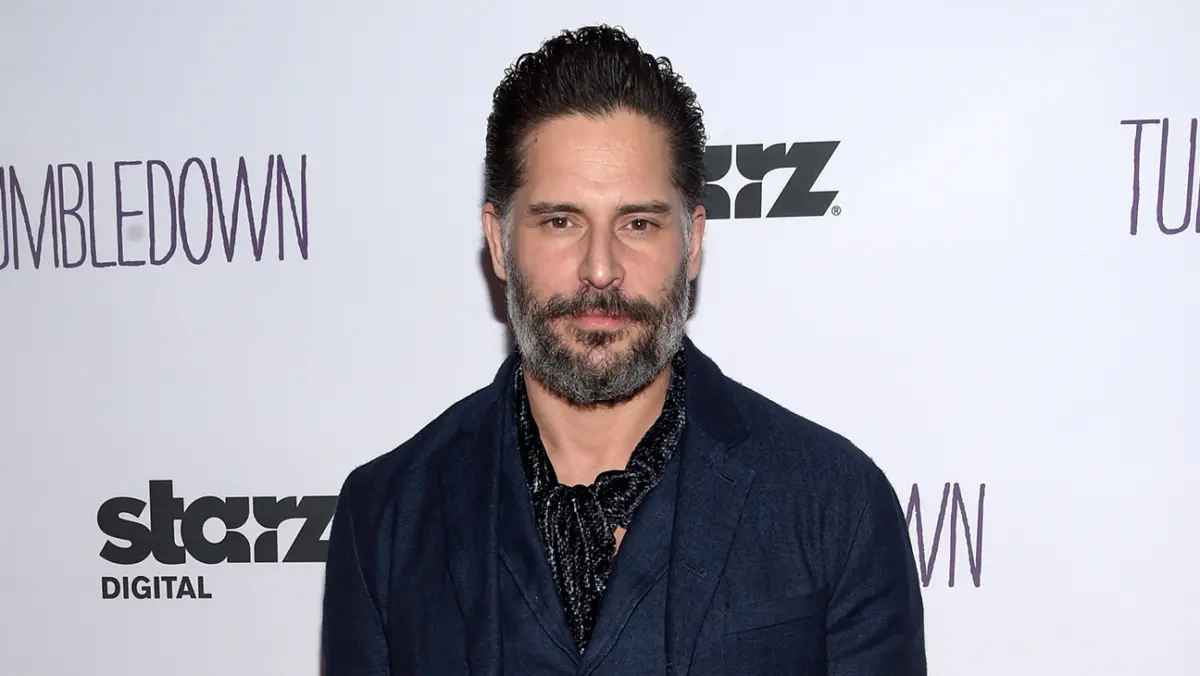
In 2016, Joe Manganiello stood at the pinnacle of his professional trajectory. Having garnered international recognition as the werewolf Alcide Herveaux in HBO’s True Blood and solidified his status as a box-office draw in Steven Soderbergh’s Magic Mike franchise, Manganiello was widely considered one of Hollywood’s most promising leading men. His personal life mirrored this success, marked by his marriage to Modern Family star Sofia Vergara and a reputation as a physical specimen, frequently lauded for his fitness. However, this period of prosperity was abruptly derailed by a severe medical crisis that nearly claimed his life, a journey he details with stark transparency in his forthcoming memoir, Bloodlines, set for release on October 13 via Avid Reader Press.
The Onset of a Hidden Crisis
The decline began in 2016 while Manganiello was filming the production Six in Wilmington, North Carolina. What initially appeared to be a minor health issue rapidly escalated into a life-threatening emergency. Medical professionals were initially unable to provide a definitive diagnosis for an autoimmune condition that systematically compromised his thyroid and ravaged his intestinal tract.
The physical toll was catastrophic. Manganiello, who had been a candidate to portray the titular hero in a major Superman production, saw his weight plummet from a robust 235 pounds to 176 pounds. This state of physiological collapse culminated in what the actor describes in his memoir as "The Night in Hell," during which he suffered massive internal hemorrhaging. Emergency surgical intervention revealed that his large intestine had become severely necrotic. Doctors indicated that had the surgery been delayed by even a matter of hours, a total rupture would have induced fatal sepsis. His then-wife, Sofia Vergara, acting as his next of kin, was forced to authorize a life-saving colectomy, resulting in the permanent removal of his large intestine and the implementation of an ostomy bag.
A Timeline of Recovery and Professional Risk
The timeline of Manganiello’s recovery coincided with a period of intense professional pressure. As he struggled to navigate the physical and psychological aftermath of his surgery—including a difficult withdrawal from high-dosage painkillers—he received an invitation from Ben Affleck to discuss a role in an upcoming, high-profile Batman film.

Despite his fragile health, Manganiello opted to conceal the extent of his condition from the production team. He ultimately secured the role of Deathstroke, a character central to the narrative Affleck was developing. This decision served as a catalyst for his rehabilitation, though it created significant tension in his domestic life. According to the memoir, Vergara, having witnessed the trauma of his near-death experience, expressed deep apprehension regarding his return to work, viewing the commitment as a dangerous overextension of his recovery.
The Logistics of Survival
Living with an ostomy bag necessitated a complete reconfiguration of Manganiello’s daily existence. Without the storage capacity of a colon, his digestive system required near-constant monitoring. This reality forced the actor to adhere to a strict, labor-intensive regimen of hygiene and maintenance to prevent leaks and maintain a professional appearance on set.
Sleep became a significant challenge, as the physical positioning required to prevent leakage—combined with the loss of significant muscle mass—led to chronic spinal and neck pain. The memoir describes these early weeks of recovery as a series of taxing adjustments, where even basic daily tasks were complicated by his physical limitations. His ability to navigate this, while simultaneously preparing to portray a physically demanding superhero villain, highlights a period of intense, often isolated, psychological endurance.
Professional Obligations and Physical Hurdles
The logistical realities of film production present unique challenges for individuals with chronic health conditions. When Manganiello arrived in the United Kingdom to begin work on the Batman project, he was forced to navigate the invasive requirements of costume fittings and 3D body scanning.
His memoir recounts a particular instance during a wardrobe fitting where the necessity of maintaining discretion regarding his medical devices—specifically the ostomy bag—created a moment of heightened vulnerability. The requirement to wear tight-fitting, multi-layered superhero gear, followed by a full-body scan that prohibited the use of his preferred undergarments, underscored the disparity between his public persona as a physical powerhouse and the reality of his post-surgical body. These professional hurdles required a level of stoicism and strategic planning that few, if any, of his collaborators were aware of at the time.

Broader Implications of Health and Stigma in Hollywood
The narrative presented in Bloodlines invites a broader examination of the pressures inherent in the entertainment industry. For actors whose primary "capital" is their physical appearance, a life-altering illness or disability carries not only personal risks but also the potential for professional obsolescence. Manganiello’s decision to hide his condition while pursuing a major role reflects the industry’s rigid expectations of physical perfection.
Medical experts note that the psychological impact of surviving a catastrophic illness, often referred to as "medical trauma," is frequently overlooked in high-pressure career environments. The tension between Manganiello’s drive to return to the A-list and his wife’s protective instinct illustrates a common struggle for those navigating long-term recovery within the public eye. The subsequent dissolution of his marriage to Vergara, which occurred after the period described in his memoir, adds a layer of retrospective poignancy to his accounts of their strained communication during his convalescence.
Analytical Perspective on Patient Advocacy
Manganiello’s decision to share these details serves as a significant contribution to the conversation surrounding ostomy awareness and the stigma associated with digestive diseases. By documenting the mechanical, physical, and emotional realities of life after a colectomy, he provides a granular view of a medical journey that is often shielded from public discourse.
The "trial by fire" he describes was not merely a return to work but a reclamation of identity. In an industry that often demands an unwavering facade of strength, Manganiello’s memoir suggests that the most profound challenges—and the most significant displays of resilience—often occur away from the cameras, in the quiet, repetitive tasks of daily survival.
As Bloodlines enters the public domain, it is expected to resonate with a wide audience, not only for its insights into the behind-the-scenes world of superhero filmmaking but for its unflinching look at the fragility of the human body. The book serves as a testament to the fact that, regardless of one’s status in the hierarchy of Hollywood, the fundamental human experience of illness remains a great equalizer. For Manganiello, the role of Deathstroke was more than a professional milestone; it was a psychological anchor that allowed him to project himself into a future that, only months prior, had seemed entirely impossible.